Can You Freeze Spaghetti Squash? (Yes — Here’s How to Do It Right)

November 1, 2026
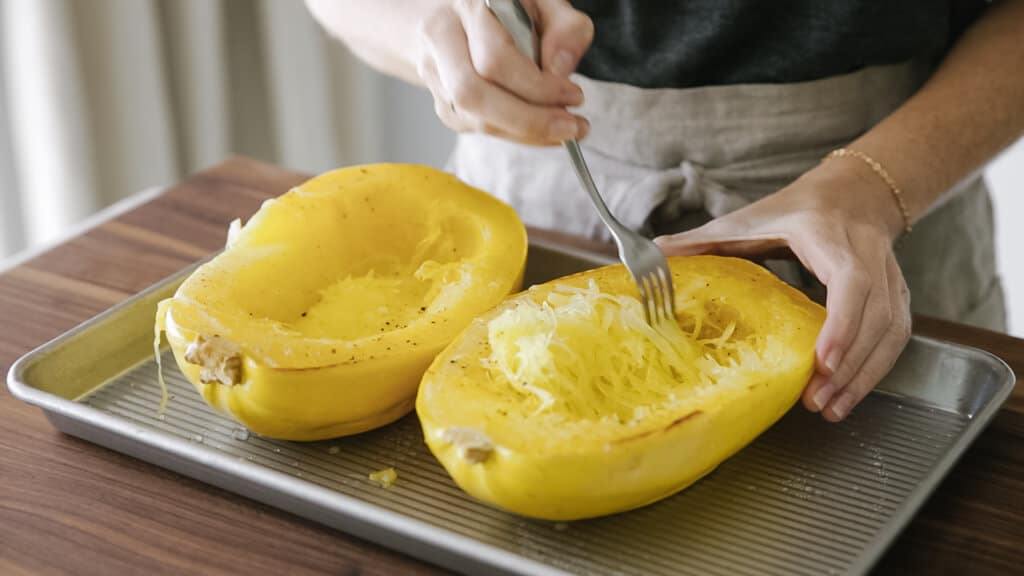
Spaghetti squash is one of those vegetables that practically begs you to buy more than you need. You spot it on sale at the grocery store or piled high at a fall farmers market, and before long you have three or four sitting on your counter with no plan. The good news: freezing is a reliable way to keep it from going to waste.
Yes — spaghetti squash freezes exceptionally well, and you can freeze it to save leftovers or make meal prep even simpler. The catch is that the method matters. Freeze it wrong and you end up with a soggy, watery mess. Freeze it right and you have a ready-to-use, low-carb ingredient waiting for you any night of the week.
This guide covers everything you need to know — from whether freezing changes the texture, to step-by-step instructions, storage times, thawing methods, and the best ways to use it straight from the freezer.
Can You Freeze Spaghetti Squash?
Yes, you can freeze spaghetti squash. Freezing is a great way to extend the shelf life of this fall-time favorite. However, it must be prepared properly before freezing, as it can become mushy if not done correctly.
Instead of becoming soft and mushy like other winter squash, cooked spaghetti squash shreds into skinny squash noodles. It tastes great in casseroles and stir-fry dishes, and it’s an excellent low-carb, high-fiber substitute for pasta. That noodle-like texture is exactly what you want to protect when freezing — and with the right steps, you can.
You can freeze uncooked spaghetti squash, but due to its high water content, it often becomes mushy after thawing. If you freeze it raw, the texture might change, making it better for soups or casseroles than for recipes that need long, firm strands. For most home cooks, cooking it first is the smarter move.
Pro Tip: Cook a large batch of spaghetti squash on the weekend, portion it into 2-cup servings, and freeze flat in quart-sized bags. You’ll have quick weeknight meals ready without the 40–60 minute oven wait.
Does Freezing Change the Texture or Taste of Spaghetti Squash?
Expect some softening — that’s normal and unavoidable. Thawed squash has a more tender texture than fresh. It’s ideal for cooked recipes and works well mixed with pesto, butter, or topped with salt and pepper. It remains low in calories and retains most nutrients, though minimal losses may occur during freezing and reheating.
Raw squash changes texture when thawed and can taste bland. Baking first gives it that sweet, roasted flavor and keeps the strands more intact. That roasted flavor is worth the extra step — it makes a real difference in the final dish.
Slight textural softening is normal, but nutrient density, fiber integrity, and food safety remain high for up to 8 months. So while frozen spaghetti squash won’t be quite as firm as freshly cooked strands, it still delivers the same nutritional benefits you’d get from the many health benefits of spaghetti squash.
| Factor | Fresh Spaghetti Squash | Frozen Spaghetti Squash |
|---|---|---|
| Texture | Firm, distinct strands | Slightly softer strands |
| Flavor | Sweet, mild, roasted | Very similar; minimal change |
| Nutrients | Full retention | Mostly retained |
| Best Use | Any recipe | Casseroles, soups, sauces, stir-fries |
| Moisture | Low | Higher — drain after thawing |
How to Freeze Spaghetti Squash the Right Way
There are two factors to remember to keep the right texture. Spaghetti squash must be cooked first to prevent the cell walls from breaking down in the freezer, leading to a pile of mush when it’s thawed. The second secret is to drain the cooked squash before popping it in the freezer. This removes excess moisture and ensures the texture will be perfect.
Follow these steps for the best results:
- Cook the squash. Preheat your oven to 350°F. Cut the spaghetti squash in half lengthwise and remove the seeds with a spoon. Put the squash halves on a baking tray with the cut side facing up and cook for 30–45 minutes until the flesh is fork-tender.
- Let it cool completely. Don’t rush this step. Packing warm squash into a bag traps steam, which adds moisture and increases the risk of freezer burn.
- Scrape out the strands. After cooking, run a fork through the squash to release the strands. Place the squash in a colander set over a bowl in the refrigerator and let it sit overnight before packing the strands into freezer-safe bags.
- Portion into bags. Every pound of spaghetti squash makes about 1¼ cups of strands, so a four-pound squash should make about five cups of cooked squash. Freeze the cooked squash in 2½-cup bags to make portion sizing easy upon reheating.
- Remove the air and seal. Pack into a freezer bag, press out as much air as possible, seal, and label it with the date. A vacuum sealer works even better if you have one.
- Freeze flat. Lay the bags flat in your freezer so they stack neatly and thaw more evenly later.
Pro Tip: Slightly undercook your spaghetti squash before freezing. This will leave the noodles fairly al dente, which is what you want — the squash will go through a second heating after being frozen, and you don’t want it to be mushy after the final heating.
How Long Can You Freeze Spaghetti Squash?
According to the USDA, frozen food is safe to eat indefinitely, but texture and flavor will change over time. Use your frozen spaghetti squash within 6–8 months for the best quality.
Frozen spaghetti squash will retain its best quality in the freezer for about six months. Some home cooks report good results up to 8 months, particularly when bags are vacuum-sealed and stored in a deep freezer rather than a standard refrigerator freezer. Once thawed, use it within 3–4 days.
| Storage Method | Recommended Timeframe | Notes |
|---|---|---|
| Freezer bag (air pressed out) | Up to 6 months | Best quality window |
| Vacuum-sealed bag | Up to 8 months | Reduces freezer burn risk |
| Airtight freezer container | Up to 6 months | Good for larger portions |
| After thawing (refrigerator) | 3–4 days | Keep covered; drain excess moisture |
How to Thaw Frozen Spaghetti Squash
You have three solid options depending on how much time you have. Each works well — the key is avoiding room-temperature thawing, which raises food safety concerns.
- Refrigerator (best method): Leave your frozen spaghetti squash in the refrigerator to thaw overnight. This method doesn’t alter the texture, but does require some planning ahead. Once thawed, give the strands a gentle squeeze over a colander to release any pooled water before using.
- Microwave (fastest): Use your microwave to defrost spaghetti squash if you’re in a hurry. Place it in a covered microwave-safe dish and microwave on the defrost setting for 45 seconds, repeating until the squash is thawed.
- Cold water: Run the bag or container of frozen spaghetti squash under a cold tap until thawed. This takes 20–30 minutes and works well when you forgot to pull it from the freezer the night before.
Avoid thawing at room temperature to minimize bacterial growth. Also, thaw only in the refrigerator at 41°F or below, or in cold water changed every 30 minutes — never at room temperature.
Pro Tip: For most recipes, you don’t even need to thaw the spaghetti squash. Since it’s been previously cooked, you can add it directly to a simmering sauce and let the heat of the sauce do the work for you.
Can You Refreeze Spaghetti Squash After Thawing?
Refreezing thawed spaghetti squash is not recommended. Each freeze-thaw cycle breaks down the cell structure further, pushing the texture from slightly soft to noticeably mushy. The flavor also dulls with each round of freezing.
The smarter approach is to freeze in single-serving or meal-sized portions from the start. Put 2 cups of noodles in a freezer-safe quart bag — 2 cups makes about one full meal serving or two side servings. That way, you only pull out exactly what you need and never have to refreeze a partially used bag.
If you’ve already thawed a portion and can’t use it all, cook it into a dish — casserole, soup, or a stir-fry — and then freeze the finished meal instead. A fully assembled casserole freezes well and reheats without the texture issues that plain refrozen strands would have. You can also explore the best spaghetti squash cooking methods to find dishes that work well as make-ahead freezer meals.
How to Use Frozen Spaghetti Squash (Best Uses After Freezing)
Frozen spaghetti squash is most at home in recipes where it gets cooked into something — a sauce, a bake, or a stir-fry. The slight softening that comes with freezing actually works in your favor for these dishes. Where it struggles is in presentations where the strands need to be the star, served plain with just a drizzle of olive oil.
Here are the best ways to put frozen spaghetti squash to work:
- Pasta substitute: Toss thawed, drained strands with marinara, meat sauce, or pesto. The squash soaks up sauce beautifully and holds its shape well enough to stand in for pasta in most recipes.
- Casseroles: A spaghetti squash casserole can be frozen, so if you have a bumper crop, make an easy casserole and everyone will benefit. You can also go straight from the freezer into a baking dish without thawing first.
- Soups and stews: Even though the strands get softer after freezing, they’re still great in soups, casseroles, and stir-fries. Drop them into a pot of vegetable or chicken soup during the last 5 minutes of cooking.
- Stir-fries: Add frozen strands directly to a hot wok or skillet with oil, garlic, and your choice of vegetables or protein. The heat cooks off excess moisture quickly.
- Fritters and bakes: Frozen cooked spaghetti squash works well in fritters, hash browns, and breads. Squeeze out as much moisture as possible before mixing into a batter.
- Low-carb bowls: Reheat in a skillet with a splash of olive oil and top with your choice of protein, roasted vegetables, and sauce. A great option if you’re looking for whole plant-based foods to build balanced meals around.
Important Note: After thawing, always drain the strands in a colander and gently press with a paper towel before using. Skipping this step is the most common reason frozen spaghetti squash turns watery in finished dishes.
Signs That Frozen Spaghetti Squash Has Gone Bad
Frozen food doesn’t spoil the way fresh food does, but it can degrade in quality or become unsafe if the freezer temperature fluctuates or the packaging fails. Here’s what to look for before you use it:
- Freezer burn: Look for grayish-white patches or a dried-out, leathery appearance on the strands. Freezer-burned squash is safe to eat but will taste bland and have a tough, dry texture in those spots. Cut away affected areas before using.
- Ice crystals inside the bag: A small amount is normal, but large ice crystals or significant frost buildup inside the bag suggest the squash partially thawed and refroze — likely due to a power outage or the freezer door being left open. The texture will be noticeably worse.
- Off smell after thawing: Fresh spaghetti squash has a mild, slightly sweet scent. If thawed squash smells sour, fermented, or unpleasant, discard it.
- Slimy or discolored strands: Any sliminess, dark spots, or unusual discoloration after thawing is a sign the squash has gone bad. Don’t taste-test — throw it out.
- Past the 8-month mark: Even if it looks fine, squash stored longer than 8 months will likely taste flat and have a noticeably mushy texture. It’s not worth using in a recipe where texture matters.
Eating well starts with knowing what goes into your meals. If you’re using spaghetti squash as part of a health-focused diet, it pairs well with other superfoods for a healthy heart and fits neatly into healing food plans that emphasize low-starch vegetables.
Frequently Asked Questions
Can you freeze spaghetti squash raw?
You can freeze uncooked spaghetti squash, but due to its high water content, it often becomes mushy after thawing. It’s technically possible, but cooking it first produces far better results.
Can you freeze a whole spaghetti squash?
You can freeze spaghetti squash in the shell, but raw spaghetti squash doesn’t freeze well and can become mushy. This applies to whole spaghetti squash, too. An average spaghetti squash contains around 89% water. When frozen, the water inside the squash expands, causing damage to the cell walls, resulting in a watery texture once thawed. Cooking and shredding first is the better approach.
Do you need to blanch spaghetti squash before freezing?
Blanching spaghetti squash is not typically recommended, as it may not prevent texture loss effectively. Cooking before freezing is more reliable. A full roast in the oven is the preferred method.
How do you keep frozen spaghetti squash from getting watery?
Drain, drain, drain. Let it sit in a colander overnight in the fridge, or press gently with paper towels before freezing. After thawing, drain it again before adding it to any recipe.
Can you freeze a spaghetti squash casserole?
A spaghetti squash casserole can be frozen for up to 6 months. The baked casserole should be made in a freezer-proof baking dish or aluminum pan. Let it cool before freezing to prevent freezer burn, then wrap well with plastic wrap and aluminum foil.
Is frozen spaghetti squash still healthy?
Frozen spaghetti squash remains low in calories and retains most nutrients, though minimal losses may occur during freezing and reheating. It’s still a solid source of vitamins and fiber, making it just as worthwhile as fresh. For more on its nutritional profile, see our guide on whether spaghetti squash is healthy.
Can you freeze spaghetti squash halves instead of strands?
You can, but they take up a lot of freezer space and take longer to thaw evenly. Freezing the strands is faster, and you can portion them out for individual meals.
Freezing spaghetti squash is one of the easiest ways to stretch your grocery budget and keep a healthy, versatile ingredient on hand year-round. Cook it, drain it thoroughly, portion it out, and you’ll have weeknight dinners sorted for months. Whether you’re pairing it with a rich meat sauce, tossing it into a casserole, or using it as a low-carb base for a hearty bowl, frozen spaghetti squash delivers — as long as you give the moisture the attention it deserves.