Can You Freeze Xiao Long Bao? Everything You Need to Know

November 1, 2026
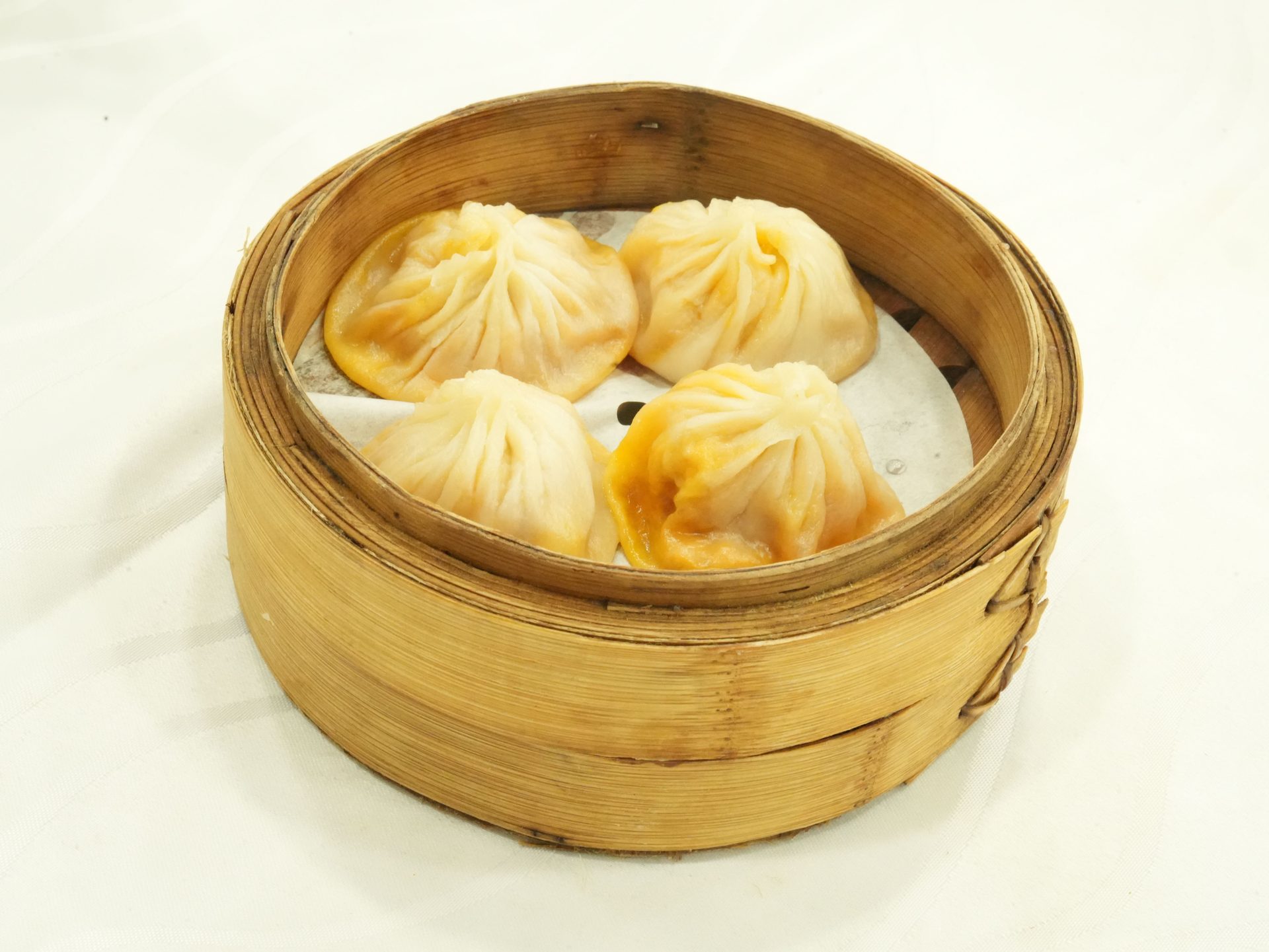
Xiao long bao — the Shanghai-born soup dumplings beloved at dim sum tables across the United States — take real effort to make from scratch. Whether you spent a weekend folding dozens by hand or grabbed a fresh batch from a local Asian grocery, the last thing you want is to let them go to waste. The good news: freezing xiao long bao is entirely possible, and when done correctly, it preserves most of what makes them special.
That said, these dumplings are more delicate than your average potsticker or wonton, and they do require a specific approach. This guide walks you through everything — from how freezing affects texture to the right way to steam them straight from the freezer.
Can You Freeze Xiao Long Bao?
You can freeze xiao long bao. There are a couple of effective methods to freeze both cooked and uncooked xiao long bao. However, the two states are not equal when it comes to results.
Yes, you can freeze Chinese soup dumplings, but xiao long bao — unlike regular dumplings, wontons, and potstickers — can be sensitive to tearing open if they’re not cooked or frozen very soon after being filled. This is because of the addition of the gelatinous meat stock that gives them their soup-like filling.
You can freeze cooked dumplings, but it’s not recommended. Freezing cooked dumplings can harm the structure and taste. If you have a surplus of cooked xiao long bao, consider refrigerating and eating them within the next 3–5 days. For the best freezer results, always freeze them uncooked.
Pro Tip: If you make xiao long bao from scratch, plan to freeze a portion before cooking. Uncooked, freshly wrapped dumplings freeze far better than leftovers from a steamed batch.
Does Freezing Change the Texture or Taste of Xiao Long Bao?
Freezing does affect xiao long bao, though the degree depends on how carefully you freeze and cook them. The wrapper may become slightly thicker and chewier after freezing, because the starch in the dough absorbs moisture during the freezing process.
The broth inside may become less flavorful and slightly thinner after freezing, because the heat from steaming causes the broth to expand, and some of it might leak out during thawing. Overall, while the flavor won’t be as intense as freshly steamed xiao long bao, the taste will still be enjoyable.
There is also a structural challenge specific to homemade versions. Store-bought frozen soup dumplings use chemical additives to stabilize the filling — that’s why they can be frozen and still come out soupy. But those additives are not something that can be easily done at home. This is why commercial frozen xiao long bao often hold up better than homemade ones after freezing.
While dumplings have long been a freezer staple, xiao long bao — the delicate, soup-filled dumplings from Shanghai — rarely survive the freezing process as well. Their thin skins can break and the liquid centers collapse as they reheat, leaving a mess and subpar slurping. Following the right technique minimizes these risks significantly.
How to Freeze Xiao Long Bao the Right Way
The flash-freeze method — freezing dumplings individually before bagging — is the key step most people skip, and it makes all the difference. Here is exactly how to do it.
- Prepare your tray. Line a sheet tray with parchment and dust it with a little flour or cornstarch. The flour or cornstarch prevents sticking without leaving a gummy residue.
- Arrange the dumplings. Place your wrapped dumplings on the baking sheet. Leave some space between each dumpling so they don’t stick together.
- Flash freeze. Put the full baking sheet in your freezer. Ensure you lay the tray flat so your dumplings don’t shift during the freezing process. Leave them there for at least one hour, or until completely solid.
- Transfer to a bag or container. Once you’ve flash frozen your soup dumplings, transfer them to a freezer-safe zip-lock bag. Make sure the dough wrapping is frozen solid before transferring to the bag so they don’t stick.
- Seal and store. Keep frozen xiao long bao in a sealed bag or airtight container to prevent freezer burn, and store them at a consistent freezer temperature of 0°F (−18°C) or below.
Important Note: Never freeze warm dumplings — ice crystals will tear the wrapper. Always let freshly made xiao long bao rest and cool slightly before placing them on the freezing tray.
How Long Can You Freeze Xiao Long Bao?
Once the xiao long bao are completely frozen, you may add them to a parchment-lined airtight container and freeze them for up to 3 months. This applies to uncooked homemade dumplings frozen using the flash-freeze method described above.
Beyond the three-month mark, the dumplings remain technically safe to eat if kept at a steady 0°F, but the quality — particularly the wrapper texture and broth intensity — will decline noticeably. For the best eating experience, aim to use them within 4 to 6 weeks of freezing.
Always store airtight to avoid freezer burn. If you notice the bag has collected excess air or frost, the dumplings may have already started to degrade. See the signs section below for what to look for before cooking.
| State | Freezer Life | Notes |
|---|---|---|
| Uncooked (homemade, flash-frozen) | Up to 3 months | Best quality within 4–6 weeks |
| Cooked (leftover) | Not recommended | Refrigerate and eat within 3–5 days instead |
| Store-bought (commercially frozen) | Per package date | Typically 6–12 months; follow label |
How to Thaw Frozen Xiao Long Bao
Here is where many home cooks go wrong: do not thaw xiao long bao before cooking. Steam directly from frozen, adding 2–3 extra minutes to the cooking time. Do not thaw first — they’ll become soggy and stick together.
Thawing your dumplings before steaming can negatively affect the taste and texture. The wrapper softens unevenly, the gelatin filling begins to liquefy before the steam can set the dough, and you risk the skin tearing before the dumpling even hits the steamer.
The correct approach is to go straight from freezer to steamer. Place frozen soup dumplings about 1 inch apart into a lined bamboo steamer set over boiling water — do not let the dumplings have contact with any water — and steam for 10 to 13 minutes. If you’re working from a thicker homemade wrapper, add another 2 minutes to be safe.
For lining your steamer, use napa cabbage leaves to line a bamboo steamer for the most authentic flavor. However, if you don’t have access to these, you can use a metal steamer and small pieces of parchment paper with holes cut in them.
Pro Tip: Cover the steamer lid with a towel for even heat distribution. Bamboo steamers also prevent condensation drips that can make the wrapper gummy or cause the skin to collapse.
Can You Refreeze Xiao Long Bao After Thawing?
No — refreezing xiao long bao after they have been thawed or cooked is not a good idea. It is not recommended to refreeze cooked xiao long bao. Once cooked, the dumplings should be consumed immediately to ensure optimal flavor and texture. Refreezing cooked xiao long bao can lead to a loss of texture and flavor, as well as the formation of ice crystals that can cause the dumplings to become soggy.
If you have leftover cooked xiao long bao, it is best to refrigerate them and consume them within a day or two. You can reheat refrigerated leftovers by steaming them for about 5 minutes, which is gentler on the wrapper than microwaving.
For uncooked dumplings that have partially thawed — for example, if your freezer lost power briefly — use your judgment. If they are still cold and the wrappers have not become wet or translucent, you may be able to cook them immediately. Do not refreeze them once the gelatin filling has begun to liquefy.
How to Use Frozen Xiao Long Bao (Best Uses After Freezing)
The most straightforward use for frozen xiao long bao is steaming them as-is for a meal. From freezer to table in a few short minutes, they’re perfect as an appetizer, main course, or even a midnight snack. Pair them with the traditional dipping sauce of Zhenjiang black vinegar and thinly sliced fresh ginger for the full experience.
Beyond the classic presentation, frozen xiao long bao work well in a few other American home kitchen scenarios:
- Quick weeknight dinner: Steam a full batch straight from frozen in about 12–15 minutes. Serve alongside a simple cucumber salad or hot-and-sour soup for a complete meal.
- Party appetizer: Frozen xiao long bao are an impressive addition to a dim sum spread at home. Steam in batches and keep warm in a covered bamboo steamer set over very low heat.
- Broth-enriched noodle bowl: If a few dumplings burst during steaming, don’t discard them. Add them to a bowl of ramen or rice noodle soup — the leaked gelatin broth enriches the soup base.
- Pan-fried variation: For a sheng jian bao–style result, steam frozen dumplings for 8 minutes, then finish in a lightly oiled nonstick pan for 2–3 minutes to crisp the bottoms.
If you enjoy exploring traditional foods from other cultures or are curious about regional American food scenes, xiao long bao fit naturally into a broader appreciation for food traditions that reward patience and technique. You can also check out this guide to the pros and cons of eating seafood if you’re considering shrimp or crab xiao long bao variations.
Signs That Frozen Xiao Long Bao Has Gone Bad
Frozen xiao long bao don’t always show obvious spoilage the way fresh meat does, so you need to know what to look for before you start steaming.
- Freezer burn on the wrapper: Look for grayish-brown dry patches on wrapper edges or a dull, chalky skin surface. Light freezer burn affects taste and texture but is not a safety issue; heavy freezer burn means the dumpling will be dry and flavorless after cooking.
- Off smell: Fresh frozen xiao long bao smell clean, faintly savory, and neutral — not sour, fishy, or ammoniac. If you detect any of those odors when you open the bag, discard the batch.
- Cracked or torn wrappers: Visible cracks in the frozen dough mean the dumpling has likely been temperature-abused — partially thawed and refrozen. The broth will leak out entirely during steaming.
- Excessive frost or ice crystals inside the bag: Heavy frost buildup signals temperature fluctuation or a poor seal. The dumplings may be safe, but quality will be significantly reduced.
- Clumped dumplings: If dumplings have fused together into a solid block, they were likely not flash-frozen properly or the bag was not sealed tightly. They may tear when you try to separate them.
Important Note: When in doubt, throw it out. The thin gelatin-filled wrappers of xiao long bao are particularly susceptible to texture damage, and a compromised dumpling will not improve with cooking — it will simply burst in the steamer.
Frequently Asked Questions
Can you freeze store-bought fresh xiao long bao from an Asian grocery?
Yes. There are effective methods to freeze both cooked and uncooked xiao long bao, allowing you to conveniently store this Chinese delicacy whether you’re making it from scratch or buying it fresh from the store. Use the same flash-freeze method: arrange them on a flour-dusted tray, freeze solid, then transfer to an airtight bag.
Can you cook frozen xiao long bao in the microwave?
Never microwave xiao long bao — it ruins the soup and texture. The uneven heat causes the gelatin broth to burst through the wrapper before the dough can set. Steaming is the only reliable method for cooking them from frozen.
Can you air fry frozen xiao long bao?
Air fryers cannot generate sufficient ambient humidity to gently melt the aspic without desiccating the wrapper. Tests show that 92% of air-fried frozen xiao long bao develop brittle, shrunken skins and evaporated broth. Steam remains the only reliable method.
How long do fresh (uncooked) xiao long bao last in the refrigerator?
Xiao long bao can be sensitive to tearing open if they’re not cooked or frozen very soon after being filled. If you plan to cook them the same day, refrigerate them for no more than a few hours. Otherwise, freeze them immediately after wrapping for the best results.
Do commercially frozen xiao long bao taste as good as fresh?
While fresh xiao long bao is ideal, frozen ones can be just as delicious if cooked properly. Brands sold at major US retailers — including options available at Costco and through specialty food companies — have improved significantly, with some using thinner wrappers and higher gelatin ratios that hold up well to home steaming. For traditional cultural food comparisons or exploring international food traditions, frozen xiao long bao are a genuinely accessible starting point for American home cooks.
What dipping sauce should I use with frozen xiao long bao?
Xiao long bao are traditionally served with a dipping sauce of Zhenjiang vinegar and ginger, which balances the richness of the soup. Zhenjiang (Chinkiang) black vinegar is widely available at Asian supermarkets across the US and at many mainstream grocery stores in cities with large Asian-American communities. Mix it with thin slices of fresh ginger for the classic pairing. For more ideas on making restaurant-quality soup dumplings at home
, Omnivore’s Cookbook offers a detailed recipe guide.