
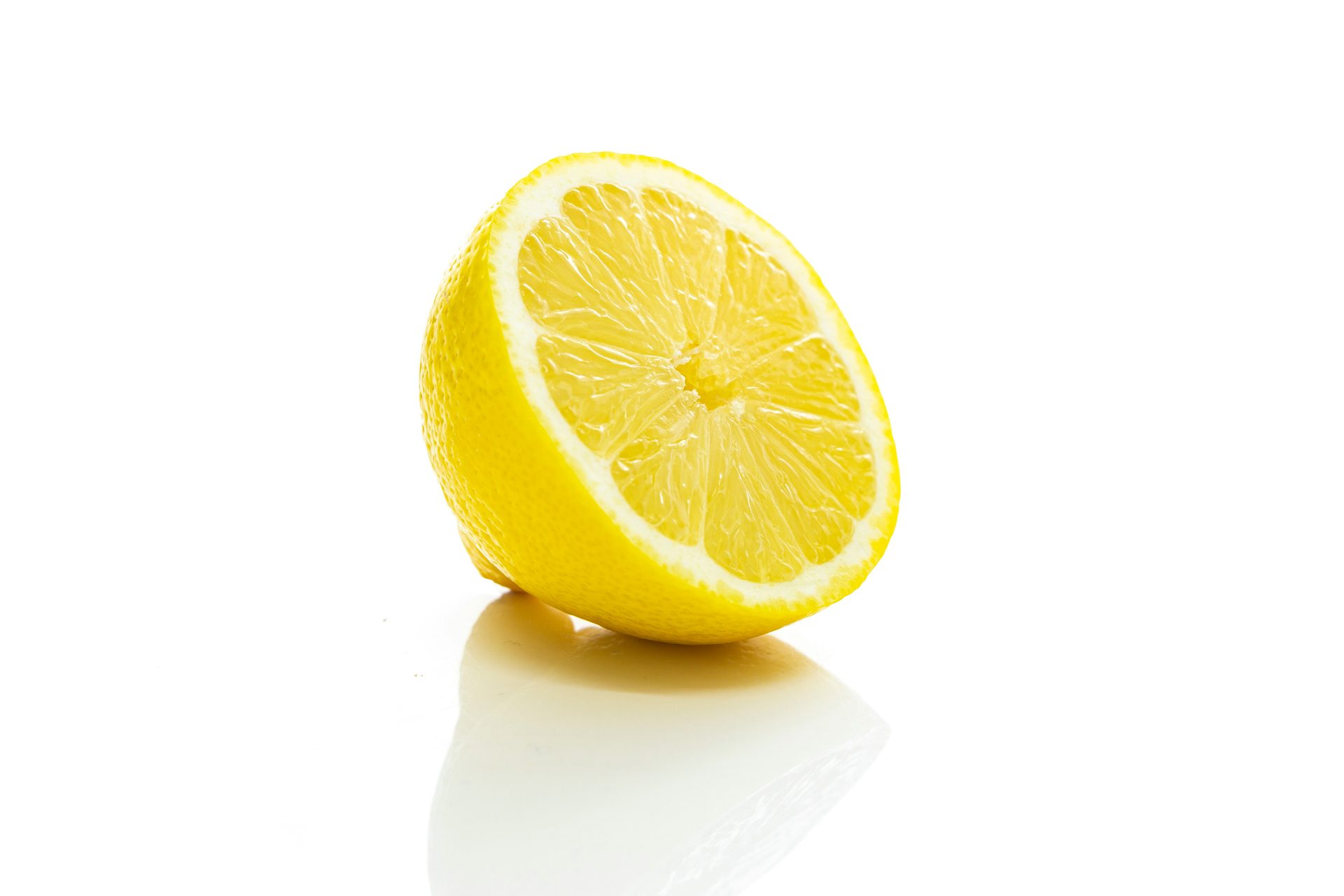
You bought a big bag of lemons on sale, used two of them, and now the rest are sitting in your fridge slowly heading toward the trash. Sound familiar? Freezing whole lemons is one of the easiest ways to stop that cycle and always have fresh citrus ready when you need it.
The short answer is yes — you can freeze lemons, the method is simple, and you can use nearly every part of the fruit in the process. Whether you have a bumper crop from a backyard tree or you just scored a deal at the grocery store, the freezer is your best tool for keeping lemons useful for months.
This guide walks you through exactly what happens when you freeze whole lemons, how to do it correctly, how long they last, and the best ways to put them to work in your kitchen.
Can You Freeze Whole Lemons?
Freezing whole lemons is absolutely possible and a great way to preserve them for later use. Lemons can be frozen whole, sliced, juiced, or zested, making it easy to prevent waste and always have the perfect portion ready to go for your recipes.
Frozen lemons and limes are almost easier to zest, and once thawed they’ll release their juice more readily because, as with any fruit or vegetable, freezing and thawing weakens the cell walls. That’s a real practical advantage, not just a storage trick.
Lemons tend to be harvested in two seasons in the United States — coastal California groves yield from late winter through early summer, while growers harvest Arizona trees in fall and early winter. Stock up on lemons when they’re in season and on sale and freeze them. It’s one of the simplest ways to cut down on grocery costs and food waste at the same time.
Pro Tip: If you plan to zest your lemons, do it before freezing or while the fruit is still frozen solid. Once thawed, the softened rind makes clean zesting much harder.
Does Freezing Change the Texture or Taste of Whole Lemons?
Freezing does change the texture of a whole lemon, and it’s worth knowing what to expect before you thaw one and try to use it as a garnish. When a lemon freezes, tiny ice crystals form inside the pulp, tearing cell walls as they expand. When it thaws, those cells collapse, and the juice inside escapes more easily with less pressure.
Whole frozen lemons often feel slightly spongy once thawed, which suits juicing but not neat raw wedges on a snack plate. Freezing lemons changes their texture and may slightly alter acidity over time, though the flavor largely remains intact. When lemons thaw, they get softer, which makes them great for squeezing but not so great for zesting.
The good news is that the flavor holds up well. Freezing doesn’t ruin citrus — it simply changes how it behaves after thawing. Freezing whole fruit or slices works best when your end goal is juicing, blending, or cooking, while zest and juice can be frozen with almost no downside. Once you understand that freezing affects texture more than flavor, choosing the right freezing method becomes straightforward.
Frozen lemons shine in cooked dishes, purees, and drinks where texture does not need to look perfect. If your recipe calls for fresh lemon juice or a squeeze over grilled chicken, a frozen-and-thawed lemon works just as well as a fresh one.
How to Freeze Whole Lemons the Right Way
Freezing whole lemons takes about two minutes of hands-on time. The key is starting with good fruit and keeping air out of the packaging.
Start by selecting fresh, ripe lemons. Look for lemons that are firm, heavy for their size, and have a bright, vibrant color. Avoid lemons with blemishes, soft spots, or signs of mold. Freezing adds another layer of safety as long as fruit goes into the freezer fresh, clean, and in airtight packaging. Any moldy or badly bruised lemons should go in the compost bin instead of the freezer.
Wash the lemons thoroughly under cool running water. Use a vegetable brush to scrub the peel and remove any dirt, wax, or pesticides — this step is especially important if you plan to freeze the zest. Once washed, dry the lemons completely with a clean towel, since excess moisture can lead to freezer burn and affect quality.
- Wash and scrub each lemon under cool running water, then pat completely dry.
- Place whole lemons directly into a freezer-safe zip-top bag or airtight container.
- Remove as much air as possible before sealing — this is the single most important step for preventing freezer burn.
- Label the bag with the date so you know exactly how long they’ve been in the freezer.
- Store in the coldest part of your freezer, away from the door, for the most consistent temperature.
To freeze whole lemons that you’ve already grated the zest from, wrap them in plastic wrap or aluminum foil to prevent drying out, then tuck the wrapped lemons into freezer bags and remove as much air as you can.
Pro Tip: If you want to freeze lemon slices or wedges for drinks, lay them in a single layer on a parchment-lined baking sheet first. Freeze until solid, then tuck the pieces into freezer bags — bags are better because you can remove as much air as possible.
Lemons are a nutrient-rich citrus fruit that fits naturally into a whole-food, plant-based diet. Freezing them means you always have that bright, acidic punch on hand to brighten meals without relying on bottled substitutes.
How Long Can You Freeze Whole Lemons?
Storage time depends on the form you freeze them in and how well you seal the packaging.
| Form | Recommended Freezer Life | Best Use After Freezing |
|---|---|---|
| Whole lemons | 3–4 months (peak quality) | Juicing, cooking |
| Slices or wedges | 3–6 months | Drinks, baked fish, water |
| Juice cubes | 4–6 months | Lemonade, sauces, dressings |
| Zest | 6–8 months (well-sealed) | Baking, marinades, sauces |
Lemons can be frozen for 3–4 months when packaged properly. The key is removing as much air as possible and using freezer-safe containers or bags. Whole lemons may develop freezer burn after 4 months.
Juice and zest cubes retain good flavor for about 6 to 8 months when sealed properly. If you want maximum shelf life from your lemons, consider juicing and zesting them before freezing rather than storing them whole.
Food kept frozen continuously at 0°F will always be safe, but quality degrades over time. A lemon frozen for six months is still safe to use — it just may not taste as bright as one frozen for two months. Labeling your bags with the date makes it easy to use older stock first.
How to Thaw Frozen Whole Lemons
How you thaw a frozen lemon depends on what you plan to do with it. There are three reliable methods, and each works better for different situations.
Refrigerator thawing is the gentlest option. Gentler thawing means less dramatic texture loss and a bit more preserved aroma. Place the lemon in the fridge the night before you need it and let it thaw slowly. This works well if you’re planning ahead.
Room-temperature thawing is the most common approach. Soak lemons for 10–15 minutes in room-temperature water to gradually bring them back to their natural texture. This is a good middle-ground option when you have a few minutes to spare.
Microwave thawing is the fastest method. Heat for 15–20 seconds for quick defrosting. This works especially well when you just need juice and don’t care about texture at all.
Always zest before you thaw, because once the fruit is soft post-thawing, zesting can be difficult. If you need both zest and juice from a frozen lemon, grate the zest while the lemon is still frozen solid, then thaw the rest for juicing.
Small amounts of lemon zest or juice can often be used straight from the freezer, especially when dropping them directly into cooked dishes or batters. You don’t always need to thaw at all — it depends on the recipe.
Can You Refreeze Whole Lemons After Thawing?
Refreezing lemons after thawing isn’t typically recommended. The texture and flavor of the lemons — already affected by the first freezing and thawing — are affected even more by refreezing. Instead, freeze juice, zest, and cut lemons in small portions so you only have to thaw what you need.
Refreezing is safe but whole lemons become mushier with each cycle. If you accidentally thawed more than you need, the best move is to juice the extras and freeze the juice in an ice cube tray rather than putting the whole lemon back in the freezer.
Key Insight: Portion control is the real solution to the refreezing problem. Freeze lemons individually or in small groups so you only pull out exactly what a recipe calls for.
Lemons are a great addition to many health-forward recipes. Their juice and zest pair especially well with heart-healthy superfoods and can add brightness to dishes built around liver-supporting ingredients.
How to Use Frozen Whole Lemons (Best Uses After Freezing)
Thawed whole lemons are workhorses in the kitchen. Because the cell walls have broken down, they actually release more juice than a fresh lemon squeezed at room temperature — which is a genuine advantage, not a consolation prize.
After freezing, lemons work best for juice, zest, cooking, baking, lemonade, marinades, and cocktails. Here are the most practical applications:
- Juicing: Thaw and squeeze over fish, chicken, pasta, or salads. The softened pulp gives up juice easily with minimal effort.
- Lemonade and drinks: Drop a frozen lemon wedge into hot tea to cool it enough for sipping. Frozen slices also work directly in iced water, cocktails, and sparkling drinks.
- Baking: Use frozen lemon zest in baked goods such as cakes, muffins, and cookies. It can also be added to sauces, dressings, and marinades for a burst of citrus flavor.
- Cooking: Use frozen lemons for cooked dishes — sauces, marinades, stews, lemon chicken, risottos — places where a slightly softer pulp doesn’t matter.
- Soups and broths: Toss a frozen lemon half directly into a pot of soup or broth while it simmers, then remove it before serving. It adds a clean citrus depth without any prep.
- Salad dressings: Squeeze thawed lemon juice into vinaigrettes and grain salad dressings for fresh acidity.
If you’re using lemon slices to bake fish, put the lemon slice on before it thaws out — the juice will permeate the fish while baking. That’s a small technique tip that makes a real difference in flavor.
Lemon juice and zest show up in a wide range of global cuisines. If you’re exploring new ways to cook with citrus, check out these dishes from traditional Greek cooking and South African cuisine, where citrus plays a supporting role in many classic recipes.
Pro Tip: Use frozen whole lemons to make homemade cleaning solutions. The citric acid in lemons is a natural disinfectant and can be used to clean surfaces, remove stains, and deodorize your home. Run a frozen lemon half through your garbage disposal to freshen it instantly.
Signs That Frozen Whole Lemons Have Gone Bad
Frozen lemons that have been stored correctly are safe to eat for months, but quality can decline over time. Knowing what to look for helps you avoid using a lemon that’s past its prime.
Discoloration, mushiness, sliminess, mold, or shriveling are clear indicators that lemons have gone bad and should be discarded or composted. These are the same signs you’d look for in fresh lemons, just applied to the frozen or thawed state.
Here’s what to check before using a frozen lemon:
- Ice crystals or freezer burn: The most common sign of freezer burn is ice crystals forming on the lemons. If it’s just a small amount, you can wash them off and use the lemons. But if they’re coated in ice crystals, the lemons might not taste good.
- Shriveled or dry texture: When the moisture evaporates from the lemons, they become dry and shriveled. If they’ve reached this point, they are probably not worth using.
- Off smell: Frozen citrus should still smell clean and citrusy. Discard it if the zest smells flat or musty, or if the juice has absorbed off-odors.
- Color changes: Discard if the color has dulled dramatically or changed significantly.
- Slimy rind: Changes in color, a slimy rind, or a bad smell are all bad signs. A slimy feel after thawing almost always means the lemon has spoiled.
If you’re ever in doubt, trust your nose. A good frozen lemon smells bright and citrusy even before it fully thaws. Anything musty, fermented, or off means it should go in the compost.
Lemons are packed with vitamin C and antioxidants that support overall health. If you’re interested in how citrus and other foods support your body, take a look at our guide to powerful nutrients and cancer-fighting foods and foods that support healthy eyesight.
Frequently Asked Questions
Can you freeze lemons with the peel on?
Yes. Freezing whole lemons with the peel intact is the most common method. Wash the lemons thoroughly, then store them in a food-safe freezer bag and remove as much air as possible before sealing to prevent freezer burn. The peel protects the fruit during freezing and can be zested directly from the frozen lemon before thawing.
Do frozen lemons yield more juice than fresh ones?
Whole frozen lemons become soft when thawed but are actually easier to juice because the freezing breaks down the cell walls, releasing more juice. This is why some cooks deliberately freeze lemons before juicing them, even when they have fresh ones available.
Can you grate zest from a frozen lemon?
You can freeze lemons whole and grate off the zest while the lemon is still frozen. It’s cold on the hands, but works fine. Then you can either thaw the rest of the lemon to juice, or just keep grating for marmalade or whatever you’re making.
Is it safe to freeze lemons?
Lemon juice has a naturally low pH, which slows bacterial growth. Freezing adds another layer of safety, as long as fruit goes into the freezer fresh, clean, and in airtight packaging. There are no food safety concerns with freezing lemons.
Can you freeze lemon juice separately?
Juice lemons and freeze the juice in ice cube trays. Once cubes are frozen, slip them into zipper-style freezer bags and remove as much air as possible before sealing. Each cube works out to roughly one to two tablespoons — a convenient amount for most recipes.
How should you store lemons at room temperature vs. the freezer?
Lemons stored at room temperature typically last only a few days, so refrigeration is recommended for longer shelf life. For anything beyond a week or two, the freezer is the better option. Freezing extends that window to several months with very little quality loss for cooking purposes.
Lemons work beautifully in all kinds of cooking, from everyday American meals to global cuisines. If you’re looking for new recipe inspiration, explore the flavors of traditional Pakistani food or browse famous Boston dishes — many of which use citrus as a finishing touch.