Can You Freeze Glass Jars? What You Need to Know Before You Try

November 1, 2026
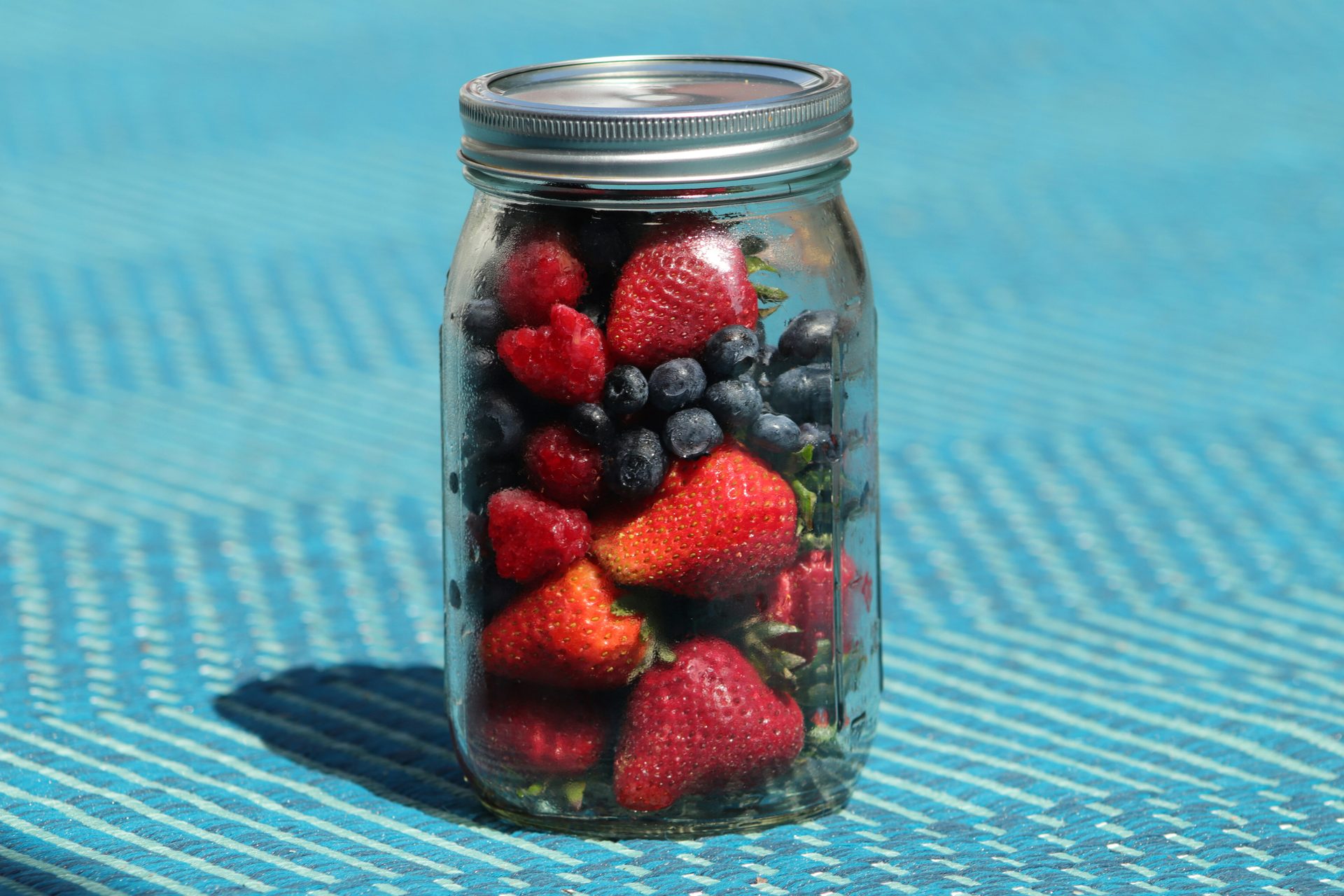
Glass jars and freezers can absolutely work together — but only when you follow the right steps. Plenty of home cooks across the US have switched from plastic containers to glass jars for freezer storage, and for good reason: glass doesn’t absorb odors, doesn’t stain, and lets you see exactly what’s inside.
The catch is that not every glass jar belongs in the freezer. Put the wrong one in, or fill it incorrectly, and you’ll end up with cracked glass, wasted food, and a messy cleanup. This guide walks you through everything you need to know — from choosing the right jar to thawing safely and spotting signs that something has gone wrong.
Can You Freeze Glass Jars?
Yes, you can freeze glass containers, but only the right kind. The good news is that once you understand what makes a jar freezer-safe, the process is straightforward and repeatable.
Freezer-safe glass like borosilicate stays strong even in icy cold temperatures, while soda-lime glass found in some cheap jars might crack if you rush it. The problem isn’t the cold itself — fast temperature changes are what stress glass out and cause problems.
Not all glass jars are freezer-friendly. You only want to use sturdy, thick glass jars like quality mason jars. Do not freeze recycled jars from the grocery store like old spaghetti sauce jars, since these are not meant to go in the freezer.
Wide-mouth mason jars — the kind used for canning — are the most reliable option for most American home kitchens. Glass jars designated as freezer-safe tend to be the brands also suitable for canning, as they’re designed to withstand extremes of temperature. Ball Mason, Weck, and Le Parfait jars are all examples.
Pro Tip: Look for the words “FREEZER SAFE” or a freeze-fill line embossed directly on the jar. Some mason jars provide a visual indicator called the “freeze line,” and some Ball mason jars have the words “FOR FREEZING – FILL HERE” embossed in the glass.
Does Freezing Change the Texture or Taste of Glass Jars?
The jar itself won’t change — glass is non-reactive and won’t absorb flavors or odors from the freezer. What matters is what’s inside. Freezing preserves food safely, but it doesn’t always preserve texture and flavor perfectly, especially over long periods.
Freezer burn does not make food unsafe, merely dry in spots. It appears as grayish-brown leathery spots and is caused by air coming in contact with the surface of the food. Cut freezer-burned portions away either before or after cooking.
One advantage glass has over plastic is that it creates a tighter, non-porous seal. Glass is non-porous, which means it won’t discolor like plastic does or absorb smells. It retains its good looks for years, is easy to clean, and is dishwasher safe — plus, because it’s see-through, you can always see exactly what you have in the freezer.
For the best flavor results, plan to use most frozen foods within three to six months. A general quality degradation timeline at standard home freezer temperatures runs roughly like this: 0–3 months is peak quality with minimal texture or flavor changes; 3–6 months sees a slight quality decline with minor ice crystals; 6–12 months brings noticeable freezer burn with dry, leathery texture; and 12+ months results in significant quality loss with strong off-flavors.
How to Freeze Glass Jars the Right Way
Following a consistent process is the difference between a freezer full of perfectly preserved food and a shelf of cracked jars. These steps apply whether you’re freezing soups, sauces, broths, or dry goods.
- Choose the right jar. Choose tempered glass jars with straight sides, leave enough headspace in the jars, and cool and thaw gradually. Make sure your glass jar is straight-sided. Water expands when frozen, and that’s the main reason jars break. Your contents need somewhere to expand to.
- Avoid jars with shoulders. Regular-mouth pint and both regular and wide-mouth quart mason jars feature some sort of curvature at the top, called the shoulder of the jar. This curvature will prevent expansion and cause breaking.
- Cool food completely first. Never place a hot jar in the freezer. Make sure to completely cool the filled jars before freezing to avoid cracking. A good practice is to cool them in the fridge overnight before transferring to the freezer the next day.
- Leave adequate headspace. Headspace is needed to allow the expansion of food and liquids that occurs when frozen. Without the right amount of headspace, any kind of container, including glass, can break or crack if overfilled. Many jars have a maximum fill line when used for freezing. If you don’t see the line, leave about an inch of headspace at the top of your jar.
- Freeze the lid off first. Place the jar in the freezer with the lid off or ajar. Once the contents have completely frozen, screw the lid on tightly.
- Label every jar. Don’t forget to label your jars unless it’s very obvious what’s inside — your memory will not be as good as you think it is. A date is useful as well as labeling the contents.
- Space jars apart. Leave some space between jars in the freezer. Cramming them right up next to each other doesn’t leave room for the jars to expand, and they can also rattle against each other.
Pro Tip: Consider skipping metal lids for freezing. Freezer environments are wet, and metal bands and lids can rust. Plastic storage caps made specifically for mason jars are a practical, rust-free alternative sold at most US hardware and grocery stores.
How Long Can You Freeze Glass Jars?
The jar itself has no time limit in the freezer — it’s the food inside that determines how long you can store it. The good news is that freezing stops bacterial growth entirely at the right temperature.
The USDA confirms that frozen food remains safe indefinitely at 0°F (-18°C), but optimal quality has its own expiration dates. For practical purposes, most foods stored in glass jars are best used within a specific window depending on what they are.
| Food Type | Best Quality Window | Notes |
|---|---|---|
| Soups and broths | 3–6 months | Use wide-mouth, straight-sided jars; leave 1-inch headspace |
| Cooked beans | 3–6 months | Freeze with or without liquid |
| Tomato and pasta sauces | 3–6 months | Cool completely before freezing |
| Fruit (berries, peach slices) | 8–12 months | Flash-freeze on a baking sheet first, then transfer to jars |
| Jams and fruit butters | 6–12 months | Straight-sided jars only; leave headspace |
| Pesto and curds | 3–6 months | Freeze in small portions for easy use |
| Cooked grains and leftovers | 3 months | Use within 3 months for best texture |
As a general rule of thumb, frozen food will keep for three months in a standard home freezer before starting to show signs of freezer burn. This is true for raw meats, cooked meats, prepared foods, breads, and anything else you might think of freezing. If you pull something out that’s older than three months and it doesn’t show signs of freezer burn, it’s probably still good to eat — how the food was packaged, how often you opened the freezer, and other factors can extend the shelf life of your frozen food.
How to Thaw Frozen Glass Jars
Thawing glass jars safely is just as important as freezing them correctly. The same principle that applies when freezing — avoid rapid temperature changes — applies when thawing too.
It’s best to let frozen glass jars slowly thaw in the fridge or on the counter with a dish towel underneath to absorb condensation. To defrost more quickly, you can place the jar in a sink or bowl filled with lukewarm water — not hot. Do not place in the microwave.
To avoid broken jars during the thawing process, loosen the lid or remove it entirely, then move the jar to the back of your fridge to start thawing. When the liquid seems mostly thawed, you can move the jar to your kitchen counter.
Important Note: Never run a frozen glass jar under hot water or place it directly on a hot burner. The sudden temperature shift can crack even a sturdy mason jar. If you need to speed up thawing, use lukewarm — not hot — water in a bowl or sink.
For solid foods like frozen fruit or beans, thawing in the refrigerator overnight is the most reliable method. For soups and sauces, you can transfer the contents to a pot once they’re partially thawed and warm them gently on the stovetop.
Can You Refreeze Glass Jars After Thawing?
Whether you can refreeze food from a glass jar depends on how it was thawed, not the jar itself. The jar can go back in the freezer as many times as you need — the food inside is what requires careful handling.
Once food has thawed in the refrigerator, it is safe to refreeze it without cooking, although there may be a loss of quality due to the moisture lost through defrosting. This is the safest and most common scenario for home cooks in the US.
According to the USDA Food Safety and Inspection Service , if food is partly frozen, still has ice crystals, or is as cold as if it were in a refrigerator (40°F), it is safe to refreeze or use. It’s not necessary to cook raw foods before refreezing. Discard foods that have been warmer than 40°F for more than 2 hours.
The practical takeaway: if you thawed your jar in the fridge and the food stayed cold the whole time, refreezing is fine. Freeze in meal-sized portions to avoid repeated thawing and refreezing — this is the best way to protect both food quality and safety over time.
How to Use Frozen Glass Jars (Best Uses After Freezing)
Glass jars in the freezer are most useful when you treat them as a meal prep system rather than just a storage method. The foods that freeze best in glass jars are liquids, semi-solids, and cooked items that reheat well.
Glass jars are really handy for freezing soups, stocks, broths, sauces, curds, freezer jams, pesto, and pate. Beyond those staples, glass jars work well for a range of US kitchen favorites:
- Batch-cooked beans — freeze in 1.5-cup portions (roughly the equivalent of one can) for quick weeknight meals like chili, tacos, and soups. This pairs well with a whole-food, plant-based eating approach.
- Homemade tomato and pasta sauces — freeze in pint jars for single-meal portions; thaw overnight in the fridge.
- Bone broth and chicken stock — one of the most popular uses; freeze in half-pint or pint jars for easy portioning.
- Smoothie packs — layer fruit and greens in a jar, freeze, then blend straight from partially thawed.
- Pesto — freeze in small 4-oz jars; one jar is the perfect amount for a single pasta dish.
- Leftover soups and stews — ideal for reducing food waste; label with date and contents before freezing.
- Fruit — freeze seasonal fruit like berries, peach slices, and grapes by spreading them out on a cookie sheet first, then once frozen, transfer to glass jars.
For foods that support specific health goals, freezing in glass jars also makes it easy to batch-prep items like heart-healthy soups and broths or skin-supporting smoothie bases that you can pull out throughout the week.
Pro Tip: Since frozen items need to be thawed before adding to recipes, it helps to freeze in appropriate and varied sizes from the beginning. For the equivalent of “one can” of beans or broth, freeze in approximately two cups. This saves measuring time when you’re cooking.
Signs That Frozen Glass Jars Have Gone Bad
Glass jars don’t spoil on their own, but the food inside can degrade in quality or, in rare cases, become unsafe. Knowing what to look for before you use frozen food protects your household.
Physical signs to check before opening:
- Cracked or chipped glass — discard the jar and all its contents immediately. Miniscule shards of glass can get into the food and you can’t see them. Never attempt to salvage food from a broken jar.
- Bulging lid — a lid that has pushed outward can indicate fermentation or spoilage inside. Discard without opening.
- Unusual color — if any food changes from its original color, this doesn’t mean that the food is unsafe to eat, but it’s a sign that it will not necessarily taste the same or will lack flavor.
Signs to check after opening:
- Off smell — any sour, rancid, or “off” odor that doesn’t match the original food is a reason to discard.
- Freezer burn patches — freezer burn does not make food unsafe, merely dry in spots. It appears as grayish-brown leathery spots caused by air coming in contact with the surface of the food. You can cut away minor freezer burn before cooking.
- Ice crystals throughout the food — a small amount of surface frost is normal, but heavy ice crystal formation throughout the food suggests it thawed and refroze, which degrades quality significantly.
- Slimy or unusual texture — particularly in proteins and cooked foods, a slimy texture after thawing indicates spoilage. Discard immediately.
The safest rule: when in doubt, throw it out. Glass jars are reusable and inexpensive — the food inside is not worth a food safety risk. If you’re storing foods that support specific health needs, such as fibroid-healing foods or liver-supporting foods, maintaining proper storage quality matters even more.
Frequently Asked Questions
Can You Freeze Mason Jars?
Yes. Mason jars are among the best glass jars for freezing, but only the straight-sided, wide-mouth varieties. Some Ball mason jars are suitable — specifically the 8-oz quilted crystal jelly jars, wide-mouth pints, and wide-mouth pint-and-a-half jars. Avoid regular-mouth quarts and half-gallons, which have shoulders that restrict expansion.
Can You Freeze Soup or Broth in Glass Jars?
Yes, and this is one of the most popular uses. Use wide-mouth, straight-sided jars, leave at least one inch of headspace, cool the soup completely before filling, and freeze with the lid off or loosely placed until the contents are solid. Soups and broths keep best quality for 3–6 months in the freezer.
Can You Put a Hot Glass Jar Directly in the Freezer?
Placing hot liquids or food in a mason jar and then placing that jar in the freezer can cause breakage. Mason jars are designed for both freezing temperatures and boiling temperatures — however, they are not designed for fast temperature fluctuations. Breakage is caused when you quickly change the temperature of the glass. Always cool food to room temperature first, then refrigerate before moving to the freezer.
Can You Freeze Store-Bought Pasta Sauce Jars?
Not all glass jars are freezer-friendly. You only want to use sturdy, thick glass jars like quality mason jars. Do not freeze recycled jars from the grocery store, like old spaghetti sauce jars, since these are not meant to go in the freezer. If you want to freeze leftover pasta sauce, transfer it to a proper freezer-safe mason jar first.
What Foods Should You Not Freeze in Glass Jars?
Avoid freezing carbonated drinks, as the pressure buildup can shatter even a sturdy jar. Very high-fat foods like pure cream can separate when frozen and thawed, though they’re not unsafe. Eggs in their shells should never be frozen in glass jars — crack them into a bowl, beat lightly, and then freeze in a jar with headspace. Also avoid overfilling any jar with high-liquid-content food.
How Do You Prevent Glass Jars from Breaking in the Freezer?
The three most important steps are: use straight-sided, freezer-safe jars; leave at least one inch of headspace; and always cool food completely before freezing. If you follow the simple practice of cooling your jars and their contents, leaving enough headspace, and sticking to straight-sided jars, you will have success all of the time.
Can You Use Glass Jars to Freeze Dry Foods?
Yes. Dry foods like crackers, cookies, and grains freeze well in glass jars with no risk of expansion-related breakage. Sourdough crackers, for example, freeze very well in glass jars. For dry goods, any wide-mouth jar with a tight-fitting lid works fine, including jars with shoulders, since there’s no liquid to expand.