
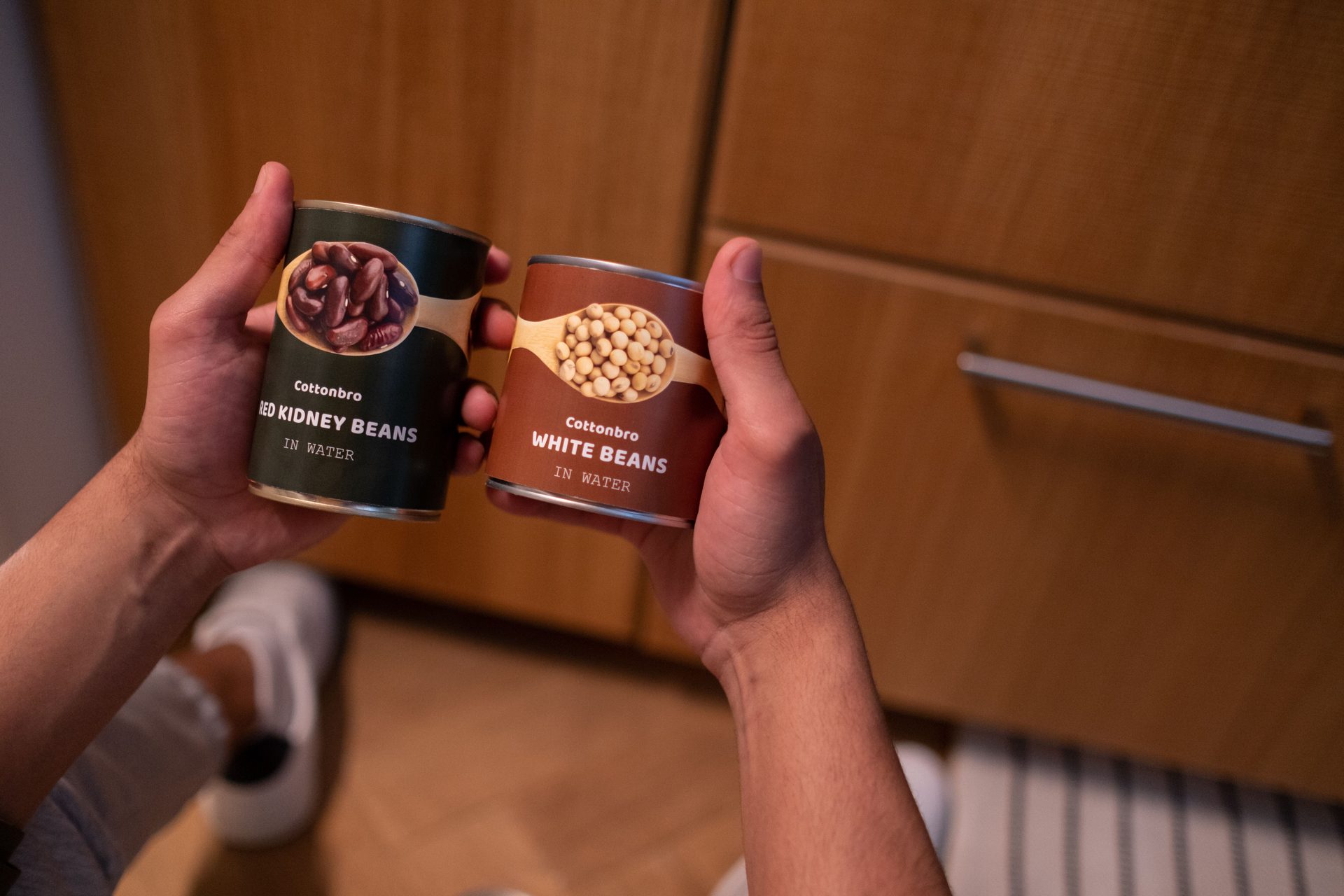
Canned beans are one of the most practical items you can keep in an American kitchen. They’re affordable, protein-packed, and ready to go at a moment’s notice — whether you’re building a quick weeknight chili, tossing together a burrito bowl, or stretching a soup. But what happens when you only need half a can? Once open, canned beans are at risk of spoiling more quickly, which is exactly why freezing them is a smart move.
The short answer is yes — you can absolutely freeze canned beans. While you should avoid putting unopened cans of beans in the freezer due to possible food safety risks, it’s perfectly fine to store leftover beans from opened cans. This guide walks you through everything: what freezing does to the texture, how to prep and pack beans correctly, how long they’ll keep, and how to use them once thawed.
Can You Freeze Canned Beans?
Yes — and it’s one of the easiest ways to cut down on food waste in your kitchen. Canned beans only last about three or four days in the refrigerator after opening. Any longer, and they will begin to turn — growing harmful pathogens like bacteria and mold. Freezing sidesteps that problem entirely.
There is one important rule to follow before you start: never put the can itself in the freezer. Placing unopened beans in the freezer can easily compromise the stability of the can. The contents of the can will naturally get bigger as they freeze, which puts pressure on the exterior of the can. This pressure causes the can to swell and potentially rupture, which means air can get inside.
The USDA recommends transferring opened beans to plastic or glass containers before refrigerating or freezing — not leaving them in the metal can. Once you’ve made that transfer, the freezer is a perfectly safe and practical storage option.
Pro Tip: If you regularly cook with canned beans, freeze leftovers in 1-cup portions. Most recipes call for roughly that amount, so you can pull out exactly what you need without thawing a large batch.
Beans are a nutritional powerhouse worth preserving. They’re a staple in whole plant-based diets and appear on virtually every list of superfoods for a healthy heart — so making the most of every can makes good sense.
Does Freezing Change the Texture or Taste of Canned Beans?
Freezing does have some effect on canned beans, but it’s generally minor and manageable. Freezing canned beans can alter their texture and flavor due to the formation of ice crystals, which disrupt the cell walls of the beans. When thawed, beans may become softer or even mushy, which might be undesirable depending on the intended culinary use.
That said, the change is often barely noticeable when the beans are used in cooked dishes. Freezing is a great way to store leftover canned beans. The texture may become slightly softer upon thawing, but this is often unnoticeable in dishes like soups, stews, chili, or refried beans.
On the flavor side, the news is even better. Leftover canned beans, when frozen correctly, deliver the same delicious taste and texture as freshly opened beans. The key phrase there is “when frozen correctly” — proper prep makes a real difference.
From a nutritional standpoint, you have nothing to worry about. Freezing canned beans does not compromise their protein or fiber content. That means all the benefits that make beans a go-to ingredient for cancer-fighting nutrients and fibroid-supportive diets remain fully intact after freezing.
How to Freeze Canned Beans the Right Way
Good prep is the difference between beans that come out of the freezer tasting great and beans that turn into mush. Follow these steps for the best results:
- Drain and rinse the beans. Drain and rinse the beans thoroughly, then pat them dry. Rinsing canned beans can reduce their sodium content by up to 40% and removes the starchy canning liquid that can affect texture.
- Let them cool. Never put piping hot beans in the freezer. Let them reach room temperature — or chill them in the fridge first — to avoid raising the temperature of your freezer and risking other foods.
- Choose your container. Reusable glass or plastic containers are fine, provided they have a tightly sealed lid. Otherwise, a freezer-safe bag will suffice.
- Portion them out. Don’t freeze the whole batch in one giant block. Use freezer-safe bags or containers and freeze them in small portions so you only thaw what you actually need.
- Add a little water (optional but helpful). It’s a good idea to give the beans a rinse prior to freezing, and you can fill the container or bag with fresh water. Doing so allows beans to retain their moist texture and helps you avoid freezer burn.
- Remove excess air. If using freezer bags, squeeze out as much air as possible before sealing.
- Label and date the container. Label the container with the contents and date so you always know what’s in there and when it was frozen.
Pro Tip: After draining and rinsing, spread the beans on a baking sheet to flash freeze before transferring them to a freezer-safe bag. This prevents the beans from clumping together into a solid block, making it easy to scoop out just what you need.
How Long Can You Freeze Canned Beans?
Freezer life depends on the type of bean, but most canned beans follow a similar timeline for best quality. Here’s a quick reference:
| Bean Type | Best Quality (Frozen) | Safe Beyond That? |
|---|---|---|
| Black beans | Up to 2 months | Yes, if kept at 0°F |
| Baked beans | Up to 2–6 months | Yes, if kept at 0°F |
| Refried beans | Up to 2–6 months | Yes, if kept at 0°F |
| Green beans | Up to 2 months | Yes, if kept at 0°F |
| Cooked beans (general) | Up to 6 months | Yes, if kept at 0°F |
Properly stored canned black beans will maintain best quality for about 2 months, but will remain safe beyond that time. Baked beans can stay frozen for up to six months. Beyond that, they may still be safe to eat, but their texture and flavor might not be as good.
Frozen cooked beans can last for up to six months in general — so use that as your outer target for any variety. The sooner you use them within that window, the better the quality. Always write the date on the container so you’re not guessing later.
How to Thaw Frozen Canned Beans
How you thaw your beans matters just as much as how you freeze them. The wrong method can lead to mushy beans or, worse, a food safety issue.
The safest thawing method, recommended by the USDA, is to place the frozen beans in the refrigerator overnight. This slow, cold thaw preserves texture and keeps the beans out of the temperature danger zone the entire time.
If you’re short on time, you have two other options. For quicker thawing, you can use the defrost setting on a microwave or place them in a sealed bag in a bowl of cold water. Avoid thawing beans on the kitchen counter.
Leaving frozen items out on the counter may lead to bacterial growth. If beans reach 40°F, they enter the “danger zone,” making them unsafe to eat. Always stick to one of the three approved methods: refrigerator, cold water, or microwave.
Once thawed, reheat the beans on the stove over low heat, stirring occasionally. This prevents them from sticking to the pot and ensures they heat evenly.
Pro Tip: For soups, stews, and chili, you don’t even need to thaw the beans first. When adding frozen beans to recipes such as soups, stews, and chilis, add them at the simmer stage to avoid splitting.
Can You Refreeze Canned Beans After Thawing?
Technically you can refreeze beans that have been thawed in the refrigerator — they won’t become unsafe — but it’s not something worth doing in practice. Refreezing food that has been thawed could make it too soft, and beans that were already slightly softened by the first freeze will turn noticeably mushy after a second round.
The better approach is to freeze beans in small, single-use portions from the start. That way you only thaw what you need for a given recipe, and you never end up with a half-used bag of thawed beans you feel pressured to refreeze. Freezer-safe zip bags work especially well here because you can flatten them into thin layers that thaw quickly and stack neatly.
If you thawed beans using the microwave or the cold-water method, use them right away. If you need to use the beans immediately, defrost them in the microwave by heating on low in 30-second intervals. As soon as you’ve finished defrosting the beans, cook them immediately. The water they release after thawing is enough to make them mushy, so you’ll want to heat them up as soon as you can.
How to Use Frozen Canned Beans (Best Uses After Freezing)
Frozen and thawed beans are best suited to cooked applications where a slightly softer texture is either unnoticeable or actually desirable. Here are the best ways to put them to work:
- Soups and stews: Drop them into a soup to make it richer and heartier, like a classic pasta e fagioli or a slow-simmered minestrone. The softened texture blends right in.
- Chili: This is arguably the ideal use for frozen beans. They absorb the spiced broth beautifully and hold up well through the cooking process.
- Burritos and tacos: Add them to fill up a tasty batch of vegetarian tacos. Refried-style beans especially shine here after freezing.
- Mashed or refried beans: The thawed beans will be best suited to cooked dishes such as sauces, soups, and casseroles — and mashing them into a smooth refried bean spread is a perfect fit.
- Grain bowls and rice dishes: Toss thawed beans into a burrito bowl with brown rice, roasted veggies, and salsa. They reheat quickly and add a satisfying protein punch.
- Dips and spreads: Blend thawed white beans into a creamy dip with olive oil and garlic, or puree black beans into a smooth spread for toast or crackers.
For dishes where beans are a visual star — like a three-bean salad or a cold bean-and-corn relish — stick with freshly opened canned beans instead. The texture difference will be more noticeable in those applications. You can also explore using beans in creative ways beyond the standard pantry staples, or lean on them as part of a liver-supportive diet.
Beans are also a beloved ingredient across global cuisines — from traditional Egyptian cooking to South African food traditions — so your frozen stash can fuel far more than just American-style chili.
Signs That Frozen Canned Beans Have Gone Bad
Frozen beans are generally very safe, but they can still go bad — especially if they weren’t stored properly or have been in the freezer too long. Here’s what to watch for:
- Off smells: Pay attention to the smell, as sour odors and other off-putting aromas usually indicate spoilage. Fresh beans have a mild, neutral smell.
- Discoloration or mold: After thawing the beans, open the container to check for any off smells, discoloration, or signs of mold. If you see or smell anything unusual, it’s best to throw them away.
- Slimy texture: If the beans have an odd texture or seem unusually slimy, that’s another indication that they’re well past their best.
- Ice crystals throughout the beans: Beans that have ice crystals or a slimy texture should also be thrown away. Heavy ice crystal formation inside the container (not just on the surface) often signals freezer burn or temperature fluctuation.
- Sour taste: Beans that have a slimy texture should be thrown away. They may not always display physical signs of spoilage, but if they taste sour, it’s best to discard them.
- Bubbles in the liquid: Bacteria generate gas as they feed, so any bubbles inside the container are suspect, as they often indicate bacterial growth.
The primary safety risk with canned beans is botulism from improperly sealed or damaged cans. The CDC emphasizes that you should never taste food to determine if it is spoiled; discard any can that shows signs of spoilage immediately. When in doubt, throw it out — beans are cheap enough that it’s never worth the risk.
Keeping your pantry and freezer well-organized is also part of good food safety. If you’re stocking up on canned goods for the holidays, label everything with a date so nothing gets pushed to the back and forgotten.
Frequently Asked Questions
Can you freeze beans directly in the can?
No. You should never freeze beans in the tin you bought them in. The metal can’t handle the expansion that happens when food freezes, which could lead to the can bursting. Transfer the beans to a freezer-safe dish or tub instead.
How long do canned beans last in the fridge after opening?
Once opened and transferred to an airtight container, leftover canned beans will last for 3–4 days in the refrigerator, as recommended by the FDA for food safety.
Do I need to cook canned beans before freezing them?
No. Canned beans are already pre-cooked during the canning process. Canned beans are pre-cooked and safe to eat without further heating. You can freeze them straight from the can (after draining, rinsing, and transferring to a proper container).
Does rinsing canned beans before freezing make a difference?
Yes, in a few ways. Rinsing canned beans can reduce their sodium content by up to 40%. It also removes the starchy liquid that can sometimes affect the texture and clarity of your dish. Rinsing before freezing gives you a cleaner-tasting bean when you use them later.
Can you freeze all types of canned beans?
Almost all types of beans will freeze well, as long as you use an airtight container. Black beans, pinto beans, kidney beans, chickpeas, cannellini beans, and refried beans all freeze successfully. Green beans are the one variety where the texture trade-off is most noticeable, since canned green beans are already very soft, so freezing and thawing them usually makes them even mushier.
What’s the best container for freezing canned beans?
You can freeze beans in a variety of ways: glass containers, glass jars or mason jars, plastic bags like zip-lock bags and reusable silicone bags, or a plastic container with a firm seal on the lid. The most important factor is an airtight seal to prevent freezer burn. For saving space, flat freezer bags are hard to beat — they stack easily and thaw fast.