Can You Freeze Ciliegine? What Happens and How to Do It Right

October 25, 2026
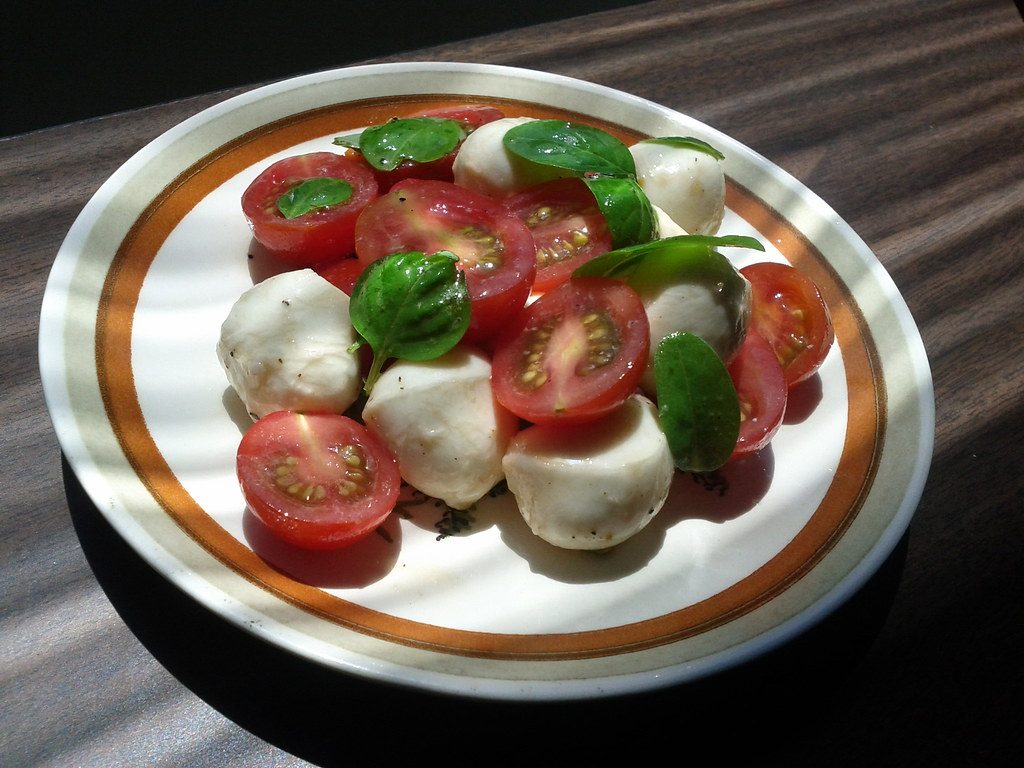
Ciliegine are those small, cherry-sized fresh mozzarella balls you find floating in brine at most American grocery stores. They’re mild, creamy, and incredibly versatile — perfect for caprese skewers, pasta salads, charcuterie boards, and quick weeknight dinners. But what happens when you buy more than you can use before the expiration date?
The short answer is yes, you can freeze ciliegine — but you should go in with realistic expectations. Fresh mozzarella varieties like ciliegine contain at least 52% moisture and are packed in whey or brine, and freezing causes irreversible syneresis (whey expulsion), a rubbery texture, and off-flavors from lipid oxidation. That said, if you plan to use them in cooked dishes, freezing is a perfectly reasonable way to cut food waste.
This guide walks you through everything you need to know: what freezing does to ciliegine, how to freeze them properly, how long they last, and which dishes work best with thawed ciliegine so nothing goes to waste.
Can You Freeze Ciliegine?
Ciliegine mozzarella are small, cherry-sized balls of fresh pasta filata cheese originating from Italy. They are scaled-down versions of regular mozzarella di bufala or fior di latte, known for their mild flavor and creamy texture. Made with pasteurized cow’s milk, they have a fresh and delicate taste, a creamy appearance, and an elastic yet stringy texture — porcelain white in color, light, and versatile.
You can technically freeze ciliegine, but it is not ideal for fresh applications. Fresh, high-moisture mozzarella suffers significant textural degradation when frozen: ice crystals rupture the delicate curd matrix, expelling whey upon thawing and yielding a spongy, crumbly, less elastic product unsuitable for caprese or fresh applications.
The key rule to remember: freeze ciliegine only if you plan to melt or cook them. Frozen-and-thawed ciliegine won’t work well in fresh applications like caprese salads, but they are usually good enough when melted in a cooked dish. Also note that you can freeze mozzarella balls before they are marinated. Once the mozzarella balls are in olive oil and marinating, you cannot freeze them.
Pro Tip: BelGioioso, one of the most common ciliegine brands in US grocery stores, labels their packaging “Do Not Freeze.” If your package carries that warning, follow it — and plan to use the cheese fresh or refrigerate it in its brine until the use-by date.
Does Freezing Change the Texture or Taste of Ciliegine?
Yes — and the change is significant enough that you should factor it into your decision before freezing. Water expands when frozen, forming ice crystals that disrupt the cheese’s structure. These crystals break down the protein structure, resulting in a more crumbly or grainy texture after thawing. The cheese may also release water, becoming wetter and less elastic.
Here is a quick comparison of what you get before and after freezing:
| Quality Factor | Fresh Ciliegine | Frozen and Thawed Ciliegine |
|---|---|---|
| Texture | Soft, springy, elastic | Crumbly, grainy, watery |
| Flavor | Mild, milky, fresh | Slightly dulled, less bright |
| Moisture | Moist, brine-packed | Releases excess liquid on thaw |
| Best Use | Salads, skewers, boards, fresh bites | Pizza, pasta bakes, paninis, soups |
| Appearance | Smooth, round, glossy | May look slightly misshapen or wet |
Freezing can slightly alter the taste of fresh mozzarella, and the primary effect is often a reduction in the cheese’s subtle, fresh flavor. The taste difference might be more noticeable if you consume the thawed mozzarella on its own, but when used in cooked dishes with other flavorful ingredients, the subtle changes in taste are often masked, making the difference less apparent.
If you are on the fence, try this: freeze a couple of ciliegine first, thaw them, and melt them onto a piece of toast or into a pasta dish. If the result works for you, freeze the rest with confidence. If not, use the remaining fresh ciliegine within their refrigerator window and skip freezing next time. You can find more ideas for making the most of dairy and other whole, minimally processed foods to reduce kitchen waste.
How to Freeze Ciliegine the Right Way
Proper technique makes a real difference in how well ciliegine hold up in the freezer. The two biggest enemies are excess moisture and air — both accelerate texture breakdown and freezer burn. Follow these steps to get the best possible result.
- Drain and pat dry. Drain the liquid and excess moisture from the cheese balls — paper towels are handy here. Water creates ice crystals when frozen, and you want as few crystals as possible.
- Flash freeze on a baking sheet. Spread the ciliegine in a single layer on a baking sheet lined with parchment paper and freeze for 1–2 hours, or until the cheese is firm. This prevents the pieces from sticking together during long-term storage.
- Transfer to airtight packaging. Once flash frozen, transfer them to an airtight container or freezer bag. Remove as much air as possible to prevent freezer burn. You can also wrap the cheese tightly in plastic wrap before placing it in a freezer bag.
- Label and date the bag. Label the container or bag with the date and the type of mozzarella. This helps you keep track of how long it has been frozen and ensures you use it within a reasonable timeframe.
Important Note: Never freeze ciliegine while they are still submerged in brine or water. Always drain, pat dry, vacuum-seal or double-wrap in parchment plus heavy-duty freezer bags, and freeze at or below 0°F (−18°C). Freezing them in liquid accelerates ice crystal damage and results in a much soggier, more degraded cheese after thawing.
How Long Can You Freeze Ciliegine?
Fresh mozzarella can generally be frozen for up to two to three months without significant degradation in quality. Beyond this timeframe, the cheese will become increasingly susceptible to freezer burn and develop an undesirable texture and flavor.
For reference, here is a storage timeline to keep in mind:
| Storage Method | Estimated Shelf Life | Notes |
|---|---|---|
| Refrigerator (unopened, in brine) | 1–2 weeks | Check package expiration date |
| Refrigerator (opened) | 3–5 days | Keep submerged in brine or fresh water |
| Freezer (properly wrapped) | Up to 2–3 months | Best quality within the first 6–8 weeks |
The shelf life of ciliegine mozzarella is typically 1–2 weeks when stored properly in brine in the refrigerator — always check the expiration date on the packaging. If you know you will not finish them in time, transfer them to the freezer before the use-by date, not after.
Maintaining good overall eating habits — including smart food storage — goes hand in hand with a heart-healthy diet built around quality ingredients.
How to Thaw Frozen Ciliegine
Thawing is just as important as freezing. Rush it, and you will end up with a watery, rubbery mess. Take it slow, and the ciliegine will hold together well enough for cooked applications.
The best way to thaw frozen fresh mozzarella is slowly in the refrigerator. Place the wrapped mozzarella in the refrigerator for several hours, or preferably overnight, allowing it to gradually defrost. This slow thawing process helps minimize the changes in texture and flavor compared to rapid thawing methods.
Avoid thawing the mozzarella at room temperature or in the microwave, as these methods can lead to uneven thawing and further degradation of the cheese’s texture. Thawing at room temperature or microwaving on high power can also lead to bacterial growth and texture degradation.
Once thawed, pat the ciliegine dry with paper towels to remove any excess liquid released during thawing. Do not return them to fresh brine — use them promptly in your recipe. Once opened, mozzarella cheese should be consumed within three to five days when kept refrigerated to maintain its quality.
Pro Tip: If you are adding thawed ciliegine directly to a hot dish like a pasta bake or pizza, you do not need to fully thaw them first. Add them straight from the freezer and let the oven heat do the work — this actually helps preserve what little structure they have left.
Can You Refreeze Ciliegine After Thawing?
No. You should not refreeze ciliegine after they have been thawed. Each freeze-thaw cycle causes additional ice crystal damage to the cheese’s protein structure, and ciliegine are already fragile after the first round. Refreezing will leave you with a grainy, waterlogged product with noticeably off flavor.
Freezing does not kill pathogens, but proper packaging prevents freezer burn and lipid oxidation. Refreezing after thawing also reactivates any bacterial load that was present before the first freeze, which is a food safety concern on top of the quality issue.
The practical solution: portion your ciliegine before freezing. Flash freeze them in small groups — enough for one pizza, one pasta bake, one batch of stuffed chicken — so you only thaw exactly what you need each time. That way, refreezing never becomes tempting.
How to Use Frozen Ciliegine (Best Uses After Freezing)
The golden rule for frozen ciliegine is to use heat. Frozen mozzarella excels where structural integrity is secondary to melt and flavor delivery — baked, layered, or covered preparations. Here are the best ways to put thawed ciliegine to work in your kitchen:
- Pizza topping. Scatter thawed (or still-frozen) ciliegine over homemade or store-bought pizza dough before baking. They melt beautifully and their slightly altered texture becomes undetectable under the heat.
- Pasta bakes and lasagna. Tuck them into baked ziti, layer them into lasagna, or stir them into a hot pasta sauce at the end of cooking. The melt hides any textural changes completely.
- Stuffed chicken or peppers. Ciliegine work well stuffed into chicken breasts or mini pizzas — both applications involve enough heat to mask texture changes.
- Paninis and grilled sandwiches. Press a few thawed ciliegine into a panini with prosciutto and sun-dried tomatoes. The grill press melts them down and the result is indistinguishable from fresh.
- Soups and baked dips. Drop thawed ciliegine into tomato soup or a warm spinach-artichoke dip right before serving. They melt into creamy pockets of cheese throughout the dish.
- Shakshuka or baked eggs. Nestle a few into the tomato-egg mixture during the last few minutes of cooking for a melty, savory finish.
What to avoid: do not use thawed ciliegine in caprese salads, on charcuterie boards, or in any preparation where the cheese is served cold and uncooked. The texture will be noticeably off, and the delicate fresh flavor will be muted. For those applications, always use fresh ciliegine straight from the brine.
Cheese and dairy products like ciliegine can also contribute to a well-rounded diet. If you are curious about how dairy and other foods support overall wellness, explore these fibroid-supportive foods and learn about foods that promote healthy skin as part of a balanced approach to eating.
Signs That Frozen Ciliegine Has Gone Bad
Even in the freezer, ciliegine can go bad — especially if they were not packaged well or if they have been stored too long. Here is what to watch for before you cook with them:
- Freezer burn. White, dry, or leathery patches on the surface of the cheese balls are a sign of freezer burn. The affected areas will taste bland or papery. You can cut away small spots, but heavily burned ciliegine are best discarded.
- Sour or off smell. Signs that mozzarella cheese is expiring or has expired include the presence of mold, a sour smell, or an off-putting taste. If thawed ciliegine smell sour, fermented, or otherwise unpleasant, do not use them.
- Visible mold. Any pink, blue, green, or black mold on the surface means the cheese should be thrown out entirely. Unlike hard cheeses, soft fresh mozzarella cannot be salvaged by cutting away a moldy section — discard the whole batch.
- Unusually yellow or gray color. Fresh ciliegine are porcelain white. A yellowish or grayish tint after thawing, combined with an off smell, is a sign of spoilage or lipid oxidation.
- Slimy texture. A slimy or sticky surface on thawed ciliegine — beyond the normal moisture released during thawing — signals bacterial growth. Discard immediately.
- Exceeded storage window. If your frozen ciliegine have been in the freezer for more than three months, quality is likely compromised even if they look acceptable. When in doubt, throw them out.
Important Note: Freezing does not kill bacteria in cheese. Freezing halts microbial growth but does not kill Listeria monocytogenes, Salmonella, or Staphylococcus aureus. Always freeze ciliegine that are fresh and within their use-by date — never freeze cheese that is already on its way out.
Frequently Asked Questions
What exactly are ciliegine?
Ciliegine means “cherries” in Italian, and the name reflects the bite-sized, cherry-shaped rendition of classic fresh mozzarella. Ciliegine and bocconcini are both small mozzarella balls, but bocconcini are generally larger — around the size of eggs — while ciliegine are cherry-sized. You can typically find them in the specialty cheese or deli section of most US grocery stores, often sold by brands like BelGioioso, Crave Brothers, or Murray’s.
Can I freeze marinated ciliegine?
No. You can freeze mozzarella balls before they are marinated, but once the mozzarella balls are in olive oil and marinating, you cannot freeze them. The oil separates and the herbs break down during freezing, leaving a degraded product after thawing.
How do I store ciliegine in the fridge if I am not freezing them?
To prevent ciliegine from drying out, always store them in their original brine or a saltwater solution in the refrigerator, and ensure the cheese is fully submerged. For optimal quality, mozzarella should be kept between 34°F and 40°F.
Do ciliegine need to be brought to room temperature before serving?
Allow ciliegine to come to room temperature for 15–20 minutes before serving to enhance their flavor and texture. This applies to fresh ciliegine served cold in salads or on boards — not to thawed ciliegine headed into a hot dish.
Are there any health considerations with ciliegine?
Ciliegine are a source of protein and calcium, and they fit well into a balanced diet. If you are mindful of what you eat, you may also want to explore powerful nutrients and foods that support cellular health and foods that support liver function as part of a broader wellness strategy.
Can I use frozen ciliegine straight from the freezer without thawing?
Yes — in cooked applications only. If you are topping a pizza, adding them to a pasta bake, or dropping them into a hot soup, you can add frozen ciliegine directly and let the cooking heat thaw and melt them. Do not eat them frozen or partially thawed without cooking.
What is the difference between ciliegine and perline?
Ciliegine are smaller than bocconcini and about the size of cherries, excellent for skewering with cherry tomatoes and basil. Ovolini are larger than ciliegine but smaller than bocconcini, with an egg-shaped form. Perline are the tiniest mozzarella pearls, often used in gourmet salads, soups, or as a decorative cheese element. All of them follow the same freezing rules as ciliegine.