Can You Freeze Pineapple Upside Down Cake? (Yes — Here’s How)

November 1, 2026
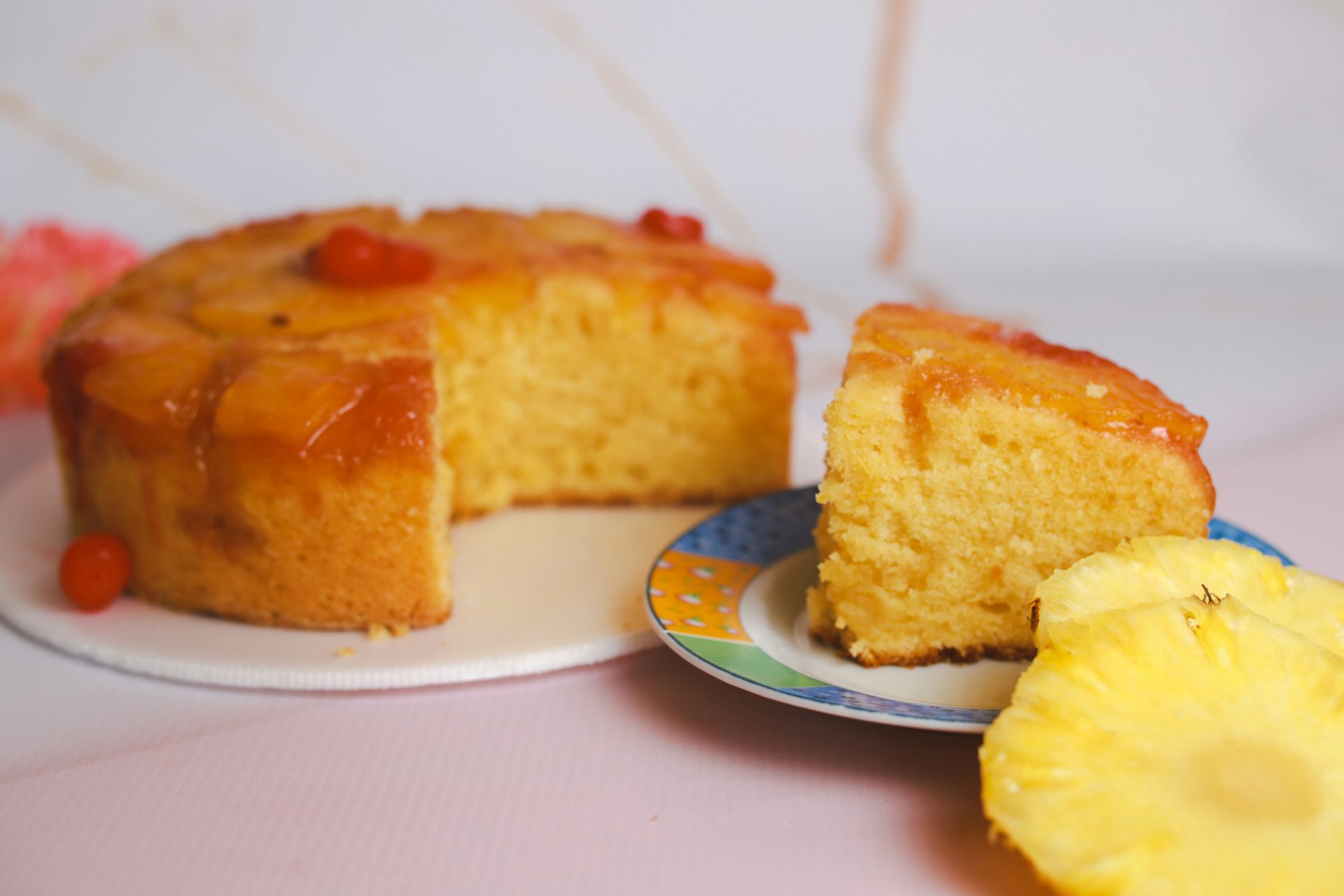
Pineapple upside down cake is one of those American classics that tends to disappear fast at the table — but not always fast enough. Whether you baked one for a summer cookout, a holiday potluck, or just a Tuesday craving, you might find yourself with more cake than you can eat in a day or two. That raises a fair question: can you freeze pineapple upside down cake?
The short answer is yes. Most baking experts agree it can be frozen successfully, though the caramelized pineapple topping requires a little extra care during wrapping and thawing. This guide covers everything you need to know — from proper wrapping technique to the best ways to serve it after freezing.
Can You Freeze Pineapple Upside Down Cake?
You can freeze leftover pineapple upside down cake, though it’s never quite as good as a freshly baked one. That said, freezing is far better than letting it go to waste, and with the right technique, the results are still very enjoyable.
It’s worth noting that baking authorities are not unanimous on this. Betty Crocker does not recommend freezing pineapple upside down cake, noting that freezing and thawing will change the texture and moistness of the cake. On the other hand, sources like Live Well Bake Often , Taste of Home , and House of Nash Eats all provide specific freezing instructions, indicating it can be done successfully when wrapped well.
Important Note: Sources differ on whether freezing is recommended. The key variable is the caramelized topping, which is more sensitive to moisture changes than the cake crumb itself. If you freeze carefully and thaw slowly, most home bakers report good results.
You can make a couple of cakes at once — eat one now and freeze the other, or save part of one and toss it in the freezer until you’re ready to serve. Freezing works especially well if you plan ahead and wrap the cake before it sits in the fridge for days.
Does Freezing Change the Texture or Taste of Pineapple Upside Down Cake?
Freezing does affect this cake more than it affects a standard layer cake, and that comes down to two things: the caramelized topping and the moisture-rich pineapple fruit.
Freezing and thawing will affect the texture of the topping. The caramel-and-brown-sugar layer that makes this cake so distinctive can soften and become slightly less glossy after a freeze-thaw cycle. Condensation forming when the cake returns to room temperature can soften the caramelized pineapple topping and make the cake’s crumb denser, losing some of its light texture.
Pineapple upside down cake tastes best fresh and doesn’t keep as well as most layer cakes. The fruit topping continues to release moisture as the cake sits, which means the crumb can become a bit denser over time regardless of whether you freeze it or just refrigerate it.
The good news is that the pineapple and brown sugar flavors hold up well in the freezer. Most people find the taste remains very close to fresh, even if the topping loses a little of its original texture. Warming the cake after thawing helps restore much of what freezing takes away.
Pro Tip: The cake crumb freezes better than the caramelized topping does. If preserving the topping’s appearance matters to you — say, for a party — bake fresh. For everyday enjoyment, freezing works just fine.
How to Freeze Pineapple Upside Down Cake the Right Way
Proper wrapping is the single most important factor in getting good results. Exposed surfaces dry out and pick up freezer odors quickly, so you want an airtight seal before the cake ever goes in.
Follow these steps for the best outcome:
- Cool completely first. Make sure your cake is fully cooled down to room temperature before freezing. Since the outside of the cake creates a caramel with the pineapple, you’ll want to first freeze the cake uncovered on a sheet pan for 2 hours until the outside is fully frozen. This prevents the plastic wrap from sticking to the sticky caramel surface.
- Wrap tightly in plastic wrap. Then wrap the cake well with both a layer of plastic wrap and then a layer of foil. This method ensures the plastic wrap doesn’t become frozen to the cake.
- Add a second layer of protection. You can either wrap individual slices or the whole cake tightly with plastic wrap, store it in a freezer bag or container, and then place that inside another larger zip-top bag before freezing. Double-bagging keeps freezer burn away.
- Label and date the package. Write the date on the bag or container so you know exactly how long it’s been stored.
- Lay flat in the freezer. Store the cake or slices flat so the topping doesn’t get pressed out of shape.
You can freeze the cake whole or in individual slices. Wrapping individual slices makes it easy to pull out just what you need without thawing the entire cake. Slices also thaw faster, which is convenient for weeknight desserts.
How Long Can You Freeze Pineapple Upside Down Cake?
To freeze, let the cake cool completely to room temperature, then wrap tightly in a few layers of storage wrap. The cake can be stored in the freezer for up to three months. Most baking sources agree on the two-to-three-month window as the practical limit for best quality.
| Storage Method | How Long It Lasts | Notes |
|---|---|---|
| Room temperature | 1–2 days | Cover with a cake dome; keep away from direct sunlight |
| Refrigerator | Up to 3 days | The cake will become softer as it absorbs the pineapple juice over time |
| Freezer (whole cake) | 2–3 months | Double-wrap in plastic and foil; pre-freeze before wrapping |
| Freezer (individual slices) | 2–3 months | Thaws faster; easier for single servings |
The cake is technically safe to eat beyond three months if kept at a consistent 0°F, but the quality — especially the topping — declines noticeably after that point. For the best eating experience, aim to use frozen pineapple upside down cake within two months.
How to Thaw Frozen Pineapple Upside Down Cake
Thawing slowly is just as important as freezing carefully. Rushing the process with a microwave can make the caramel topping watery and the crumb rubbery.
The best method: thaw the cake overnight in the refrigerator and let it come to room temperature before serving. This slow, even thaw keeps the topping intact and gives the crumb time to reabsorb any moisture that shifted during freezing.
If you’re short on time, you can thaw the cake at room temperature for a few hours. Place it on the counter still wrapped, then unwrap once it’s fully thawed to prevent condensation from pooling on the surface.
Avoid using a microwave to thaw, as it can alter the texture, making it soggy or dry. The microwave heats unevenly, which is especially hard on the caramelized pineapple layer.
Pro Tip: Once thawed, warm individual slices in a 300–350°F oven for 5–10 minutes, loosely covered with foil. Thaw the frozen cake on the counter before rewarming in a 350°F oven for 5–10 minutes before serving. This restores much of the fresh-baked character of the topping.
Can You Refreeze Pineapple Upside Down Cake After Thawing?
Refreezing is not recommended. Once the cake has thawed — especially the caramelized pineapple topping — the texture degrades significantly with a second freeze-thaw cycle. The fruit releases more moisture, the caramel becomes sticky and uneven, and the cake crumb can turn gummy.
The smarter approach is to freeze in individual slices from the start. Wrapping individual slices and storing them in a freezer bag or container means you only thaw what you plan to eat, so there’s no leftover thawed cake sitting around. This also makes portion control easy if you’re pulling out a slice or two at a time.
If you’ve already thawed the whole cake and have leftovers, refrigerate the remaining slices and eat them within two days rather than attempting to refreeze them.
How to Use Frozen Pineapple Upside Down Cake (Best Uses After Freezing)
Thawed pineapple upside down cake is versatile. The slightly softer texture that comes from freezing actually works in your favor for some preparations. Here are the best ways to serve and use it:
- Warm with ice cream. Serve with a small scoop of vanilla, toasted almond, or maple walnut ice cream on the side. The cold ice cream against the warm, gooey topping is a classic pairing that masks any slight texture change from freezing.
- Reheat in the oven. Cover multiple pieces with foil and warm in a 350°F oven for 5–10 minutes if you’re reheating several slices at once. This is the best method for restoring the caramel’s consistency.
- Quick microwave warm-up. If you prefer the cake warm, place individual pieces on a microwave-safe plate and heat on high in 15-second intervals, checking periodically. Keep an eye on it to prevent overheating, as the caramel topping can become too thin.
- Serve with whipped cream. A dollop of freshly whipped cream adds richness and helps balance the denser texture that can come from freezing and thawing.
- Use as a base for a trifle. If the topping has softened significantly, crumble the cake into layers with whipped cream and fresh fruit for an easy no-fuss trifle. The pineapple flavor shines in this format.
Thinking about other ways to make the most of your baked goods and pantry staples? The guide to whole plant-based foods on Homequirer covers smart approaches to ingredient use that apply well in a home kitchen.
Signs That Frozen Pineapple Upside Down Cake Has Gone Bad
Even properly frozen cake can go bad if stored too long or if the wrapping fails. Here’s what to look for before serving:
- Freezer burn. White or grayish patches on the surface of the cake or topping indicate moisture loss. The affected areas will taste dry and papery. You can cut them away, but if the burn is widespread, the cake is best discarded.
- Off odors. If the cake is not properly covered, it can absorb odors from the fridge or freezer, which might alter the taste. A strong freezer smell that doesn’t fade after thawing is a sign the cake has absorbed off-flavors.
- Mold. Signs of spoilage include mold, off odors, or a soggy texture. Mold appears as fuzzy spots, typically green, white, or black. Discard the entire cake immediately if you see any.
- Extremely soggy or slimy topping. Some softening of the caramel is normal after thawing. But if the pineapple topping has turned slimy or the cake smells fermented, it has gone bad.
- Ice crystals throughout the crumb. A small amount of frost on the outer wrapping is normal. Heavy ice crystals throughout the cake itself mean it was exposed to temperature fluctuations, and the texture will be severely compromised.
When in doubt, trust your nose. A fresh pineapple upside down cake smells sweet and buttery. If the thawed cake smells sour, musty, or just “off,” it’s safer to throw it out.
For more on making smart food choices and understanding how different foods affect your body, check out this overview of superfoods for a healthy heart and the guide to foods that support healthy skin.
Frequently Asked Questions
Can you freeze pineapple upside down cake made from a box mix?
Yes. Box-mix versions freeze the same way as scratch-made cakes. The technique — cool completely, pre-freeze the caramel surface, then double-wrap — applies regardless of how the cake was made.
Does pineapple upside down cake need to be refrigerated?
Pineapple upside down cake does need to be refrigerated after you bake and allow it to cool. If you don’t refrigerate it, it can go bad rather fast. You can store it in the fridge for up to three days.
Can you freeze pineapple upside down cake with fresh pineapple?
You can, but it’s trickier. Fresh pineapple releases more liquid, which can affect the cake. That extra moisture makes the topping more prone to becoming watery after thawing. Canned pineapple is the better choice if you know you’ll be freezing the cake.
How do you keep pineapple upside down cake from getting soggy after thawing?
Pat the canned pineapple dry before you add it to the pan to avoid too much moisture in the topping. After thawing, warm the cake in the oven rather than the microwave, and serve promptly rather than letting it sit at room temperature for hours.
Can you freeze pineapple upside down cake in the pan?
It’s best not to. Metal pans conduct temperature quickly and unevenly, and the caramel can stick to the pan after freezing. Cool the cake, flip it out of the pan first, then freeze it wrapped on a plate or sheet pan before transferring to a bag.
How long does pineapple upside down cake last at room temperature?
You can only keep pineapple upside down cake at room temperature for about one day. After that, the fruit topping begins to release moisture and the risk of spoilage increases. Move it to the fridge or freezer if you won’t finish it the same day.
If you enjoy exploring classic American desserts and food traditions, Homequirer has a range of food guides worth browsing — from food festivals in Texas to a look at famous foods in Boston and even food festivals around the world.