Can You Freeze Ham Sandwiches? Everything You Need to Know

November 1, 2026
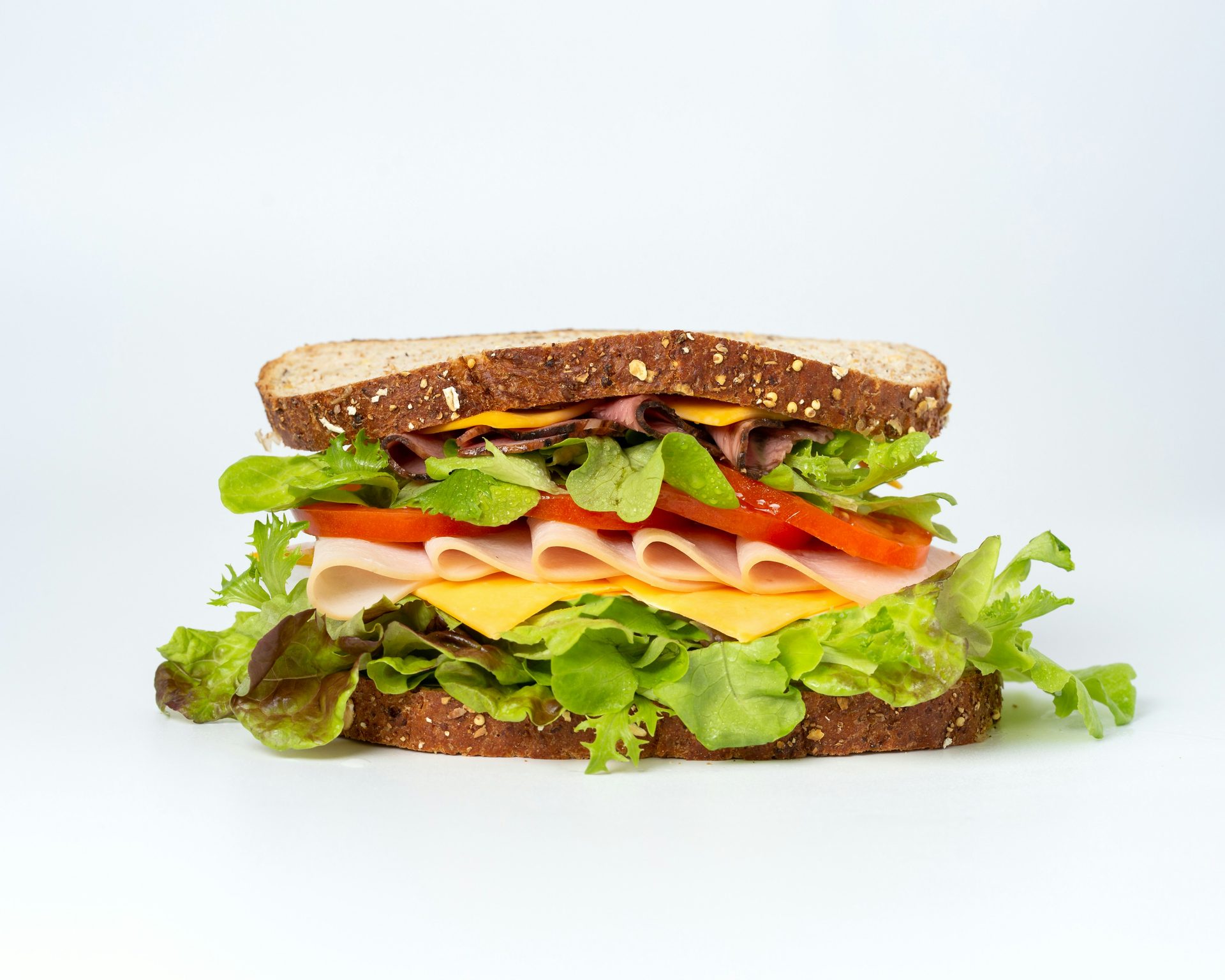
Ham sandwiches are a staple in American households — from weekday school lunches to post-holiday leftover meals. But what happens when you make too many, or you want to get a week’s worth of lunches done in one shot? Freezing is a practical solution that most people overlook.
The short answer is yes — you can absolutely freeze ham sandwiches. The longer answer involves knowing which ingredients survive the freezer, how to wrap them properly, and what to expect when you thaw them. This guide walks you through every step so you get the best results every time.
Can You Freeze Ham Sandwiches?
Yes, you can make sandwiches ahead of time and freeze them — it’s a real time-saver, especially for kids’ lunches. Ham sandwiches, in particular, hold up well because the main components — ham, cheese, and bread — all freeze and thaw reliably.
Ham and cheese sandwiches tend to freeze really well and are one of the best options for freezing ahead of time. The key is knowing what to include before freezing and what to add fresh after thawing.
Not every topping is freezer-friendly, though. Lettuce, cucumbers, or tomatoes turn mushy, and mayonnaise or sour cream can separate when thawed. Egg salad or tuna salad also develops an unpleasant texture. Stick to ham, cheese, and bread as your frozen base, then add fresh toppings after thawing.
Pro Tip: If you rely on ham sandwiches for school or work lunches, batch-freeze a week or two worth at once. Pull one out each morning and it will be ready to eat by noon — no daily prep needed.
Does Freezing Change the Texture or Taste of Ham Sandwiches?
For the ham itself, the news is mostly good. When properly frozen, deli ham retains its flavor and texture, making it a great option for future sandwiches. The bread is where things get more nuanced.
Moisture migration is the main issue. When a sandwich freezes, moisture from the filling can seep into the bread during thawing, leaving it soft or slightly damp. You can minimize this by layering ingredients strategically. Mayo, once frozen, can change texture and become more oily — keeping it sandwiched between the ham and cheese (rather than directly on the bread) helps prevent the bread from getting greasy.
Choosing sturdy sandwich bread — whole wheat or white — holds up best. Skip crusty artisan bread that tends to crack. The sturdier the bread, the better it handles the freeze-thaw cycle without falling apart.
As for the ham’s flavor, the texture of the meat may change slightly, becoming drier or more crumbly once thawed, and the flavor can sometimes become slightly bland. This is most noticeable with thin deli slices frozen for longer periods, which is why sticking to the recommended storage window matters.
How to Freeze Ham Sandwiches the Right Way
Getting the assembly order right makes a big difference in the final result. Follow these steps for the best outcome:
- Choose freezer-friendly ingredients. Use ham and cheese as your filling. Hold off on adding lettuce, tomato, raw onion, or condiments like mustard and mayo until after thawing.
- Layer strategically. Lay down cheese on every other slice of bread, then add mayo on top of the cheese, then ham on top of the mayo — this keeps the condiment away from the bread surface.
- Wrap each sandwich tightly. Wrap each sandwich in a plastic bag, parchment paper, or plastic wrap. The goal is to eliminate air pockets that cause freezer burn.
- Bag and label. Label each sandwich with the type and date, then lay them flat in the freezer so they freeze evenly.
If you want to freeze just the ham separately rather than a fully assembled sandwich, wrap each portion of ham in plastic wrap or aluminum foil for extra insurance against freezer burn, or portion the ham into quart-sized freezer bags if smaller increments don’t suit your needs.
Pro Tip: A vacuum sealer gives you the best protection against freezer burn and extends quality life. If you don’t have one, press as much air as possible out of a zip-top freezer bag before sealing — the water displacement method works well for this.
You can also freeze fully assembled sandwiches that have been grilled or pressed. You can freeze sandwiches in their classic uncooked form or grill them before freezing. Both types defrost just fine, and both are delicious cold — you can also reheat grilled freezer sandwiches on a panini press or in a toaster oven.
How Long Can You Freeze Ham Sandwiches?
The ham component is the main factor that determines how long your frozen sandwich stays at peak quality. According to the USDA, cooked ham slices should be frozen for no more than one to two months to retain quality upon thawing.
For fully assembled sandwiches, the bread adds another limiting factor. Eat frozen sandwiches within one to two months for the best taste and texture — they’ll technically last longer, but you may notice a dip in texture or flavor.
Here’s a quick reference for ham sandwich freezer storage:
| Component | Recommended Freezer Time | Notes |
|---|---|---|
| Assembled ham and cheese sandwich | 1–2 months | Best quality within the first month |
| Deli ham slices (separate) | 1–2 months | Per USDA guidelines |
| Cooked whole ham (for future sandwiches) | 1–2 months | Slice before freezing for easier portioning |
| Grilled/pressed ham sandwich | Up to 1 month | Reheat in toaster oven or panini press |
It’s worth noting that freezer storage is for quality only — frozen hams remain safe indefinitely from a food safety standpoint. The time limits above are about taste and texture, not safety.
How to Thaw Frozen Ham Sandwiches
Thawing a frozen ham sandwich is simple, and you have a few options depending on how much time you have.
Refrigerator thaw (best method): Move a sandwich from the freezer to the fridge overnight, or toss it straight into a lunchbox in the morning — by noon it’s thawed and ready to eat. This is the most popular method for school and work lunches in the US.
Cold water thaw (faster): For just the ham component, place the food in a leak-proof package and submerge it in cold tap water, changing the water every 30 minutes — estimate about 30 minutes per pound of ham.
What to avoid: It’s never safe to thaw any meat, including ham, at room temperature in the sink or on the countertop. This applies to the ham in your sandwich as well — room-temperature thawing creates conditions where bacteria can multiply rapidly.
Once thawed, add any fresh toppings you held back — lettuce, tomato, sliced onion, or extra condiments — and the sandwich is ready to eat. Consume thawed ham within three to five days after thawing for the best flavor and safety.
Pro Tip: For grilled or hot ham sandwiches, you don’t need to thaw first. Cook directly from frozen for hot sandwiches like grilled cheese or paninis. Just allow extra time for the heat to work through.
Can You Refreeze Ham Sandwiches After Thawing?
Refreezing a fully assembled ham sandwich is generally not recommended — the bread will suffer the most, becoming soggy and unpleasant after two freeze-thaw cycles. For the ham itself, the situation is a bit more nuanced.
Refreezing is not a problem for ham from a safety standpoint. The quality will not be the same, since it will have lost some moisture when you first thawed it — but as long as you follow safe handling guidelines, your ham should still be okay.
The critical rule: you should have used the fridge to thaw it. If you used a different thawing method — soaking in water or microwaving — do not refreeze. The USDA Food Safety and Inspection Service confirms that if you purchase previously frozen meat at a retail store, you can refreeze it if it has been handled properly.
Refreezing ham that was thawed using cold water or a microwave is not recommended unless it is cooked immediately. When in doubt, use the thawed ham in a cooked dish rather than refreezing it as-is.
How to Use Frozen Ham Sandwiches (Best Uses After Freezing)
A thawed ham and cheese sandwich works exactly like a fresh one for most purposes. But if the bread texture isn’t quite what you hoped for, or you have leftover thawed ham from a batch, there are plenty of ways to put it to good use.
- Classic cold sandwich: Thaw overnight, add fresh toppings, and eat as-is. Works perfectly for lunchboxes.
- Toasted or grilled: If the bread feels a little soft after thawing, toast it in a skillet or toaster oven to restore some crunch. A hot ham and Swiss on toasted bread is a crowd-pleaser.
- Breakfast dishes: Ham works great with any breakfast dish — whether it’s a simple sandwich, omelet, breakfast hash, or a quiche.
- Soups and casseroles: Freezing ham in smaller increments means you can thaw smaller quantities for use in soups, casseroles, sandwiches, and more.
- Ham sliders: Use thawed ham slices to assemble hot sliders. Assembled sliders can be frozen for up to one month and baked straight from frozen for a quick dinner.
- Pizza topping or pasta add-in: Slice up your ham and add it to pasta carbonara, or top a homemade pizza generously with ham.
For more ideas on building nutritious meals around foods you already have on hand, check out this guide to whole plant-based foods that pair well with lean proteins like ham, or browse tips on foods that support healthy skin for balanced meal planning inspiration.
Signs That Frozen Ham Sandwiches Have Gone Bad
Even in the freezer, quality can decline — and in rare cases, a sandwich may not be safe to eat. Here’s what to look for before you take a bite.
Smell: A sour or “off” odor is one of the clearest signs that ham may have gone bad. An off or sour smell, a rancid scent, or any hint of ammonia is evidence that the ham is spoiled and should not be consumed.
Texture and appearance: Freezer burn affects ham by dehydrating its surface, leading to dry patches and a grayish-brown discoloration. While it does not make the ham unsafe to eat, freezer burn can significantly impact texture and flavor — the ham may become tough and flavorless in affected areas. According to the USDA FSIS , freezer burn does not make food unsafe — it appears as grayish-brown leathery spots caused by air contact with the food surface. Simply cut freezer-burned portions away before or after cooking.
Sliminess: Texture is a significant indicator of spoilage — fresh ham should feel firm and moist, while spoiled ham often becomes slimy or sticky to the touch. A slimy texture is a strong sign that bacterial growth has occurred, and the ham should not be consumed.
Color changes: Ham often stays pink after cooking, and some uncured varieties may appear pale or beige — but gray, brown, or green spots inside the meat indicate spoilage.
Bread: If the bread has developed mold (fuzzy green, white, or black spots), discard the entire sandwich. Mold on bread spreads quickly and cannot be safely removed by cutting around it.
Important Note: When in doubt, throw it out. Foodborne illness from spoiled meat is not worth the risk. Always label your frozen sandwiches with the date so you know exactly how long they’ve been stored.
For more on how food choices affect your overall health, explore superfoods for a healthy heart or learn about powerful nutrients and foods that fight cancer.
Frequently Asked Questions
Can you freeze a ham and cheese sandwich?
Yes. Lunch meat and cheese — including turkey, ham, roast beef, or salami — freezes and thaws well. Ham and cheese is one of the best combinations for freezer sandwiches.
Can you freeze a ham sandwich with mayo?
You can, but with a caveat. Mayo, once frozen, can change texture and become more oily — keeping it layered between the ham and cheese (rather than spread directly on the bread) prevents it from making the bread greasy. Alternatively, skip the mayo before freezing and add it fresh after thawing.
How long does a frozen ham sandwich last?
Eat frozen sandwiches within one to two months for the best taste and texture. The ham and bread both start to lose quality beyond that window.
Can you freeze deli ham for sandwiches?
Freezing deli ham is a practical way to keep it fresh for longer periods. You can freeze deli-variety ham for one month without significant loss of quality.
Is it safe to eat a frozen sandwich that was left out to thaw?
No. It’s never safe to thaw any meat, including ham, at room temperature. Always thaw in the refrigerator, in cold water, or in the microwave (if eating immediately). Discard any sandwich that has been sitting at room temperature for more than two hours.
Can you freeze store-bought ham sandwiches?
You can freeze store-bought sandwiches as long as they are within their use-by date and don’t have a label saying “not suitable for freezing.” A “not suitable for freezing” label likely means the sandwich was already previously frozen and defrosted.
For more food storage guidance and healthy eating tips, take a look at foods that support liver function or discover the pros and cons of eating seafood as part of a balanced diet.