Can You Freeze Fresh Broccoli? Everything You Need to Know

November 1, 2026
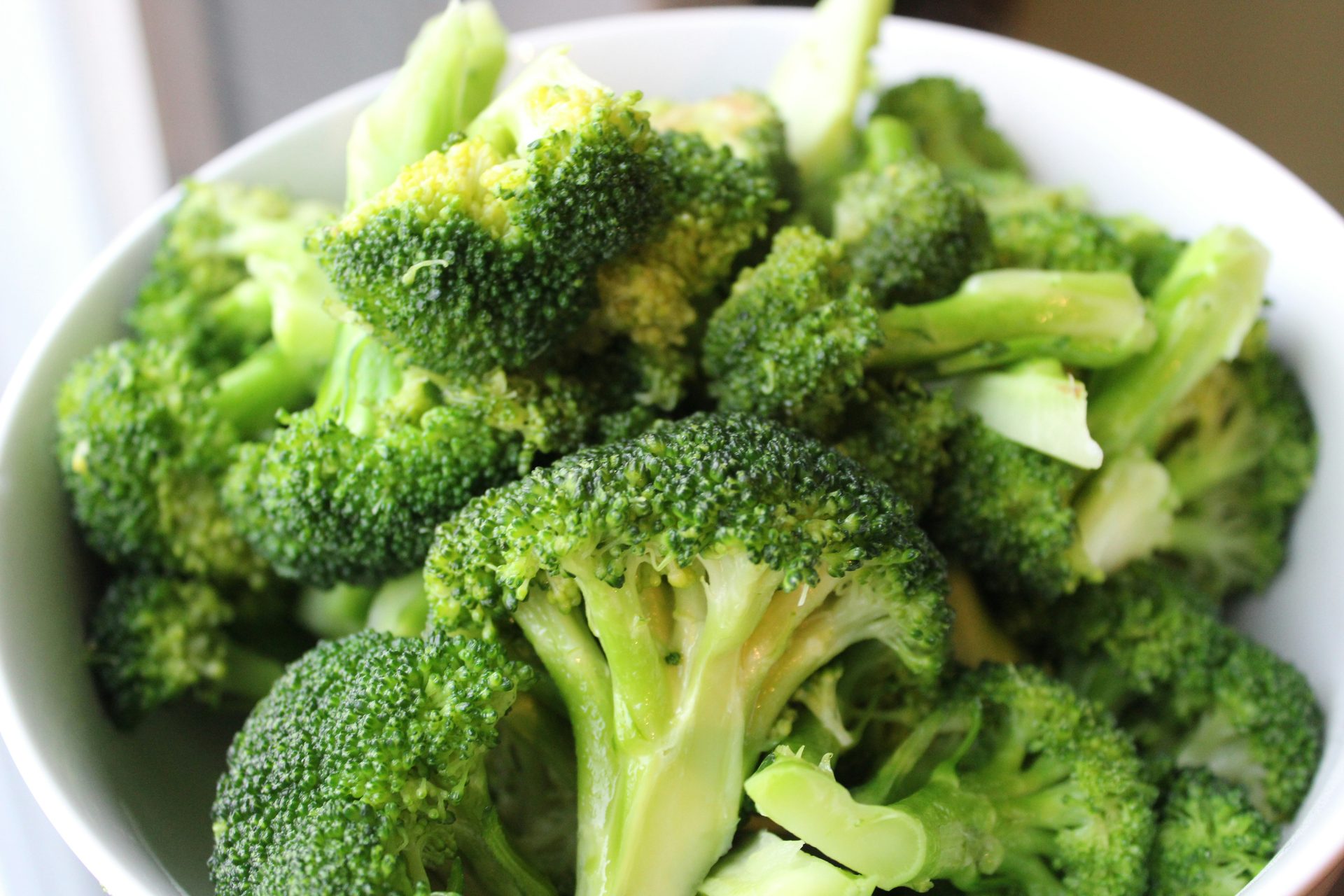
Fresh broccoli is one of those vegetables that always seems to pile up faster than you can eat it. Whether you grabbed an extra head at the grocery store or your garden produced more than expected, the freezer is your best tool for making sure none of it goes to waste.
The short answer is yes — you can absolutely freeze fresh broccoli. With a few simple steps, you can keep it tasting great for months and have a ready-to-cook vegetable on hand whenever you need it. This guide walks you through everything, from prep and blanching to thawing, refreezing rules, and the best ways to cook it once it comes out of the freezer.
Can You Freeze Fresh Broccoli?
Broccoli holds up well to freezing as long as you follow simple steps. You can freeze it raw without any prep, but the results will vary depending on how you plan to use it and how long you plan to store it.
Broccoli has a high water content, which means the water expands as it freezes and causes some damage to the plant’s cell structure. Thawed broccoli will be less crisp than fresh, milder in flavor, and paler in color. Blanching before freezing is the most reliable way to minimize those changes.
Unlike some other produce, fresh cruciferous vegetables emit gases when stored. If kept in an airtight package without blanching, those gases can cause the plastic bags to expand and make the food go bad more quickly. That is one more reason the blanching step matters, especially for long-term storage.
Pro Tip: Always start with the freshest broccoli you can find. If you start with a broccoli crown that is already on its last legs, freezing will only preserve its poor quality, leading to disappointing texture and flavor when thawed.
Does Freezing Change the Texture or Taste of Fresh Broccoli?
Yes, freezing does change broccoli — there is no way around it. The texture of produce always changes after freezing. Produce contains a decent amount of water, and ice crystals form as it freezes. Those crystals expand and rupture the cell walls, so once the broccoli thaws, it loses some of its structure and liquid from the ruptured cells is released.
How much the texture and taste change depends largely on whether you blanch first. Without blanching, un-deactivated enzymes continue to work slowly in the freezer, resulting in the development of off-flavors often described as bitter, metallic, or simply “stale.”
On the nutrition side, freezing broccoli quickly while it is still fresh actually locks in some nutrients. Frozen broccoli might actually be more nutritious than fresh that has been sitting for a while. If broccoli is quickly frozen while it’s still fresh, the freezing process locks in healthy riboflavins that would denature over time as the fresh broccoli ages. That said, freezing produce will cause it to lose some of the anti-inflammatory benefits you get with fresh.
The bottom line: frozen broccoli works beautifully in cooked dishes. Do not use it in raw broccoli salads or it will be mushy. Save it for soups, stir-fries, casseroles, and roasted sides where the softer texture is a non-issue.
How to Freeze Fresh Broccoli the Right Way
The process takes about 30 minutes of active time and sets you up with broccoli that stays good for months. Here is exactly how to do it.
Step 1: Choose and Prep Your Broccoli
Select firm, young, tender stalks with compact heads. Choose fresh broccoli that feels firm, with crowns that are bright green or purple. Avoid heads with yellowing florets or soft spots — those are already past their prime.
Remove leaves and woody portions. Separate heads into convenient-size sections and immerse in brine (4 teaspoons salt to 1 gallon water) for 30 minutes to remove insects. After the brine soak, rinse thoroughly under cold running water.
Split lengthwise so flowerets are no more than 1½ inches across. Uniform sizing matters — it helps the broccoli blanch evenly and freeze at the same rate. Broccoli stems are completely edible and delicious, so do not toss them out. Chop them into 1-inch pieces.
Step 2: Blanch the Broccoli
Blanching broccoli deactivates the enzymes that cause broccoli to lose its color, flavor, and texture. According to the National Center for Home Food Preservation , water blanch for 3 minutes in boiling water, or steam blanch for 5 minutes.
Use approximately 1 gallon of water per pound of broccoli to maintain a consistent temperature. Once the time is up, immediately transfer the broccoli to a bowl of ice water. You can use a slotted spoon to do this quickly, or drain the broccoli first and then transfer it. Let it sit in the water for a few minutes before draining.
Step 3: Dry Thoroughly
After blanching and chilling, the broccoli must be completely dry before it goes into the freezer. Use a salad spinner and then pat the florets with a clean kitchen towel. Any residual water will turn into damaging ice crystals, leading to freezer burn and a mushy texture.
Step 4: Flash-Freeze on a Baking Sheet
Always spread the florets in a single layer on a baking sheet and pre-freeze them for 1–2 hours. This prevents the florets from clumping into a single mass, making it easy to grab exactly the portion you need without thawing the entire bag.
Step 5: Transfer to Freezer Bags and Seal
Once frozen, transfer to a plastic container or resealable freezer bag. Press out as much air as possible before sealing. Label each bag with the date so you always know how long it has been in there. If you have a vacuum sealer, use it — removing all the air is the single best way to prevent freezer burn.
Pro Tip: If you plan to use the frozen broccoli within 3–6 months, you can skip blanching. Not much nutrient loss will occur within the first few months, especially if stored in a chest freezer. If you plan to use it within 6–12 months, proceed with blanching — at that point, the broccoli will start degrading and you’ll lose more nutrients from the enzymes than you would from blanching.
How Long Can You Freeze Fresh Broccoli?
Storage time depends on whether you blanched the broccoli before freezing. The table below breaks down what to expect.
| Method | Maximum Freezer Life | Best Quality Window | Best Uses |
|---|---|---|---|
| Blanched | 10–12 months | 6–8 months | All cooked dishes |
| Unblanched | Up to 3 months | Within 1 month | Soups, smoothies, blended dishes |
Blanched broccoli should stay fresh-tasting and free of freezer burn for 6 to 8 months. Properly frozen broccoli can last up to 10–12 months in the freezer while maintaining quality. According to the University of Minnesota Extension , for best quality, use frozen fruits and vegetables within 8 to 12 months. This is a quality versus a food safety issue — food stored longer will be safe to eat, but you may notice changes in flavor, color, and texture.
You can still freeze broccoli without blanching it first — just cut it into florets, transfer to a freezer-safe bag, seal while removing as much air as possible, and label. Store in the freezer for up to 3 months, but use within 1 month for best results.
Also keep in mind that raw broccoli only lasts between 5 and 7 days in the fridge, so you need to take this into account. If it has already been 7 days since you brought that broccoli home, putting it in the freezer at that point will not help.
How to Thaw Frozen Fresh Broccoli
How you thaw broccoli affects its final texture, so it is worth doing it correctly. You have a few options depending on how you plan to use it.
- Refrigerator overnight: Transfer the entire container to the refrigerator overnight to use in your favorite recipes. This is the safest method and gives you the most control over texture.
- Boiling water: Put the frozen florets right into a pot of boiling salted water for 1 to 2 minutes. This thaws and heats the broccoli without overcooking.
- Straight from frozen: For most cooked dishes, you do not need to thaw at all. If you’d like to skip the thawing process altogether, toss the frozen florets right into your stir-fry or soup. Just be sure to add a couple of minutes of cook time onto your dish.
One method to avoid: never thaw food at room temperature, such as on the countertop. Food must be kept at a safe temperature during thawing. The countertop method lets the outer layers of broccoli warm into the bacterial danger zone while the center is still frozen.
Pro Tip: Frozen broccoli usually does not need to cook as long as fresh broccoli since it has already been gently cooked through the blanching process. Keep an eye on it to avoid overcooking.
Can You Refreeze Fresh Broccoli After Thawing?
Technically yes, but with important conditions. According to the University of Minnesota Extension , you can safely refreeze certain frozen food that has thawed — raw or cooked — although there may be a loss of quality due to the moisture lost through thawing. To safely refreeze, the thawed product must have been kept cold at 40°F or below for no more than 3–4 days.
Many vegetables are safe to refreeze. However, they lose much of their texture, flavor, and appearance even if ice crystals are present in the package. You may want to cook the thawed vegetables and eat them right away, or add them to soup or stew and freeze the soup to eat later.
If food is completely thawed, warmed to room temperature, or left out of the refrigerator for more than 2 hours, throw the food out for safety’s sake. The best practice is to portion your broccoli into single-use bags before freezing so you never need to refreeze a partial bag.
How to Use Frozen Fresh Broccoli (Best Uses After Freezing)
Frozen broccoli is more versatile than most people realize. You can use broccoli straight from the freezer because the florets and stem pieces are partially cooked. You can steam, roast, and stir-fry frozen broccoli and add it to any recipe that calls for fresh broccoli, including pasta dishes, soups, stews, and casseroles.
Here are the best ways to put it to work in your kitchen:
- Soups and stews: Frozen broccoli is usually fine in soups and stews, especially blended soups where it’s not as crucial to have florets with a specific texture. Broccoli cheddar soup is a classic American favorite that uses frozen broccoli perfectly.
- Stir-fries: Frozen broccoli can be added directly to a skillet with butter and quickly sautéed until warmed through. Add a splash of soy sauce and garlic for a quick weeknight side.
- Roasting: You can also roast frozen broccoli. Remember to leave enough room between the florets while they roast so they do not get too mushy. Pat the florets dry before roasting to get better browning.
- Casseroles and pasta bakes: Frozen broccoli goes straight into the baking dish without thawing. It works well in mac and cheese, pasta bakes, and rice casseroles.
- Smoothies: Frozen broccoli blends smoothly into green smoothies without affecting the flavor much, and it adds fiber and vitamins to your drink.
Broccoli is also one of the foods that nutritionists point to for long-term health. If you are interested in how vegetables like broccoli fit into a broader healthy diet, check out this overview of superfoods for a healthy heart and this guide on nutrients and foods that fight cancer. For more on plant-based eating, the whole plant-based foods guide is a helpful resource.
Signs That Frozen Fresh Broccoli Has Gone Bad
Even in the freezer, broccoli can degrade past the point of being worth eating. Here is what to watch for before you cook it.
- Freezer burn: Freezer burn appears as white or grayish-brown patches on the surface of the broccoli. While it is safe to consume, freezer-burned broccoli may have a distinct dry texture and altered flavor. Small patches can be cut away, but heavily burned broccoli is better off in the compost bin.
- Discoloration: Because anything besides a green color is a concern, it is best to throw out yellow broccoli. If the color has gone to a full brown, that is a sure sign of a rotting vegetable.
- Off smell: A sour or rancid odor tells you not to eat that broccoli. Sometimes you will not notice a bad odor until you thaw or cook frozen broccoli. If it smells wrong after thawing, discard it.
- Excessive ice crystals: Excessive ice crystals inside the packaging are a sign of temperature fluctuations during storage. This can affect the quality and taste of the broccoli.
- Mushy texture before cooking: Frozen broccoli that has become mushy or excessively discolored may have degraded in quality. A small amount of softness is normal after thawing, but it should still hold its shape.
To avoid these problems, ensure your freezer maintains a consistent temperature of 0°F (−18°C) or below to preserve the quality of frozen broccoli. Transfer frozen broccoli to airtight containers or resealable freezer bags to prevent exposure to air and moisture.
If you enjoy freezing vegetables to reduce food waste, you might also want to read about freezing fresh watermelon chunks and freezing fresh uncooked zucchini — two other common produce items that freeze well with the right technique.
Frequently Asked Questions
Can You Freeze Broccoli Without Blanching It First?
Yes, you can freeze raw broccoli without blanching, but this method works best for storage periods under three months. The process is straightforward: wash, cut into florets, pat dry completely, and place in freezer bags. However, unblanched frozen broccoli undergoes enzyme activity that gradually breaks down nutrients, color, and texture over time.
Can You Freeze Cooked Broccoli?
Yes, you can freeze cooked broccoli, though the texture will be softer after thawing. Cool it completely before freezing, package in airtight containers, and use within 6 months. If you have steamed, boiled, or roasted your broccoli to its fully tender state, it is better to eat it all up than to try to freeze it — fully cooked broccoli tends to turn mushy after a second freeze-thaw cycle.
Does Frozen Broccoli Still Have Nutritional Value?
Either way, broccoli is one of the healthiest vegetables you can consume and it is a great source of dietary fiber. Blanching before freezing helps preserve more of those nutrients. Since blanching preserves nutrition, color, texture, and taste, blanching broccoli before freezing is highly recommended. For more on how vegetables support your health, see this article on fibroid healing foods and this guide on foods that enhance liver function.
How Do You Keep Frozen Broccoli from Getting Mushy?
The two biggest factors are drying the broccoli completely before freezing and flash-freezing it on a baking sheet before bagging. Immediately plunge blanched broccoli into ice-cold water to stop cooking. Without proper cooling, frozen broccoli will develop bigger ice crystals and a limper texture. When cooking, avoid boiling it for too long — a quick steam or sauté from frozen is all it needs.
Can You Freeze Broccoli Florets and Stems Separately?
Yes, and it is a smart way to use the whole vegetable. If you are freezing the broccoli stem, peel off the tough outer skin using a vegetable peeler and cut it into pieces equal in size to the florets. This keeps the cooking time consistent. Stems hold up slightly better to freezing than florets because they are denser, making them great for soups and stir-fries.
What Is the Best Way to Store Frozen Broccoli Long-Term?
The best way to prevent freezer burn is by removing as much air as possible from the freezer bag. A vacuum sealer is ideal. Frozen foods will keep their quality longer if they are kept in the coldest part of the freezer, such as the bottom or the back. Always label bags with the freeze date and use older bags before newer ones.