Can You Freeze Ricotta Mixture for Lasagna? (Storage Guide)

October 31, 2026
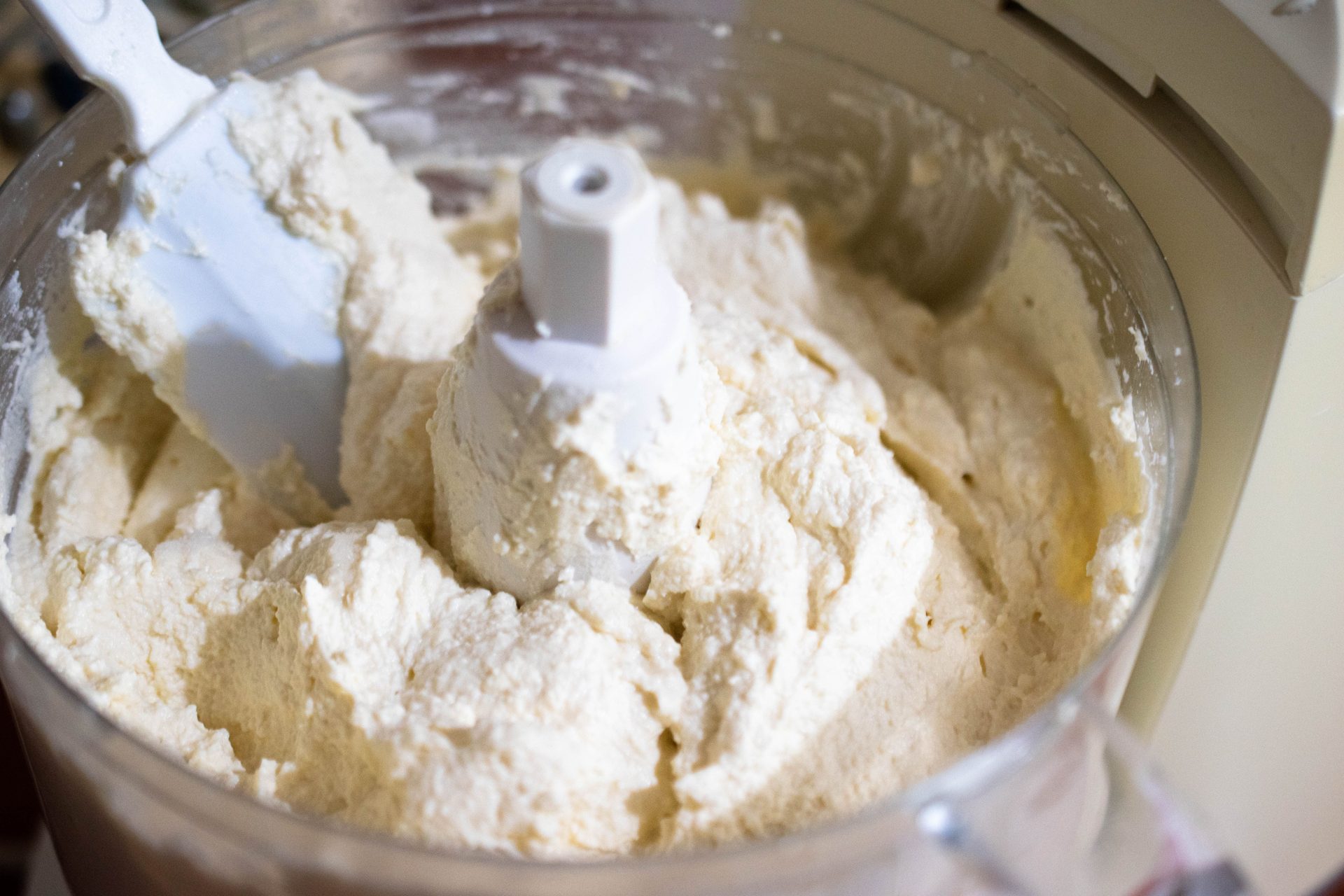
You made a big batch of lasagna filling — ricotta, eggs, Parmesan, maybe some herbs — and now you have more than you need. The good news: you do not have to let it go to waste. Freezing ricotta mixture for lasagna is completely doable, and millions of home cooks across the United States do it regularly.
The catch is that ricotta is a high-moisture fresh cheese, which means it behaves differently in the freezer than, say, shredded mozzarella or a meat sauce. Knowing what to expect — and how to handle the mixture after thawing — is the difference between a lasagna that tastes great and one that turns out watery or grainy. This guide walks you through everything you need to know.
Can You Freeze Ricotta Mixture for Lasagna?
Ricotta filling is always frozen in supermarkets in products such as lasagna, shells, and manicotti, so there is no harm in freezing it. That alone should give you confidence. If commercial food manufacturers do it at scale, you can do it safely at home with the right technique.
Ricotta mixtures — like pasta fillings with Parmesan, eggs, and herbs — freeze well. After thawing, just drain any extra liquid and stir, and it will be good to go. The key word here is “mixture.” A seasoned, egg-bound lasagna filling actually holds up better in the freezer than plain ricotta on its own, because the eggs and added cheeses help stabilize the structure.
You can freeze ricotta cheese mixture, but it is important to consider what you plan to do with it afterward. Texture change can be even more evident in mixtures thanks to the additional ingredients blended in. Plan to use your thawed filling in a cooked, oven-baked lasagna — not as a cold spread or dip — and you will be in great shape.
Pro Tip: Freeze your ricotta mixture before it gets close to its expiration date. Freezing fresh cheese at peak quality always produces better results than freezing cheese that is nearly past its prime.
Does Freezing Change the Texture or Taste of Ricotta Mixture?
Freezing fundamentally alters the texture of ricotta cheese due to the formation of ice crystals. These crystals disrupt the delicate protein structure, leading to a grainier and slightly watery consistency after thawing. This is the most important thing to understand before you freeze your lasagna filling.
The flavor story is more encouraging. The taste of ricotta cheese might slightly diminish after freezing, but it is generally not significantly noticeable, especially when combined with other ingredients in lasagna. In other words, once your filling is layered between pasta sheets, coated in sauce, and baked in a hot oven, the textural difference becomes nearly invisible.
Thawed ricotta works well in cooked dishes such as lasagna, ravioli, or ricotta gnocchi, where the texture change is either not noticeable or simply does not matter since the ricotta is being melted. The heat of the oven does the heavy lifting, blending everything back together into a creamy, cohesive layer.
| Quality Factor | Fresh Ricotta Mixture | Frozen & Thawed Ricotta Mixture |
|---|---|---|
| Texture | Smooth and creamy | Slightly grainy or crumbly |
| Flavor | Mild, milky, slightly sweet | Mostly preserved; very minor loss |
| Moisture | Balanced | May release extra liquid; drain before use |
| Best Use | Fresh or cooked applications | Cooked/baked dishes only |
How to Freeze Ricotta Mixture the Right Way
Proper packaging is everything when it comes to freezing ricotta filling. Exposure to air causes freezer burn, which degrades both texture and flavor faster than the cold itself. Follow these steps for the best results.
- Drain excess liquid first. Drain excess liquid before freezing to minimize ice crystals. Press the mixture gently through a fine-mesh strainer or use a few paper towels to blot away surface moisture before packing.
- Portion it out. Divide the mixture into small sizes such as half-cup servings or freeze it all together — but keep in mind that you cannot refreeze the cheese, so having smaller sizes is helpful if you do not plan to use it all at once.
- Seal it tight. Place the cheese into a sealed, freezable container with as little air as possible, or wrap it in plastic wrap and then place it in a freezer-safe plastic bag.
- Double up for protection. Place the wrapped or freezer-bagged portions in an airtight container or double-wrap in foil for extra protection.
- Label with a use-by date. Use a permanent marker to label the ricotta with a “use by” date that is 2 months in the future. Write the contents on the label too — especially if you have multiple fillings in the freezer at the same time.
Pro Tip: If you are not sure whether you will need the whole batch at once, freeze the mixture in individual lasagna-sized portions (enough for one 9×13 pan). This way, you thaw exactly what you need without wasting any.
If you ever find yourself without ricotta on hand, check out this guide to substitutes for ricotta cheese in lasagna for practical alternatives that work just as well in a pinch.
How Long Can You Freeze Ricotta Mixture?
Properly stored ricotta cheese will maintain best quality for about 3 months in the freezer, but will remain safe beyond that time. That said, most food storage experts recommend a shorter window for the best eating experience.
Frozen ricotta can last approximately 1 to 2 months without significant flavor or texture loss. Pushing past the 2-month mark is not dangerous if the freezer stays at 0°F, but you may notice more pronounced graininess and a slight drop in flavor when you finally use it.
Ricotta that is frozen longer than 3 months will not necessarily go bad, but it is more likely to develop frost and freezer burn that affects the taste. For a lasagna filling you want to taste great, aim to use it within 1 to 2 months of freezing.
| Storage Method | Recommended Duration | Notes |
|---|---|---|
| Refrigerator (opened) | Up to 1 week | Per USDA FoodKeeper guidance |
| Freezer (best quality) | 1–2 months | Minimal texture and flavor loss |
| Freezer (safe limit) | Up to 3 months | Increased risk of freezer burn after 3 months |
How to Thaw Frozen Ricotta Mixture
How you thaw your ricotta filling matters just as much as how you freeze it. Rushing the process can affect both texture and food safety.
The refrigerator method (recommended): Place the cheese in the refrigerator for 24 to 36 hours to defrost. This slow, controlled thaw keeps the filling at a safe temperature the entire time and minimizes additional moisture separation. This method typically takes approximately 24 hours and allows the lasagna to thaw evenly, preserving the integrity of the ricotta.
Never thaw on the counter: Do not defrost cheese at room temperature because bacteria can grow. Ricotta that has been left at room temperature for more than 2 hours has been in the danger zone long enough for bacterial levels to potentially reach unsafe concentrations, even if the cheese looks and smells completely fine.
After thawing, fix the texture: After thawing in the refrigerator, drain the ricotta thoroughly. Place it in a cheesecloth-lined sieve or colander and let it drain for at least an hour, or even overnight in the refrigerator. This step is important for removing excess water and preventing a watery lasagna.
To smooth out any remaining graininess, you can lightly blend the ricotta with a hand blender or in a food processor. Be careful not to over-process it, as this can make it gummy.
Pro Tip: After draining, stir in a fresh egg and a tablespoon of grated Parmesan. Incorporating ingredients like eggs and grated Parmesan cheese helps bind the ricotta and provides a smoother, richer texture — this is standard practice in lasagna preparation, but it becomes even more important when using thawed ricotta.
Can You Refreeze Ricotta Mixture After Thawing?
The short answer is no. Never refreeze ricotta. Once the mixture has been thawed in the refrigerator, the ice crystals that formed during freezing have already disrupted the protein and fat structure. Refreezing causes a second round of ice crystal formation, which makes the texture significantly worse — dry, crumbly, and watery all at once.
There is also a food safety reason to avoid refreezing. After thawing, consume the ricotta within 2 to 3 days and avoid refreezing leftovers to ensure maximum safety and quality. Each freeze-thaw cycle gives bacteria more opportunity to multiply, even when the cheese is handled carefully.
The practical solution is to freeze your ricotta mixture in single-use portions from the start. That way, you only thaw what you need for one lasagna at a time, and nothing goes to waste. Use thawed ricotta within 3 to 4 days of thawing.
How to Use Frozen Ricotta Mixture (Best Uses After Freezing)
Thawed ricotta filling is best in dishes where it gets baked, melted, or cooked — not where it sits raw and its texture is front and center. Frozen and thawed ricotta is best used in cooked applications where texture matters less: lasagna, baked ziti, stuffed shells, quiche, and other oven-baked dishes. It is not suitable for fresh applications like a ricotta toast spread, cannoli filling, or a fresh pasta dollop, where texture is central to the dish.
Here are the best ways to put your thawed ricotta mixture to work:
- Classic lasagna: Layer it between pasta sheets with meat sauce and mozzarella. The oven heat smooths out any remaining graininess completely.
- Stuffed shells or manicotti: Use it in baked or cooked recipes like lasagna with ricotta, stuffed shells, and ricotta pancakes.
- Baked ziti: Stir the thawed filling into cooked ziti with marinara and mozzarella, then bake until bubbly.
- Ricotta-stuffed peppers: Mix the thawed filling with cooked ground beef or sausage and stuff into bell peppers for a hearty weeknight dinner.
- Calzone or pizza filling: Thawed ricotta cheese works better in dishes such as lasagna, cookies, stuffed pasta, pound cakes, or pizza rather than ice cream or cannoli filling that needs the freshness of the cheese.
Important Note: Avoid adding frozen ricotta directly to a hot dish without thawing first. Whether incorporating ricotta into a cooked dish or using it in another way, thawing is essential — avoid adding frozen ricotta directly to cooked food. Always thaw in the refrigerator and drain before using.
Looking for ways to round out a nutritious meal alongside your lasagna? You might find inspiration in this overview of whole plant-based foods that pair well with hearty Italian dishes.
Signs That Frozen Ricotta Mixture Has Gone Bad
Freezing slows spoilage but does not stop it entirely. Before you use your thawed ricotta filling, give it a quick inspection using your eyes, nose, and fingertips. Here is what to look for.
Smell: Any sour, fermented, or musty smell is not normal and means the cheese should be discarded. Fresh ricotta filling should smell mild and dairy-forward. If it makes you pull back, throw it out.
Color: Fresh ricotta is bright white. A yellow, gray, or brownish cast is a sign of spoilage. Some discoloration from added herbs or spices in the mixture is normal, but a dull yellow or gray tint in the cheese itself is not.
Mold: Any blue, green, pink, or black mold on the surface, on the lid, or around the rim means discard the entire tub. Unlike hard cheeses, mold in soft cheeses penetrates below the visible surface. You cannot safely scoop out the affected area and use the rest, per USDA guidance.
Texture: Some liquid separation (whey) on top of the ricotta is completely normal and can be stirred back in. A slimy texture on the curds themselves, or an excessive amount of watery liquid that does not stir back in, indicates the cheese has turned.
Freezer burn: The initial sign that your ricotta might be going bad is freezer burn, which occurs when moisture evaporates from the surface of the cheese, causing the texture and taste to change drastically. Freezer-burned sections will look dry, discolored, and icy. You can scrape off a small affected patch if the rest looks and smells fine, but significant freezer burn means the quality has dropped too far to be worth using.
Taste: If smell and appearance seem fine, a bitter or noticeably sour taste that does not match fresh ricotta’s mild, slightly sweet flavor is a spoilage sign. When in doubt, throw it out — no lasagna is worth a food safety risk.
For more on how diet and food quality connect to your overall health, see this resource on superfoods for a healthy heart and this guide to foods for healthy skin.
Frequently Asked Questions
Can you freeze ricotta mixture that already has eggs in it?
Yes. If you have made a filling with ricotta cheese and other ingredients like Parmesan cheese, eggs, and herbs, it is perfectly fine to freeze it. On thawing, excess liquid may need to be drained away, but otherwise it will be good. The eggs actually help bind the mixture and stabilize it through the freeze-thaw cycle.
Can you freeze a fully assembled, unbaked lasagna with ricotta filling?
Yes, and many cooks prefer this method. Assemble the lasagna as normal, wrap it tightly in plastic wrap and then foil, and freeze before baking. Freezing cooked lasagna is a fantastic way to retain its flavors for future meals. The key is to properly seal it to prevent freezer burn. When you are ready to bake, thaw overnight in the refrigerator and bake as directed, adding a few extra minutes to account for any residual chill.
How long does ricotta mixture last in the fridge before freezing?
The USDA FoodKeeper groups ricotta with cottage cheese and gives both a refrigerated shelf life of 1 week opened and up to 2 weeks unopened. Once you have mixed the ricotta with eggs and other ingredients, treat the mixture like any other egg-containing dairy preparation and use or freeze it within 2 to 3 days.
Does whole milk ricotta freeze better than part-skim?
The type of ricotta you choose to freeze plays a significant role in the final result. Whole milk ricotta generally freezes best, retaining more moisture and flavor compared to lower-fat varieties. If you have the option, reach for whole milk ricotta when you know you plan to freeze the filling.
Can you thaw ricotta mixture in the microwave?
It is not recommended. Ricotta cheese that was thawed in the microwave or in cold water should be used immediately. Microwave thawing can also cause uneven heating that partially cooks the eggs in your filling, which changes the texture before the lasagna even goes into the oven. Stick with an overnight refrigerator thaw for the best results.
Is it safe to eat ricotta mixture that has been frozen for 4 months?
Properly stored ricotta will remain safe beyond 3 months. The freezer time shown is for best quality only — ricotta cheese that has been kept constantly frozen at 0°F will keep safe indefinitely. That said, quality degrades noticeably after 3 months, so taste-test carefully and discard it if the flavor or texture seems off.
For more food storage and healthy eating ideas, explore these guides on foods that support liver function and foods that promote healthy eyesight.