Why Is My Aloe Vera Turning Pink? Causes, Fixes, and Prevention Tips

September 14, 2026
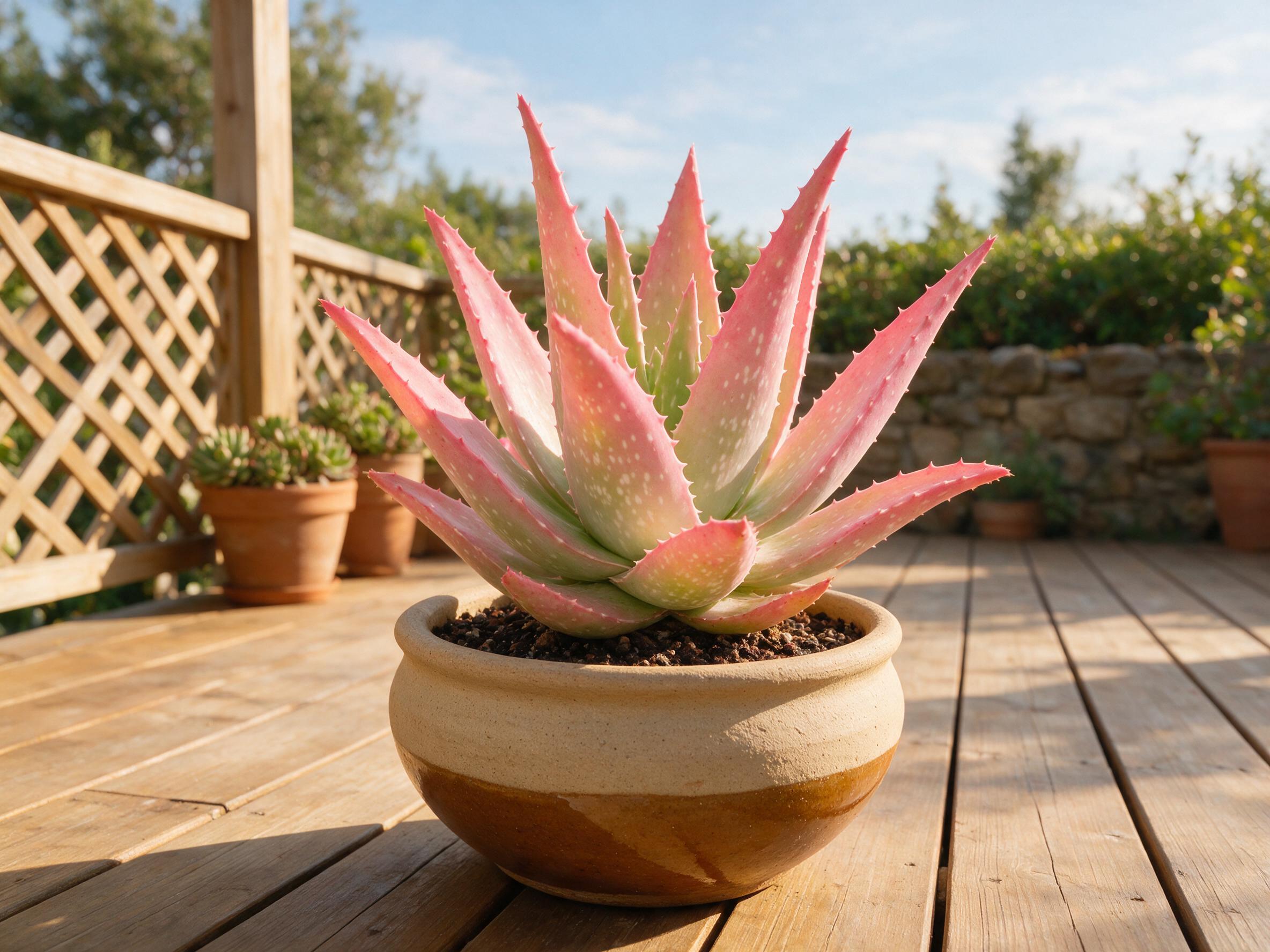
You glance over at your aloe vera and something looks off — those thick, fleshy leaves that were a healthy green just a few weeks ago are now flushed with pink or red. Before you panic, take a breath. A pink aloe vera is not automatically a dying aloe vera, but it is always telling you something worth listening to.
Aloe vera (Aloe barbadensis miller) is a resilient succulent native to the arid regions of northeastern Africa, and it uses color changes as one of its primary ways of communicating stress. Some of those signals are harmless and even expected. Others point to problems like root rot, pest damage, or disease that need your attention quickly. This guide walks you through every likely cause, how to tell them apart, and exactly what to do about each one.
What Does It Mean When Your Aloe Vera Is Turning Pink?
Pink or reddish coloring in aloe vera leaves is the plant’s version of a warning light on a dashboard. Aloe vera doesn’t produce red pigments for show — it deploys them as a physiological defense mechanism. When subjected to environmental stressors, the plant synthesizes anthocyanins: water-soluble flavonoid pigments that accumulate in the epidermal and subepidermal leaf cells.
The most common trigger is excess sun exposure — if your plant is getting too much direct sunlight, it will get burnt and start to suffer. Other common reasons include improper watering, too much heat, too much salt, and exposure to cold.
The good news is that the context matters enormously. A uniform pinkish blush across healthy, firm leaves after a sunny week is very different from soft, discolored leaves paired with a foul-smelling soil. Learning to read those differences is the first step to getting your plant back on track. Check out this aloe vera care guide for a solid baseline on what healthy conditions look like.
Is Turning Pink in Aloe Vera Always a Sign of a Problem?
Not at all — and this is one of the most common misconceptions among aloe owners. Many aloes redden naturally as an adaptation to strong light. Though some owners mistake this healthy process for sunburn, such reddening is really more of a suntan that protects the leaves from intense sunlight.
Stress colors are not the plant saying “I don’t like this” — they’re the plant saying “this is different.” Stress is not always sun-related, but the sun always gets the blame. The plant is simply adjusting to something in the environment that has changed.
Sunburn bleaches the color and causes permanent damage to the leaves. Stress colors, by contrast, do not cause permanent damage. So if your aloe’s leaves are firm, upright, and the color is a consistent blush rather than bleached or mushy patches, you are likely looking at a harmless stress response. Mild red tinges on leaf margins or tips during seasonal transitions are often harmless and reversible with prompt adjustment — no pruning or chemical intervention needed.
Pro Tip: Run a quick squeeze test. If the pink leaves feel firm and plump, you are probably dealing with a stress color response. If they feel soft, mushy, or papery and dry, a more serious issue like overwatering or sunburn is at play.
Watering Issues Causing Aloe Vera to Turn Pink
Watering mistakes — both too much and too little — are among the most frequent reasons aloe vera changes color, and they each produce slightly different symptoms.
Overwatering
Overwatering is a bigger problem for aloe vera plants because it can cause their roots to rot. This rot can lead to discoloration of the leaves — they may turn a pinkish hue, develop soft spots, or get black spots. Overwatering is a real danger to an aloe. The foliage can turn brown and mushy from rot, which is much worse than discoloration caused by sunlight. An aloe can easily rebound from sun shock, but it is hard for them to recover from watery rot.
To check for overwatering, inspect the soil. Perform a soil check-up — if the soil clings to your fingers like wet clay, it is time to adjust your watering habits. Let the soil dry out before you water again, and make sure your pot has adequate drainage to avoid waterlogged roots.
Underwatering
An aloe vera that is too dry is not able to get sufficient nutrients to its leaves, and as a result may turn pink or brown. Curled leaves and dry leaf tips are signs of thirst, and that can cause stress colors too. Unlike overwatering damage, an underwatered aloe usually has firm but slightly shriveled leaves rather than soft, mushy ones.
Water aloe plants only when the top 2–3 inches of soil feels completely dry. A good test is to stick your finger into the soil — if it is dry at that depth, it is time to water. Never water on a fixed schedule; instead, let the soil’s moisture level guide your watering times. For more on harvesting aloe vera gel from a healthy plant, keeping your watering routine dialed in is the foundation.
Light Conditions Behind Aloe Vera Turning Pink
Light is the single most common driver of pink coloring in aloe vera, and the relationship cuts both ways — too much and too little both cause problems.
Too Much Direct Sun
When sat in direct sunlight, aloe vera can get sunburnt. This can lead to a number of problems, but the issue is most visible in its leaves. Leaves can turn pink, red, grey, or brown as a result of sun damage. The most frequent cause is excessive light exposure, especially sudden shifts to intense direct sun after weeks indoors or in shade.
Aloe vera only needs six to eight hours of direct sunlight per day. To avoid the risk of sunburn, the best place to put your plant is in a room full of light but where it is not always in the sun. You can use sun diffusers to protect plants on windowsills from too much sun.
Too Little Light
Insufficient light causes a different kind of color problem. An aloe in low-light conditions will lose its red tints and become lighter green as it gasps for sunlight. The center will be paler than the rest of the plant. Eventually, an aloe that is not getting enough light will grow leggy, splay out, and stretch towards its light source.
Aloe plants need bright, indirect sunlight for 6–8 hours daily. Place them near south or west-facing windows with filtered light through sheer curtains. If you are keeping multiple plants indoors, the best houseplants for low-light areas article is worth a read — aloe vera is not on that list for good reason.
Pro Tip: When moving an indoor aloe outdoors for summer, acclimate it gradually over one to two weeks. Start with filtered sun so as not to possibly burn it due to its tender “indoors” skin.
Soil, Nutrients, and Root Health Causing Aloe Vera to Turn Pink
What is happening underground often shows up in the leaves first. Soil composition, fertilizer habits, and root health all influence whether your aloe stays green or shifts toward pink.
Poor Soil Drainage
Aloe plants need well-draining soil to thrive. Mix regular potting soil with perlite or coarse sand in a 50:50 ratio to create the ideal growing medium. The pot must have drainage holes. Terracotta pots are preferable over plastic ones because they allow excess moisture to escape through their walls.
Salt Buildup and Over-Fertilizing
Aloes do not need frequent fertilization. Over-fertilizing can actually harm them, leading to salt buildup in the soil. However, chronic lack of nutrients can also cause issues. Excessive salts in the soil during dormancy can cause root damage. If you notice a white crusty residue on the soil surface or pot edges, salt buildup is likely the culprit.
Fertilize sparingly — only once a year during the growing season (spring or early summer). Use a balanced liquid houseplant fertilizer diluted to half strength, or a specialized succulent or cactus fertilizer. Avoid feeding during the dormant winter months. Fertilizing when the plant is dormant can lead to fertilizer salt buildup in the soil since the plant is not taking up nutrients. Hold off on feeding until you see new growth in early spring.
Root Damage and Constriction
Roots may become damaged from overwatering, transplanting, or salt exposure. They can become constricted if the aloe is planted in too small a pot. Constricted or damaged roots result in a plant that is unable to take sufficient nutrients from the soil to nourish itself. This lack of nourishment is often visible in every section of the plant but generally affects its extremities first — meaning the leaves are often the first to show the problem, turning red, pink, or brown.
If your aloe has been in the same pot for several years, it may simply be root-bound. You should plant your aloe vera in a pot that is three times bigger than the size of the roots when repotting. Explore the different types of aloe vera plants to understand whether your specific variety has any unique soil preferences.
Environmental Stress Triggering Aloe Vera to Turn Pink
Aloe vera is a desert plant, and it does not handle sudden environmental shifts well. Temperature extremes, drafts, and humidity swings can all push it toward pink or red coloring.
Cold Temperatures
If you notice pink, reddish, or purplish coloring on your aloe during winter, do not panic — it is usually stress coloring, not disease. Cold stress is the main driver: aloe is a desert plant, and winter temps (especially below 50°F) trigger anthocyanins, natural pigments that act like sunscreen and antifreeze.
Cold damage is easily confused with sunburn: both cause red-to-purple discoloration, but cold-stressed leaves feel stiff and brittle, while sun-stressed ones remain pliable. Move pots indoors before outdoor nighttime lows reach 55°F. Aloe vera does well in temperatures ranging from 55–75°F (12.5–24°C).
Heat Stress
When it starts to get too hot, your plant may suffer. The biggest reason that heat can have such a negative impact on your aloe vera is that the plant starts to dry out. During a US summer heat wave — common across the Southwest, Southeast, and even the Midwest — an aloe sitting in a south-facing window or on a sun-baked patio can experience both heat and light stress simultaneously.
Repotting and Transplant Shock
The foliage can become discolored from the stress of cold temperatures, overwatering, sunburn, fertilizer shock, or even a recent repotting. Correcting the plant’s care usually resolves the issue quickly. If your aloe turned pink shortly after being moved to a new pot or a new location, give it two to three weeks to settle before making any additional changes.
Important Note: Aloe vera is not frost-hardy. Frost exposure below 32°F (0°C) causes irreversible cell lysis — leaves turn mushy and translucent gray-black. If you live in USDA hardiness zones 9 or below, bring your aloe indoors before the first freeze.
Pests and Disease Leading to Aloe Vera Turning Pink
When stress-related causes have been ruled out and the pink coloring is accompanied by unusual textures, spots, or distortions, pests or disease may be responsible.
Aloe Mites
The aloe vera aphid, otherwise known as the aloe mite, is the main pest that makes itself at home on the aloe vera plant. These mites are almost imperceptible to the human eye and can cause serious damage to the leaves. Leaves turn pink, brown, and black because the mites feed off the plant’s nutrients and cause mold to grow.
If you suspect your aloe has been overrun by aloe mites, check if you can see any — use a magnifying glass if necessary. Once confirmed, insecticidal soap has been shown to be a good and organically acceptable way to remove mites without damaging the plant. Apply the spray when temperatures are low, either in the morning or evening, to prevent the liquid from evaporating too quickly. Focus on the underside of leaves and in protected areas, as this is where aloe mites like to congregate.
Other common aloe pests include aphids, mealybugs, and spider mites. Look for sticky residue (a sign of aphids or mealybugs), webbing (an indication of spider mites), and white, cottony masses (typical of mealybugs). Neem oil is a natural pesticide that can help prevent and treat infestations. If you have other houseplants nearby, the guide on protecting houseplants also touches on keeping your plant environment clean and pest-resistant.
Fungal and Bacterial Disease
Two diseases that can lead to aloe vera turning pink are Anthracnose disease and bacterial soft rot. Anthracnose is a fungal disease that thrives in warm, wet weather and spreads easily through water. It leads to dark spots appearing on the aloe plant, which can develop into pink, red, and brown-colored areas.
Bacterial soft rot is a bacterial disease that can be fatal for your aloe. It is caused by overwatering and water that has accumulated in the plant’s leaves. It thrives in warm conditions and causes leaves to change color and go soft and squishy. Anthracnose disease can be treated with a fungicide, after which the fungus should retreat and your aloe should return to its healthy green self. When it comes to bacterial soft rot, the best approach is to cut the infected leaves and discard them — be careful they do not get near other plants, as they could spread the infection.
How to Diagnose Why Your Aloe Vera Is Turning Pink
With so many possible causes, a systematic approach saves time and prevents you from treating the wrong problem. Work through the following checklist from the most common cause to the least.
- Check the leaves’ texture first. Firm and plump = likely stress coloring (sun, cold, or environmental change). Soft and mushy = overwatering or disease. Dry, thin, and curled = underwatering or heat stress.
- Assess the light situation. Has the plant recently been moved to a sunnier spot, or has the season shifted so that a south-facing window now gets more direct afternoon sun? This is especially true for aloe plants that have recently been moved outdoors for the summer months — the cause of this color change is a direct result of direct sunlight; your plant now has a sunburn.
- Inspect the soil. Push your finger two inches into the soil. Wet and compacted after days without watering? Overwatering. Bone dry and pulling away from the pot edges? Underwatering. White crust on the surface? Salt buildup from fertilizer.
- Check the temperature history. Did nighttime temps drop below 50°F recently? Has the plant been sitting near an air conditioning vent or drafty window? Cold stress is a frequent culprit in US homes during fall and winter.
- Look for pests. Use a magnifying glass to inspect leaf undersides and the base of the plant. Check if you can see any aloe mites — use a magnifying glass if necessary. Look for webbing, sticky residue, or cottony deposits.
- Smell the soil. A foul odor from the soil is a dead giveaway of root rot. If the soil smells musty or rotten, root rot from overwatering is likely.
If you want a fast, visual second opinion, the best iPhone apps for identifying plants can sometimes help flag obvious pest damage or disease patterns you might miss with the naked eye.
Key Insight: Keep in mind that sunburn and sun stress are different: sunburn usually looks brownish or bleached in appearance and will wind up looking dry and crisp. A pinkish blush that covers the whole leaf evenly is almost always a stress response. Brown or bleached patches in specific spots are sunburn.
How to Fix an Aloe Vera That Is Turning Pink
Once you have identified the cause, the fix is usually straightforward. Here is what to do for each scenario.
| Cause | What You Will See | Fix |
|---|---|---|
| Sun stress (harmless) | Even pinkish blush, firm leaves | Move to bright indirect light; allow the plant to adjust over 1–2 weeks |
| Sunburn | Bleached or brown dry patches | Move to indirect light immediately; do not remove damaged leaves — they protect the plant |
| Overwatering | Soft, mushy pink leaves; foul soil smell | Stop watering; let soil dry fully; repot in fresh well-draining mix if root rot is present |
| Underwatering | Thin, curled, dry-tipped leaves | Water deeply until it drains from the bottom; resume watering when top 2–3 inches are dry |
| Cold stress | Stiff, brittle pinkish leaves | Move indoors above 55°F; withhold water for 10 days while metabolism recovers |
| Salt buildup | Crusty white residue on soil; brown leaf tips | Flush pot with plain water; repot in fresh cactus mix; pause fertilizing |
| Root constriction | Pink leaves despite correct care; slow growth | Repot into a pot three times the root mass; trim any black or mushy roots first |
| Aloe mites or pests | Distorted growth, webbing, sticky residue | Apply insecticidal soap or neem oil to leaf undersides; repeat weekly for 3 weeks |
| Anthracnose fungus | Dark spots developing into pink/brown areas | Apply a fungicide; improve air circulation; reduce overhead watering |
| Bacterial soft rot | Soft, squishy, discolored leaves; foul smell | Remove and discard all infected leaves; avoid contact with other plants |
For overwatering-related root rot specifically, you will first need to carefully remove your aloe plant from its pot. Then, using sharp, sterilized scissors or gardening shears, cut off any roots that appear black or soft before replanting. Use clean, sharp scissors or pruning shears to remove brown or dried leaves at the base, close to the stem. Avoid cutting healthy green leaves. Dispose of the dead foliage to prevent pests or disease, and monitor your aloe’s watering and sunlight to keep new leaves healthy.
If you are interested in using your recovered aloe vera plant, read up on how to eat aloe vera and the important reasons to own an aloe vera plant once it is back in good health.
How to Prevent Aloe Vera Turning Pink Going Forward
Most pink-aloe problems are entirely preventable with a consistent care routine. These habits address the root causes before they have a chance to show up in your plant’s color.
- Water by feel, not by schedule. Do not use a preset schedule; monitor the soil and only water when the pot is three-quarters dry. A typical interval between waterings is about two to four weeks during the growing season, depending on the environment.
- Use the right soil and pot. Mix regular potting soil with perlite or coarse sand in a 50:50 ratio. The pot must have drainage holes. Choose terracotta pots over plastic ones because they allow excess moisture to escape through their walls.
- Acclimate before moving outdoors. Give the aloe time to adapt to new surroundings, especially direct sunlight, when moving it outdoors for the first time. A week of morning sun only before full exposure prevents most sunburn cases.
- Fertilize sparingly and seasonally. Fertilize only once a year during the growing season (spring or early summer). Use a balanced liquid houseplant fertilizer diluted to half strength, or a specialized succulent or cactus fertilizer.
- Keep temperatures stable. Keep temperatures between 55–80°F (13–27°C). Protect plants from cold drafts near windows and doors in winter.
- Inspect regularly for pests. Check your aloe vera weekly for signs of stress, pests, or disease. Early detection is the best way to address issues before they become serious.
- Repot before it becomes root-bound. Check the root system every two years. If roots are circling the bottom of the pot or pushing through drainage holes, it is time to size up.
If you enjoy growing other succulents alongside your aloe, the guides on different types of yucca plants and different types of rubber plants offer helpful companion-growing context. And if you want to make the most of a healthy harvest, learn how to make aloe vera juice or explore the benefits of aloe vera water.
FAQ
Why Is My Aloe Vera Turning Pink and Soft?
Pink and soft leaves together almost always point to overwatering or root rot. Root rot can lead to discoloration of the leaves — they may turn a pinkish hue and develop soft spots. Stop watering immediately, check the roots for black or mushy sections, and repot in fresh, well-draining cactus mix if needed.
Can a Pink Aloe Vera Turn Green Again?
Yes, in most cases. The only instance a browned or reddened aloe vera may turn green again is if the color is due to sun stress. Other forms of damage from overwatering or burn damage kill off cells and tissue entirely, so there is no reversing a leaf back to green if the damage was caused by anything other than natural sun stress. As temperatures warm up and growth resumes, aloe usually turns green again on its own when the stress coloring was triggered by cold or a temporary light change.
Is a Pink Aloe Vera Safe to Use on Skin?
If the pink coloring is coming from the plant’s leaves (stress coloring), the gel inside is generally still fine to use. However, if the plant has active root rot, fungal disease, or bacterial soft rot, avoid harvesting gel from it until the plant has fully recovered and is producing new healthy growth. When in doubt, use a fresh, healthy leaf from the center of the plant.
Why Did My Aloe Turn Pink After Repotting?
The foliage can become discolored from the stress of a recent repotting. This is a normal transplant shock response. Give the plant two to three weeks in stable conditions — consistent temperature, indirect light, and no watering for the first week — and it should settle back to green as new roots establish.
Why Is My Aloe Vera Turning Pink in Winter?
Aloe is a desert plant, and winter temps (especially below 50°F) trigger anthocyanins — natural pigments that act like sunscreen and antifreeze. This is a protective response, not a sign of disease. Reduce watering over the winter: a combination of cold and wet conditions is very dangerous for aloes. Move the plant away from cold windows and keep it above 55°F to prevent the stress from deepening into actual damage.
What Is the Difference Between Aloe Vera Stress Color and Sunburn?
Sunburn bleaches the color and causes permanent damage to the leaves. Stress colors do not cause permanent damage. Practically speaking, stress coloring is an even, pinkish-to-reddish blush across otherwise healthy-looking leaves. Sunburn shows up as dry, bleached, or crispy patches — usually on the side of the leaf facing the light source — and those patches will not recover. Explore types of plants to better understand how different species respond to sun stress differently.