Why Are My Tomato Plants Not Flowering? Causes, Fixes, and What to Expect

September 2, 2026
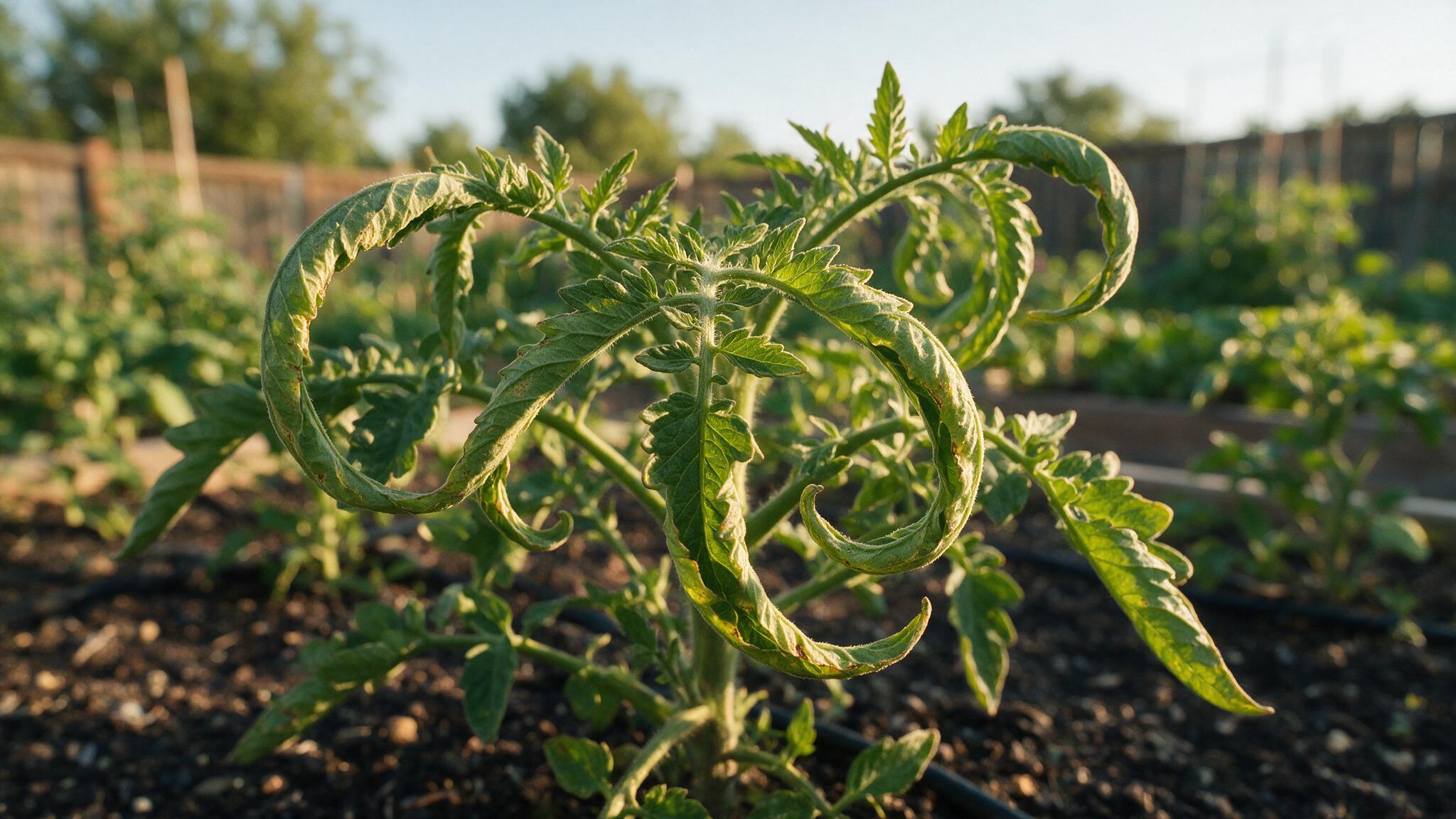
You’ve watered, you’ve waited, and your tomato plants look lush and green — but there’s not a single flower in sight. It’s one of the most common frustrations in the American home garden, and the good news is that it almost always has a fixable cause.
Tomatoes (Solanum lycopersicum) are the most popular home garden crop in the United States, and they’re also one of the most reactive. They are extremely sensitive to dips or increases in temperature, insufficient or excess irrigation, improper fertilization, and pollination problems. When something is off, they stop flowering — and that’s their way of telling you something needs to change.
This guide walks you through exactly what’s happening to your plant right now, what’s normal versus what’s a warning sign, the real triggers behind a flower stall, and what you can realistically do about it — both this season and next.
What’s Actually Happening to Your Tomato Plant Right Now
Before you panic, it helps to understand what a tomato plant is doing when it isn’t flowering. It’s not broken — it’s making a calculated decision based on its environment.
If your tomato plant isn’t flowering, it is not receiving the proper temperature, light, nutrients, or water that it needs to blossom. All plants have a baseline of foundational needs. When you don’t get enough nutrition, your body cannot focus on advanced functions like reproduction because it is stuck in survival mode — and tomatoes work the same way.
Tomatoes typically begin flowering about one month after they are transplanted in the ground. Small yellow flowers first develop on plants that are 12–18 inches tall and should continue appearing throughout the summer as the weather permits. If your plant hasn’t reached that window yet, patience may be all you need.
There’s also an important difference between determinate and indeterminate varieties. Indeterminate varieties like Cherokee Purple, Brandywine, Sungold, and Early Girl flower continuously once started, with new clusters forming at every third node. Determinate varieties like Roma, Celebrity, and Rutgers have a compressed flowering window of two to three weeks — if stress conditions caused a miss during that window, the plant won’t produce a second flush.
Pro Tip: Check the “days to maturity” on your seed packet or plant tag. A 75-day variety transplanted on May 15 will typically begin flowering around late June — if you’re checking in early June, patience is the right response.
Is This Normal, or a Sign Something’s Wrong?
Sometimes a flowerless tomato plant just needs more time. Other times, it’s signaling a real problem. Knowing which situation you’re in saves you from making unnecessary changes that could stress the plant further.
It’s probably normal if:
- You transplanted less than 5–6 weeks ago and the plant is still establishing roots
- You’re growing a long-season heirloom variety (some take 65–75 days to initiate flowers)
- You just went through a heat wave and temperatures are now cooling down
- The plant is still under 12 inches tall
It’s likely a sign something’s wrong if:
- It’s been more than 6–8 weeks since transplanting with no buds at all
- The plant looks lush and leafy but has no flower clusters anywhere
- Flowers appeared briefly, then dropped without any fruit forming
- Growth looks leggy, pale, or spindly
Heirloom varieties are more prone to blossom drop than modern cultivars. This is partly because more modern hybrids have been bred to withstand higher temperatures as well as poor growing conditions related to extended cool, rainy periods. So if you’re growing a heritage variety, give it a little extra grace — but still investigate the conditions below.
The Real Trigger Behind No Flowers
Most cases of tomato plants refusing to flower come down to one or more of five root causes. Work through these systematically, and you’ll almost certainly find your answer.
Temperature Stress
Temperature stress is the most common cause of tomatoes not flowering, and it works in both directions. The tricky part is timing: the damage often happens before you can see it.
Penn State Extension found that when temperatures exceed 88°F for 7 to 15 days before flowering, flower buds abort. The flowers you’re missing today were killed by heat two weeks ago. The mechanism is hormonal: under heat stress, tomato plants produce elevated levels of abscisic acid (ABA), a stress hormone that signals developing flower tissue to abort.
Cold is just as damaging on the other end. Temperatures that drop below 55°F at night can slow down the plant’s metabolism, leading to delayed flowering and fruit set. Cold snaps can be particularly damaging, potentially causing blossom drop and stunting growth.
Tomatoes set fruit best when daytime temperatures are in the 70- to 85-degree range and nights are between 55 and 70 degrees. In much of the US South and Southwest, summer heat routinely pushes past that ceiling — which is why so many gardeners in Texas, Arizona, and Florida see their plants stall out in July.
Too Much Nitrogen
This is the second most common culprit, and it’s surprisingly easy to create accidentally. If your plants have lush, leafy growth but produce no blossoms, nitrogen imbalance often causes this problem. An excess of nitrogen fertilizer pushes foliage growth at the expense of flowers.
A common mistake in US gardens: using all-purpose lawn fertilizer on vegetable beds. Excess amounts of nitrogen encourage lots of leaf growth at the expense of fruiting. Cut back if you’ve been heavily fertilizing with a high-nitrogen fertilizer, and look instead for tomato-geared fertilizers that are generally higher in phosphorus and potassium — the last two numbers on the three-digit fertilizer-bag labels.
Phosphorus is the primary macronutrient for both root development and flower formation. Boron, a micronutrient, is specifically needed for pollen tube growth — without sufficient boron, buds that form may open but fail to complete pollination. Clemson Cooperative Extension flags both as underappreciated causes of flowering failure.
Insufficient Sunlight
Tomatoes are obligate sun-lovers. They require a minimum of 6–8 hours of direct, unfiltered sunlight daily to initiate floral meristem development — the cellular transition from vegetative growth to reproductive signaling.
The key symptom of low sunlight is long, leggy, spindly tomato growth. You may notice elongated, weak stems with pale leaves. If there are any flowers, they usually look small and weak. Check whether a nearby fence, tree, or structure has begun casting shade on your bed as the season progresses — this shifts more than most gardeners expect.
Also worth knowing: morning light is cooler and less intense, while afternoon sun delivers peak photosynthetically active radiation (PAR). A plant receiving 7 hours of morning-only light often performs worse than one getting 5 focused hours of midday sun.
Water Stress (Both Too Much and Too Little)
Irrigating tomatoes can feel intimidating because it requires finding a happy medium. Consistency is key: the soil should never totally dry out, nor should it be a soggy pool of water. If you water too little or too shallowly, the plant won’t have enough moisture to grow blossoms and fruit. But if you overwater, the plant can have problems with nutrient uptake, root rot, and other pathogens.
Tomatoes are notoriously thirsty crops that need 1–2 inches of water per week during the flowering period. If the plant doesn’t have enough water, it won’t be able to uptake the nutrients needed for floral production — it will conserve its energy for leaves and stems.
Check the soil before adjusting. If the soil surface appears dusty, hard, and cracked, you need to water deeply and incorporate compost. If the soil is soggy, mushy, or has algae growing on the surface, back off the watering and potentially aerate the soil with a broadfork or light hoeing on the surface.
Root Restriction and Plant Spacing
Container gardeners and raised-bed growers often overlook this one. Tomatoes grown in small pots may become root-bound, restricting growth and reducing flowering. Use containers with a minimum capacity of 5 gallons per plant and ensure there are drainage holes — this allows roots to establish and supports healthy flower development.
One factor that limits tomato fruit set is improper spacing. If tomatoes are planted too close together, they will produce fewer fruits and are more susceptible to common tomato diseases. In the ground, most full-size varieties need at least 24–36 inches between plants.
Other Factors That Can Speed It Up or Make It Worse
Once you’ve identified the main cause, a few secondary factors can compound the problem or delay recovery even after you’ve made corrections.
Pests and Disease
Tomato plants require a lot of energy to produce flowers and fruit, and many pests or diseases sap this energy from the plant. Blight diseases and Septoria leaf spot affect leaves to such an extent that defoliation occurs. Diseases such as early blight, or pests like aphids and whiteflies, can weaken plants and stunt flowering. Examine leaves and stems for signs of insects or fungal spots, and address infestations promptly with organic or chemical controls as needed to restore vigor and encourage buds.
Variety Mismatch for Your Climate
Choosing the wrong variety for your region can make the entire season a struggle. Early Girl types initiate flowers at 45–50 days post-emergence, while Beefsteak may take 65–75 days. Planting a long-season heirloom in a short-season climate guarantees flowerless vines by frost. Equally problematic: planting too early into cold soil below 60°F, where roots remain dormant and unable to absorb phosphorus — a key floral cofactor.
For gardeners in hotter US climates, choose heat-resistant varieties and time tomato-planting so the plants mature in cooler weather. Varieties labeled “heat-set” or bred specifically for Southern gardens are worth seeking out at your local extension office or nursery.
Pollination Problems
This factor matters more once flowers have formed but drop without setting fruit. Tomatoes are self-fertile, which means each flower can pollinate itself. Nevertheless, the presence of bees and wind dramatically improves pollination by nudging the flowers just enough to help dislodge the pollen from the stamens.
As bees contract their flight muscles — a process called buzz pollination — these low vibrations literally shake the pollen free, allowing it to drop down onto the stigma, the female part of the flower that catches the pollen. Without that vibration, flowers can open and close without ever setting fruit.
To help attract pollinators, consider companion planting with tomatoes — flowers like sunflowers, lavender, and marigolds draw bees and beneficial insects to your garden. To encourage bees, avoid insecticides and plant a diversity of blooming plants, including native plants that bloom throughout the growing season.
Pro Tip: To help spread pollen when the weather has been calm, try gently shaking flowering plants to move the pollen manually. Do this in the morning when flowers are most receptive.
Can You Reverse It?
This is the honest section — because the answer depends entirely on what caused the problem in the first place.
What You Can Fix This Season
Most causes are correctable once you identify them. If the issue is too much nitrogen, switch to a phosphorus- and potassium-forward tomato fertilizer and stop adding high-nitrogen products. Use a soil thermometer to confirm soil temperature is above 60°F before expecting nutrient uptake. For established plants showing deficiency symptoms, a liquid phosphorus drench — fish emulsion or monopotassium phosphate solution — corrects the problem faster than granular fertilizer. Expect improvement within 7–10 days once the soil is warm.
If heat is the culprit, you have options. If a bout of heat is temporary, your plant should return to normal once high temperatures have subsided. Long-term heat problems can be managed with a temporary shade cloth structure that limits sun contact in the hottest parts of the day while still exposing the plant to sun in the early mornings and late afternoons. When growing tomatoes in containers, the solution is simple — move them to a cooler spot.
If sunlight is the issue and you’re growing in containers, relocate the plant. Saving a shaded tomato requires transplanting or the addition of grow lights — there is no way around this. For in-ground plants, prune or remove any nearby shrubs or tree branches casting shade.
What You Cannot Undo This Season
Some situations are genuinely unrecoverable mid-season, and it’s worth being honest about that so you don’t waste time on fixes that won’t help.
Determinate varieties that missed their window: Determinate varieties have a compressed flowering window of two to three weeks. If stress conditions caused a miss during that window, the plant won’t produce a second flush. You can keep the plant healthy and hope for a partial recovery, but you won’t get a full crop from it.
Severely root-bound plants in small containers: If roots have been circling for weeks, up-potting late in the season may not give the plant enough time to recover and flower before temperatures drop. You may get a few late blooms, but a full harvest is unlikely.
Sustained heat damage to flower buds: As noted above, the buds that were killed by a two-week heat event two weeks ago are already gone. If you keep your tomato plant healthy and watered throughout the heat wave, it should start flowering and eventually fruiting once the temperature calms down — but you will lose that window of production.
Wrong variety for your season: Planting a long-season heirloom in a short-season climate guarantees flowerless vines by frost. If you’re already past mid-summer in a northern US climate with a 75+ day variety, the math may not work in your favor this year. Keep the plant going as long as you can and treat it as a learning experience for next spring.
How to Prevent It Next Season
The best fixes happen before you plant. A few deliberate decisions in late winter and early spring make a dramatic difference to your summer harvest.
Choose the Right Variety for Your Region
This single step prevents more flowering problems than anything else. Sometimes the reason tomato plants struggle is simply that you’ve chosen the wrong variety for your climate or growing conditions. Heirloom tomatoes are beautiful and tasty, but some varieties are slow to mature or more susceptible to local diseases. Check local advice or talk to your local garden center about varieties that thrive in your area. Consider growing a mix of early, mid-season, and late tomatoes to spread harvests and hedge against climate issues.
Gardeners in the US Southeast and Southwest should specifically look for heat-tolerant varieties rated for high summer temperatures. Those in the northern US and Pacific Northwest should prioritize short-season varieties (under 65 days to maturity) to avoid the variety-mismatch trap. You can explore different types of plants suited to your region to build a more resilient garden overall.
Get Your Soil Right Before Planting
A soil test can help identify nutrient problems before they derail your season. Most US state cooperative extension services offer low-cost soil testing — it’s one of the best investments a home gardener can make. Test every two to three years, and specifically check phosphorus, potassium, and pH levels.
Incorporating organic matter and compost into your soil improves soil health and provides a slow-release source of nutrients, helping to prevent the imbalances that synthetic fertilizers might cause. Work compost into your beds in fall or early spring, well before transplanting.
Plan Your Planting Timing Carefully
Timing is everything with tomatoes. Tomato plants typically start showing flowers about 5 to 6 weeks after being planted outdoors, assuming they were started from seed indoors about 6 to 8 weeks prior to the last frost date. In most of the continental US, that means starting seeds indoors in February or March and transplanting after your last frost date.
In hot southern climates like Texas, Florida, and the Desert Southwest, consider a fall planting as well. Timing your second crop to mature in September and October — when temperatures fall back into the 70–85°F sweet spot — can be more productive than pushing through August heat.
Set Up Good Watering Habits from Day One
Do not water overhead; instead, soak the soil slowly and deeply without wetting the leaves. Drip irrigation is the simplest way to ensure consistent watering. Set it up when you plant and you’ll eliminate one of the five major flowering stressors before the season even begins.
Applying a layer of mulch around your plants can help regulate soil temperature, keeping roots cooler during hot days and warmer during cool nights. A 2–3 inch layer of straw or wood chips around the base of each plant goes a long way in US climates with wide temperature swings.
Build a Pollinator-Friendly Garden
You don’t need a large space to support pollinators. Flowers like sunflowers and lavender attract bees and other pollinators to your garden, increasing the chances of pollination for your tomato plants — essential for the plants to set fruit after flowering. Even a few pots of flowering herbs near your tomato bed can make a measurable difference.
For more ideas on which plants work well alongside tomatoes, see this guide to plants to grow with tomatoes. And if you’re interested in using plant identification apps to help diagnose leaf problems or pest damage before they affect flowering, several good options are available for both iPhone and Android users.
Frequently Asked Questions
How Long Should I Wait Before Worrying About No Flowers?
Most tomato varieties don’t produce visible flower buds until 40–60 days after transplanting — longer for plants started from seed outdoors or for small transplants that needed time to establish roots. This is more common than it seems, especially when gardeners transplant in cool soil, where root development slows significantly. If you’re inside that window, hold off before making any changes.
My Plant Has Lots of Flowers but No Fruit — Is That the Same Problem?
No — flowers forming but not setting fruit is a distinct downstream problem. The most common cause is the same nighttime temperature threshold: above 70°F prevents viable pollen. If pollinated, the flower will begin to wilt and a small fruit will start to develop at the base. If the flower falls off with no fruit development, pollination likely did not occur. Manual pollination and temperature management are the first fixes to try.
Can I Use Tomato Substitutes If My Harvest Fails This Year?
If this season’s crop doesn’t come through, you still have options in the kitchen. Check out this guide to substitutes for tomatoes and this one covering the best substitutes for tomato paste to keep your recipes on track while you plan a better garden next year.
Do Tomatoes Need Bees to Flower?
While tomatoes are self-fertile — meaning the flowers can pollinate themselves — bees can help improve pollination. When a bee nudges a flower, it can dislodge the pollen from the stems. So if you’re growing tomatoes inside, your plant might have trouble pollinating without a visiting bee to help shake things loose. Outdoors, wind and bumblebees do most of the work naturally.
Will My Tomatoes Recover After a Heat Wave?
During extreme heat, tomatoes will stop flower production. Be patient — when the weather cools down a little, your tomatoes should start flowering again. Make sure you keep them watered and fertilized while waiting for temperatures to fall. The plant is not dead; it’s waiting for conditions to improve.
Is It Worth Trying to Save a Struggling Plant, or Should I Start Over?
It depends on the timing and the cause. If it’s early in the season and the issue is correctable (nitrogen imbalance, watering, shade), absolutely save it — most plants bounce back within two weeks of a fix. If it’s late summer, you’re in a northern US climate, and you have a long-season variety that still hasn’t flowered, starting over with a fast-maturing cherry tomato transplant may give you more tomatoes before frost than nursing the original plant will.