Why Are My Tomato Flowers Falling Off? Causes and Fixes

September 1, 2026
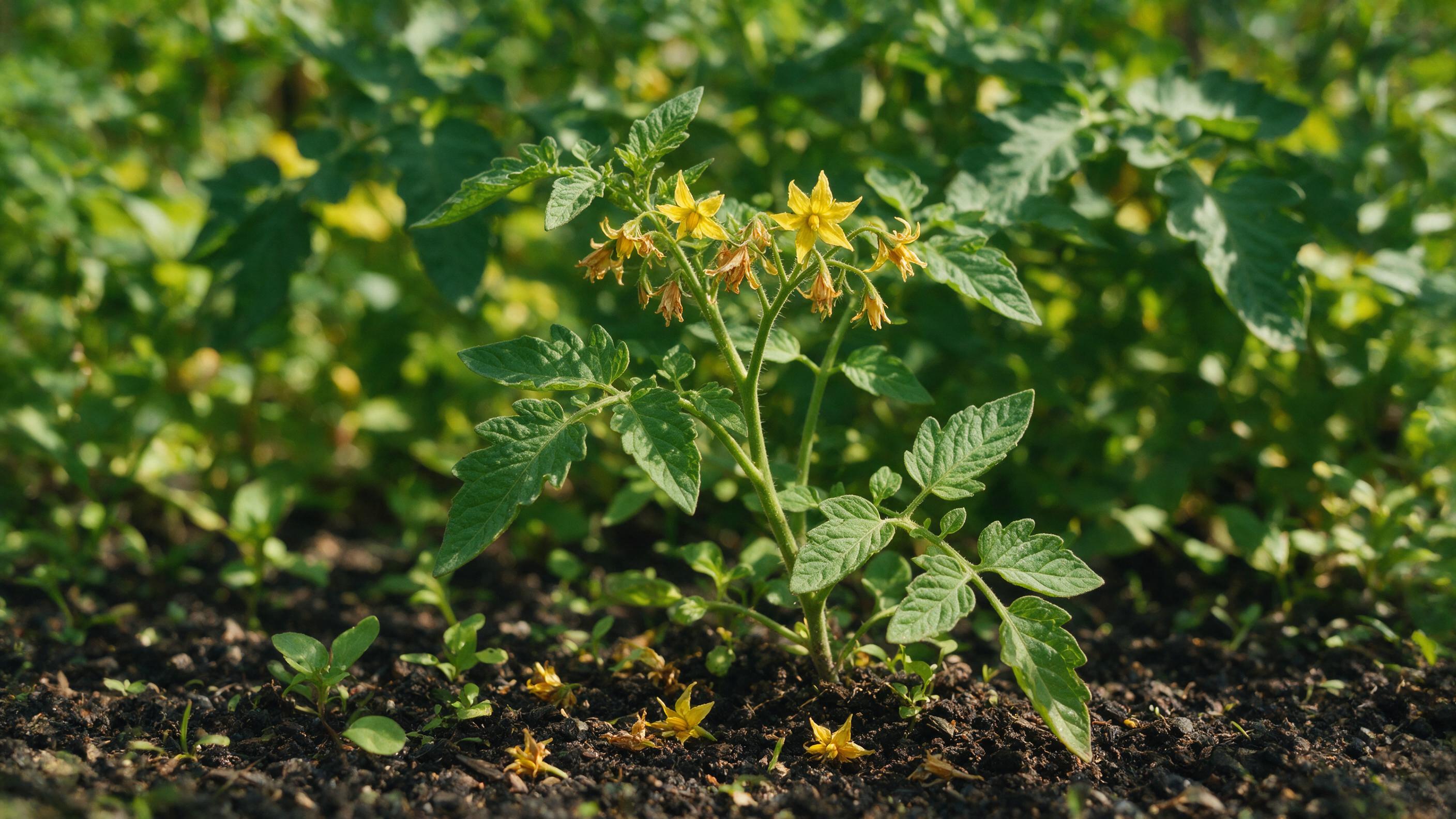
You’ve been watching your tomato plants fill out beautifully, little yellow blossoms popping open all over the vine — and then they start dropping to the ground before a single fruit forms. It’s one of the most frustrating moments in the summer garden, and it happens to home growers across the United States every season.
The good news is that tomato flower drop, technically called blossom drop, almost always has a clear cause — and most of those causes are fixable. This guide walks you through everything you need to know: what’s happening inside the plant, why it’s dropping those flowers, and exactly what to do about it so you can get back on track toward a real harvest.
What Does It Mean When Your Tomato Plant Is Dropping Its Flowers?
When you see tomato flowers falling off, your plant is shedding blossoms before they can develop into fruit. This condition is called blossom drop, and it happens when flowers dry up and fall off before the fruits have even formed. The plant may look completely healthy otherwise, which makes it especially confusing.
Here’s what’s going on at the biological level: a tomato flower has both male (stamens) and female (pistil) parts within the same flower. The yellow stamens wrap around the greenish pistil in the center of the flower. Under proper conditions, pollen from the stamens transfers to the sticky stigma, or tip of the pistil. Without pollination, which stimulates fruit set, the flower withers and dies.
Blossom drop is usually preceded by the yellowing of the pedicel — the slender stalk that attaches each individual flower to the main stem. The pedicel acts as a support structure and allows the flower or fruit to grow and develop while still receiving nutrients and water from the plant. If a tomato plant is stressed, this pedicel can shrivel, turn yellow, and fall off.
Tomato plants lose their blossoms for several different reasons, usually related to some kind of stress. The stress may be either nutritional, environmental, or some combination of the two.
Is Flower Drop in Tomatoes Always a Sign of a Problem?
Not necessarily. While some flower loss is normal during the growing season, excessive blossom drop indicates underlying problems that require attention. A few blossoms dropping here and there — especially early in the season or when the plant is setting a heavy load of fruit — is a normal part of how tomatoes manage their energy.
It is common for tomato plants to shed some flowers due to heavy fruit load or the natural “June Drop” phenomenon, which helps the plant balance the fruit load. Think of it as the plant editing itself to focus its resources where they’ll do the most good.
Fewer tomato flowers mean fewer fruits, so your initial reaction to flower drop is naturally going to be concern. A few flowers dropping from time to time is natural, but if you find a significant number of your tomato flowers falling off, you might need to take action.
Pro Tip: Watch for a pattern. If only a blossom or two drops occasionally, that’s normal. If entire flower clusters are dropping or the problem persists for more than a week, it’s time to investigate the cause.
Watering Issues Causing Tomato Flower Drop
Water stress is one of the most controllable causes of blossom drop, and it works in both directions — too little and too much can both trigger the problem. Fluctuations between drought and overwatering cause significant stress to tomato plants, triggering flower drop. Tomatoes require consistent moisture, especially during flowering.
Tomato plant root systems can be deep, sometimes even reaching as far down as five feet. Shallow watering means that the deep root system isn’t getting sufficient water, stressing your tomato plant and causing it to drop its flowers. If you’re giving your plants a quick sprinkle every day instead of a deep soak, this is likely a contributing factor.
On the other end, overwatering suffocates roots and may trigger blossom end rot, while underwatering wilts plants and causes flowers to fall off. Irregular watering disrupts tomato plants’ processes, triggering blossom drop as the plant redirects resources toward survival rather than reproduction.
According to the USDA Natural Resources Conservation Service , tomato plants need 1–2 inches of water weekly, with increased needs during flowering and fruit set. Deep, thorough watering when the top two inches of soil feels dry maintains adequate moisture without creating waterlogged conditions. Frequency depends on climate, soil type, and plant size, but typically ranges from every 2–3 days in hot weather to weekly in moderate conditions.
Mulching significantly improves consistency by reducing evaporation and moderating soil temperature fluctuations. Apply 2–3 inches of organic mulch around the plants, keeping it several inches away from the main stem.
Light Conditions Behind Tomato Flower Drop
Tomatoes are sun-hungry plants, and insufficient light directly undermines their ability to flower and set fruit. Tomatoes need 6–8 hours of direct sunlight. Without enough energy for pollination and fruit set, tomato blooms fall off.
Tomato plants need a minimum of 8 hours of full sun per day. If the plants are too shaded, they may not be able to photosynthesize enough to support the development of a lot of fruits, resulting in some of the tomato flowers falling off the plant. This is especially common when tomatoes are planted near tall structures, fences, or trees that cast afternoon shade.
The Alabama Cooperative Extension System notes that plants should get at least 6 hours of full sun every day to maintain healthy flower production. If your garden site gets less than that, consider whether you can relocate container plants or prune nearby vegetation to open the canopy.
If tomatoes are growing in a spot that gets less than 6–8 hours of direct sunlight, they may not have enough energy to support fruit production — especially in the flowering stage. Try relocating potted plants to a sunnier spot, pruning overhanging branches, or considering supplemental lighting for greenhouse or indoor setups.
Soil, Nutrients, and Root Health Causing Tomato Flower Drop
What’s in your soil matters enormously when it comes to blossom drop. Nutrient imbalances — especially with nitrogen — are a surprisingly common culprit in home gardens across the US. Avoid causing nutrient imbalances with too much or too little fertilizer. While several nutrient deficiencies can contribute to tomato blossom drop, excessive nitrogen most commonly causes this problem in home gardens.
High or low application rates of nitrogen fertilizer can cause blossom drop. High rates of nitrogen fertilization encourage lush vegetative growth and inhibit flower production and/or pollination, resulting in poor fruit set. Low nitrogen produces spindly vines with low food reserves that cannot support a crop.
A lack of phosphorus or potassium weakens flowers, making tomato blossom drop more likely. As tomatoes grow, they need a consistent supply of phosphorus, potassium, calcium, nitrogen, and other nutrients. If you’ve been feeding your tomatoes with a high-nitrogen lawn fertilizer, switch to a balanced tomato-specific formula once flowering begins.
Root health also plays a role. Overcrowding, root-bound containers, pest infestations, or recent transplanting can all cause tomato plants to shed flowers as a survival mechanism. When resources are limited, plants prioritize survival over reproduction.
Pro Tip: Get a soil test before the season starts. The Alabama Cooperative Extension recommends testing so you know exactly how much fertilizer to apply — guessing often leads to the nitrogen excess that triggers blossom drop.
For container growers, space plants 24–36 inches apart for proper air circulation and use containers of at least 5-gallon capacity for potted tomatoes. Cramped roots in undersized pots consistently stress plants enough to abort flowers.
Environmental Stress Triggering Tomato Flower Drop
Temperature is the single biggest environmental driver of blossom drop, and it’s the cause that affects the most American gardeners — particularly those in the South, Southwest, and other regions with hot summers. Temperature extremes are the most common cause of tomato blossom drop. Tomatoes develop and retain flowers most effectively when daytime temperatures range between 70–85°F.
When high temperatures exceed 90°F or drop below 55°F, pollen becomes nonviable. Heat can sterilize pollen, while cold nights hinder fertilization, both leading to tomato blooms falling off. Research by Peet et al. (1998), cited by Thresh Seed Co. , showed that high temperatures reduce both pollen viability and stigma receptivity, leading to failed fruit set.
Humidity is another environmental factor most gardeners overlook. Humidity levels impact tomato pollination and fruit set, with both high and low extremes contributing to blossom drop. Excessively high humidity (above 80%) prevents proper pollen release from the anthers, as the sticky pollen clumps together rather than dispersing freely. Additionally, high humidity combined with warm temperatures creates ideal conditions for fungal diseases that can attack flower structures.
Without proper humidity (40–70%), pollen has difficulty releasing or sticking. For gardeners in humid Southern states, this is a particularly common problem during the peak of summer.
If you live in a hot climate like Texas, Arizona, Florida, or the Southeast, it’s important to plant your tomatoes early to ensure a bountiful crop. Transplanting in late winter to early spring helps your plants avoid the excessive heat that arrives by June and encourages healthy flower and fruit production. You can also explore companion planting strategies to help moderate microclimates around your tomatoes.
Excessive wind can also break delicate blossoms or dry them out prematurely. If your garden is exposed to strong prevailing winds, a windbreak or strategic planting near a fence can help protect blossoms during critical pollination windows.
Pests and Disease Leading to Tomato Flower Drop
When temperature, water, and nutrients all seem fine but flowers are still dropping, pests and disease move to the top of the suspect list. Pests like aphids, thrips, and spider mites feed on tomato flowers and can cause them to dry up and fall. These insects are small enough to be easy to miss during a casual inspection.
Small pests like thrips, aphids, or even early-stage caterpillars can attack developing blossoms. Damaged flowers may never be pollinated properly and will often fall off. Inspect flower clusters closely for tiny insects, discoloration, or curled petals. Look on the undersides of leaves and inside open flowers, where these pests tend to hide.
Tomato Yellow Leaf Curl Virus, transmitted by whiteflies, causes the curling of the upper leaves, blossom drop, and stunted growth. Diseases such as bacterial wilt or fungal infections also stress plants, leading to tomato blossoms falling off. Fusarium wilt and verticillium wilt are both soil-borne fungal diseases common in US home gardens that can compromise the plant’s vascular system, cutting off water and nutrient flow to developing flowers.
The Clemson University Home & Garden Information Center recommends identifying disease early by submitting plant samples to your local Extension office if you’re unsure what you’re dealing with. Treat pest infestations with insecticidal soap, neem oil, or another gentle method appropriate for edible crops.
For disease prevention, soil fertility, planting disease-resistant varieties, transplanting strong seedlings, allowing for air circulation between plants, observing proper crop rotation, and employing effective pest management techniques are the best ways to prevent diseases from damaging your tomato crop. You can also browse plant identification apps to help diagnose pest and disease problems on the go.
How to Diagnose Why Your Tomato Plant Is Dropping Flowers
Diagnosing blossom drop is mostly a process of elimination. Start by observing when and how the drop is happening, then work through the most likely causes in order. When you see tomato flowers falling off your plants, start by investigating the possible cause(s). Only then can you take action to remedy the issue.
Use this step-by-step diagnostic approach:
- Check the timing. Is it early season (cool nights), mid-summer (heat), or after rain (humidity)? Timing often points directly to the cause.
- Check the temperature. Blossom drop occurs when daytime temperatures exceed 85°F or nighttime temperatures fall below 55°F or rise above 70°F. Review recent weather data for your area.
- Check the soil moisture. In watering-related blossom drop, flowers fall while still small and undeveloped, yellow leaves appear near the base of the plant, and drop coincides with soil moisture extremes.
- Check for pests. Examine flower clusters, leaf undersides, and stems for aphids, thrips, spider mites, or whiteflies. Look for sticky residue, webbing, or tiny moving dots.
- Review your fertilizer history. If you’ve recently applied a high-nitrogen fertilizer and the plant looks lush and green but isn’t setting fruit, excess nitrogen is likely the issue.
- Assess sunlight. Count the actual hours of direct sun your plants receive. Shade from nearby structures is easy to underestimate.
- Look for disease signs. Yellowing leaves, wilting despite moist soil, spots, or unusual growth patterns can all signal a disease problem that’s stressing the plant enough to drop flowers.
Key Insight: Plants will always prioritize saving themselves over producing more fruit. So if an external or internal issue is stressing the plant, the first thing it will do is drop its blossoms to conserve energy. Think of blossom drop as the plant sending you a distress signal.
How to Fix a Tomato Plant That Is Dropping Flowers
Once you’ve identified the likely cause, most fixes are straightforward. Here’s how to address each major scenario:
Fix Temperature Stress
Install shade cloth to protect flowers during the hottest hours. A lightweight 30% shade cloth draped over plants during peak afternoon heat (typically 1–5 PM) can keep flower temperatures in the viable range. One of the easiest ways to combat extreme temperatures is to grow varieties suited to your climate. But if this isn’t an option, protect your tomato plants by planting them strategically. Look for natural shade from east-facing walls that still allow morning sun.
The Alabama Cooperative Extension notes that heritage and heirloom varieties tend to be more sensitive to the conditions that induce blossom drop than modern varieties. Commercial growers in the southeastern United States suffered from this problem for many years until the advent of heat-set tomato varieties in the 1990s. Heat-set varieties were bred to tolerate the high day and night temperatures expected in summer and early fall.
Fix Watering Problems
The best way to water is to focus the water on the soil around the base of your plant. Avoid overhead watering as much as possible. Drip irrigation or soaker hoses are ideal for tomatoes because they deliver water directly to the root zone without wetting foliage or flowers. Mulching significantly improves consistency by reducing evaporation and moderating soil temperature fluctuations. Apply 2–3 inches of organic mulch around the plants, keeping it several inches away from the main stem.
Fix Pollination Problems
The flowers still need some sort of external agitation for pollination to occur, whether that’s via the wind or insects. Pollination needs to occur within 50 hours of viability; otherwise, the blossom will drop off the plant. If you’re growing tomatoes in a sheltered location, a greenhouse, or an area with low bee activity, you may need to step in.
Manually pollinating tomato flowers is an effective solution. Gently shaking plants during the dry part of the day, using a small electric toothbrush pressed against flower clusters to vibrate pollen loose, or brushing the pollen across flowers improves pollination rates. The best time to shake the plants is midday when temperatures are warm and humidity is lower than later in the day.
To attract natural pollinators, plant marigolds, borage, or calendula nearby. You can also explore a wider range of plants that grow well with tomatoes to build a pollinator-friendly garden bed. For a broader look at flowering companion plants, understanding flower types can help you choose the best attractors.
Fix Nutrient Imbalances
If excess nitrogen is the problem, stop all high-nitrogen feeding immediately. High nitrogen levels in the soil promote leaf growth at the expense of blossom and fruit formation. Correct the nitrogen imbalance with superphosphate or 0-20-20 fertilizer. Once flowering begins, switch to a fertilizer with lower nitrogen and higher phosphorus and potassium numbers — look for a tomato-specific formula at your local garden center.
Fix Pest and Disease Issues
Inspect flower clusters closely for tiny insects, discoloration, or curled petals. Treat with insecticidal soap, neem oil, or another gentle method appropriate for edible crops. For disease issues, avoid planting tomatoes in the same spot each year and remove and dispose of any heavily infected plant material promptly. You can also look at natural garden allies and explore companion flowering plants that help deter common tomato pests.
How to Prevent Tomato Flower Drop Going Forward
Prevention is always easier than a mid-season rescue. Most blossom drop is avoidable when you build good habits from the start of the growing season. Tomato blossom drop is frustrating but fixable. Most problems stem from weather, watering, or nutrition — not your gardening skills.
| Cause | Preventive Action | Timing |
|---|---|---|
| Heat stress | Plant early-maturing varieties; use shade cloth | Before planting; during summer |
| Cold stress | Wait for consistent 55°F nights; use row covers | Spring transplant time |
| Inconsistent watering | Drip irrigation + 2–3 inch mulch layer | At planting; maintain all season |
| Excess nitrogen | Switch to low-N fertilizer at first flower | When first buds appear |
| Poor pollination | Plant companion flowers; hand-shake midday | Throughout flowering season |
| Pests | Weekly inspection; neem oil preventively | All season |
| Disease | Crop rotation; disease-resistant varieties | Before planting each year |
If blossom drop is a constant issue in your garden, consider trying a new cultivar. In hot climates, a short-season early-maturing tomato variety will give you the best results. Though these are typically recommended for gardeners with short growing seasons, they’re also ideal for gardens that see triple-digit temps in summer. Short-season tomatoes mature in 70 days or less, so you can get a good harvest before temperatures climb.
Creating a pollinator-friendly garden environment helps address blossom drop for outdoor tomatoes. Plant flowering herbs and annuals near tomato patches to attract bees and other beneficial insects that assist with pollination. Reduce pesticide use, especially during morning hours when pollinators are most active, to encourage these helpful visitors. You can explore a range of colorful flowering plants or bellflowers to bring more pollinators to your vegetable garden.
Finally, avoid planting tomatoes in the same spot each year to reduce the buildup of soil-borne diseases that add chronic stress to your plants. Rotating your tomatoes to a fresh bed every season is one of the simplest and most effective long-term prevention strategies available to home gardeners.
FAQ
Why Are My Tomato Flowers Falling Off Without Producing Fruit?
Tomato flowers naturally drop after successful pollination, but excessive flower drop without fruit set typically indicates environmental stress. The most common causes are temperature extremes (above 90°F or below 55°F), inconsistent watering, nutrient imbalances, or poor pollination. Work through each possible cause systematically to find the one affecting your garden.
Can Too Much Water Cause Tomato Flowers to Drop?
Yes. Uneven soil moisture can stress tomato plants and lead to flower drop. Overwatering suffocates roots, while dry soil causes wilting and blossom loss. Aim for consistently moist but never soggy soil, and use mulch to buffer against moisture swings between waterings.
What Temperature Is Too Hot for Tomato Flowers?
When day temperatures exceed 85°F and night temperatures exceed 72°F, tomato flowers often abort. High temperatures create particularly challenging conditions for tomato reproduction. When daytime temperatures exceed 90°F, pollen becomes sticky and fails to release properly from the anthers.
Will Tomato Flowers Grow Back After Dropping?
Once tomato blossoms fall off, those specific flowers won’t produce fruit. Prevention is the only solution. However, once temperatures become more favorable, the plants will produce new flowers and set fruit. Address the underlying cause and your plant will continue to bloom.
How Do I Hand-Pollinate Tomatoes?
The easiest way to aid in the pollinating process is to gently shake your tomato plant or tap on the flowers. This helps pollen fall and get to where it needs to be. Another hand-pollinating technique is to use a small, clean paintbrush to gather and spread pollen just like pollinating insects. An electric toothbrush held against the flower cluster mimics the buzz pollination that bumblebees perform naturally.
Should I Remove Dead Tomato Flowers?
Yes, removing spent or dead flowers can help the plant redirect energy to healthy growth and new blooms. It also keeps the garden tidy and reduces the chances of fungal issues developing on decaying flower material sitting on leaves or stems.
What Are the Best Tomato Varieties for Hot Climates?
The Clemson University HGIC recommends heat-tolerant varieties including Arkansas Traveler, Talladega Hybrid, Homestead 24, Bella Rosa Hybrid, Solar Fire Hybrid, and Florida 91 Hybrid for heat tolerance. These varieties are bred to maintain pollen viability and set fruit even when temperatures push past the ideal range. You can also check out a broader range of plant types to diversify your garden and reduce the impact of any single crop’s stress response.