Why Is My Basil Turning Yellow? Causes, Fixes, and Prevention Tips

October 2, 2026
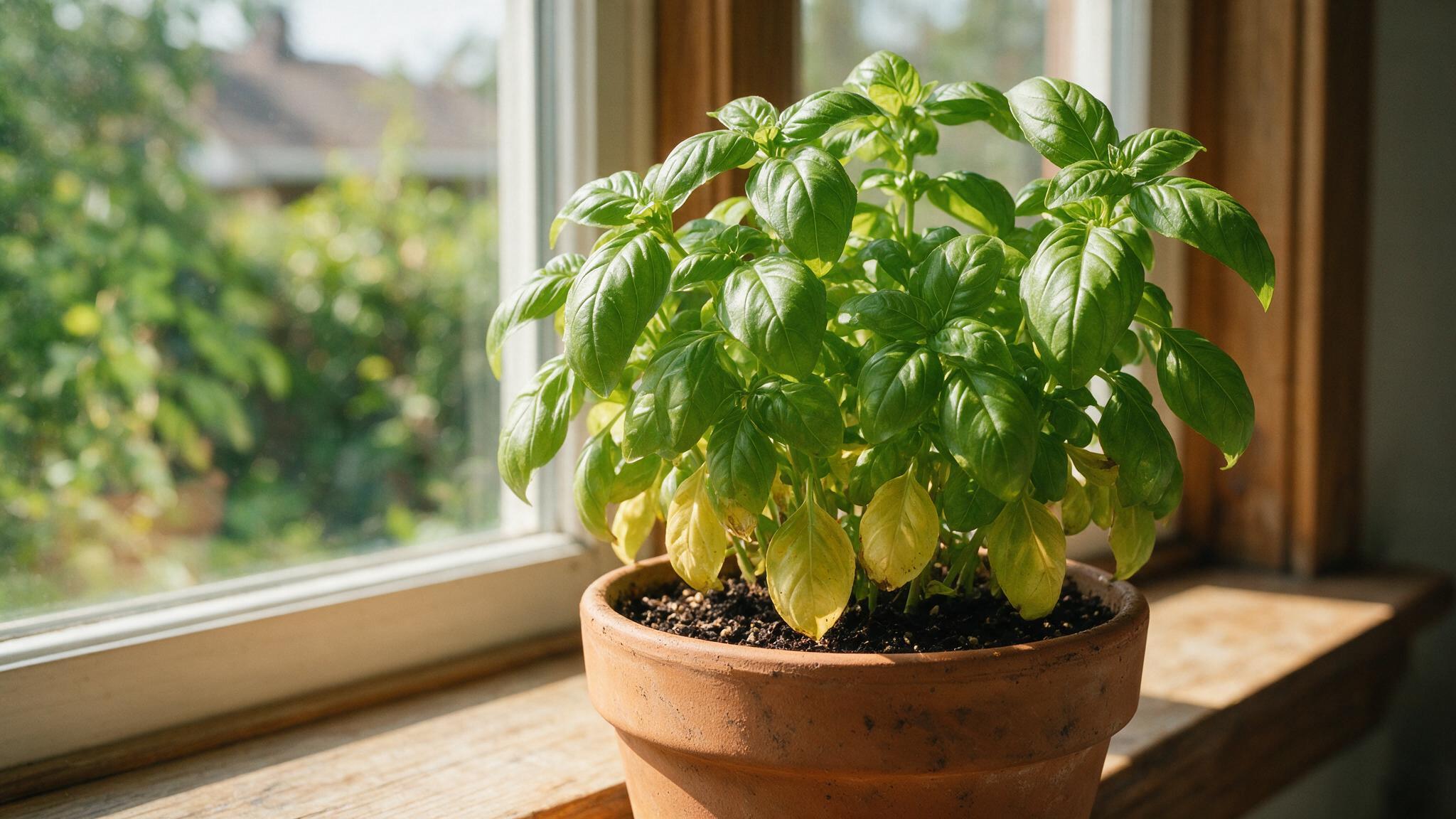
You step into your kitchen or garden, reach for a sprig of fresh basil, and notice the leaves have gone from lush green to a dull, sickly yellow. It’s a frustrating sight, especially when you were counting on that herb for tonight’s dinner. The good news is that yellow basil leaves are almost always a fixable problem once you know what’s causing them.
Basil is one of the most popular herbs grown across the United States, from sunny California container gardens to backyard raised beds in the South. It thrives in warm, sunny weather and is one of the easiest herbs to grow. But even this low-maintenance plant sends distress signals when something is off. Yellow leaves are the most common one.
This guide walks you through every major cause of basil yellowing, how to accurately diagnose what’s happening with your specific plant, and exactly what to do to fix it and keep it from coming back.
What Does It Mean When Your Basil Is Turning Yellow?
When basil leaves turn yellow, the plant is telling you that something in its environment or care routine has gone wrong. It’s a clear signal that something is off in its growing environment, and identifying the root cause early ensures faster recovery and healthier growth.
The yellowing itself is a process called chlorosis — a breakdown or loss of chlorophyll, the green pigment that powers photosynthesis. Without enough chlorophyll, leaves fade to yellow, then often brown, and eventually drop. Leaves may become pale or turn yellow and brown as a sign of distress, and basil is sometimes the first indicator that something is amiss in the bed.
The pattern of yellowing is one of your most useful diagnostic tools. Lower leaves turning yellow often points to nitrogen deficiency or natural aging; young leaves yellowing with green veins suggests magnesium or iron deficiency (interveinal chlorosis); splotchy yellow patches may indicate pests or fungal infections; and an entire plant yellowing rapidly is often due to overwatering or root rot.
Pro Tip: Before you change anything about your care routine, spend 60 seconds studying where the yellowing starts — lower leaves, upper leaves, or all over — and whether the veins stay green. That pattern alone will narrow your diagnosis to two or three likely causes.
Is Yellowing in Basil Always a Sign of a Problem?
Not always. Some yellowing is completely normal and doesn’t require any intervention. Understanding the difference between natural leaf cycling and genuine stress will save you from over-treating a plant that’s actually fine.
Basil naturally sheds its oldest, lowest leaves as it matures. If you see one or two leaves at the very base of the plant turning yellow while the rest of the plant looks healthy and is producing new growth, this is likely just the plant’s normal life cycle. Basil typically wants to “bolt” or go to flower quickly in hot weather. This transition from vegetative leaf growth to reproductive flower and seed growth signals the plant trying to complete its life cycle, and once it starts putting energy into flowers, the lower leaves may begin to yellow.
Transplant shock is another benign cause. Basil may yellow temporarily due to root disturbance or environmental change. Keeping soil moist, providing shade for a few days, and avoiding fertilizing immediately will help it recover.
If the yellowing is spreading, affecting multiple leaves at once, or accompanied by wilting, spots, or leaf drop, that’s when you need to dig deeper into the causes below.
Watering Issues Causing Basil Yellowing
Watering problems — both too much and too little — are the most common reasons basil turns yellow. Over- or underwatering are often the top causes of basil leaves turning yellow and brown, and with both too much and not enough water, leaves turn yellow before dropping prematurely.
Overwatering
Overwatering is the most common reason for yellow basil leaves because many people keep basil in pots in their kitchen. With overwatering, you’ll find soft, spongy, yellow basil leaves accompanied by damp soils. The science behind this is straightforward: when soil remains saturated, air pockets collapse and roots are cut off from oxygen. Without oxygen, root cells cannot produce ATP through aerobic respiration, and that failure halts active nutrient uptake — roots become passive, unable to pull in nitrogen, magnesium, iron, or water. The leaves lose chlorophyll.
If your pot lacks drainage holes, or if the soil is very compacted inside the pot, water could be pooling up in the root zone. You could also just be watering too frequently. In later stages, roots may turn dark, mushy, and foul-smelling, which strongly points to root rot and serious stress inside the plant.
Underwatering
With too little moisture, the leaves turn yellow, brown, and crisp. Underwatering and dry spells result in energy conservation and halting growth, and lower leaves turn and drop as resources decrease. Potted basil is especially vulnerable — containers dry out quickly in the summer heat and need water more frequently than in-ground selections.
The Right Watering Approach
Basil prefers soil that dries out a bit between waterings instead of remaining damp for days. Allowing the soil to dry slightly between waterings helps prevent root stress. Before watering, check the moisture level below the surface by pressing your finger about 2 inches into the soil. Root rot, a result of too much water, is one of the most common reasons for yellow leaves on basil plants. Water basil only when the top 1 to 2 inches of soil is dry, and remember that slightly dry soil is healthier than soggy soil. As a general rule, one deep watering every seven to ten days is adequate.
Pro Tip: Always water at the base of the plant, not over the leaves. Wet foliage invites fungal disease, which is a separate cause of yellowing covered below.
Light Conditions Behind Basil Yellowing
Light is basil’s fuel. Without enough of it, the plant cannot photosynthesize efficiently, and the first visible result is pale, yellowing foliage.
Low light can make basil look weak and droopy, even when the soil moisture is fine. As the plant struggles to get enough energy, the leaves often lose their deep green color and turn lighter green or yellow-green. At the same time, the stems may stretch and become long and thin, giving basil a leggy appearance.
Basil grows best with steady light every day. Outdoors, aim for 6–8 hours of full sun to keep it strong and healthy. In very hot climates, morning sunlight with light afternoon shade often works better, since harsh heat can stress the leaves. This is especially relevant for gardeners in states like Arizona, Texas, or Florida during peak summer.
Indoor basil faces a particular challenge. You’ll need to get the light right or you’ll soon notice basil leaves turning yellow. Start by placing pots of basil in your sunniest window, but know that even a south-facing window may not provide enough light to promote healthy growth, especially if you live in a northern climate in winter. There is a simple solution: a grow light. Indoor basil may require artificial light during winter, ideally for 10 to 12 hours each day.
For the best results with indoor herbs year-round, check out this guide to best houseplants for low-light areas to understand how different plants handle limited indoor light.
Key Insight: Excessive heat can also cause yellowing. Intense midday sun above 90°F can scorch leaves, causing pale or yellow discoloration. Providing partial shade during peak afternoon hours in hot climates helps protect the plant.
Soil, Nutrients, and Root Health Causing Basil Yellowing
Even when you water and light your basil correctly, poor soil conditions or nutrient imbalances can still cause yellowing. These issues are common in container-grown basil, where the soil depletes over time.
Nitrogen, Magnesium, and Iron Deficiency
Basil needs a good supply of nutrients, particularly nitrogen, which is crucial for vibrant green foliage. If your basil is showing a general yellowing, especially on its older, lower leaves, it might be a sign of nitrogen deficiency. A lack of magnesium can lead to yellowing between the leaf veins on older leaves, while iron deficiency often shows up as yellowing on new growth, with the veins stubbornly staying green.
Potassium deficiency is another common culprit. Potassium deficiency is a very common reason for yellowing basil leaves. To identify it, check to see if the yellowing is happening close to the leaf veins. Kelp meal, wood ash, and greensand are excellent organic sources of potassium.
Soil pH Problems
Sometimes, even if nutrients are present in the soil, the pH level might be off, making them unavailable to the plant. Basil prefers its soil to be slightly acidic to neutral, ideally between 6.0 and 7.0. If your soil is too alkaline (above 7.5), certain essential nutrients like iron and manganese become insoluble. A simple inexpensive soil test kit from a garden center can confirm whether pH is the issue. The ideal pH range for basil is 6.0–7.0.
Compacted Soil and Poor Drainage
Compacted soil is suffocating to any plant. Basil especially prefers an airy, oxygenated root zone. If you are growing in a pot, transplanting the basil into a fluffier soil is an easy fix. Look for mixes with lots of peat moss, compost, and perlite.
Over-Fertilizing
Too much fertilizer can cause leaf burn or yellowing and browning of your basil leaves. If the lower leaves are wilting and yellow, you might have over-fertilized. You may also notice the fertilizer crusted on the soil surface. These are all signs that you may have gone overboard on your frequency or dosage. To save an over-fertilized basil plant, remove the harmed leaves and scoop as much of the over-fertilized soil away as possible without damaging the plant roots. Replace with fresh potting soil.
For a broader look at types of plants and their varying soil and nutrient needs, that resource is a good starting point for understanding plant care across different species.
Environmental Stress Triggering Basil Yellowing
Environmental factors beyond water and light can push basil into a yellow spiral. Temperature, humidity, and air circulation all play a role.
Cold Temperatures
Cold temperatures can cause yellowing in basil leaves. Basil thrives in daytime temperatures above 70°F, while nighttime temperatures should remain above 50°F. This is a common issue for US gardeners who put basil outside too early in spring or leave it out too late in fall. Even a few nights near 50°F can cause noticeable leaf yellowing.
Low Humidity Indoors
Indoor air — especially in winter when heaters are running — is often too dry for basil, and humidity can fall below 30%. Since basil leaves are soft and tender, they lose moisture quickly, which can cause drooping even when the soil is still moist. In other words, the plant isn’t drying out in the pot — it’s drying out through its leaves.
If the air stays dry for too long, leaf edges may curl, older leaves may start yellowing, and the plant may feel thin or papery to the touch. This issue becomes more likely when basil is kept near heating vents, fireplaces, air conditioners, or other spots with constant airflow. Move your basil away from those sources and consider placing a small humidifier nearby or setting the pot on a pebble tray with water.
Bolting
When basil bolts — meaning it begins to flower and set seed — it redirects energy away from leaf production. Simply pinch basil flowers off one to two times per week in the summer, or as they appear. This keeps the plant in its vegetative phase and prevents the lower-leaf yellowing that often accompanies flowering.
Pests and Disease Leading to Basil Yellowing
While cultural problems like watering and light are more common, pests and diseases can cause rapid, widespread yellowing that won’t improve no matter how much you adjust your care routine.
Common Pests
Aphids, spider mites, and whiteflies are common sap-sucking pests that feed on basil. Holes in the leaves are obvious indicators of pest damage, but yellowing leaves can also be a sign of insects like aphids. Aphids are small insects that are green, gray, or brown and suck the plant juices from leaves. This damage can cause leaf distortion as well as yellowing.
Japanese beetles feed on leaves, causing them to turn yellow and drop. They may also skeletonize them completely. Various types of caterpillars also feed on basil, leading to foliar damage such as yellowing leaves. Large caterpillars can be manually removed, or you can apply Bt (Bacillus thuringiensis), a natural bacterium that targets these pests.
Root knot nematodes — small, soil-dwelling pests — can cause yellowish basil leaves and small galls on the roots. The best recourse is to harvest the plant and use the healthy leaves.
Downy Mildew
Across the U.S., Basil Downy Mildew is the most likely cause of serious bouts of yellowing, and is usually followed by leaf drop. A gray, fuzzy growth on the underside of the leaves is indicative of downy mildew. The pathogen cannot cross major veins, so it creates a distinctive “blocked” yellow pattern following vein boundaries.
There is no cure for Basil Downy Mildew once a plant is infected. Wisconsin Horticulture Extension recommends harvesting all usable leaves immediately, then removing and disposing of the plant in the trash — not compost. For replanting, choose resistant varieties: Devotion, Passion, Thunderstruck (Rutgers program), Prospera, or Amazel (University of Florida). Thai, lemon, and spice basils are naturally less vulnerable.
Fusarium Wilt
Fusarium wilt is a soil-borne disease that may cause yellowing leaves. It’s also highly contagious and will wipe out your garden if given the chance. There is no chemical cure for fusarium wilt. Remove and discard infected plants immediately, and avoid planting basil in the same soil for several seasons. Choosing resistant varieties like ‘Nufar’ or ‘Aroma 2’ is recommended for fusarium-prone areas.
If you grow basil alongside other crops, understanding companion planting with tomatoes can help you build a healthier, more pest-resistant garden bed overall.
How to Diagnose Why Your Basil Is Turning Yellow
Systematic diagnosis beats guesswork. Work through this checklist before changing anything about your care routine.
- Check the yellowing pattern first. If lower leaves turn yellow first, suspect nutrient deficiency or overwatering. If new growth is affected, consider magnesium or iron deficiency. Check undersides of leaves for pests.
- Feel the soil. Push your finger 2 inches deep. Soggy and cool points to overwatering. Bone dry and pulling away from the pot edges points to underwatering.
- Inspect the leaves closely. If the issue is aphids, they are likely clustered on new growth or hiding beneath leaves. Look for webbing (spider mites), white powdery residue (powdery mildew), or a gray fuzzy coating on leaf undersides (downy mildew).
- Check for the downy mildew vein pattern. If you are unsure whether you are looking at Basil Downy Mildew or a nutrient deficiency, place suspected leaves upside down on a damp paper towel inside a sealed bag and leave in the dark for 24 hours. If BDM is present, spore growth will become visible.
- Evaluate light and temperature. Count how many hours of direct sun the plant receives. Check whether nighttime temperatures have recently dropped below 50°F.
- Test your soil pH. Use a kit to check pH — the ideal range for basil is 6.0–7.0. Nutrients may be present but unavailable if the pH is off.
If you want help identifying what’s affecting your plant visually, a good iPhone plant identification app or Android plant identification app can help you confirm a diagnosis by scanning the leaf.
How to Fix a Basil Plant That Is Turning Yellow
Once you’ve identified the cause, the fix is usually straightforward. Here’s a practical breakdown by problem type.
| Cause | Key Symptom | Fix |
|---|---|---|
| Overwatering | Soft, spongy yellow leaves; damp soil | Stop watering; let soil dry out; ensure pot has drainage holes |
| Underwatering | Yellow, crispy lower leaves; dry soil | Water deeply; check containers more frequently in summer heat |
| Nitrogen deficiency | Yellowing starts on oldest lower leaves | Apply balanced fertilizer or side-dress with compost |
| Iron/magnesium deficiency | Yellowing between veins; veins stay green | Correct soil pH; apply chelated iron or Epsom salt for magnesium |
| Low light | Leggy, pale yellow-green growth | Move to a south-facing window or add a grow light for 12–14 hours/day |
| Cold stress | Yellowing after a cool night | Bring indoors; keep above 50°F at night |
| Aphids/spider mites | Stippled or distorted yellow leaves; pests visible | Spray with insecticidal soap or neem oil weekly |
| Downy mildew | Vein-bounded yellow patches; gray fuzz underneath | Remove and trash plant; replant with resistant variety |
| Over-fertilizing | Wilting yellow lower leaves; crust on soil surface | Remove damaged leaves; replace top layer of soil |
| Compacted soil | Slow growth; poor drainage | Repot into a mix with perlite and compost |
Once a leaf turns yellow, it rarely regains full green color. However, correcting the underlying issue prevents further yellowing and promotes healthy new growth. Remove yellow leaves as you find them — removing them improves air circulation, reduces disease risk, and allows the plant to focus energy on healthy foliage.
For pest control that avoids harsh chemicals, a neem oil spray is generally effective against aphids, whiteflies, Japanese beetles, and spider mites. Aphids are also preyed upon by ladybugs and lacewings, so don’t take action if you notice these beneficial insects among the aphids. If no beneficials are present, you can knock the aphids off the plant with a jet of water from a hose nozzle.
How to Prevent Basil Yellowing Going Forward
Prevention is far easier than recovery. Build these habits into your routine and yellow leaves become a rare exception rather than a recurring frustration.
- Water on a finger-test schedule, not a calendar. Before watering again, always check the soil moisture with your finger. It should never be soggy nor bone dry. Don’t water the basil plant unless the soil is beginning to dry out.
- Use well-draining soil. Basil thrives in well-draining soil with consistent moisture. Use a loamy mix with perlite or sand to improve aeration.
- Ensure your containers have adequate drainage. If you’re growing basil in containers, reduce the risk of overwatering by planting in pots that have drainage holes. No drainage holes means no drainage.
- Fertilize lightly but consistently. With organic soils, basil doesn’t require frequent fertilizer applications. In lean soils, pale or yellow leaves may indicate a lack of essential nutrients. They aren’t heavy feeders, though one or two rounds of fertilizer during the season boosts nutrition. Fertilize at planting and then only once or twice more in the summer.
- Space plants for airflow. Grow basil with enough spacing between plants and plenty of air circulation to reduce fungal disease pressure, particularly downy mildew.
- Pinch flowers regularly. Pinch basil flowers off one to two times per week in the summer, or as they appear, to keep the plant producing leaves instead of seeds.
- Choose resistant varieties if disease is a recurring problem. Using resistant or tolerant varieties of basil is the best way to ensure a supply of fresh basil from your garden. The Prospera series and Devotion are widely available at US garden centers.
- Water at the base, not overhead. Avoid wetting foliage when watering to reduce fungal risks.
- Rotate your planting location. Rotate herbs annually to prevent soil-borne diseases like fusarium wilt from building up in the same spot.
Interplanting with a diversity of blooming plants attracts beneficial predatory insects like ladybugs, green lacewings, and parasitic wasps to help with natural pest control. Basil also makes a strong companion plant to other crops for mutual pest-repelling qualities.
FAQ
Can I Still Eat Yellow Basil Leaves?
Leaves that are slightly yellow but not moldy or slimy are generally safe to eat, though flavor may be diminished. Severely discolored or diseased leaves should be discarded. If the yellowing is caused by a fungal disease like downy mildew, discard those leaves and do not compost them.
Why Are Only the Bottom Leaves on My Basil Turning Yellow?
If your basil is showing a general yellowing especially on its older, lower leaves, it might be a sign of nitrogen deficiency. It can also be the plant’s natural leaf cycling as it matures, or the early stages of overwatering. Check your soil moisture and look for other symptoms before assuming a deficiency.
Why Is My Newly Transplanted Basil Turning Yellow?
This is likely transplant shock. Basil may yellow temporarily due to root disturbance or environmental change. Keep soil moist, provide shade for a few days, and avoid fertilizing immediately. Most plants bounce back within one to two weeks once they establish new roots.
How Often Should I Water Basil in a Container?
Container-grown basil typically needs watering every 2–3 days in warm weather. Always check soil moisture first — water when the top inch feels dry. Adjust frequency based on your climate; basil in hot, dry US regions like the Southwest may need water daily during peak summer.
What Is the White Fuzzy Growth on the Underside of My Basil Leaves?
Across the U.S., Basil Downy Mildew is the most likely cause of serious yellowing and is usually followed by leaf drop. A gray, fuzzy growth on the underside of the leaves is indicative of downy mildew. Remove and dispose of affected plants in the trash immediately to prevent spread to nearby plants.
Should I Remove Yellow Leaves From My Basil?
Yes. Remove yellow leaves to improve airflow and reduce disease risk. Leaving them on the plant wastes energy and creates conditions where fungal diseases can take hold. Snip them off cleanly at the stem with scissors or your fingers.
Can Too Much Sun Cause Yellow Basil Leaves?
While rare, intense midday sun in hot climates can scorch leaves, causing yellow or brown patches. Providing partial shade during peak heat hours helps protect the plant. This is most common in USDA zones 9–11 during July and August.
For more plant care guidance across a wide range of species, browse the full plant types guide on Homequirer, or explore resources like different types of aloe vera plants and different types of rubber plants if you’re expanding your indoor garden beyond herbs.