Traditional Aboriginal Clothing: 12 Garments That Reveal Australia’s Cultural Heritage

November 18, 2026
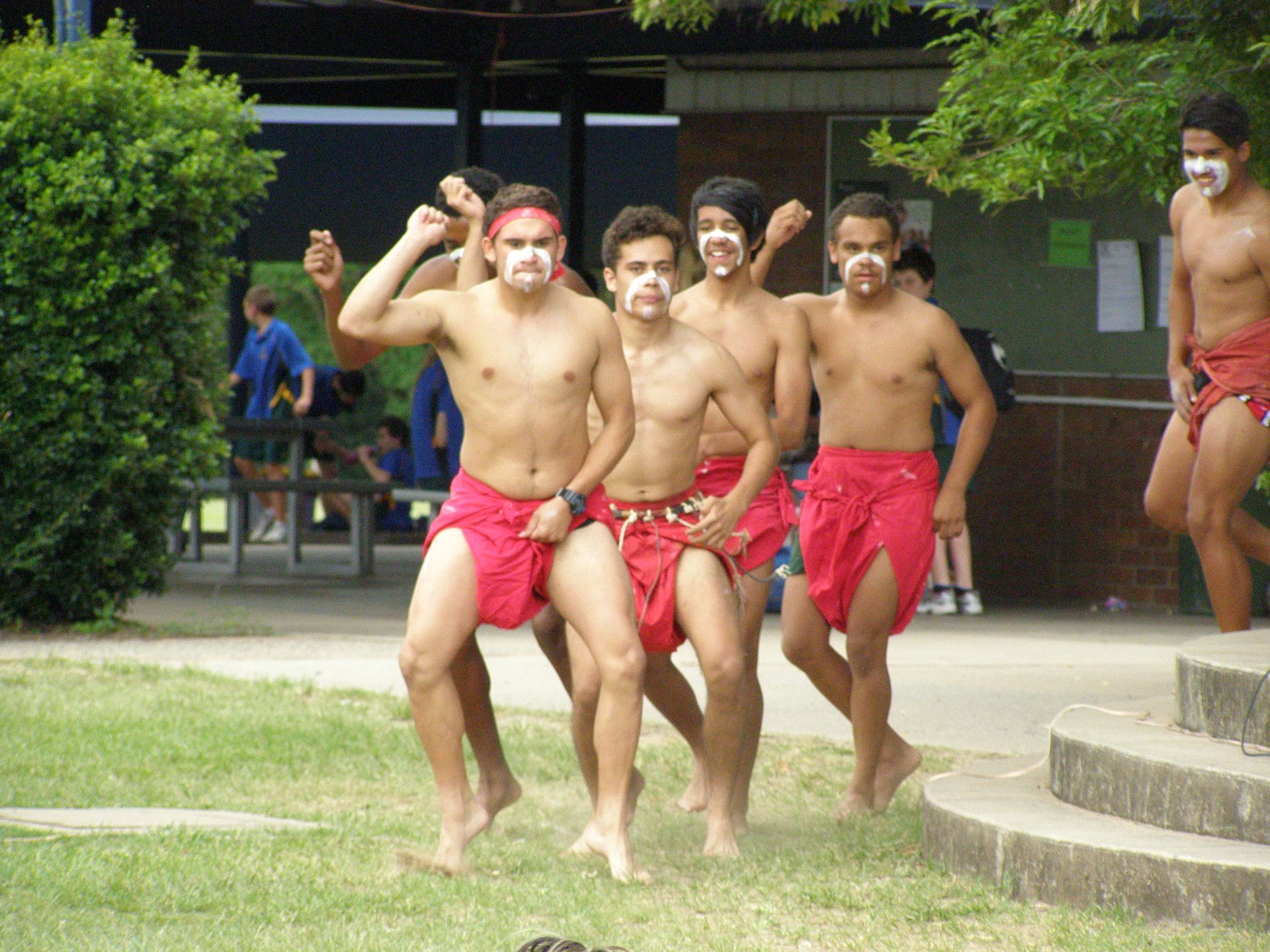
Long before European settlement, Aboriginal communities across Australia developed clothing systems perfectly matched to their local climate, available animals, and ceremonial needs. Traditional aboriginal clothing was never a single uniform style; it changed dramatically between the cold highlands of Victoria, the tropical Kimberley, and the arid interior, with each region producing garments shaped by what the land provided.
This piece walks through twelve garments and adornments that defined daily life and ceremony for First Nations peoples, from animal-skin cloaks stitched with kangaroo sinew to feathered headdresses reserved for specific rites. For a broader look at how First Nations dress fits into the country’s wider sartorial history, the traditional Australian clothing overview offers useful context alongside this list.
1. Possum Skin Cloak
In the cooler south-east of the continent, Trichosurus vulpecula and related possum species supplied the main material for the region’s signature garment. Possum-skin cloaks were a form of clothing worn by Aboriginal people in the south-east of Australia, present-day Victoria, South Australia and New South Wales, made from pelts of various possum species. The cloaks were made from numerous possum pelts sewn together with kangaroo sinew, and often decorated with significant incisions on the inside such as clan insignias.
Making one pelt-by-pelt was a slow, deliberate process. Very small neat stitches were used to create the cloaks and small cuts, using a sharp bone as a knife, were used to carve decorative patterns and record stories onto the leathery side of the skin, with the possum-skins then coloured with ochre. Everyone had a cloak for life, and as a person outgrew their cloak more possum-skins were sewn on to make it larger, so the cloak told their life story.
Surviving examples prove how large and old some of these cloaks became. Two possum-skin cloaks are in Museum Victoria’s collection, one of which dates from 1853 and is made from 83 possum skins, with further cloaks held at the National Museum of Australia in Canberra and four in overseas collections.
Pro Tip: Museum labels sometimes list possum-skin cloaks under regional language names rather than “possum skin cloak,” so looking for terms like batha maruk or booka in collection catalogues often turns up pieces that a general search would miss.
2. Googarra
Among the many regional names recorded for south-eastern skin cloaks, googarra appears in historical and collection records as a local term for a cloak built the same way as its possum-skin and kangaroo-skin counterparts. These garments followed the same general construction logic found across the south-east: individual pelts scraped clean, sun-dried, and joined with sinew or plant-fibre thread before the inner surface was marked with clan-specific designs.
The existence of so many distinct names for what outsiders often lump together as “the Aboriginal cloak” reflects just how localised clothing traditions were. Each language group maintained its own naming conventions, stitching style, and decorative motifs, even when the raw materials and basic cloak shape were broadly similar. This pattern of highly regional naming for a shared garment type echoes the way traditional clothing styles worldwide often carry hyper-local names despite similar underlying construction.
3. Batha Maruk
The Gunaikurnai nation of regional Victoria preserved its own name for the possum-skin cloak, and it survives today through museum display. The Krowathunkooloong Keeping Place, a museum of the Gunaikurnai nation in Bairnsdale in regional Victoria, has possum skin cloaks on display, which in the Gunai language are called batha maruk. The persistence of this specific term shows how cloak-making knowledge survived at a community level even as the broader tradition declined under colonial pressure.
Decline came largely through forced replacement of traditional garments. As Aboriginal people were dispossessed of their land, the making and wearing of cloaks became rarer, and white missionaries and others were very efficient in the distribution of clothing and blankets to Aboriginal communities, which over a few generations caused the tradition of possum skin cloak making to die out. Keeping places like Krowathunkooloong now function as both museums and active sites of cultural knowledge transfer for communities working to rebuild that skill.
4. Worowan
Worowan is another of the regional names attached to the broader family of south-eastern skin cloaks, sitting alongside googarra and batha maruk as evidence of how many distinct naming traditions existed across neighbouring language groups. Rather than a single “Aboriginal cloak,” what existed was a shared technology, pelt preparation, sinew stitching, ochre decoration, expressed through dozens of local names and styles.
This naming diversity matters for how museums and researchers catalogue historical garments today. A cloak labelled under one regional name in a nineteenth-century collection record may be functionally identical to one labelled under another, making careful provenance research essential before drawing conclusions about which community made a specific piece. Readers interested in how other nations handle regional variation within a single national dress tradition may find a useful comparison in traditional Indian clothing, where garment names likewise shift dramatically from state to state despite shared underlying techniques.
5. Kangaroo Skin Cloak
Where possum populations were less abundant or where communities preferred a heavier, more weather-resistant hide, the kangaroo supplied the raw material instead. Wiradjuri people traditionally made Kangaroo Skin Cloaks and Possum Skin Cloaks to wear for warmth and protection, and they were highly valued items used for trade as well as marriage gifts or peace offerings. The cloaks were also used for ceremonial purposes, where the underside of the pelt is incised with various designs to indicate the person’s moiety and totemic connection as well as their journey through life and status within nations and across clan groups.
Beyond ceremony, the cloak served very practical everyday functions. They provided warmth, worn as a shawl or blanket might be today, and also protection from rain since water runs off the fur side, with some cloaks made small enough to carry babies in a sewn-in hood slung down the mother’s back.
In Noongar country, the same animal produced a cloak known by an entirely different name. Cloaks made from animal skins such as kangaroo or possum were worn by First Nations people in the coldest regions of the Australian continent, and in the Noongar language, kangaroo-skin cloaks are called booka. That name has carried into contemporary political life: Member of Parliament Ken Wyatt wore a booka draped over his suit while delivering his first speech to parliament in 2010.
6. Wallaby Skin Cloak
Smaller than the red and grey kangaroo but still plentiful across much of the country, wallabies provided an alternative pelt source wherever kangaroo numbers ran low. Cloaks were crafted from different animal skins and feathers, including possum, kangaroo, wallaby, quoll, sugar-glider, and emu, with the choice of animal often depending on its availability in a particular region.
Koori people in Victoria and New South Wales preferred a possum skin cloak, whilst the Noongar peoples of Western Australia had a preference for kangaroo and wallaby, shaped by the availability, or lack of, these animals in each geographic region. Wallaby hide behaves similarly to kangaroo hide under tanning and stitching, so the construction process, pinning the skin flat, scraping away membrane, and sewing pelts with sinew, carried across easily between the two materials. The same climate-driven logic, building garments from whatever animal the local environment supplied in volume, also shaped cold-weather dress traditions elsewhere, including the layered wool and fur pieces found in traditional German clothing.
7. Emu Feather Cloak
Feathers rather than fur defined this cloak style, giving it a markedly different texture and silhouette from the pelt-based garments worn in the same regions. Cloaks are also known to have been made of animals such as quoll, sugar-glider, and emu, with historical photographs showing a Murri family group in Queensland featuring a woman wearing an emu feather cloak.
Emu plumage was valued for more than cloaks alone; the same feathers appear across other regalia discussed later in this guide. Working with feathers instead of hide required different tools and a different approach to joining material, since feathers cannot be stitched the same way pelts are, they were typically bound to a woven or hide base rather than sewn edge to edge like a possum or kangaroo cloak.
8. Buka Cloak
In the far south-west of the continent, a distinct cloak-making tradition developed independently of the possum-skin practices found further east. A buka, also written boka or booka, is a cloak traditionally worn by Noongar peoples of south-west Western Australia and by the Indigenous peoples of South Australia; unlike in the south-east, where peoples such as the Yorta Yorta wore possum-skin cloaks, Noongar peoples generally use the pelt of the kangaroo.
While in the south-east there was much sewing involved, there was less involved in the south-west, where large skins were sewn together instead. This difference in method, fewer, larger pelts versus many smaller possum pelts, reflects both the larger body size of kangaroos compared to possums and a distinct regional stitching tradition that developed separately from the practices seen in Victoria and New South Wales.
| Cloak Type | Primary Region | Main Material | Regional Name Example |
|---|---|---|---|
| Possum skin cloak | Victoria, NSW, South Australia | Possum pelts, sinew thread | Batha maruk (Gunai) |
| Kangaroo skin cloak | South-east and south-west Australia | Kangaroo pelts | Booka (Noongar) |
| Wallaby skin cloak | South-west Australia | Wallaby pelts | Shared naming with kangaroo cloaks |
| Emu feather cloak | Queensland and inland regions | Emu feathers | Regional variation, no single fixed name |
| Buka cloak | South-west WA, South Australia | Large kangaroo skins | Buka / boka |
9. Plant-Fibre Skirt
Not every garment relied on animal hide. In warmer regions, woven plant material formed the basis of skirts worn by women. Skirts, made from plant fibres, sometimes incorporated human or animal hair, and often showcased detailed weaving techniques. Modern revivals of these forms, alongside possum skin cloaks, sit in collections such as the Australian Museum today.
Plant-fibre work required knowledge of local flora, which grasses, bark, and reeds could be stripped, dried, and twisted into cordage strong enough to hold a woven structure together. This body of botanical knowledge was passed down alongside the weaving technique itself, making skirt-making as much a record of ecological expertise as a clothing craft. Fibre-based garment traditions appear in many warm-climate cultures; the woven and draped fabrics documented in traditional Chinese clothing show a similar reliance on locally available plant materials before manufactured textiles became widespread.
10. Skin or Plant-Fibre Belt
Belts bridged the gap between the two main material traditions, sometimes made from animal hide, sometimes from woven plant fibre, depending on region and purpose. In various regions, belts made of animal skins or woven plant fibres were worn, often signifying rites of passage, like a boy’s transition into manhood.
A belt’s symbolic weight often exceeded its practical function. Marking a transition into adulthood gave the garment ceremonial significance well beyond simply holding other items in place, similar to how a woven obi or sash carries status meaning in traditional Japanese clothing rather than serving purely functional purposes. In both cases, a simple band worn at the waist became a marker of social standing and life stage.
11. Armbands
Daily dress across much of the continent was minimal by design, with most decoration concentrated on a handful of small, portable items rather than full garments. Traditional Australian Aboriginal clothing is often imagined as a minimalistic approach to dressing, though in colder climates full cloaks made of animal skins were often worn instead. In warmer, everyday contexts, armbands filled much of the decorative and social-signalling role that a full cloak played elsewhere.
These bands were typically woven from plant fibre or cut from animal skin and worn tightly around the upper arm, sometimes holding small tools or ornaments in place during hunting or ceremony. Because they required far less material and time than a cloak, armbands could be made, worn, and replaced far more frequently, making them a more visible, everyday form of personal adornment. Simple woven or beaded arm ornaments carrying social meaning also appear in traditional American clothing traditions, where regional materials shape similar small-scale decorative pieces.
12. Feathered Headdress
Ceremony called for garments that daily life did not, and headdresses built from feathers, often the same emu plumage used in feather cloaks, marked out specific roles or events. These pieces were generally reserved for ceremonial contexts rather than everyday wear, reflecting a broader pattern across Aboriginal dress in which the most elaborate items were tied to ritual rather than routine.
Construction typically involved binding feathers to a woven or fibre base, sometimes combined with ochre-marked wood or bone elements, producing a headpiece that could be removed and stored between ceremonies rather than worn continuously. The reservation of elaborate feather and ochre work for specific ceremonial roles parallels how certain embroidered or beaded headpieces in traditional Pakistani clothing are kept for weddings and festivals rather than daily use.
Important Note: Garment names, materials, and ceremonial rules for items like feathered headdresses vary significantly between the hundreds of distinct Aboriginal language groups across Australia. The descriptions above reflect documented regional examples rather than a single, universal Aboriginal clothing tradition.
Looking Back at a Living Tradition
From possum-skin cloaks etched with clan designs to the small, personal weight of an armband, traditional aboriginal clothing reflects an extraordinary range of regional adaptation built from whatever a given landscape could provide. Today there is a revived interest in the production of animal skin cloaks, feather skirts, and other traditional clothing forms, a revival that began in the mid-1990s and has since helped inspire similar movements focused on revitalizing other aspects of traditional culture.
That revival matters because so much of this knowledge was deliberately suppressed. As Aboriginal people were colonised and cultural transmission was criminalised, government blankets replaced the kangaroo and possum skin cloaks, and cloak-making skills were not allowed to continue. Contemporary artists and community groups rebuilding these skills, through keeping places, museum partnerships, and collaborative cloak-making projects, are effectively reconstructing a craft tradition from fragments of surviving pieces, oral history, and historical records.