Why Are My Rubber Plant Leaves Drooping? Causes, Fixes, and Prevention

September 18, 2026
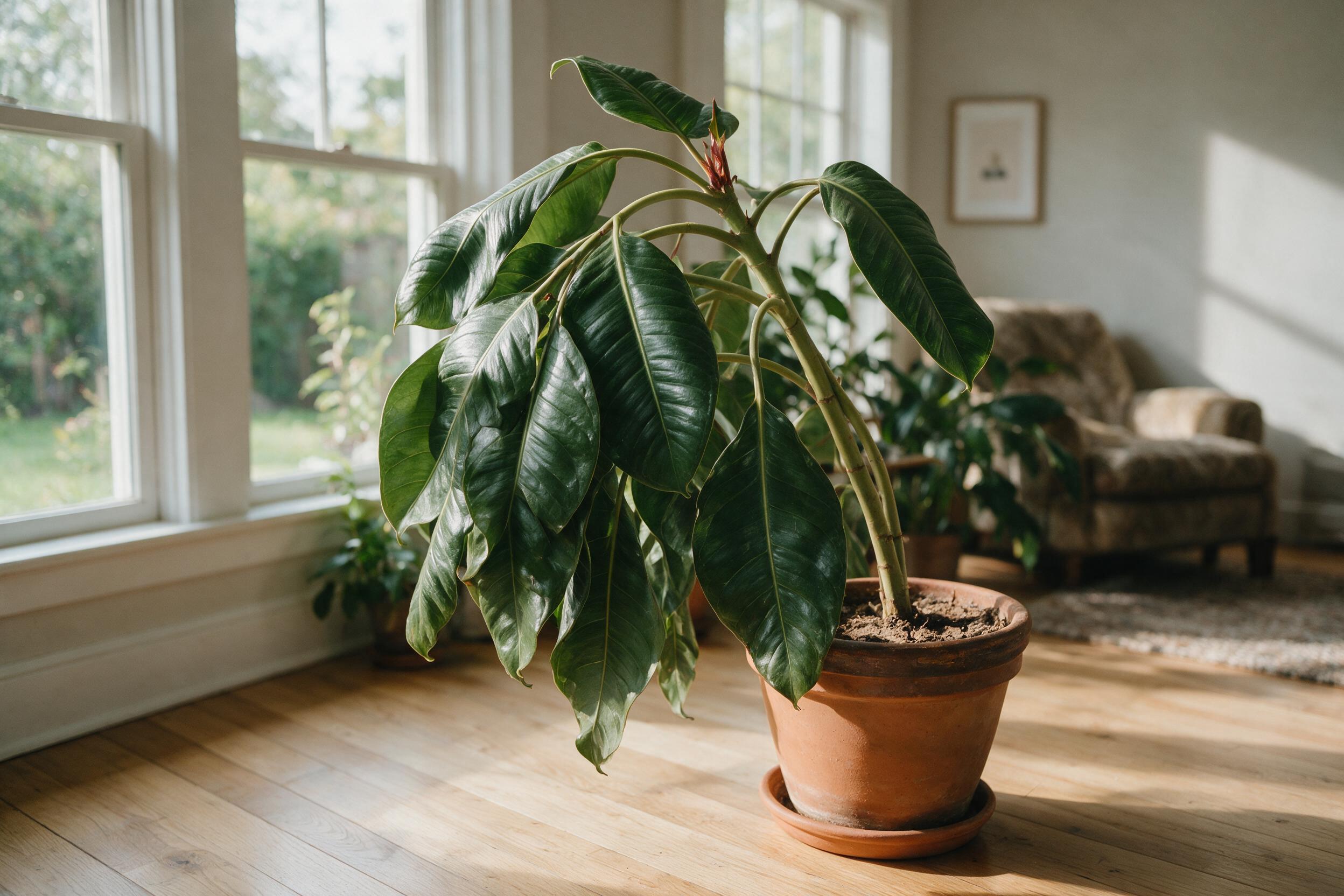
Few things stop a plant lover mid-step like walking past their rubber plant and noticing the leaves hanging limp instead of standing bold and glossy. If you’ve been staring at your plant wondering what went wrong, you’re not alone — drooping leaves are one of the most common complaints among rubber plant owners across the United States.
The good news is that drooping is almost always reversible once you identify the root cause. Rubber plants, or Ficus elastica, are popular ornamental indoor plants prized for their striking foliage. They’re generally forgiving houseplants, but they do communicate stress through their leaves — and drooping is their loudest signal. This guide walks you through every possible cause, a clear diagnosis process, and practical fixes so your plant can bounce back.
What Does It Mean When Your Rubber Plant Is Drooping?
Drooping leaves are your rubber plant’s way of telling you something in its environment is off. Drooping results from a loss of turgor pressure — the internal water pressure that pushes cells’ plasma membranes against cell walls and keeps the plant rigid. When that pressure drops, leaves go limp.
Rubber plant leaves can droop for a few natural reasons, but it’s also a common sign that something in the plant’s environment isn’t quite right. The key is learning to read the other clues that accompany the droop — leaf color, soil moisture, and where on the plant the drooping is happening all point toward different causes.
Rubber plant drooping leaves are caused by poor lighting, salt buildup, nutrient deficiency, root rot, pest infestations, being pot-bound, inconsistent watering, temperature stress, and low humidity, among other factors. That list might feel overwhelming at first, but each cause has a distinct fingerprint that makes it easier to narrow down.
Is Drooping in Rubber Plants Always a Sign of a Problem?
Not always. Some drooping is completely normal and nothing to worry about. As rubber plants grow — especially when they’re putting out new leaves — some temporary drooping can happen. The plant may just be adjusting its energy to support new growth. Young, heavy leaves can cause branches to droop until they get stronger, and this type of drooping usually resolves itself once the leaves mature.
Rubber plants are light-sensitive, so throughout the day you might notice slight changes in how the leaves look depending on the direction and strength of light hitting the plant. Mild drooping in the morning or evening is often just your plant adjusting to the light.
If the drooping looks more noticeable or doesn’t go away, it might mean your rubber plant is stressed or not getting what it needs. That’s when it’s time to investigate further using the sections below.
Pro Tip: Check whether the drooping affects the whole plant or just the lower, older leaves. Lower leaves naturally yellow and drop over time as the plant matures — that’s not the same as stress-related drooping that affects newer growth higher up.
Watering Issues Causing Rubber Plant Drooping
Watering is the most common culprit behind drooping rubber plant leaves, and both too much and too little water can produce the same limp result. If the plant goes limp only when the soil is dry and perks up when you water, underwatering is the cause. If the plant goes limp while the soil is still moist or damp, you’re almost certainly overwatering.
Overwatering
Rubber plants thrive in consistently moist — not waterlogged — soil. When soil becomes saturated, roots suffocate, impeding nutrient absorption and causing drooping. If ignored, the rubber plant can develop root rot, which is much harder to reverse.
If your rubber plant’s foliage is droopy and turning yellow or brown, overwatering is the most likely problem. Stop watering immediately, let the top 1–2 inches of soil dry out completely, and check for drainage issues in the pot.
Underwatering
If the leaves are droopy and slightly crispy, that’s a sign of thirst. Rubber plants like their soil to dry partially — but not completely bone-dry. Stick your finger into the soil 1–2 inches down. If it’s very dry, give it a good soak until water runs out the drainage holes.
Typically, rubber plants need to be watered every one to two weeks, but this can vary based on the environment and the season. Always let the soil guide your schedule rather than the calendar.
Water Quality
A high level of salts in the soil can cause wilting on its own or contribute to the plant’s inability to absorb water by affecting osmosis. If the level of salts in the soil solution reaches a hypertonic state, water can actually be pulled out of cells, causing them to collapse.
Water rubber plants with chemical-free water like rainwater or filtered water to prevent the buildup of salts in the soil. If you’ve been using tap water for a long time, regularly flush out accumulated salts by running a stream of water through the soil until it drains through the drainage hole — repeat the process several times to clear most of the salts.
Pro Tip: During summer in hot, dry parts of the US — like the Southwest or Southeast — your rubber plant may need water more frequently than in cooler months. Always check the soil first rather than watering on a fixed schedule.
Light Conditions Behind Rubber Plant Drooping
Rubber trees appreciate bright, indirect light. Getting the light balance wrong in either direction puts the plant under stress and can cause drooping. This is a particularly common issue in US homes during winter, when natural light drops significantly.
When placed in too little light, rubber tree leaves drooping might be accompanied by leggy growth as the plant stretches toward light sources. Too much direct sunlight causes the leaves to develop sunburn — brown, crispy patches — alongside the drooping.
Plants need adequate light to make food for growth and energy. Insufficient light means the plant cannot make enough food. In an attempt to save energy for vital functions, the plant sacrifices some leaves — they begin by wilting, drooping, yellowing, and eventually dying.
To fix a light problem, move the rubber plant to a brighter spot where it will receive bright light with four to six hours of sunlight. A spot in front of a brightly lit window with some morning or late afternoon sunshine is ideal. To ensure that the plant absorbs enough light through the leaves, regularly clean the leaves by damp-wiping with a soft cloth. Give the pot a quarter turn every month to make sure the plant receives adequate light on all sides.
If natural light is limited in your space, check out this guide to the best houseplants for low-light areas — and consider a full-spectrum grow light to supplement what your rubber plant needs.
Soil, Nutrients, and Root Health Causing Rubber Plant Drooping
What’s happening below the soil surface matters just as much as what’s visible above it. Poor soil, nutrient imbalances, and root problems are all frequent triggers of drooping that many plant owners overlook.
Poor Soil and Drainage
Poor-quality soil does not drain easily and becomes compacted or soggy, which negatively affects plant growth. Too-wet soil causes rotting, yellowing, wilting, and droopy leaves. Pot your rubber plant in a well-aerated, free-draining soil that is rich in organic matter. A blend of 50% potting soil, 30% peat moss or coco coir for moisture retention, and 20% perlite for aeration is ideal for these plants.
Over-Fertilization and Nutrient Deficiency
Nutrient deficiency and over-fertilization can both lead to nutrient imbalances and drooping in rubber plants. Over-fertilizing is a common mistake — fertilizing right after repotting is one scenario to avoid. Since the new soil mix will provide adequate nutrients for several weeks, and the plant is already stressed from the transplant, fertilizing does no good.
Underfeeding means the plant isn’t getting the nutrients it needs for growth and energy. Inadequate nutrients in the actively growing tips cause nutrients to be withdrawn from older lower leaves, which begin to wilt and droop. Feed your rubber plant with a balanced, water-soluble fertilizer every four weeks in spring and summer. Stop feeding in fall and winter to prevent fertilizer burn, as growth is minimal at this time.
Root-Bound Conditions
Being pot-bound means the roots have filled the pot and there is very little soil to hold water when you water the plant. As a result, there is no water for the plant to take up to the leaves, and the leaves lose their stiffness and begin to wilt and droop.
Rubber plants should be moved to a new pot every one to two years. Signs that your plant has outgrown its home include roots that stick out of the drainage hole, peek through the topsoil, or press against the side of the container. Spring or summer is the best time to move your plant into a new container that’s one to two inches larger in diameter.
For more on caring for this species, visit this detailed guide on the rubber tree houseplant.
Root Rot
When roots are compromised, they can’t effectively deliver water and nutrients, resulting in drooping rubber tree leaves. If you suspect root rot, remove the plant from its pot, trim away dark, mushy roots with sterilized scissors, and repot in fresh, well-draining soil. Act quickly — root rot spreads fast.
Important Note: Always use a pot with drainage holes. Decorative pots without drainage trap excess water at the bottom, which is one of the leading causes of root rot in rubber plants kept indoors.
Environmental Stress Triggering Rubber Plant Drooping
Rubber plants are tropical by nature, and the average American home — with its air conditioning, heating vents, and seasonal temperature swings — can be a stressful environment for them.
Temperature Extremes
Rubber plants do best in stable, moderate temperatures — usually around 60 to 75 degrees Fahrenheit. Extreme heat can cause the leaves to lose water quickly, leading to drooping. Cold drafts from doors or windows can also stress the plant.
These tropical natives don’t appreciate cold drafts or sudden temperature fluctuations. Rubber tree drooping leaves could be a response to air conditioning vents blowing directly on the plant. Keep your plant away from exterior doors, drafty windows, and HVAC vents — especially during harsh US winters or peak summer air conditioning season.
Low Humidity
Maintaining moderate to high humidity helps prevent leaf curling and drooping. Most American homes run dry in winter when heating systems are active. Regularly misting the leaves or placing the pot on a tray of moist pebbles can help keep humidity levels high.
If you live in a dry climate or your house is particularly dry, purchasing a humidifier for the room the rubber plant is in should solve the low humidity problem.
Transplant Shock
Repotting will cause some shock to the plant, which may cause some leaves to wilt and droop before the plant adjusts to the new growing conditions. Water the rubber plant thoroughly one day before repotting, as a well-hydrated plant experiences less shock and establishes faster.
Pests and Disease Leading to Rubber Plant Drooping
Rubber plants are prone to mealybugs, aphids, spider mites, and scale insects, which attack new growth and suck the plant sap. These sap-sucking insects are favored by dry conditions and will cause the plant to become dehydrated, resulting in wilting and drooping leaves.
Fungus gnats, spider mites, mealybugs, and other plant pests can flock to the rubber plant’s thick, meaty leaves. Get in the habit of wiping the leaves down with a damp towel every so often to look out for the telltale signs of pests: tiny holes, unexplained yellowing, slimy or sticky residue, or small eggs.
If you do spot an infestation, isolate the affected plant immediately to prevent spread, wipe leaves with a soft cloth and insecticidal soap solution, and for persistent problems, consider neem oil applications every seven to ten days.
Root rot caused by overwatering is the most common disease to watch for. Common pests like aphids and mealybugs, as well as diseases like root rot and powdery mildew, can cause drooping. Powdery mildew typically appears as a white coating on leaves and is often triggered by poor air circulation combined with high humidity.
If you’re looking for tools to identify what’s attacking your plant, these iPhone apps for identifying plants can also help with pest and disease recognition. Android users can check out the best Android apps for identifying plants as well.
Also worth noting: according to the ASPCA, rubber plants are toxic to both cats and dogs, so if you have pets, keep the plant out of reach. If cats are a concern, our guide on how to keep cats out of houseplants has practical solutions.
How to Diagnose Why Your Rubber Plant Is Drooping
Rather than guessing, work through a quick checklist to pinpoint the cause. Most drooping issues reveal themselves within a few minutes of observation.
- Check the soil moisture first. If you notice drooping, you’re probably underwatering or overwatering. Touch the top layer of soil to find out. If it’s bone dry, give it some water. If it’s damp, lay off on the water for the week.
- Look at the color of the drooping leaves. Yellow and droopy usually points to overwatering. Brown, crispy, and droopy leans toward underwatering or too much direct sun.
- Assess the light situation. Finding the sweet spot — perhaps near an east-facing window with filtered light — can work wonders for a rubber tree with drooping leaves.
- Inspect for pests. Check both the top and underside of leaves for tiny bugs, sticky residue, webbing, or small holes. Pay special attention to new growth.
- Check the roots. Check the bottom of the pot for roots growing through the drainage hole — that’s a sign the plant is root-bound. If you suspect root rot, gently unpot the plant and look for dark, mushy roots.
- Consider recent changes. If you moved it recently — new spot, repotting, or a temperature drop — it might be in shock. Give it time to adjust and avoid disturbing it too much.
- Evaluate the temperature and humidity. Has the AC been running constantly? Did you move the plant near a vent or drafty window? These environmental shifts often go unnoticed.
If you’re still unsure what type of rubber plant you have or whether a different variety might be more suited to your home conditions, explore the different types of rubber plants to compare their care needs.
How to Fix a Rubber Plant That Is Drooping
Once you’ve identified the cause, here’s how to address each one effectively.
| Cause | Fix | Timeline to Recovery |
|---|---|---|
| Underwatering | Water thoroughly until it drains from the bottom; let pot soak in water for 15–30 minutes if soil is very dry | A few days to one week |
| Overwatering | Stop watering; let top 1–2 inches dry out; improve drainage | One to two weeks |
| Root rot | Unpot, trim mushy roots with sterilized scissors, repot in fresh well-draining mix | Two to four weeks if caught early |
| Root-bound | Repot into a container 1–2 inches larger in spring or summer | One to three weeks |
| Low light | Move to bright, indirect light; add a grow light if needed; clean leaves with a damp cloth | One to two weeks |
| Temperature or draft stress | Move away from vents, exterior doors, and drafty windows; keep in 60–75°F range | Three to seven days |
| Low humidity | Mist leaves, use a pebble tray, or run a humidifier nearby | Three to seven days |
| Salt buildup | Flush soil thoroughly several times; switch to rainwater or filtered water | One to two weeks |
| Over-fertilization | Remove white crust from soil surface; flush with water; pause feeding | One to three weeks |
| Pests | Isolate plant; wipe leaves with insecticidal soap; apply neem oil every 7–10 days | Two to four weeks |
| Transplant shock | Keep in stable conditions; avoid additional stress; water consistently | One to three weeks |
Within a few days to a week, the leaves should start to perk up once the underlying issue is corrected. If you’re not seeing improvement after two weeks, revisit the diagnosis — sometimes more than one factor is at play.
How to Prevent Rubber Plant Drooping Going Forward
Prevention is far easier than recovery. Building a few consistent habits into your routine keeps your rubber plant healthy and reduces the chance of drooping recurring.
- Water by feel, not by schedule. Wait for the soil’s top one to two inches to dry before each watering. This single habit prevents both overwatering and underwatering.
- Use well-draining soil and a pot with drainage holes. If the soil is consistently waterlogged, repot the plant into fresh, well-draining soil. Use a mix that includes perlite, peat moss, and pine bark to improve drainage and aeration.
- Repot on schedule. Repot your rubber plant every one to two years into a pot that is only slightly larger than the current one. This prevents the roots from becoming pot-bound and ensures the soil remains well-draining.
- Feed correctly and seasonally. Feed your rubber plant with a balanced fertilizer during the growing season. Avoid overfertilizing, which can damage the plant. Skip fertilizer entirely in fall and winter.
- Keep light consistent. Position your plant near a bright window with filtered light. Give the pot a quarter turn every month to make sure the plant receives adequate light on all sides.
- Monitor temperature and airflow. Keep your rubber plant away from drafty areas. Avoid placing it near air vents, large windows, or doors that are frequently opened and closed.
- Clean leaves regularly. Keep the leaves clean by wiping them with a damp cloth. This helps the plant photosynthesize better and deters pests.
- Inspect weekly for pests. The best prevention is great care. If you give your rubber plant the right amount of light and water, fertilize as needed, and wipe down its leaves from time to time, it’ll have a good shot at staying beautiful and bug-free.
If you enjoy growing other houseplants alongside your rubber plant, you might also find value in our guides on types of ivy plants and types of spider plants — both are popular companions in US homes and have similarly manageable care routines.
Pro Tip: Keep a simple plant journal — even just a note on your phone — logging when you water, fertilize, and repot. Patterns in drooping episodes often trace back to a specific care habit, and a log makes those patterns easy to spot.
FAQ
Why Are My Rubber Plant Leaves Drooping Even Though I Just Watered It?
If your rubber plant is drooping right after watering, overwatering is the more likely culprit than underwatering. If the plant goes limp while the soil is still moist or damp, you’re almost certainly overwatering. Let the soil dry out before watering again, and check that your pot has proper drainage.
Can a Drooping Rubber Plant Recover?
Yes, in most cases. Rubber plants drop leaves due to stress — address the stress and you should be able to stop the drop. The sooner you identify and correct the cause, the faster your plant recovers. Root rot caught early is treatable; left too long, it becomes very difficult to reverse.
How Often Should I Water My Rubber Plant to Prevent Drooping?
Rubber plants should be watered every four to five days, but they can go without water for up to seven days. It’s important to assess the soil moisture before watering rather than sticking to a rigid schedule. Season, pot size, and humidity levels all affect how quickly the soil dries out.
Why Are Only the Bottom Leaves of My Rubber Plant Drooping?
When it comes to yellowing or drooping at the bottom, the older leaves of a plant located at the bottom of its canopy will naturally turn yellow and die off over time. If only the lowest, oldest leaves are affected and the rest of the plant looks healthy, this is likely natural leaf cycling rather than a care problem.
Should I Mist My Rubber Plant to Stop Drooping?
Misting can help if low humidity is the cause of drooping, but it won’t fix drooping caused by watering or light issues. Rubber plants like moderate humidity. If your space is dry, you can mist it lightly every few days or keep a tray of water nearby. A humidifier is a more reliable solution for consistently dry homes.
Is My Rubber Plant Drooping Because of the Pot Size?
It could be. If the plant has been in the same pot for a long time, roots may be circling and choking, or the soil may be too tight for water to reach the roots. Check the drainage holes for escaping roots and repot into a container one to two inches larger if needed. You can explore the full range of rubber plant varieties to understand how different cultivars grow and how their pot needs may differ.