
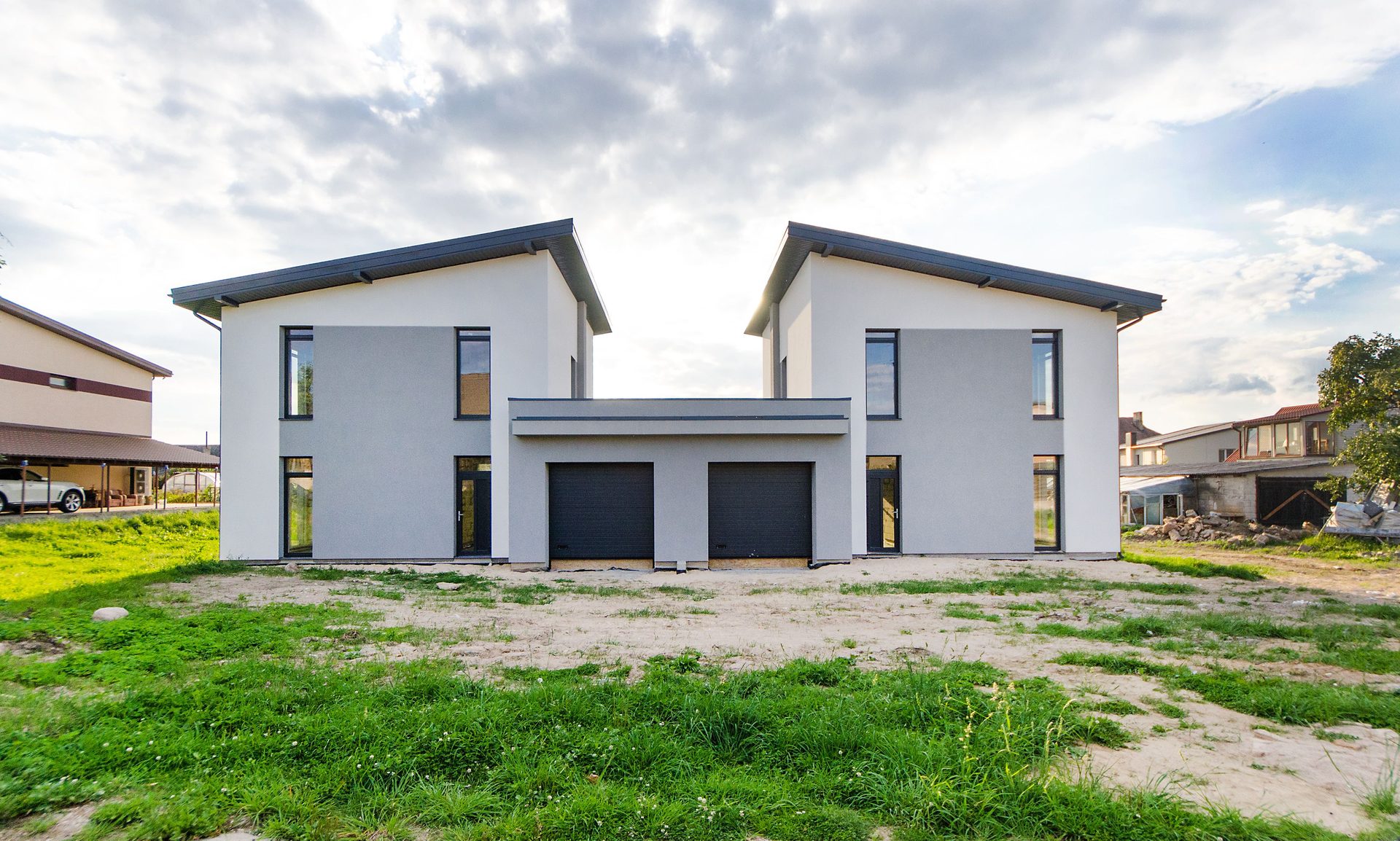
Queenstown is one of the most desirable — and expensive — places to build a home in all of New Zealand. Whether you’re drawn by the alpine scenery, the lifestyle, or the long-term investment potential, the financial reality of building here deserves your full attention before you break ground.
In this guide, you’ll find a detailed breakdown of what it actually costs to build a house in Queenstown, from per-square-metre rates and land prices to the hidden expenses that catch most first-time builders off guard. You’ll also find practical strategies to help you manage your budget without sacrificing quality.
Average Cost to Build a House in Queenstown
Building a house in Queenstown sits at the very top of New Zealand’s construction cost spectrum. Auckland, Wellington, and Queenstown are consistently ranked among the most expensive regions in the country to build. That premium is driven by a combination of high labour demand, challenging terrain, and elevated lifestyle expectations that are unique to the region.
Building a new home in New Zealand remains a significant financial undertaking, with construction cost inflation having stabilised compared to the volatile early 2020s — but buyers still face substantial costs that vary dramatically by region, specification, and site conditions. Queenstown sits firmly at the upper end of that variation.
For a standard 150–200m² home in Queenstown, you should realistically budget between $750,000 and $1,200,000 or more once construction, site works, consents, and professional fees are all included. High-end and architecturally designed custom homes push well beyond that range.
Key Insight: According to Mortgage Lab’s 2026 guide, the average new home in New Zealand costs around $460,000 to build nationally — but Queenstown’s premium site conditions, labour market, and finish expectations mean your all-in budget will be considerably higher than that national figure.
Queenstown build pricing sits above most of New Zealand for clear reasons: the land proves harder to work, the weather acts less forgiving, access proves tighter, and the local trade market remains stretched. These aren’t abstract factors — they translate directly into dollars on your invoice.
Cost to Build a House Per Square Foot in Queenstown
All New Zealand construction is priced per square metre (m²) rather than per square foot. Understanding where Queenstown sits within the national range is the most important number to anchor your planning.
Expect to pay $3,800 to $4,500+ per square metre, especially if you’re building in areas like Queenstown or on complex land. These projects require more skilled labour and longer timelines, which add to the cost. For luxury or architecturally designed custom homes, the figures go higher still.
A high-end custom home in Queenstown sits between $6,000 and $8,000 per square metre as of 2026. For a standard 300m² luxury home, buyers should expect a total build budget of $1.8M to $2.4M, including site works and premium finishes.
| Build Type | Cost Per m² | Estimated Total (150m²) |
|---|---|---|
| Entry-Level / Standard Spec | NZ$2,500–$3,000 | NZ$375,000–$450,000 |
| Mid-Range (Upgrades, Better Fixtures) | NZ$3,000–$4,000 | NZ$450,000–$600,000 |
| Queenstown Premium / Architectural | NZ$3,800–$5,000+ | NZ$570,000–$750,000+ |
| High-End Custom / Luxury | NZ$6,000–$8,000+ | NZ$900,000–$1.2M+ |
Note: These figures cover construction only and exclude land, earthworks, consents, landscaping, and professional fees. You should add 20–30% to your quoted build cost for site works, landscaping, and items outside the standard contract.
Important Note: Square metre rates are a starting point, not a guarantee. As local Queenstown builders note, two homes with the same floor area can land in entirely different cost brackets depending on site conditions, design complexity, and material choices. Always request a detailed, site-specific quote before committing to a budget.
Square metre rates can be dangerously misleading when estimating the true cost of building a quality home in Queenstown. While an average m² rate may provide a vague ballpark, it almost never reflects what’s actually included — and builders often leave out key elements to appear competitive, only for clients to be hit with unexpected costs later.
Cost Breakdown: What You’re Actually Paying For in Queenstown
Your build cost is made up of far more than just the walls and roof. Here is a realistic breakdown of the major cost categories you need to account for when building in Queenstown.
Construction (Structure and Fitout): This is the largest line item. Material choice plays a big role in the final figure. Standard materials like vinyl flooring, laminate benchtops, and basic fixtures will keep costs down, while premium finishes such as hardwood floors, stone benchtops, and designer fittings can increase costs significantly.
Site Works and Earthworks: Many local sites in Queenstown sit on steep, exposed slopes, and some sections cut directly into solid rock — meaning builders cannot simply pour a flat concrete slab. Earthworks on a sloping Queenstown site can easily run from $50,000 to well over $100,000 depending on the severity of the grade and soil conditions.
Council Consents and Compliance: You’ll need building consents, inspections, and possibly resource consents depending on your site and design — and these come with separate fees. In the Queenstown-Lakes District, consent fees and compliance costs are above the national average due to the complexity of many sites.
Professional Fees: If you hire an architect or want a custom layout, those design services are additional. Expect architect and engineering fees to add 10–15% on top of your construction budget for a complex or architectural build.
Landscaping and Finishing: Grass, fencing, gardens, driveways, and outdoor spaces are usually not part of the base per-metre rate. Budget at least $30,000–$80,000 for landscaping and external finishing in Queenstown, where outdoor living areas are a significant part of the lifestyle appeal.
Utilities and Connections: Connecting to water, power, and wastewater services adds cost, particularly on sections that are further from existing infrastructure. If you’re building on a rural or lifestyle section, costs for water tanks and septic systems can add $15,000–$20,000 for water tanks and $20,000–$35,000 for a modern wastewater treatment system.
Pro Tip: Always add a contingency buffer to your total budget. Industry experts recommend adding 10–20% to your total estimated budget for unexpected expenses. In Queenstown, where site conditions are unpredictable and trades are in high demand, leaning toward the 20% end is the safer approach.
Cost of Land in Queenstown
Land in Queenstown is among the most expensive in New Zealand, and it represents a substantial portion of your total project cost. Queenstown is one of New Zealand’s most exciting places to live, but the town comes with a hefty price tag — and house prices are regularly in the millions.
According to QV’s revaluation data (effective date 1 September 2024, released March 2025), the average land value in Queenstown-Lakes has increased by 19.3% to a new average of $1,076,925. QV noted these averages were heavily skewed by the upper end of the market, with the median land value being $860,000.
For residential sections specifically, the highest section sale in a recent reporting period reached $1,375,000, while the average sale price settled at $775,145 — reflecting ongoing demand for land as buyers look to build new homes or invest in future development opportunities. (Note: Ray White Queenstown’s market report covers sales up to January 2025.)
Lifestyle and rural sections command even more. Since 2021, the average capital value of a lifestyle property has increased by 28.7% to $4,386,000, while the corresponding land value for a lifestyle property increased by 27.7% to $2,713,000.
| Land Type | Approximate Price Range | Notes |
|---|---|---|
| Residential Section (standard) | $600,000–$1,375,000+ | Average ~$775,145 (as of Jan 2025, REINZ) |
| Median Land Value (district-wide) | ~$860,000 | QV revaluation, effective Sep 2024 |
| Average Land Value (district-wide) | ~$1,076,925 | Skewed by upper-market properties |
| Lifestyle Property Land | $2,000,000–$4,000,000+ | Average $2,713,000 (QV, 2024) |
When you add land to construction costs, the total investment for a new build in Queenstown can easily exceed $1.5M–$2M for a standard residential home. QV’s revaluation figures reported an average house value of $2,035,732 but a median house value of $1,610,000 for Queenstown-Lakes District — which gives you a useful benchmark for what comparable finished properties are worth in the market.
Factors That Affect Building Costs in Queenstown
Several forces push Queenstown’s build costs above the national average. Understanding them helps you make smarter decisions before you commit to a site or design.
Site Conditions and Topography: Steep sites incur extra land removal costs, can require extra retaining costs and engineering costs, and will often involve more expense in the building process due to waterproofing and code requirements. Many of Queenstown’s most desirable sections sit on exactly these kinds of slopes. Two architectural homes in Queenstown with similar floor areas can land in different cost brackets if one section needs serious ground engineering.
Labour Market Pressure: Queenstown’s high cost of living translates directly to higher labour costs. Skilled tradespeople command a premium in this market, and their availability is limited. Over the past 12–18 months, both labour and material costs have continued to rise across New Zealand, with builders dealing with supply delays, higher freight fees, and increased wages — all of which affect your total price per square metre.
Design Complexity: Clients in Queenstown expect a higher finish level, larger glazing packages, more engineered structure, and stronger performance across heating, insulation, and weather-tightness. These aren’t optional extras in Queenstown’s alpine climate — they’re practical necessities that add to the base cost. If you’re also considering building a greenhouse on your property, factor that into your overall site budget as well.
Cladding and Material Choices: Cladding a house in timber is expensive both at the time and for upkeep, while schist and stonework are also costly — though utilising these in small areas as a feature rather than cladding the whole home can make a meaningful difference to both appeal and cost.
Otago Regional Cost Premium: The most expensive region to build in New Zealand is Otago at $3,900 per m² on average, and Otago saw the biggest increase from 2023, with costs increasing by 20%. Queenstown, sitting within the Otago region, drives much of that premium.
Consent and Regulatory Complexity: With Queenstown’s unique landscape, steep sites, premium expectations, and strict building regulations, the consent and compliance process adds both time and cost. Resource consents may be required for certain sites, adding further fees and delays.
Common Mistake: Buying a section based on price alone without getting a geotechnical report first. A “cheap” sloping section can often be more expensive than a flat, pricier section once retaining and earthworks are factored in. Always get a geotech report before committing to land purchase.
Building vs. Buying a House in Queenstown
With construction costs and land prices both at a premium, it’s worth seriously weighing whether building or buying an existing home makes more financial sense for your situation in Queenstown.
The Case for Building: Building a new home offers advantages that existing homes cannot match — modern insulation, double glazing, and efficient heating systems reduce running costs; everything is new with warranties providing protection against defects; and you get exactly what you want rather than compromising on someone else’s layout. In Queenstown’s alpine environment, energy efficiency and weathertightness are especially valuable.
The Case for Buying: In many places, once you factor in the price of buying a section, purchasing an existing home can often work out cheaper than building a new house. In Queenstown, where both land and construction costs are at the top of the national scale, this trade-off is particularly pronounced. You also avoid the 12–18 months of construction time, holding costs, and the stress of managing a build.
The Financial Reality: Whether building makes financial sense depends on land costs in your area, your ability to manage the process, and your tolerance for the inevitable challenges that construction brings. In Queenstown specifically, the combination of high land values and premium build rates means the total cost of a new build will often exceed the purchase price of a comparable existing home — particularly at the standard residential end of the market.
| Factor | Building New | Buying Existing |
|---|---|---|
| Total Cost | $1.5M–$2.5M+ (all-in) | Median ~$1,610,000 (QV 2024) |
| Customisation | Full control over design | Limited to what’s available |
| Timeline | 18–24+ months | Weeks to months |
| Energy Efficiency | Modern standards, lower running costs | Variable — may need upgrades |
| Risk | Cost overruns, delays, consent issues | Hidden defects, renovation costs |
| Finance | 10% deposit typically required | 20% deposit for existing homes |
One financial advantage of building is that new builds typically require only a 10% deposit compared to 20% for existing homes — a meaningful difference when you’re working with Queenstown-level price tags. If you’re also exploring rental options while your build is underway, it may be useful to compare apartment costs in other high-demand cities to understand how Queenstown’s rental market compares globally.
How to Save Money When Building a House in Queenstown
Queenstown will always be an expensive place to build — but there are meaningful decisions you can make at every stage of the process to keep costs under control without compromising the quality of your finished home.
Choose Your Section Carefully: The land you buy has an outsized impact on your total build cost. A flat, well-serviced section with good soil conditions will cost significantly less to build on than a steep, rocky site — even if the purchase price is higher. A flat section with good soil is generally cheaper to build on; sloped sites may require retaining walls, earthworks, and engineering which can add tens of thousands to your cost, while poor soil conditions may also demand stronger, more expensive foundations.
Simplify Your Design: Every architectural complexity adds cost. Choose a simple shape — every corner adds cost, and a square or rectangular footprint is the cheapest to build. Complex rooflines with internal gutters are expensive and prone to leaks. Reducing unnecessary hallways and dead space also frees up budget for the rooms you actually live in.
Use Standard Materials Strategically: You don’t have to choose between a beautiful home and a manageable budget. Utilising schist and stonework in small areas as a feature, rather than trying to clad your whole home in it, will instantly make a difference to both the appeal and likely the value of your home. Reserve premium materials for high-impact, high-visibility areas.
Get a Fixed-Price Contract: A fixed-price contract offers more cost certainty, while a cost-plus contract can be riskier if prices rise during construction. Given Queenstown’s active labour market and the potential for material cost fluctuations, a fixed-price contract protects you from budget blowouts. Many builders have shifted toward offering fixed-price contracts to help homeowners avoid budget shocks.
Collect Multiple Quotes: Consult multiple builders, request detailed quotes, and ensure all potential costs are included — both mandatory and optional. Builder pricing varies significantly in Queenstown, and a more thorough quote from one builder may actually save you money compared to a lower-looking quote that excludes key items.
Engage Professionals Early: The pre-design and consenting phase, which covers briefing, concept work, preliminary pricing, architectural drafting, consultant input, and the consent process, typically takes four to six months. Engaging your architect, engineer, and builder early — rather than rushing decisions — reduces costly changes mid-build and helps identify site challenges before they become expensive surprises.
Plan Your Contingency: No matter how carefully you plan, unexpected costs arise. Budget an extra 10–15% for contingencies at a minimum. In Queenstown, where alpine weather, complex sites, and a competitive trades market can all create delays, a 20% buffer is a more prudent target.
Pro Tip: If you’re considering building in a new development like Jacks Point or Three Parks, house-and-land packages from established builders can offer more cost certainty than a fully custom build. One recent Jacks Point build came in at $1.8M because the clients made disciplined choices around footprint efficiency — focusing on making every square metre work harder rather than chasing extra area, which minimised wasted hallway space and optimised room layouts.
Building in Queenstown is a significant financial undertaking, but with the right site, a well-planned design, and a trusted builder, it’s entirely achievable. If you’re weighing up your housing options more broadly, it may also help to explore what apartment living costs in other cities — from Honolulu to Miami and Seattle — to put Queenstown’s property market in a broader context. The key is going in with realistic numbers, a thorough understanding of your site, and a contingency buffer that reflects the realities of building in one of New Zealand’s most dynamic and demanding markets.