Why Are My Peace Lily Leaves Turning Brown? Causes and Fixes

October 5, 2026
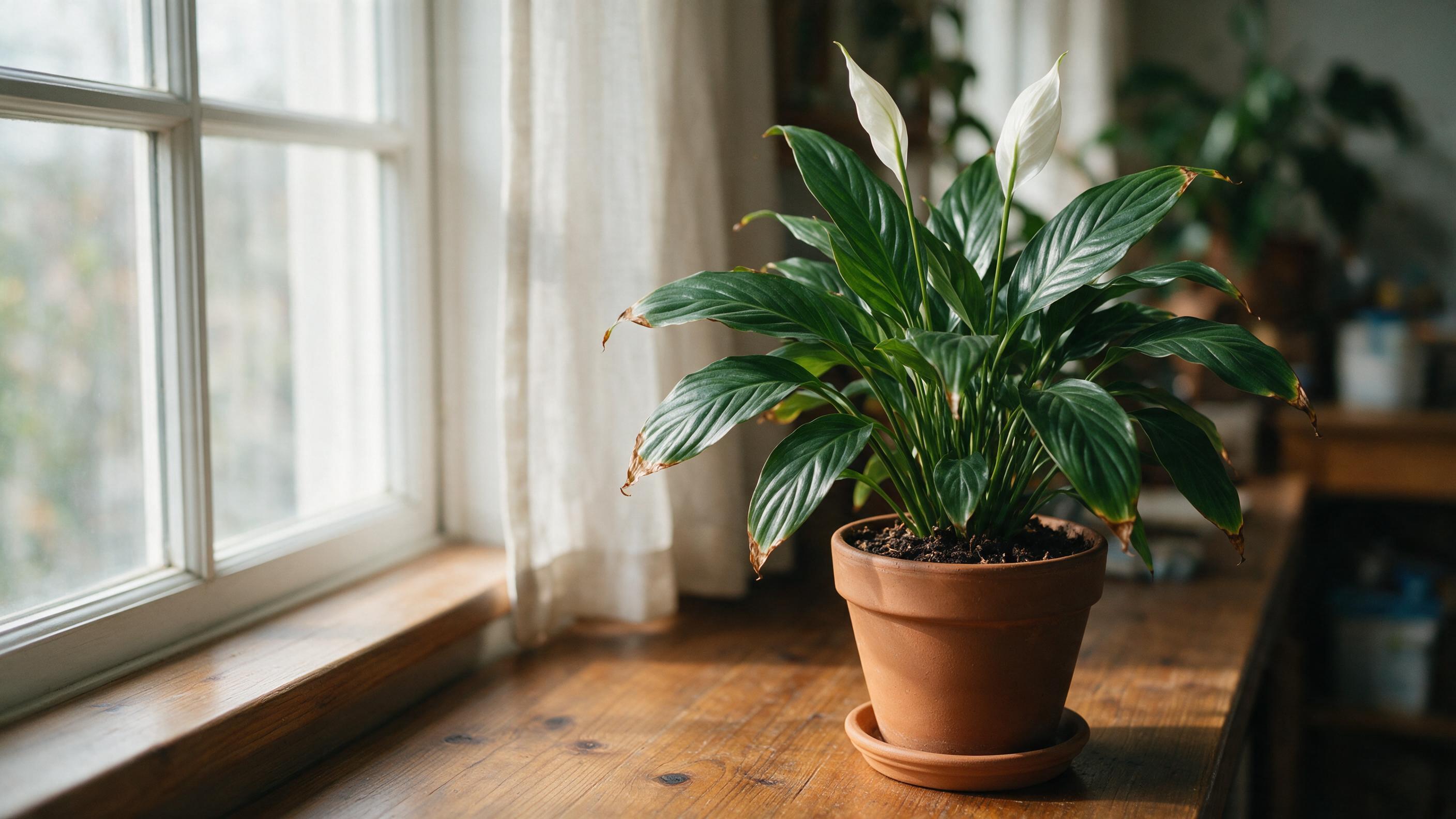
Peace lilies are one of the most forgiving houseplants you can grow indoors, but they have a flair for the dramatic when something is off. When peace lily leaves start turning brown, your plant is sending a clear distress signal — those crispy brown tips and edges indicate problems with watering, light, humidity, or water quality that need attention. The good news is that brown leaves are almost always a solvable problem once you know what to look for.
Whether you’re seeing just a few discolored tips or whole leaves going brown, the pattern and location of the browning tell you a lot about what’s wrong. This guide walks you through every major cause, how to diagnose the issue, and exactly what to do to get your plant looking healthy again. If you’re exploring other best houseplants for low-light areas, peace lilies are a popular choice — but they do have specific needs worth understanding.
What Does It Mean When Your Peace Lily Has Brown Leaves?
The peace lily (Spathiphyllum wallisii) is a tropical evergreen native to humid forest floors, which means it evolved in conditions quite different from the average American living room. Peace lilies are perennial evergreen plants with glossy, dark green oval-shaped leaves and distinctive white flowers; they are native to tropical regions and thrive in indirect sunlight and humid conditions. When your home’s environment drifts too far from those tropical roots, the leaves respond by turning brown.
If your peace lily leaves are turning brown, the cause usually depends on where and how the browning appears — different discoloration patterns signal different stress factors affecting your plant. Here’s a quick reference for reading those patterns:
- Brown tips: Often caused by underwatering, low indoor humidity, or chemical sensitivity from tap water (fluoride and chlorine buildup).
- Brown edges: Typically linked to dry air, fertilizer salt accumulation in the soil, or poor drainage restricting healthy root function.
- Brown patches on leaves: Usually a sign of direct sunlight exposure, heat stress, or leaf scorch from excessive light.
- Whole leaf turning brown: Indicates severe dehydration, root damage from overwatering, compacted soil, or sudden temperature fluctuations.
Once you identify the pattern, you’re already halfway to a fix. The sections below cover each cause in detail so you can match your plant’s symptoms to a solution.
Is Brown Discoloration in Peace Lilies Always a Sign of a Problem?
Not always. While one or two brown leaves might simply mean natural aging, widespread browning across multiple leaves points to specific care issues you can correct. Older, lower leaves naturally yellow and then brown as the plant redirects energy to new growth — this is completely normal and not a cause for concern.
When the foliage starts to yellow, it usually turns brown before gradually dying and falling off — this could be due to the natural process of aging. If you’re only seeing one or two older leaves go brown at the base of the plant while new leaves emerge healthy and green, your peace lily is simply doing what healthy plants do.
The situation warrants attention when browning is widespread, affects new or mid-plant leaves, or is accompanied by other symptoms like wilting, musty odors, or visible pests. It is important to differentiate between plant problems caused by diseases (termed “biotic”) and those caused by environmental factors including cultural care (termed “abiotic”) — both fungal diseases and cultural care can cause brown tips on leaves. In most cases, the cause is a care-related issue that you can fix at home.
Pro Tip: Snap a photo of the browning pattern before you make any changes. The location, shape, and spread of the discoloration are your best diagnostic clues — and the photo helps you track whether your fix is working over the following weeks.
Watering Issues Causing Peace Lily Brown Leaves
Water is the most common culprit behind brown peace lily leaves, and both too much and too little can cause damage — just in different ways.
Overwatering and Root Rot
Overwatering is one of the most common causes of peace lily leaves turning brown, and it usually begins with hidden root stress. When a peace lily sits in constantly wet, poorly draining, or compacted potting soil, the roots cannot access oxygen. As those roots suffocate and begin to rot, they lose the ability to transport water and nutrients to the leaves — causing the very browning and wilting that often makes owners water more, compounding the problem.
Signs of overwatering include a heavy pot, soil that stays wet for days, a musty smell, and yellowing that may accompany brown tips. After watering, never let the plant sit in a saucer of excess water, as this will lead to root rot issues.
Underwatering
When any plant does not receive enough water, the tips of the leaves may shrivel and turn brown — leaves turning brown at the tips are incredibly common in peace lilies and relate to a moisture issue, with the most likely cause being underwatering. Just a few missed waterings will cause the tips of the leaves to brown and crisp due to lack of moisture, never returning to their previous green color.
Signs of underwatering include a pot that feels feather-light, tips that are brown with curling edges, and a plant that perks up after watering. Fix it by establishing a steady rhythm: water when the top inch is dry, then drain fully.
Tap Water Chemicals and Salt Buildup
Brown tips usually come from dry air (low humidity), minerals/additives in tap water (hard water, fluoride, chlorine, or sodium from softeners), and salt buildup from fertilizer. Many US municipalities use chloramine rather than simple chlorine, which does not evaporate when water sits overnight. Letting tap water sit overnight may dissipate chlorine, but it won’t remove fluoride, hard-water minerals, or chloramine — use distilled, RO, or rainwater instead.
Brown tips combined with a white crust on the soil or pot rim indicate salts and minerals — switch the water source and flush the soil. Flush the soil every 2–3 months during active growth, or anytime you notice white crust on the soil or pot rim — use 2–3 times the pot’s volume of clean water.
Pro Tip: If you use a water softener at home, avoid using that water on your peace lily. Ion-exchange softeners replace calcium and magnesium with sodium, which is rough on roots and leaf margins. Use a separate filtered or distilled source for your houseplants.
Light Conditions Behind Peace Lily Brown Leaves
Peace lilies thrive in bright, indirect light. Too much direct sunlight can be harmful, leading to the scorching of leaves and flowers — a peace lily exposed to too much direct sunlight will show signs of stress, and its leaves may turn brown. In most American homes, a spot near an east-facing window or several feet back from a south- or west-facing window is ideal.
Too much direct sunlight or positioning too close to grow lights causes brown, burned patches on leaves. Move your peace lily to the middle of a room or a spot where it receives filtered light rather than direct sun rays. Windows with sheer curtains work well, or position the plant several feet back from bright windows.
Too little light is also a problem. Insufficient light can be detrimental — inadequate light stunts growth and, over time, can cause the peace lily flowers and leaves to turn brown and eventually die. Peace lilies will tolerate low light conditions but grow best in bright indirect light. If your plant is in a dim corner and producing few or no new leaves, moving it closer to a light source (while avoiding direct sun) can make a significant difference. You can also explore plant identification apps that often include light-requirement guides for common houseplants.
| Light Condition | Effect on Peace Lily | Fix |
|---|---|---|
| Direct sunlight | Brown burned patches, leaf scorch | Move back from window or add sheer curtain |
| Bright indirect light | Healthy, glossy green leaves | Ideal — maintain this position |
| Low/dim light | Stunted growth, browning, fewer flowers | Relocate closer to a filtered light source |
Soil, Nutrients, and Root Health Causing Peace Lily Brown Leaves
The soil your peace lily grows in affects everything from moisture retention to root health to how quickly salts accumulate at leaf tips.
Poor Soil Mix and Drainage
A tight, peat-heavy, or exhausted mix traps water and salts around roots — you can spot it when water pools on top or drains slowly with a muddy texture. Fix it by repotting into 2 parts houseplant mix, 1 part fine bark, and 1 part perlite or pumice. Peace lilies will flourish in almost any well-drained potting mix.
Overfertilizing
Excess fertilizer can cause browning leaves in peace lilies. When you fertilize plants, the fertilizer salts are taken up by the plant and stored along leaf margins and tips — this can cause fertilizer burn, leading to marginal or tip necrosis.
Peace lilies need very little fertilizer. When fertilizing, use a balanced liquid houseplant fertilizer such as 20-20-20, every six to eight weeks during the spring and summer growing season, mixing at one-quarter of the recommended strength. Overfertilizing peace lilies can cause the leaf tips and roots to burn and turn brown. If you’ve overdone it, flush the soil thoroughly with clean water and hold off on feeding for at least two months.
Root-Bound Plants
A peace lily that has outgrown its container will struggle. When a plant is root-bound, the ratio of roots to soil is too high, meaning there isn’t enough soil to hold the moisture and nutrients required to support the plant. Signs include roots peeking from drainage holes, water running through too fast, and frequent wilting. Fix it by repotting 1–2 inches wider (or dividing) into fresh, airy mix.
Peace lilies like to be slightly pot-bound, but it is time to repot if roots start growing through the drainage holes or circle on top of the soil surface. Choose a container that is just one to two inches larger than the original pot — using too large a pot may keep the potting mix too wet, leading to root rot.
Nutrient Deficiencies
A magnesium deficiency can cause plants to become stunted — leaf tissue between the veins may turn yellow while veins remain green, and the edges of the leaves can turn brown through overfertilization or excessive drying. If you haven’t fertilized in over a year and the plant is showing interveinal yellowing alongside browning edges, a diluted balanced fertilizer applied once during the growing season can help.
Environmental Stress Triggering Peace Lily Brown Leaves
Your home’s climate — temperature, humidity, and airflow — has a direct impact on your peace lily’s leaf health.
Low Humidity
Low humidity produces brown, papery tips and edges, worst on leaves farthest from the soil line. Fix it with a pebble tray or room humidifier, cluster plants together, and keep the plant away from constant airflow. Although less common than watering issues, lack of humidity can also be the cause — these tropical houseplants love high humidity and need a humidity level above at least 40% at minimum to thrive.
Browning is often worse in winter or air-conditioned rooms, where low humidity is the culprit — raise the relative humidity to 40–60%. A small humidifier near your plant grouping is the most reliable solution, especially in dry US climates or during winter when forced-air heating strips moisture from indoor air.
Temperature Extremes and Drafts
Keep your peace lily away from drafts — they don’t like sudden temperature changes, so keep them away from open windows or air conditioning vents. If your flowers or leaves are turning brown only on the side facing a vent or window, temperature stress is likely the culprit. Move the plant to a spot where the air is still.
Maintain a temperature of 65°F–85°F and humidity of 50%–60%. Avoid placing your peace lily near exterior doors, drafty windows, or directly below air conditioning vents — all common setups in American homes during summer months.
Leaf Shine Products
Oily sprays and some leaf-shine cleaners can clog pores or burn edges under light — you may notice brown speckling or tips appearing after using a new product. Skip shine products and wipe dust with a damp, soft cloth only. The wide glossy leaves accumulate dust, so wipe leaves regularly with a damp cloth to clean the foliage.
Pests and Disease Leading to Peace Lily Brown Leaves
Peace lilies have few insect pests, but fungus gnats, mealybugs, spider mites, and scales can be problematic — examine the leaves often for evidence of insect infestations. Pest damage tends to produce irregular brown spots or stippling rather than the uniform tip browning caused by watering or humidity issues.
Common Pests
Fine bronzing or speckling across the leaves, sometimes paired with delicate webbing between the stems, is a sign that you have sap-sucking insects feeding on your plant. Clusters of white, cotton-like material along the leaf joints or small brown bumps lining the stem are indicators of other pests.
- Spider mites: Start by increasing humidity and regularly rinsing leaves with a steady stream of lukewarm water to remove the mites and webbing. Insecticidal soaps and horticultural oils like neem oil have been shown to effectively reduce mite populations when applied thoroughly to the undersides of the leaves.
- Mealybugs: Mealybugs respond well to spot treatments with alcohol-soaked cotton swabs for small infestations. For larger outbreaks, try an insecticidal soap to break down their protective coatings.
- Scale insects: Scale insects can be removed manually by gently wiping them off with a soft cloth or a cotton swab dipped in alcohol. Follow up with an oil application to smother remaining insects and newly hatched crawlers.
- Fungus gnats: To manage fungus gnats, allow the top inch of soil to dry between waterings. If you see small, mosquito-like insects flying up when you water your peace lily, you probably have fungus gnats breeding in the potting mix — while adults are more of an annoyance, larvae feed on organic matter and, in some cases, the roots.
Fungal and Bacterial Disease
A water mold called Phytophthora nicotianae causes leaf blight on a large variety of plants — it is generally spread by splashing water, and high moisture levels and humidity are ideal conditions for infection. The primary symptoms are leaf margins and centers that have black or brown dead spots.
Root and stem diseases are the most common disease problem and are usually associated with over-watering practices. If you suspect root rot, remove the plant from its pot, trim any black or mushy roots with clean scissors, and repot into fresh, well-draining mix. You can also check out plant care apps for Android that help identify common houseplant diseases from photos. For those interested in learning about other types of plants and their specific vulnerabilities, building that broader knowledge helps you spot problems faster across your whole collection.
Important Note: Always quarantine a new peace lily for two to four weeks before placing it near other houseplants. New plants can bring unwanted guests — isolate them before introducing them to your plant family.
How to Diagnose Why Your Peace Lily Leaves Are Turning Brown
A systematic check takes about five minutes and will point you to the right fix without guesswork. Work through these steps in order:
- Read the browning pattern. Crispy tips = humidity or water quality. Brown edges = salts or dry air. Burned patches = too much sun. Whole-leaf browning = root damage or severe dehydration. Irregular spots = pests or disease.
- Check the soil moisture. Stick your finger two inches into the soil. Soggy and smelly points to overwatering; bone-dry and pulling away from the pot sides points to underwatering.
- Inspect the roots. Check the bottom of the pot — if you see thick, woody roots spiraling out of the drainage holes, or if water runs straight through the pot without soaking in, your plant is likely root-bound.
- Look at the light. Is the plant in direct sun for more than an hour a day? Is it in a dim corner with no natural light? Either extreme can cause browning.
- Check for pests. If you’ve confirmed that moisture, light, temperature, and soil conditions are all within ideal parameters, check for common pest symptoms. Look under the leaves with a magnifying glass if needed.
- Review your water source and feeding history. Brown tips combined with a white crust on the soil or pot rim, and a plant that improves with rain or filtered water, point to mineral buildup. If you’ve been fertilizing frequently, salt accumulation is likely.
How to Fix a Peace Lily That Has Brown Leaves
Once you’ve identified the cause, here’s how to take action. Address the root problem first — trimming brown leaves before fixing the underlying issue won’t stop new browning from appearing.
Trim the Damaged Leaves
Use clean scissors and follow the natural outline of the leaf, trimming only the brown portion — this doesn’t harm the plant and improves appearance immediately. Remove brown leaves as soon as you notice them and after correcting the underlying cause. Trim brown leaves at the base of the stem using clean scissors or pruning shears. Damaged tissue won’t re-green — focus on prevention: better water quality, steady moisture, moderate humidity, and gentle feeding.
Fix Watering Habits
Soil should be kept moist but not soggy and allowed to dry out slightly between waterings. Switch to distilled, filtered, or collected rainwater if you’ve been using tap water. Leach your houseplants two or three times per year or whenever you notice a white mineral buildup on the soil — do this by flushing your plant with three times the volume of water as the volume of soil in the pot, and let your plant drain completely.
Adjust the Environment
Move the plant out of direct sun and away from heating vents, AC units, and drafty windows. Maintain a temperature of 65°F–85°F and humidity of 50%–60%. A pebble tray filled with water placed under the pot (without letting the pot sit in the water) is an easy, low-cost way to raise local humidity around the plant.
Address Fertilizer Burn
If you have overfertilized, flush the soil with water until it runs clear and hold off for the next couple of months to allow the plant to recover. Going forward, feed lightly at half strength every 4–6 weeks in spring and summer only.
Treat Pests
Isolate the affected plant immediately. Apply neem oil or insecticidal soap to all leaf surfaces, including undersides, and repeat every five to seven days for three weeks to break the pest life cycle. The solution starts with pruning the affected leaves and quarantining the plant — apply neem oil at regular intervals until all signs of infestation are gone.
How to Prevent Peace Lily Brown Leaves Going Forward
Prevention is far easier than recovery. Building a consistent care routine around your peace lily’s natural preferences keeps browning from becoming a recurring problem. For comparison, understanding the care needs of other popular houseplants — like rubber plants or spider plants — shows that peace lilies are actually among the more straightforward to maintain once their preferences are locked in.
- Water consistently. These plants need consistently moist (but not waterlogged) soil and love water more than most other houseplants. Check the top inch of soil before each watering rather than following a fixed schedule — seasonal changes in your home affect how quickly soil dries out.
- Use quality water. Stick with distilled, filtered, or rainwater. If you use tap water, let it sit for 24 hours to dissipate some chlorine, but know that fluoride and chloramine will remain.
- Maintain humidity. Try to keep the humidity between 40–60%. Group your peace lily with other houseplants to create a naturally more humid microclimate, or use a small humidifier in dry months.
- Fertilize lightly. Only fertilize peace lilies during the growing season in spring and summer. Use a diluted balanced fertilizer at quarter to half strength, and flush the soil every few months to prevent salt accumulation.
- Choose the right spot. Find a spot with bright filtered light — direct sunlight can scorch leaves, whereas too little light can cause stunted growth and fewer flowers.
- Repot on schedule. Peace lilies should generally be repotted every 2 to 4 years, depending on how fast they grow. Fresh soil removes accumulated salts and gives roots room to breathe.
- Inspect regularly. Examine the leaves often for evidence of insect infestations. Catching pests early — before they spread — saves you significant trouble down the line.
Pro Tip: If your peace lily consistently develops brown tips despite good watering and humidity habits, the culprit is almost always your tap water. Many US cities use fluoridated water, and peace lilies are notably sensitive to fluoride accumulation. Switching permanently to distilled or collected rainwater is the single most impactful change most American plant owners can make.
For more ideas on building a thriving indoor garden, browse our guide to the best houseplants for low-light areas or explore types of ivy plants that pair beautifully with peace lilies in a home collection. If you have pets, it’s also worth checking which strategies keep cats away from houseplants — peace lily sap is toxic to cats and dogs when ingested.
Frequently Asked Questions
Will Brown Peace Lily Leaves Turn Green Again?
No — damaged tissue won’t re-green. Focus on prevention: better water quality, steady moisture, moderate humidity, and gentle feeding. Once you fix the underlying cause, new leaves will emerge healthy and green. Trim the brown portions to improve the plant’s appearance in the meantime.
Should I Cut Off Brown Peace Lily Leaves?
Yes. Trimming improves appearance and redirects energy to healthy growth rather than maintaining damaged foliage — remove brown leaves as soon as you notice them and after correcting the underlying cause. Use clean, sharp scissors to avoid introducing bacteria to the cut site.
How Often Should I Water My Peace Lily?
Water at least once a week and use well-draining soil. That said, the exact frequency depends on your pot size, soil mix, light level, and season. Always check the top inch of soil first — if it’s still moist, wait another day or two. When your peace lily is thirsty, the leaves will droop noticeably — once you give it a drink, it will perk up again quickly. Watch for drooping leaves as a sign that your plant needs watering.
Why Are My Peace Lily Leaf Tips Brown Even Though I Water Regularly?
Brown tips on peace lily leaves can be caused by tap water containing chlorine or fluoride, overfertilizing, underwatering, overwatering, excessive light or heat, lack of proper humidity, or exposure to air vents or heaters. Regular watering with the wrong type of water — or in a low-humidity environment — is enough to cause persistent tip browning even when your schedule is consistent. Switch to distilled or filtered water and check your home’s humidity level.
Can Too Much Fertilizer Cause Brown Tips?
Excess nutrients draw water out of leaf tips through osmotic burn and build crust in the pot — you’ll see brown tips and edges plus a salt crust after feeding. Feed lightly at half strength every 4–6 weeks in spring and summer only, and flush the pot if you’ve overdone it.
Are Peace Lilies Toxic to Pets?
Yes. Peace lilies contain calcium oxalate crystals that cause oral irritation, drooling, and vomiting in cats and dogs if ingested. Keep your plant out of reach of pets, and check out our guide on plants that naturally repel cats if you’re looking for ways to protect your houseplants without relocating them. You can also read about how to keep cats out of houseplants for practical deterrent strategies.
How Do I Know If My Peace Lily Has Root Rot?
Signs include a heavy pot, soil that stays wet for days, a musty smell, and yellowing that may accompany brown tips. To confirm, remove the plant from its pot and examine the roots. Healthy roots are white and firm; rotten roots are brown, black, and mushy. The only way to save the plant in this case is to repot immediately — trim away the affected roots and stems and clean off all the old soil, as it may continue to harbor the fungus.