
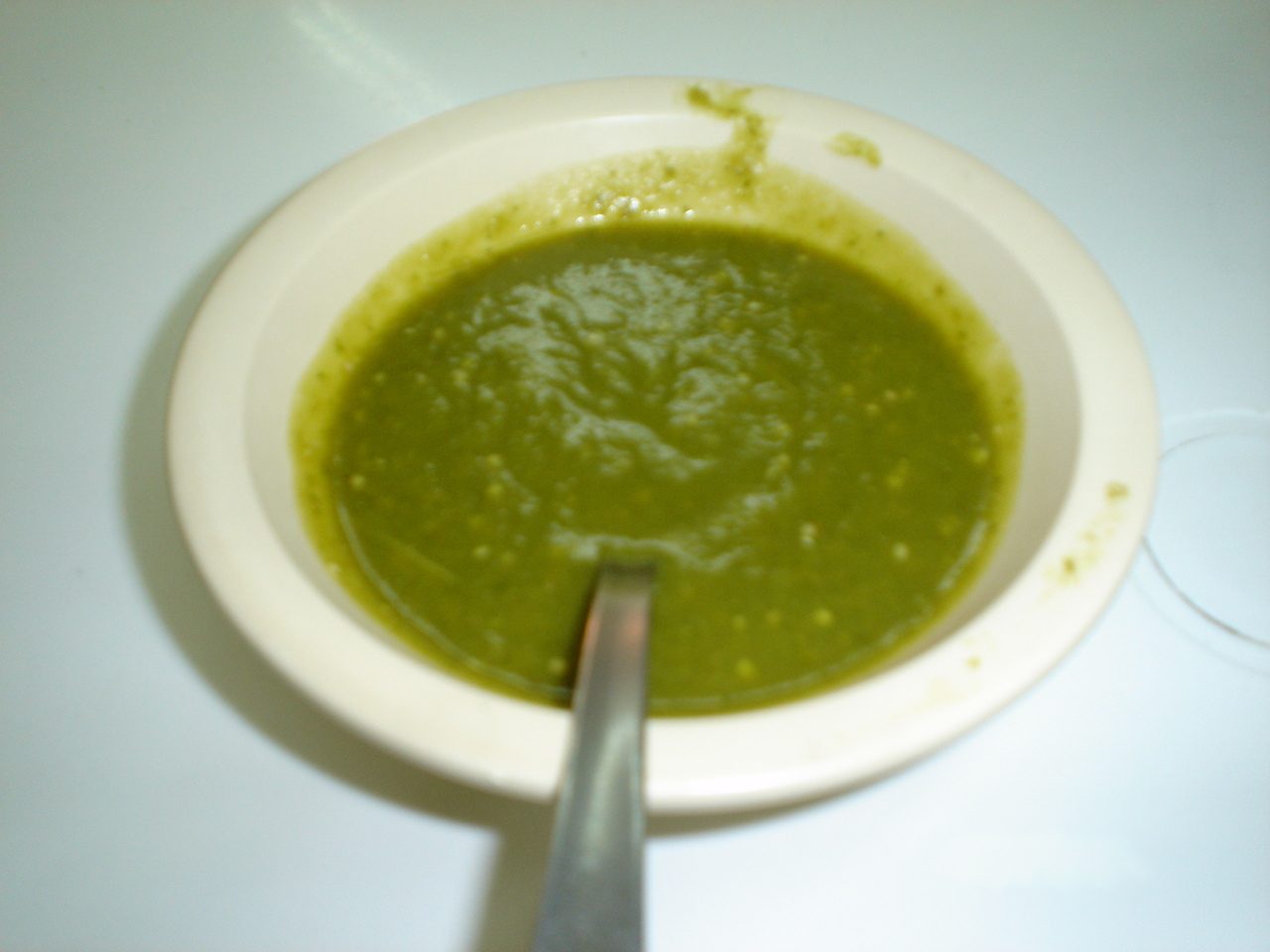
Salsa verde is one of those sauces that disappears fast — until you make a big batch and suddenly have more than you can use in a week. Whether you roasted a pile of tomatillos at peak season, bought an extra jar on sale, or simply cooked more than you needed for enchilada night, the freezer is your best option for keeping it fresh.
The good news is that salsa verde freezes better than most salsas. Its smooth, blended consistency holds up well to freezing, and its bold flavor survives the process with minimal loss. This guide walks you through everything — from how to freeze it properly to how long it lasts, how to thaw it, and the best ways to put it to use afterward.
Can You Freeze Salsa Verde?
Yes, you can freeze salsa verde. Whether homemade or store-bought, salsa verde can be stored in the freezer for later use. It’s one of the more freezer-friendly salsas you’ll come across, and that comes down to how it’s made.
Salsa verde can be frozen like its red tomato counterpart. Because salsa verde is typically puréed during the preparation process, it is one of the easiest salsas to freeze. The thicker, more blended nature of the salsa means that it will preserve most of its original texture after being frozen and defrosted.
Cooked salsas like salsa roja or salsa verde freeze better than raw salsas like pico de gallo. If you’re wondering whether to freeze it or just refrigerate it, keep in mind that fresh salsa verde kept in the fridge should not be stored for more than one week at maximum. Freezing extends that shelf life significantly.
Pro Tip: Freeze salsa verde in single-use portions rather than one large container. You’ll avoid waste and won’t need to refreeze what you don’t use.
Does Freezing Change the Texture or Taste of Salsa Verde?
Freezing salsa verde may slightly alter its texture, potentially making it a bit more watery once thawed. However, a quick stir usually rectifies this issue and brings back the original consistency. For most uses, this change is barely noticeable.
Freezing can cause the water inside the sauce’s ingredients to form ice crystals, which might lead to a separation or a softer texture once thawed. This change can be more pronounced if the salsa verde contains a higher proportion of water-rich ingredients. Nevertheless, the flavor compounds in the sauce are generally resilient to freezing temperatures, meaning that while the texture might change, the essential flavors of the salsa verde can remain intact.
Most salsas discolor a little while in the freezer. This is safe, and it will be just as tasty, but it won’t have that vibrant color you love about this type of salsa. You can help keep the color intact a little better by adding a squeeze of lemon juice to the salsa verde before freezing it.
While freezing itself doesn’t drastically change the spiciness, the overall flavor profile may mellow slightly over time. You might find that a salsa that was intensely spicy when fresh is slightly milder after being frozen for several months. A splash of lime juice after thawing can bring back some of that brightness.
| Quality Factor | After Freezing | Fix |
|---|---|---|
| Texture | Slightly more watery | Stir well or blend briefly |
| Flavor | Mostly intact; may mellow | Add a squeeze of lime after thawing |
| Color | May dull slightly | Add lemon juice before freezing |
| Consistency | May separate | Quick blitz in blender |
How to Freeze Salsa Verde the Right Way
Freezing salsa verde takes less than 10 minutes if you have the right containers ready. The steps below apply to both homemade and store-bought versions.
- Cool it completely. Before freezing, make sure your salsa verde has cooled to room temperature. Spreading it out in a shallow container speeds up this process. If you freeze it while still warm, ice crystals will form unevenly, which can affect the texture when you thaw it later.
- Choose your containers. Use airtight containers or heavy-duty freezer bags. Glass jars work well too, but leave about 1 inch of headspace at the top since liquids expand when frozen.
- Portion it out. Freeze the salsa in small portions, roughly 1/2 cup at a time, because you don’t need much more than that for most uses, and it’s easy to grab a few portions when needed. Ice cube trays work well for even smaller amounts.
- Remove excess air. Squeeze out as much air as possible before sealing to prevent freezer burn. For containers, fill them to about three-quarters full.
- Label everything. Always label your salsa verde with the date of freezing to keep track of its quality. Include the contents if you freeze multiple sauces.
- Freeze flat, then stack. Place filled bags flat on a baking sheet before freezing. Once frozen solid, you can stack them vertically like books, saving freezer space.
Pro Tip: If you often use small quantities, consider freezing your salsa verde in ice cube trays for convenient, portioned servings. Once frozen, transfer the cubes to a zip-top freezer bag to free up the tray.
How Long Can You Freeze Salsa Verde?
Most sources agree that salsa verde is best used within two to three months of freezing, though it can last longer. Salsa verde keeps best when used within 3 months. While it’s still safe to consume after this period, the quality may start to degrade.
Frozen salsa verde can last for up to 4–6 months in the freezer without significant loss of quality. After this time, the flavor may start to diminish, and freezer burn may become more apparent.
The length of time salsa verde is kept frozen also impacts its quality. It is generally recommended to consume frozen salsa within two months to enjoy optimal freshness, taste, and nutritional benefits. Prolonged freezing can result in flavor and texture changes due to the formation of ice crystals, which can also affect the structure of the salsa when thawed.
| Storage Method | Estimated Shelf Life | Quality |
|---|---|---|
| Refrigerator (opened) | Up to 1 week | Best |
| Freezer (0–2 months) | Up to 2 months | Excellent |
| Freezer (2–3 months) | 2–3 months | Very good |
| Freezer (3–6 months) | Up to 6 months | Acceptable; may lose some zing |
How to Thaw Frozen Salsa Verde
How you thaw salsa verde matters as much as how you freeze it. The wrong method can make it watery or uneven in texture.
Refrigerator (best method): The best way to defrost salsa verde is in the fridge. Simply move it from the freezer to the refrigerator and let it thaw overnight. This slow method minimizes texture changes and keeps the salsa safe throughout.
Cold water (faster option): If you’re in a hurry, you can defrost salsa verde in a sink filled with cold water. Keep the salsa in its bag or container and replace the water every 30 minutes until it’s thawed.
Microwave (last resort): Microwave in 30-second bursts until fully thawed. Be aware that microwaving can cause uneven heating, so stir between bursts and watch the texture closely.
Never thaw at room temperature or in warm water — this can affect both texture and safety. Once thawed, give the salsa a good stir. If your salsa verde is a bit watery after defrosting, a quick blitz in a blender or food processor can help restore its consistency.
Pro Tip: If the salsa is still too watery after thawing, try simmering it for 5–10 minutes to thicken it back up. A splash of lime juice can revive the tang.
Can You Refreeze Salsa Verde After Thawing?
Refreezing salsa verde is not recommended as it can significantly reduce its quality and texture. Beyond the texture issue, there’s a food safety concern as well.
Refreezing is not recommended. Each freeze-thaw cycle degrades the texture and flavor of the salsa. It also increases the risk of bacterial growth.
The practical fix is simple: think about what portion you will be able to eat next time you use it. If you have too much salsa, split it up into two or three small containers and use it on different days. Portioning before freezing eliminates the need to refreeze entirely.
How to Use Frozen Salsa Verde (Best Uses After Freezing)
Thawed salsa verde is just as useful as fresh — and in some cooked applications, it may actually taste better. The texture changes slightly, but the flavor stays remarkably close to day-one quality. Frozen salsa verde works especially well in cooked dishes because the flavors meld even better when heated.
Here are some of the best ways to use it after thawing:
- Enchiladas verdes: Because salsa verde is meant to be a thicker liquid anyway, the texture change will not be noticeable at all when the thawed salsa is added to recipes like enchiladas verde.
- Tacos and burritos: Spoon it over grilled chicken, carnitas, or roasted vegetables for a quick weeknight meal.
- Soups and stews: Using older frozen salsa in cooked dishes like soups or stews can help mask any minor changes in texture or taste.
- Marinades: Frozen salsa verde is excellent for use in cooked dishes like stews, sauces, and marinades. The textural changes are less noticeable when the salsa verde is cooked.
- Eggs: Spoon thawed salsa verde over scrambled eggs or huevos rancheros for a fast, flavorful breakfast.
- Grilled fish or chicken: Use it as a finishing sauce or basting liquid. It works as an easy sauce for grilled fish, a flavoring base for soup, or as a snack. It’s as spicy as you want it to be and very versatile.
- Dip: If the texture is still smooth after thawing, it works fine as a chip dip or drizzle over nachos.
Pairing salsa verde with whole plant-based foods like roasted vegetables or grain bowls is a great way to add bold flavor without extra calories. You can also explore how salsa verde fits into broader traditional food traditions around the world — green herb sauces appear in many global cuisines beyond Mexican cooking.
Signs That Frozen Salsa Verde Has Gone Bad
Frozen salsa verde is generally safe to eat past the three-month mark, but quality does decline. Here’s what to look for before using it:
- Freezer burn: Look for any signs of freezer burn, excessive ice crystals, or changes in color or odor. While these factors don’t necessarily mean the salsa is unsafe, they can indicate a significant loss of quality.
- Off smell: Fresh salsa verde has a bright, tangy, herby aroma. If it smells sour, fermented, or off after thawing, discard it.
- Unusual color: Some dulling of color is normal after freezing. A gray or brown tint that goes beyond light fading, however, is a sign of significant degradation.
- Mold: Any visible mold growth means the salsa should be thrown out immediately, even if it was stored correctly.
- Watery separation beyond normal: A small amount of liquid separation is expected after thawing. If the salsa is almost entirely liquid with very little solids, the quality has broken down too far to save.
Important Note: When in doubt, throw it out. Salsa verde is inexpensive and easy to make — it’s not worth risking foodborne illness over a batch that’s past its prime.
If you’re focused on keeping your kitchen stocked with nutritious, functional foods, it helps to understand which ingredients pull double duty. Tomatillos, cilantro, and lime — the backbone of salsa verde — overlap with foods that support liver function and appear on many lists of superfoods for a healthy heart. Keeping a stash of frozen salsa verde means those ingredients are always on hand.
Frequently Asked Questions
Can you freeze store-bought salsa verde?
Yes. Whether homemade or store-bought, salsa verde can be stored in the freezer for later use. Transfer it to a freezer-safe container or bag before freezing, since the original jar or can may not be suitable for the freezer.
Can you freeze salsa verde in glass jars?
Glass jars work well, but leave about 1 inch of headspace at the top since liquids expand when frozen. Use jars that are labeled freezer-safe to avoid cracking.
Does freezing salsa verde kill bacteria?
Freezing stops bacterial growth but does not kill bacteria already present. Always start with fresh, high-quality salsa, and never freeze salsa verde that has already been sitting in the fridge for more than a week.
Can you freeze salsa verde with avocado or sour cream in it?
Dairy and avocado do not freeze well. Both separate and become grainy or watery after thawing. If your salsa verde contains either ingredient, it’s better to refrigerate and use it within a few days rather than freeze it.
How do you know when frozen salsa verde is fully thawed?
It should be fully liquid with no icy chunks remaining. Give it a stir — if it moves freely and feels uniformly cold (not partially frozen), it’s ready to use.
Can you use frozen salsa verde without thawing?
Yes, in cooked applications. Add frozen salsa verde cubes directly to soups, braises, or sauces and let them melt into the dish as it heats. This works well and saves time. For use as a dip or topping, thaw it first.
For more ideas on how to build a well-stocked, health-conscious kitchen, check out our guides to fibroid-healing foods and foods for healthy skin. If you’re exploring global flavors that use verde-style sauces and fresh herbs, our roundups of traditional Pakistani food and German foods offer a broader look at how different cultures preserve and use bold, herb-forward condiments.