Traditional Tibetan Breakfast: 11 Dishes from Tsampa to Butter Tea

November 21, 2026
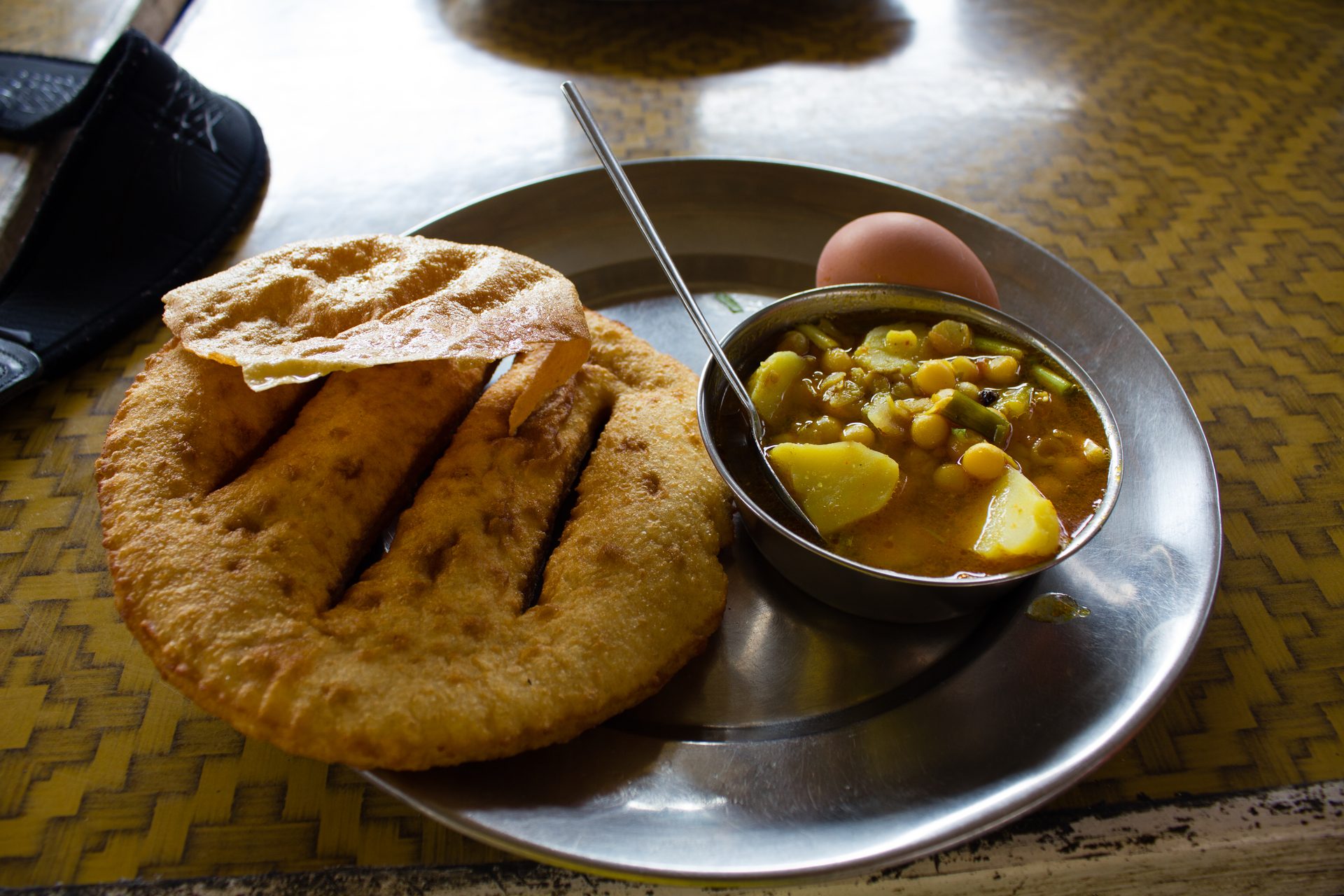
A traditional Tibetan breakfast rarely looks like cereal and toast. Instead, mornings on the Tibetan plateau often begin with a bowl of roasted barley flour kneaded into a dough, washed down with salty, buttery tea strong enough to cut through a mountain chill. These are not casual food choices; they are survival tools shaped by altitude, climate, and centuries of pastoral life.
Breakfast in Tibet also varies by region, household, and occasion. A family in Lhasa might start the day with noodle soup, while a household celebrating Losar, the Tibetan New Year, opens the morning with sweet rice and ceremonial dishes. Below are eleven dishes that together sketch out what a traditional Tibetan breakfast table actually looks like, from everyday staples to festival-only specialties. For readers curious how other cultures approach the first meal of the day, the breakfast traditions collection offers a wider comparison point.
1. Tsampa
Tsampa is the dish most people associate with Tibetan mornings, and for good reason. It is a glutinous meal made from roasted flour, usually barley flour and sometimes also wheat flour. The barley itself, Hordeum vulgare, is the one crop that reliably grows across the high, thin-aired valleys of the plateau, which is part of why it became the foundation of the national diet rather than rice or wheat.
Tsampa is usually mixed with Tibetan butter tea, and because the flour has already been roasted, it is simple to prepare and does not need to be cooked, which is why it is often used by Tibetans, Sherpas, nomads and other travellers. That convenience matters at altitude, where fuel for cooking is scarce and energy-dense food that travels well is a genuine advantage. While traditional tsampa is prepared with tea, sometimes water or beer is used instead, and it may also be prepared as a porridge called “jham-thoo,” usually sweet and nutty and made with Tibetan cheese, butter, tea and sugar.
Pro Tip: If you cannot find yak butter outside Tibet, a strong black tea whisked with ghee and a pinch of salt gives a reasonably close approximation for home cooking.
2. Pa
Tsampa is the flour; pa is what you actually eat. Once the roasted barley flour is combined with hot butter tea, it is kneaded by hand into a firm, slightly sticky dough that is rolled into small balls or a single mass and eaten with the fingers. One home-cook adaptation describes the process plainly: put hot tea in a jar with butter, shake until melted and emulsified, then place the tsampa in a bowl and pour the hot tea over it, stirring it in.
The texture is the whole point. After letting it stand for a few minutes, you taste it, and if the grain feels too firm, a brief reheat softens it back down. There is no single correct ratio of flour to liquid; most Tibetans adjust by feel until the dough holds together without turning gummy, a skill learned from childhood rather than measured with cups and spoons. Travelers trying pa for the first time often find the dense, slightly savory result closer to a dumpling filling than a porridge.
3. Butter Tea
Known locally as po cha or su cha, butter tea is less a beverage than a meal companion. Butter tea delivers hydration, salt, and energy at high altitude, which explains why it appears at nearly every meal rather than just breakfast. It is traditionally made from fermented brick tea, salt, and butter from a yak, Bos grunniens, the long-haired bovine that supplies milk, meat, and fuel across the plateau.
The preparation tool matters as much as the ingredients. The dongmo, a special wooden tool used to make Tibetan butter tea, holds about four liters and is decorated with brass; a whisk is put into a hole on top, and by moving it up and down fifteen to twenty times, the butter and tea mix together smoothly. One description of the taste captures it well: in truth, it should taste like a creamy vegetable broth, which if you think about it is exactly what it is. Compared with the sweetened black teas found in many traditional Chinese drinks, butter tea reads as savory rather than refreshing, built for warmth rather than thirst.
4. Ezay
Where tsampa and butter tea are mild and filling, ezay is the dish that adds heat to a Tibetan breakfast table. This chili-based condiment, typically blended from fresh or dried chilies, garlic, and sometimes tomato, functions the way a hot sauce or chutney does in other cuisines, spooned onto bread or stirred into porridge rather than eaten alone.
Its role shifts depending on where a family lives. Inside Tibet, tingmo is often eaten at breakfast with rice porridge, while in exile, tingmo is more likely to be eaten with hot sauce along with lunch or dinner. That pattern reflects how Tibetan communities outside the plateau have adapted available ingredients, leaning on condiments like ezay to bring familiar flavor to bread-based meals when the traditional porridge pairing is less common. Readers who enjoy spice-forward morning dishes may recognize a similar logic in traditional Indian breakfast foods, where chutneys serve a comparable purpose.
5. Roasted Dry Beef
Protein at breakfast in Tibet often comes dried rather than freshly cooked, a practical response to a climate where refrigeration was never guaranteed. Yak jerky serves as a portable, long-lasting fuel, alongside chokum, air-dried cheese cubes with a distinct sour taste meant to be sucked slowly rather than chewed. Roasted dry beef follows the same preservation logic: meat is air-dried or lightly roasted over heat until it becomes firm and intensely flavored, then torn into strips and chewed slowly alongside tsampa or tea.
This style of preserved meat is less a separate course than a pantry staple that gets pulled out whenever the household wants extra calories with breakfast. The dry, concentrated texture pairs naturally with the richness of butter tea, which softens the meat slightly as it is eaten. Dried meat as a breakfast protein is not unique to Tibet; a similar preservation instinct shows up in traditional South African food, where dried meats like biltong serve a comparable role.
6. Tingmo
Tingmo is the steamed bread most likely to show up on a Tibetan breakfast table when the household wants something more substantial than porridge. Tingmo is a type of steamed bun, a heavier version of the Han Chinese baozi. Unlike filled buns, tingmo is typically plain or lightly swirled, meant to be torn apart and dipped rather than bitten whole.
Despite its simple ingredient list, getting tingmo right takes practice. Ting momos, usually called tingmo, are very commonly cooked in Tibetan homes and are relatively quick and easy to make. One recipe creator has a particular preference for scale, joking that if you look at the big ones, you’re already full. Smaller tingmo, in other words, let a breakfast feel balanced rather than overwhelming, especially when paired with a bowl of porridge on the side. The flatbread family it belongs to shares some DNA with other traditional bread-based breakfasts found across very different culinary traditions.
7. Dreythuk
Dreythuk is the porridge that tingmo is most often eaten alongside inside Tibet itself. Other breakfast options include simple noodle soups to warm the body, or tingmo served alongside dreythuk, a rice or wheat porridge, all washed down with yak or cow milk tea. The dish is soft, warm, and mild, designed to be easy on the stomach first thing in the morning rather than heavily spiced.
What distinguishes dreythuk from other Tibetan porridges is its grain base: rice or wheat rather than the roasted barley used in tsampa or the buckwheat traditionally used in drothuk. That makes it a gentler, less dense option, often favored for everyday mornings rather than festival occasions. Families who keep livestock may stir in fresh milk straight from the morning milking, giving the porridge a creaminess that plain water cannot match.
8. Sha Balep
Sha balep combines two staples of Tibetan cooking: sha, meaning meat, and balep, the flatbread eaten across the plateau. Balep is a type of Tibetan bread eaten for breakfast and lunch, and when meat and seasoning are folded inside before cooking, the result becomes a filling, portable meal rather than a plain side bread.
The closest documented relative is sha phaley, described as bread stuffed with seasoned beef and cabbage, which is then fashioned into semi-circular or circular shapes and which, according to regional variations, is either deep fried or pan fried like pot stickers. Regional naming varies across Amdo, Kham, and U-Tsang, so the same basic idea of meat-stuffed bread appears under slightly different names and shapes depending on which part of Tibet a family comes from. The pan-fried method in particular gives sha balep a crisp exterior that contrasts nicely with the softer meat filling inside, similar in spirit to the stuffed pastries found in traditional Pakistani food.
9. Numtrak Balep
Where sha balep carries a savory filling, numtrak balep leans into richness through frying rather than stuffing. This bread shows up most often around festivals rather than ordinary weekday mornings. During celebrations, Tibetans might be served dresil, a sweet rice mixed with butter, sugar, and dried fruits, or festive breads like Amdo balep and deep-fried numtrak balep.
The frying process gives numtrak balep a denser, slightly crisp texture compared with the pan-cooked balep korkun eaten on ordinary days. That everyday version is round, flat, and relatively easy to make from tsampa, water, and baking powder, cooked in a frying pan. Numtrak balep’s deep-fried preparation marks it as a special-occasion treat rather than a daily staple, the kind of bread that appears when a household is marking Losar or hosting guests rather than simply feeding the family before work. Fried festival breads of this kind have rough parallels in the fritters found among traditional Malaysian food.
10. Drothuk
Drothuk is a hearty porridge built around beef rather than the plain grain-and-water base of dreythuk. In this recipe, which comes from a family living in the countryside outside Lhasa, “dro” means wheat and “thuk” refers to thukpa, the general term for noodle soups and porridges; traditionally in Tibet, drothuk would be made from crushed buckwheat, though outside Tibet oatmeal often substitutes.
Timing matters for this dish as much as the ingredients do. Drothuk can be prepared anytime in Tibet, but it is most commonly eaten as the first dish on the morning of the first day of Tibetan New Year, Losar. On particularly cold nights or festivals like Losar, thicker porridges such as drothuk, made with wheat or buckwheat and beef, are served alongside richer bone soups, reflecting how winter and festival cooking in Tibet both lean toward denser, more calorie-dense breakfasts than the rest of the year.
Important Note: Buckwheat is difficult to source outside Tibet and the Himalayan region, so most drothuk recipes written for Western kitchens substitute oats or barley without losing the dish’s core character.
11. Dresil
Dresil closes out this list as the dish most associated with celebration rather than routine mornings. Dresil is a sweet rice dish originating from Tibet, served on special occasions and festivities throughout the year, and eaten for breakfast on the first day of the New Year. The color white carries symbolic weight here: in Tibet the color white is highly valued as a symbol of purity and good fortune, and Tibetans present each other with white khata scarves on meeting or bidding farewell, which symbolize the pure heart of the giver.
The usual base is basmati rice cooked soft, then folded with butter, sweetener, and dried fruit. Dresil is usually made with a combination of rice, usually basmati, butter, sugar or honey, raisins, cashews, and droma, a tiny root that grows on Tibetan grasslands with a sweet-potato-like flavor, though droma is not really accessible outside of Tibet. Home cooks outside the region typically swap in extra dried fruit or sweet potato for droma, since it has no easy substitute. However it’s made, dresil is traditionally served in bowls alongside sweet tea or po cha, Tibetan butter tea, bringing the breakfast table full circle back to the same brewed companion that opens almost every Tibetan meal. For readers planning a celebratory spread of their own, the formatting ideas in a festive breakfast guide can offer useful presentation inspiration, and those curious about how other cuisines mark special mornings might also enjoy traditional Greek breakfast foods or the warming German one-pot stew tradition for comparison.
Taken together, these eleven dishes show that a traditional Tibetan breakfast is built around two priorities: warmth and endurance. Barley, butter, and dried meat supply the calories needed for life at altitude, while dishes like dresil and numtrak balep mark the calendar’s most meaningful days. Whether the morning calls for a quick bowl of tsampa or a full Losar spread, the Tibetan breakfast table reflects a food culture shaped as much by geography as by taste, a pattern worth exploring further through other regional traditions like traditional Japanese breakfast or traditional Venezuelan food.