15 Traditional Bengali Breakfast Dishes That Define Morning Meals in Bengal

November 20, 2026
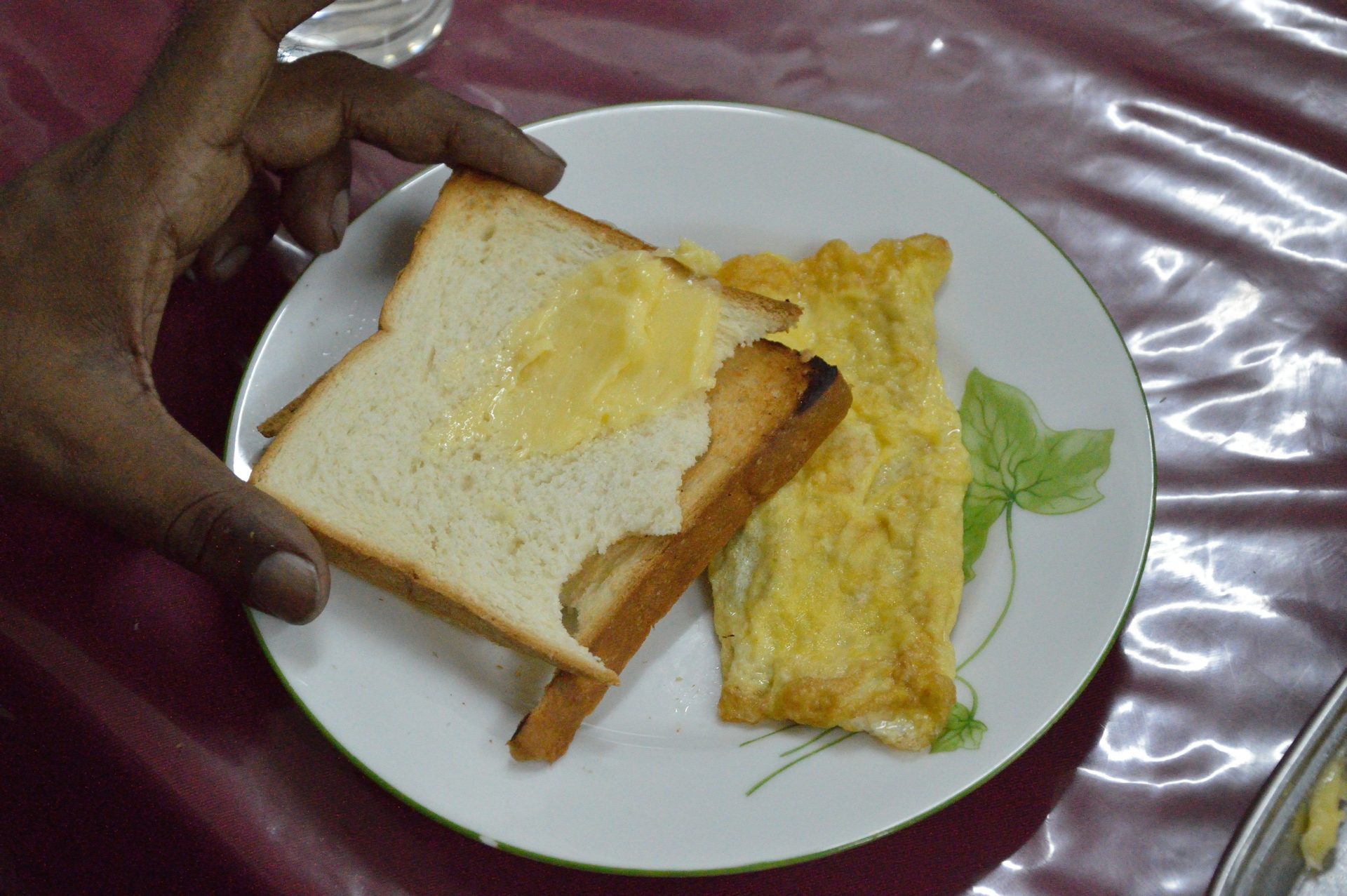
Breakfast in a Bengali household rarely means toast and coffee eaten standing up. It is more often a seated meal of fried bread, spiced lentils, and sometimes last night’s fermented rice eaten with raw onion and green chili. A traditional Bengali breakfast draws on rice, lentils, potatoes, and the region’s long-standing fondness for fish and fried snacks, and what lands on the plate shifts with the day, the season, and whether a festival is on the calendar.
Bengali food writers have long organized the region’s cooking into categories based on how food is eaten. Bengali cuisine can be subdivided into four different types of dishes: charbya, or food that is chewed, such as rice or fish; choṣya, or food that is sucked, such as ambal and tak; lehya, or foods that are meant to be licked, like chutney; and peya, which includes drinks, mainly milk. A single breakfast plate can touch several of these categories at once, which is part of why the morning meal in Bengal feels so layered. For readers curious about how other food traditions structure their first meal of the day, this breakfast traditions collection offers useful points of comparison.
This piece walks through 15 dishes that regularly appear on breakfast tables across West Bengal and Bangladesh, from everyday staples like puri and alur torkari to festive favorites like radhaballabhi and mughlai paratha. Some are quick weekday fixes; others take an unhurried Sunday morning to prepare properly.
Pro Tip: Many of these dishes travel in pairs. Luchi rarely appears without a potato curry or dal alongside it, and knowing the traditional pairing helps when recreating the meal at home.
| Dish | Main Base | Usually Paired With |
|---|---|---|
| Puri | Whole wheat flour | Alur torkari, ghugni |
| Cholar dal | Split Bengal gram (chana dal) | Luchi, steamed rice |
| Bengali omelette | Eggs, onion, chili | Toast or paratha |
| Luchi | Refined flour (maida) | Cholar dal, alur dom |
| Alur torkari | Potatoes | Luchi, puri |
| Radhaballabhi | Refined flour stuffed with urad dal | Alur dom, cholar dal |
| Koraishutir kachori | Flour stuffed with green peas | Alur dom |
| Mughlai paratha | Egg-stuffed fried paratha | Mutton or chicken curry |
| Chirer pulao | Flattened rice (chire) | Yogurt, lemon |
| Ghugni | Dried yellow or white peas | Muri, bread |
| Phal aahar | Seasonal fruit | Standalone or with yogurt |
| Chingri bhaja | Fried prawns | Rice, bread |
| Panta bhat | Fermented leftover rice | Aloo bharta, raw onion |
| Ghoro mangsho | Home-style meat curry | Ruti or rice |
| Urad dal kochuri | Flour stuffed with black gram | Alur dom |
1. Puri
Puri is the everyday workhorse of Bengali bread, made from whole wheat flour (atta) rolled into small discs and deep-fried until they puff up into golden, slightly chewy rounds. Bengali households often distinguish it from its more festive cousin, luchi, by the flour used: puri leans on atta for a heartier, more rustic bite that holds up well against thick curries. It shows up on weekday mornings far more often than luchi, since whole wheat dough is simpler to keep on hand and fries up quickly before the family heads out for the day.
Puri pairs naturally with whatever vegetable or lentil curry is already simmering on the stove, which makes it one of the more adaptable items on a traditional Indian breakfast table more broadly, not just in Bengali kitchens. The bread itself is simple, but its role as a base for other dishes is what keeps it central to the morning meal.
2. Cholar Dal
Cholar dal is a lentil preparation built around chana dal, or split Bengal gram, slow-cooked until tender and then finished with a tempering of whole spices. Cholar dal is one of the most popular dishes in the Bengali food fare, made with chana dal, also known as split Bengal gram or split and hulled black chickpeas, and is a very significant dal preparation that is an essential part of Durga Puja and other festive occasions throughout the year.
What sets cholar dal apart from an everyday lentil soup is its layering of aromatics. This Bengali chana dal recipe is tempered with ghee or mustard oil, cumin seeds, asafetida, fresh ginger, green chillies, raisins, and sugar, giving it a faint sweetness that balances the earthiness of the lentils. Fried coconut slices are often stirred in at the end, adding a textural contrast that distinguishes Bengali cholar dal from the lentil preparations found in neighboring regions. Readers who enjoy slow-simmered one-pot comfort food might also appreciate how German eintopf builds similar depth through long cooking, even though the spice profile is entirely different.
3. Bengali Omelette
The Bengali omelette is a street-side staple as much as a home-kitchen one, built from eggs beaten with finely chopped onion, green chili, and sometimes coriander leaves, then fried until the edges turn lacy and slightly crisp. Unlike a Western-style folded omelette, the Bengali version is often cooked flatter and firmer, sliced into wedges, and tucked into bread or served alongside toast and tea. Street vendors across Kolkata are known for a double-egg version, cracked onto a sizzling griddle and griddled until both sides are golden.
It is a quick dish, usually ready in under ten minutes, which makes it popular with students and office workers who need something filling before rushing out the door. For another take on how cultures build a quick egg-based breakfast, the format shares some logic with dishes featured in this egg-forward breakfast roundup, though the spicing here is distinctly Bengali.
4. Luchi
Luchi is the more refined sibling of puri, made from maida, or refined flour, which fries up into a softer, more delicate puff than its whole-wheat counterpart. Luchi is a deep-fried, puffed bread made from refined flour, and it is closely associated with weekend mornings, festivals, and puja occasions rather than routine weekday meals. The lighter dough means luchi tends to puff more dramatically when it hits hot oil, producing the balloon-like shape Bengalis look for.
No Bengali breakfast spread built around luchi is considered complete without a companion curry. Swiggy’s guide to Bengali breakfast dishes notes that luchi served with cholar dal is one of the most iconic combinations in the region’s morning repertoire, prized for the contrast between crisp bread and soft, spiced lentils.
5. Alur Torkari
Alur torkari is a potato curry that varies in intensity depending on which version lands on the table. Some households make a plain, lightly spiced version meant to let the luchi shine, while others lean toward the richer, more aromatic alur dom style. Aloo Dum is a spicy and savoury potato curry, with a spice blend that includes cumin, coriander, turmeric, and garam masala, creating a rich and aromatic experience.
The curry’s simplicity is part of its appeal. Because potatoes are inexpensive and widely available, alur torkari remains one of the most economical dishes on this list, and versions of spiced potato curry appear across the subcontinent, including in the traditional Pakistani food repertoire just across the border. In Bengali homes, the dish is almost always made fresh each morning rather than reheated from the night before.
6. Radhaballabhi
Radhaballabhi takes the basic puri format and fills it with a spiced urad dal paste before frying, producing a bread that is denser, more savory, and distinctly aromatic compared to plain luchi. Radhaballabhi is an iconic and popular Bengali dish eaten at breakfast as well as at celebratory meals throughout the region, involving a form of puri packed with a wholesome filling of urad dal lentils and spices.
The filling typically leans on fennel seeds, ginger, and a touch of asafoetida, giving radhaballabhi a flavor profile that is noticeably different from the neutral puri or luchi. It is most often served with alur dom or cholar dal, and it tends to appear on festive mornings rather than ordinary weekdays, since stuffing and sealing each puri takes more time than frying plain dough.
Key Insight: Radhaballabhi and urad dal kochuri both use black gram stuffing, but the two differ in spicing and the thickness of the dough wrapper, which is why Bengali households treat them as distinct dishes rather than regional name variants.
7. Koraishutir Kachori
Koraishutir kachori is a winter-specific treat built around koraishuti, or fresh green peas, mashed and spiced before being sealed inside a flour casing and deep-fried. These are stuffed with a not-so-spicy mixture of boiled peas and spices and then deep-fried in oil, and with the winter season approaching, koraishutir kachori with alur dom becomes a mandate in many Bengali households’ breakfast menu.
Because fresh green peas are only widely available during the cooler months, this dish has a built-in seasonal rhythm that many other items on this list lack. Vendors in Kolkata’s older neighborhoods are known for setting up dedicated kachori stalls each winter, drawing regular customers who wait for the season specifically for this dish. The pastry shares some conceptual ground with stuffed savory pastries found in traditional Greek cooking, where phyllo-wrapped fillings play a similar role at the table.
8. Mughlai Paratha
Mughlai paratha reflects the centuries of Mughal influence on Bengali cooking, layering egg and sometimes minced meat into a paratha dough before frying it flat on a griddle. Mughlai paratha involves a deep-fried egg paratha being served with mutton or chicken, and to Western eyes it often looks like a form of spicy breakfast wrap. The dish traces its name to the Mughal courts that shaped much of Bengal’s richer, meat-forward cooking traditions.
It is a heavier dish than most other breakfast items on this list, which is why it tends to appear on weekends or celebratory mornings rather than daily. Readers familiar with Southeast Asian stuffed flatbreads will notice the similarity to the egg-and-meat parathas found in traditional Malaysian cooking, where comparable street-food parathas are filled and fried in much the same way.
9. Chirer Pulao
Chirer pulao turns flattened rice, or chire, into a light savory pilaf studded with vegetables, peanuts, and sometimes raisins. Chirer Pulao is a light and nutritious breakfast option made with flattened rice, vegetables, and a subtle blend of spices, with peanuts, raisins, and green peas adding texture and flavor. Unlike the fried breads that dominate much of this list, chirer pulao requires no deep-frying at all, making it one of the lighter options for a weekday morning.
The dish is quick enough to prepare in fifteen minutes, which explains its popularity among people who want something more substantial than toast but do not have time for an elaborate spread. A finishing squeeze of lemon and a side of plain yogurt are common additions that round out the flavor.
10. Ghugni
Ghugni is a thick, spiced stew built from dried yellow or white peas, simmered slowly until they break down into a hearty curry. It is a staple in Bengali cuisine, often enjoyed for breakfast or as a snack, with the peas cooked in a blend of spices, tomatoes, and onions, resulting in a thick, hearty stew typically garnished with chopped onions, green chilies, and a squeeze of lemon.
Ghugni carries a strong street-food identity in addition to its place at the home breakfast table. Ghugni is an extremely popular street food in the state capital of West Bengal, Kolkata, where it is often served from dawn until dusk, and one of the keys to a good ghugni is not allowing it to become too overcooked or sloppy, since cooking the dal to just the right texture is crucial. It is frequently eaten alongside muri, or puffed rice, for extra crunch, a combination that works almost like a savory breakfast snack bowl.
11. Phal Aahar
Phal aahar simply means a fruit-based meal, and it occupies a different space on the breakfast table than the fried and spiced dishes that dominate this list. Seasonal fruit such as banana, papaya, or guava is often served plain or with a touch of yogurt, offering a lighter counterpart to the richer kachoris and parathas eaten elsewhere in the week. It appears more often during religious observances or fasting periods, when a simple fruit plate stands in for a heavier cooked meal.
Because fruit does not require cooking, phal aahar also functions as a practical option on rushed mornings or for family members who prefer not to start the day with fried food. A light fruit course of this kind has parallels in many other food traditions, including the fresh-fruit elements common to traditional French breakfast spreads.
12. Chingri Bhaja
Chingri bhaja, or fried prawns, reflects Bengal’s broader culinary relationship with fish and shellfish, even though most everyday breakfast dishes lean vegetarian or lentil-based. Many famous Bengali dishes focus on fish, although for breakfast dishes people are more likely to find vegetable, lentil, and bread-based recipes, which is part of what makes chingri bhaja stand out as an exception. Prawns are marinated briefly in turmeric and chili, then pan-fried until the shells crisp slightly at the edges.
The dish is more common in coastal and riverine parts of Bengal, where fresh prawns are easier to source early in the morning. It is typically served as a side alongside rice or bread rather than as the centerpiece of the meal. Coastal communities elsewhere build similar seafood-forward morning dishes, a pattern also visible in parts of traditional Venezuelan cooking, where fresh catch frequently appears at the breakfast table.
13. Panta Bhat
Panta bhat, or fermented rice, is one of the oldest and most symbolically loaded dishes on this list. Leftover cooked rice is soaked in water overnight, left to ferment slightly, and then eaten the next morning with raw onion, green chili, mustard oil, and sometimes a mashed potato side called aloo bharta. Panta Bhaat is an emotion for many Bengalis, made with fermented rice and a mixture of spicy potatoes, onion, chilies, and a spoonful of mustard oil, and it is the one breakfast that can provide a bit of coolness during the summer season.
The dish carries cultural weight beyond the daily meal. The rice can be prepared by leaving leftovers to soak in water overnight before adding salt, chillis, and curried vegetables in the morning, and panta bhat is also a popular dish on the morning of Pahela Baishakh, or Bengali New Year. Rural households have traditionally relied on panta bhat partly out of necessity, since fermenting leftover rice prevented waste before refrigeration was common, and partly because the slightly sour, cooling quality of the dish suits Bengal’s hot, humid summers.
Important Note: Spelling and naming can shift between West Bengal and Bangladesh — “bhat” and “bhaat,” or “kachori” and “kochuri,” refer to the same dishes but reflect regional dialect differences rather than separate recipes.
14. Ghoro Mangsho
Ghoro mangsho refers to home-style meat curry, typically mutton or chicken, simmered in a mustard-oil-based gravy with onions, ginger, garlic, and a measured hand with whole spices. It is a heavier dish reserved for weekend mornings or celebratory breakfasts rather than daily meals, since slow-cooking meat takes considerably more time than frying bread or simmering lentils. The curry is usually eaten with rice or a flatbread rather than the fried breads that dominate the rest of this list.
Meat-based morning curries are not unique to West Bengal. Breakfasts in Bangladesh tend to differ only a little from other meals, with main staples of flatbread, pan-fried flatbread, or rice, accompanied by a dal curry, chicken dopiaza, and fried eggs, showing that a savory meat curry at breakfast is well established across the wider Bengali-speaking region, not just as an occasional indulgence.
15. Urad Dal Kochuri
Urad dal kochuri shares its basic concept with radhaballabhi, stuffing a flour casing with a spiced black gram paste before deep-frying, though the dough thickness and spice ratio can vary from household to household. These deep-fried bread rolls are stuffed with a spiced mixture of lentils, typically urad dal, and the stuffing is flavored with fennel seeds, ginger, and spices, giving it a unique and aromatic flavor.
Like its close relative, urad dal kochuri pairs best with alur dom or a lightly spiced potato curry rather than a heavier gravy, since the stuffed bread already carries a strong flavor on its own. It is a dish that tends to appear on festive or weekend mornings, when the extra preparation time of stuffing each piece of dough feels worthwhile.
Taken together, these fifteen dishes show why a traditional Bengali breakfast resists any single definition. Some mornings call for the quick, no-fuss comfort of chirer pulao or a fried egg; others call for the slow ritual of stuffing kochuris or simmering ghoro mangsho for a weekend gathering. What ties them together is a shared vocabulary of rice, lentils, potatoes, and fried dough, reshaped endlessly by season, occasion, and the particular kitchen they come from. Readers exploring breakfast customs beyond Bengal may enjoy browsing this broader collection of traditional breakfast dishes for further comparison.