Traditional Palestinian Breakfast: 11 Dishes That Define the Morning Table

November 22, 2026
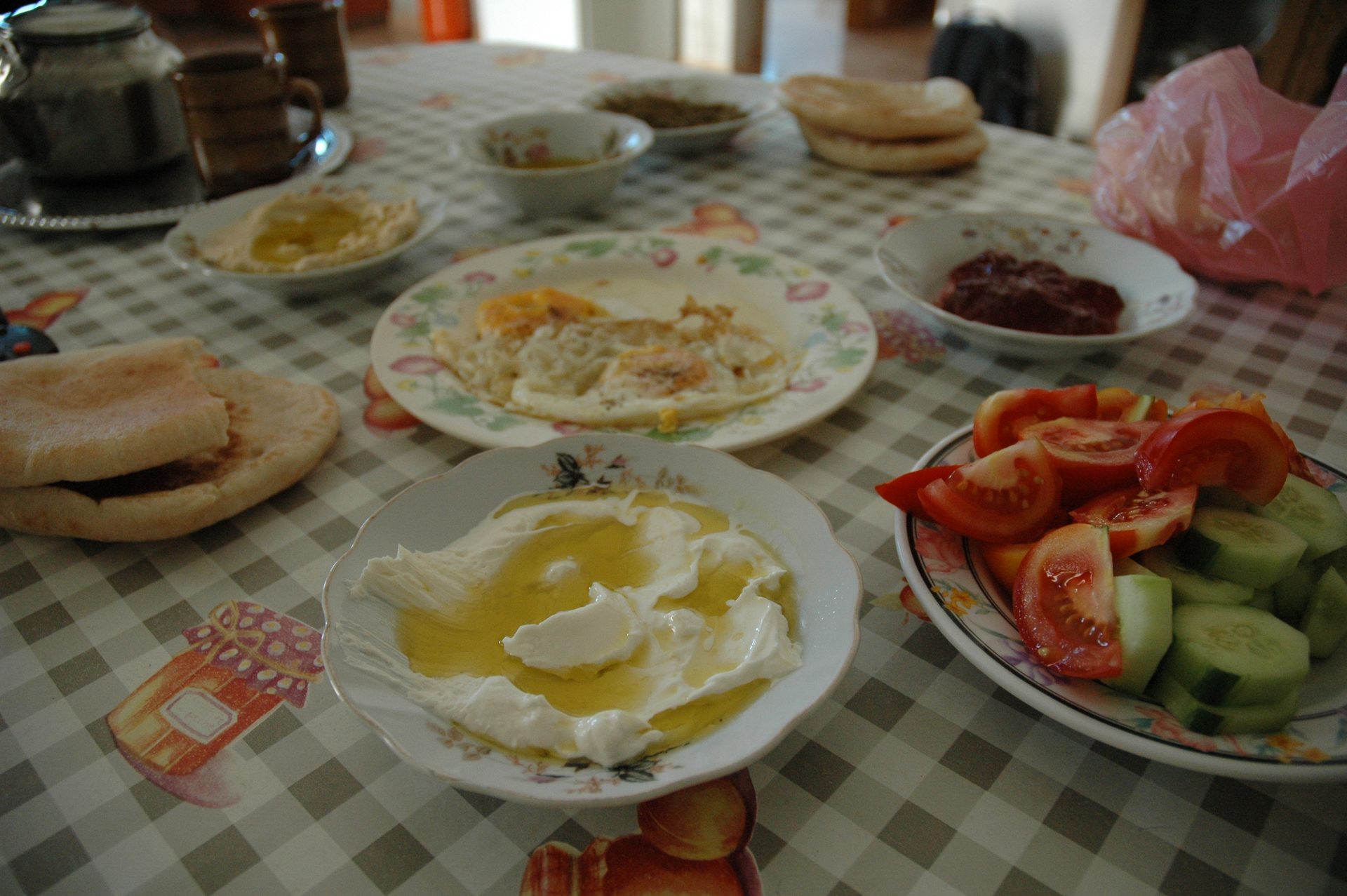
A traditional Palestinian breakfast rarely looks like a single plate. It looks like a crowded table where chickpea purée meets stewed fava beans, where bread is the only utensil anyone needs, and where a hard-boiled egg might get nestled directly into a bowl of warm hummus. According to TasteAtlas , hummus ful is a robust, protein-dense Levantine breakfast platter that unites a silky, tahini-rich chickpea purée with a warm, cumin-laced fava bean stew, traditionally crowned with a hard-boiled egg.
That single dish captures what makes a Palestinian morning meal distinct from a quick slice of toast: it’s communal, layered, and built around a handful of staples that have been prepared the same way for generations. This piece walks through eleven dishes that regularly appear on that table, from the everyday flatbread to the fruit jellies saved for special mornings. For readers who enjoy comparing breakfast traditions from around the world, the Palestinian spread offers a particularly good study in how a handful of simple ingredients can be arranged dozens of different ways.
| Dish | Type | Core Ingredient |
|---|---|---|
| Khubz | Bread | Wheat flour |
| Hummus bi tahini | Dip | Chickpeas, tahini |
| Foul mudammas | Dip/stew | Fava beans |
| Labneh | Dairy | Strained yogurt |
| Safarjil | Preserve | Quince |
| Manaqoosheh | Baked flatbread | Dough, za’atar or cheese |
| Za’atar | Spice blend | Thyme, sumac, sesame |
| Jibna baida | Cheese | Fresh white cheese |
| Ka’k bi simsim | Bread | Sesame-crusted dough |
| Apricot jelly | Preserve | Apricot |
| Pear jelly | Preserve | Pear |
1. Khubz
Khubz is the everyday round loaf that anchors almost every Palestinian meal, not just breakfast. The Institute for Middle East Understanding notes that khubz is an Arabic bread, often misnamed “pita bread” in the West since pita is actually a flat but pocketless Greek bread, and it often takes the place of utensils. Rather than reaching for a fork, diners tear off a piece and use it to scoop everything else on the table.
That scooping habit also makes khubz the glue that holds the rest of the breakfast spread together. Readers who enjoy flatbread-based meals might also appreciate the stuffed and griddled breads covered in this guide to traditional Indian foods, where bread plays a similarly central, utensil-free role.
Pro Tip: Warm khubz briefly on a dry skillet before serving. It softens the loaf and makes it easier to tear and fold around dips like hummus or labneh.
2. Hummus Bi Tahini
Hummus bi tahini is the creamy chickpea-and-sesame-paste dip most people outside the region simply call hummus. Chickpeas are soaked, boiled, then mashed and blended with tahini, lemon, and garlic until smooth, then pooled on a plate and finished with a pour of olive oil.
At the breakfast table, it rarely stands alone. It gets scooped up with torn khubz, sometimes topped with a few whole chickpeas or a dusting of paprika, and often served right alongside foul mudammas so the two beans can share the same plate. The dip’s closest cousins show up across the wider Mediterranean, which is part of why readers researching traditional Greek foods will recognize a similar love of bean-and-olive-oil dips served with warm bread.
3. Foul Mudammas
Foul mudammas is a stewed fava bean dish that shows up at breakfast tables across the wider region, not only in Palestine. The beans are slow-cooked until soft, then dressed simply, since foul mudammas is stewed fava beans dressed with olive oil, lemon juice, and garlic.
Families often mash the beans only partially, leaving some texture, and top the bowl with chopped tomato, parsley, or a hard-boiled egg. Because fava beans are also a breakfast staple one country over, anyone comparing notes with traditional Egyptian food will find foul described in almost identical terms, down to the lemon and garlic finish.
4. Labneh
Labneh is strained yogurt thickened until it holds its shape on a spoon, somewhere between yogurt and soft cheese in texture. According to Olive Odyssey , it is high in protein, packed with probiotics, and lower in calories compared to many other cheeses, which helps explain why it holds such a steady place on the morning table.
The same source describes it as more than just a food item: typically served drizzled with olive oil and sprinkled with herbs like za’atar or sumac, labneh is a connection to heritage, a taste of home, and a celebration of Palestinian culinary craftsmanship. Many households still make it at home, straining full-fat yogurt overnight through cheesecloth. Dairy-forward breakfasts aren’t unique to the Levant either; readers curious about other creamy morning staples might enjoy the cheese-and-arepa pairings common in traditional Venezuelan food.
5. Safarjil
Safarjil is quince, and in jelly or jam form it’s one of the sweeter notes on an otherwise savory breakfast table. The fruit is cooked down slowly with sugar until it turns a deep amber-pink, then spread thin over khubz or eaten alongside labneh. The Institute for Middle East Understanding lists it directly among the breakfast staples, noting that a typical spread includes labneh drizzled with olive oil, and jams such as safarjil or quince.
Quince preserves aren’t exclusive to Palestinian kitchens; the same fruit shows up cooked down into paste across much of Europe, including the membrillo-style pastes found alongside cheese boards in traditional French food. What sets the Palestinian version apart is how it’s eaten, spread thin over warm bread rather than sliced as a standalone dessert.
6. Manaqoosheh
Manaqoosheh, more widely known by the Arabic plural manakish, is a baked flatbread topped before it goes into the oven rather than filled afterward. The dough is pressed thin, dimpled with fingertips, and finished with either a za’atar-and-olive-oil paste or a layer of soft white cheese.
Per Wikipedia’s entry on za’atar , the blend flavors iconic dishes like manakish, enhances labneh and hummus, and is mixed with olive oil as a dip known as za’atar-wu-zayt. Street bakeries across Palestinian towns often sell manaqoosheh fresh out of a stone oven each morning, and it travels well folded in half like a sandwich. The same instinct for topped, oven-baked dough shows up in the stuffed parathas common to traditional Pakistani food, where bread is also treated as a canvas rather than just a side.
7. Za’atar
Za’atar is both a specific wild herb and the spice blend named after it, usually a mix of dried thyme, sumac, toasted sesame seeds, and salt. Recipes vary by household and region, and per the same Wikipedia entry, Lebanese versions tend to emphasize sumac’s tartness, while Palestinian varieties may include caraway.
Beyond flavor, the blend carries some historical weight. Medieval Arabic and Jewish medical texts, including works by Maimonides, documented za’atar’s digestive benefits, and Palestinian tradition associates it with mental alertness. At breakfast, it’s most often mixed with olive oil and eaten by dipping bread straight into the bowl, a ritual not unlike the spice pastes paired with flatbread in traditional Malaysian food.
Key Insight: A common home ratio for za’atar dip is roughly equal parts dried herb blend and olive oil, mixed just before serving so the oil stays glossy rather than absorbing into the herbs.
8. Jibna Baida
Jibna baida simply means white cheese, and it covers a range of fresh, mild cheeses served in slices or crumbled over bread. The Palestinian Heritage Trail includes it among the core breakfast items, describing a typical table as including warm pita bread, fresh hummus, fresh goat cheese, olive oil, and za’atar alongside other staples.
Texture and saltiness vary by region and by household, with some versions closer to a soft farmer’s cheese and others firmer and brined. It’s usually served plain, letting the bread, olive oil, and vegetables around it do the flavoring.
9. Ka’k Bi Simsim
Ka’k bi simsim is a sesame-crusted bread, often shaped into a ring or oval, sold by street vendors from carts early in the morning. The dough is glazed before baking so the sesame seeds toast to a deep golden brown and cling firmly to the crust.
It’s typically eaten plain, torn apart and dipped in za’atar, or split open and filled with a boiled egg for something more substantial. Because vendors sell it fresh and warm on the way to work or school, it functions as much as a portable breakfast as a sit-down one.
Important Note: Recipes and regional names for sesame breads vary across Palestinian towns, so a loaf called ka’k in one area may look slightly different from the version sold in another.
10. Apricot Jelly
Apricot jelly is another of the fruit preserves that round out the sweeter side of the breakfast table, usually made in bulk during apricot season and kept on hand for months. The fruit is cooked down with sugar until it sets into a bright, slightly tart spread.
The Palestinian Heritage Trail places it directly on the standard breakfast table, noting that a traditional spread includes fresh apricot or pear jelly alongside hummus, cheese, and za’atar. Spread over warm khubz, it offers a contrast to the olive oil and salty cheese elsewhere on the plate. Jam-with-bread pairings aren’t unique to the region either; the tea-and-preserves habit shows up in a similar form among traditional Russian drinks and the breakfast spreads served alongside them.
11. Pear Jelly
Pear jelly follows the same basic method as its apricot counterpart, simmered down with sugar until thick enough to hold its shape on a spoon. It tends to be milder and less tart than apricot, which makes it a popular pairing for salty cheeses like jibna baida.
As with the apricot version, pear jelly appears in the same breakfast descriptions documented by the Palestinian Heritage Trail, usually listed as an interchangeable option alongside apricot depending on what fruit is in season. Fruit preserves eaten alongside savory dishes are common well beyond the Levant too, including in the small-plate approach found in traditional Japanese breakfast, where pickles and preserved fruit sit next to rice and fish on the same tray.
Taken together, these eleven dishes show why a Palestinian breakfast is less a single recipe than a shared table built from a handful of staples: bread, chickpeas, beans, dairy, herbs, and whatever fruit is in season. The exact combination shifts by household and region, but the underlying habit of gathering several small dishes around warm khubz stays consistent from one kitchen to the next.