Can You Freeze Stuffed Squash? Everything You Need to Know

November 2, 2026
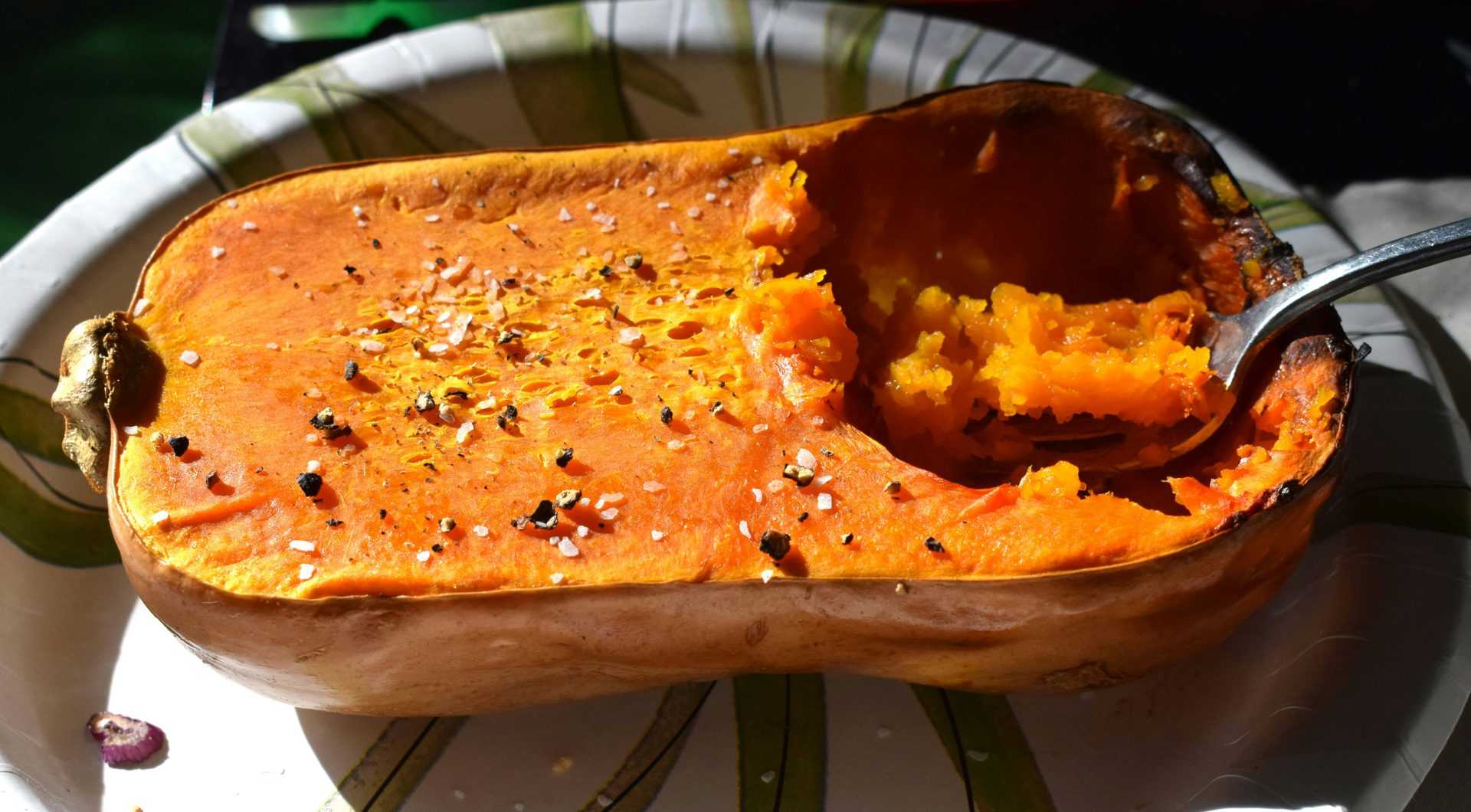
Stuffed squash is one of those satisfying meals that takes real effort to make — which is exactly why it makes sense to freeze it. Whether you’ve batch-cooked acorn squash for the holidays or have leftover stuffed zucchini from a summer dinner, freezing lets you hold onto that work and pull a ready-made meal out of the freezer on a busy weeknight.
The short answer is yes, you can freeze stuffed squash. But the results depend on how well you prepare it before it goes in the freezer. The squash variety, the filling ingredients, and your wrapping technique all affect how good it tastes when you reheat it. This guide walks you through every step — from prep to reheating — so nothing goes to waste.
Can You Freeze Stuffed Squash?
Yes, stuffed squash freezes well when handled correctly. To freeze stuffed acorn squash, transfer the cooled and stuffed squash halves to a freezer-safe bag and freeze for up to 3 months. To reheat from frozen, place them on a baking dish and reheat in a 350°F oven for about 40 to 50 minutes.
The same principle applies to other varieties like butternut squash, yellow squash, and zucchini. The key is making sure the squash is fully cooked and completely cooled before it goes into the freezer. Let the stuffed squash cool completely before freezing to prevent the formation of ice crystals, which can affect the texture and flavor.
One important consideration is your filling. The filling can also be frozen, but it’s important to choose ingredients that freeze well. Meat, rice, cooked vegetables, and most cheeses hold up reliably. Dairy-heavy sauces, fresh herbs used as a garnish, and high-moisture vegetables like raw tomatoes can break down and become watery after thawing.
Pro Tip: If your stuffed squash recipe includes a rice filling, note that rice can turn slightly gummy after freezing. Cook the rice just slightly under-done before stuffing so it finishes to the right texture when reheated.
Does Freezing Change the Texture or Taste of Stuffed Squash?
Freezing does change the texture of squash to some degree — that’s just the nature of the vegetable. Freezing may slightly soften texture and cause minor flavor loss, but it remains ideal for soups and mashed dishes. For stuffed squash that’s meant to be eaten as a whole piece, you’ll notice some softening in the shell after thawing.
If the squash was frozen raw, it may get softer after it thaws. The change in texture is most noticeable in raw squash. This is why it’s always better to freeze stuffed squash after it’s been fully cooked — the shell has already softened during cooking, so the freezer has less of an additional impact.
Winter squash varieties like acorn and butternut tend to hold up better in the freezer than summer squash. When frozen summer squash thaws, it gets pretty soft and moisture comes to the surface. If you’re working with stuffed zucchini or yellow squash, plan to use it in baked or sauced preparations after thawing rather than expecting a firm shell.
The filling’s flavor is generally well-preserved. Spices, herbs, and cooked meat all maintain their taste through freezing. The biggest flavor risk is freezer burn from poor packaging, which is entirely preventable.
How to Freeze Stuffed Squash the Right Way
Good preparation before the squash goes into the freezer makes all the difference. Follow these steps for the best results:
- Cook the squash fully. Squash can be frozen raw or cooked, but cooking before freezing is recommended if a longer shelf life is desired. For stuffed squash specifically, always freeze it after it has been cooked and stuffed.
- Cool it completely. Set the stuffed squash on a wire rack or baking sheet at room temperature until it reaches room temperature, then refrigerate for 30 minutes before freezing. Putting warm squash directly into the freezer raises the internal temperature of the freezer and promotes ice crystal formation.
- Don’t overfill. Do not overfill the squash, as this can cause the filling to expand during freezing and lead to a messy thaw.
- Flash freeze first. Place the cooled stuffed squash halves or whole pieces on a baking sheet lined with parchment paper. By flash freezing the squash first, it won’t stick together, so the squash will come out of the package in pieces versus a frozen clump. Freeze for 1 to 2 hours until solid.
- Transfer to freezer-safe packaging. Place the stuffed squash into an airtight bag or container. If you need to stack them, place a sheet of wax paper or plastic wrap in between the layers.
- Remove as much air as possible. Try to squeeze as much air out of the bags to help avoid freezer burn. A vacuum sealer works best, but pressing the bag flat before sealing works well too.
- Label and date. Label your freezer bags with dates and contents so as to use the older dated foods first.
Pro Tip: Freeze individual portions in separate bags rather than stacking multiple pieces in one bag. This way, you can pull out exactly what you need without thawing the whole batch.
How Long Can You Freeze Stuffed Squash?
For best quality, plan to use frozen stuffed squash within 3 months. Stuffed squash halves stored in a freezer-safe bag will freeze for up to 3 months. After that point, the squash shell and filling are still safe to eat but the texture and flavor begin to decline.
Plain (unstuffed) squash lasts longer in the freezer. Properly stored, frozen squash will maintain best quality for about 12 months in the freezer, although it will usually remain safe to eat after that. The filling in stuffed squash — particularly meat, cheese, and egg-based ingredients — shortens the optimal window to that 3-month mark.
Frozen squash that has been kept constantly frozen at 0°F will keep safe indefinitely, as long as it has been stored properly and the package is not damaged. Safety and quality are two different things, though. Safe to eat does not mean it will taste good after a year in the back of the freezer.
| Squash Type | Best Quality Window | Notes |
|---|---|---|
| Stuffed acorn or butternut squash (cooked) | Up to 3 months | Best results; winter squash holds texture well |
| Stuffed zucchini or yellow squash (cooked) | Up to 3 months | Shell softens more; best used in baked dishes |
| Plain (unstuffed) cooked squash | 6–12 months | Longer window without filling ingredients |
| Unstuffed, cored raw squash | Up to 12 months | Freeze before stuffing for maximum shelf life |
How to Thaw Frozen Stuffed Squash
The safest and most texture-friendly way to thaw stuffed squash is in the refrigerator overnight. Cooked winter squash that has been thawed in the fridge can be kept for an additional 3 to 4 days in the refrigerator before cooking; squash that was thawed in the microwave or in cold water should be eaten immediately.
You can also reheat stuffed squash directly from frozen, which actually produces better results for the shell’s texture. To freeze stuffed acorn squash, transfer the cooled and stuffed squash halves to a freezer-safe bag and freeze for up to 3 months. To reheat from frozen, place them on a baking dish and reheat in a 350°F oven for about 40 to 50 minutes.
Add a small splash of water or broth to the bottom of the baking dish before covering it with foil. This creates steam inside the dish and helps the squash reheat evenly without drying out. Remove the foil in the last 10 minutes to let the top of the filling brown slightly.
Pro Tip: Check the internal temperature of the filling with an instant-read thermometer. The filling should reach 165°F before you serve it, especially if it contains meat.
Can You Refreeze Stuffed Squash After Thawing?
Refreezing stuffed squash is not recommended, especially if the filling contains meat, eggs, or dairy. Each freeze-thaw cycle breaks down the cell structure of the squash further and increases the risk of bacterial growth in protein-based fillings.
You can refreeze squash, but texture may suffer. If it’s puréed or in soup, refreezing is fine. For best results, freeze in smaller portions to avoid refreezing. This is the practical solution — portion your stuffed squash into individual servings before freezing so you never have to refreeze a partially used batch.
Cooked summer squash that has been thawed in the fridge can be kept for an additional 3 to 4 days in the refrigerator before cooking; summer squash that was thawed in the microwave or in cold water should be eaten immediately. If you thawed more than you need, refrigerate the extra and use it within that window rather than putting it back in the freezer.
How to Use Frozen Stuffed Squash (Best Uses After Freezing)
Frozen stuffed squash is most successful in preparations where a slightly softer texture is acceptable or even welcome. Here are the best ways to use it after freezing:
- Reheat as a complete dish. Stuffed acorn or butternut squash halves reheat beautifully in the oven. The filling stays moist and the shell softens to a creamy texture that works well as a fall or winter entrée.
- Scoop the filling for pasta or grain bowls. If the squash shell has become too soft after thawing, scoop the filling out and toss it with pasta, farro, or rice. You can also use it as a topping for dishes like pasta or rice bowls, where texture isn’t as crucial.
- Add to soups or stews. Cooked frozen squash can be mashed, puréed or added to pasta and risotto dishes or soups. A meat-and-vegetable stuffing mixed into a broth makes an excellent soup base.
- Use in casseroles. Chop the thawed stuffed squash and layer it into a casserole with cheese and breadcrumbs. The softer texture blends well in baked casseroles.
- Serve as a side dish. If your winter squash is roasted and pureed, thaw it prior to use. You can season it and eat it as a side dish, add it to baked goods, or use it to make a pie filling.
If you want to explore more nutritious ways to use squash and similar vegetables in your meals, check out this guide on whole plant-based foods for inspiration on building well-rounded, vegetable-forward dishes.
Signs That Frozen Stuffed Squash Has Gone Bad
Even in the freezer, stuffed squash can degrade past the point of being worth eating. Knowing what to look for saves you from a disappointing meal — or a food safety issue.
- Freezer burn. If dry spots or discoloration have developed on the frozen squash, freezer burn has begun to set in — this will not make the squash unsafe to eat, but it will harm the texture and taste. Small patches can be trimmed away; widespread freezer burn means the whole piece has lost its quality.
- Ice crystals inside the packaging. Freezer burn happens when food isn’t stored properly in the freezer, causing moisture to escape and turn into ice crystals. Although the food is still edible, this coating of ice “burns” the food, causing it to have a drier texture and less flavor.
- Off smell after thawing. Once thawed, stuffed squash should smell like cooked squash and whatever spices or proteins are in the filling. Any sour, rancid, or otherwise unpleasant odor is a sign the filling — especially any meat — has gone bad. Discard it.
- Slimy texture. A slimy texture is a sign of bacterial growth. If the thawed squash or filling feels slimy rather than just soft, do not eat it.
- Visible mold. Winter squash will begin to get soft and then begin to leak liquid when going bad. It may also begin to mold, at which point it has gone bad and should be thrown out.
- Left out too long before freezing. Bacteria grow rapidly at temperatures between 40°F and 140°F; cooked winter squash should be discarded if left out for more than 2 hours at room temperature. If your stuffed squash sat out longer than that before you froze it, it’s safer to discard it than to risk a foodborne illness.
Eating well-preserved foods is one part of a broader approach to nutrition. If you’re interested in how specific foods support your health, the article on powerful nutrients and foods that fight cancer and this overview of superfoods for a healthy heart are worth reading alongside your meal-planning routine.
Frequently Asked Questions
Can you freeze stuffed squash before cooking it?
Yes, with one important caveat. Freezing yellow squash before it is stuffed and cooked is possible if you follow specific directions. Wash, cut, and core the squash, but do not stuff it with any sort of stuffing. Place the cored squash in gallon-size freezer bags and place it in the freezer. When you’re ready to cook, stuff the squash while it’s still frozen and cook it straight through. This method works best for summer squash varieties.
Can you freeze stuffed acorn squash specifically?
To freeze stuffed acorn squash, transfer the cooled and stuffed squash halves to a freezer-safe bag and freeze for up to 3 months. To reheat from frozen, place them on a baking dish and reheat in a 350°F oven for about 40 to 50 minutes. Acorn squash is one of the better varieties for freezing because its dense, starchy flesh holds up well.
Does the filling type affect how well stuffed squash freezes?
Yes. Meat, rice, cooked grains, and most cooked vegetables freeze well. Fillings with a lot of fresh dairy (like ricotta or cream cheese) may become grainy or watery after thawing. If your recipe calls for a creamy cheese filling, consider adding the cheese fresh when you reheat rather than including it before freezing.
How do you prevent stuffed squash from getting soggy after freezing?
The biggest factor is moisture control. Pat the squash dry with a paper towel to remove excess moisture before stuffing and freezing. Also, make sure the squash is fully cooled before packaging — trapping steam inside the bag leads to excess ice crystal formation and a mushier result.
Can you freeze stuffed spaghetti squash?
Freezing spaghetti squash in cubes like other varieties won’t work. For stuffed spaghetti squash, freeze the cooked squash halves with the filling already inside. You don’t even need to thaw it when you’re ready to use it in recipes because it’s been previously cooked. Reheat directly from frozen in the oven for best texture.
What’s the best packaging for freezing stuffed squash?
Heavy-duty freezer bags with as much air removed as possible are the standard recommendation. Avoid freezer burn by using plastic freezer bags instead of storage containers. A vacuum sealer gives you the best protection against freezer burn for long-term storage. If you use rigid containers, leave a ½-inch gap at the top to allow the squash to expand when frozen.
For more food storage guidance and ideas on what to cook with seasonal produce, explore the foods that start with Q list for some less common but equally freezer-friendly options, or browse traditional Greek foods for stuffed vegetable recipes that freeze particularly well — like stuffed peppers and tomatoes that use techniques similar to stuffed squash.