Traditional English Breakfast: Every Classic Ingredient Explained

November 22, 2026
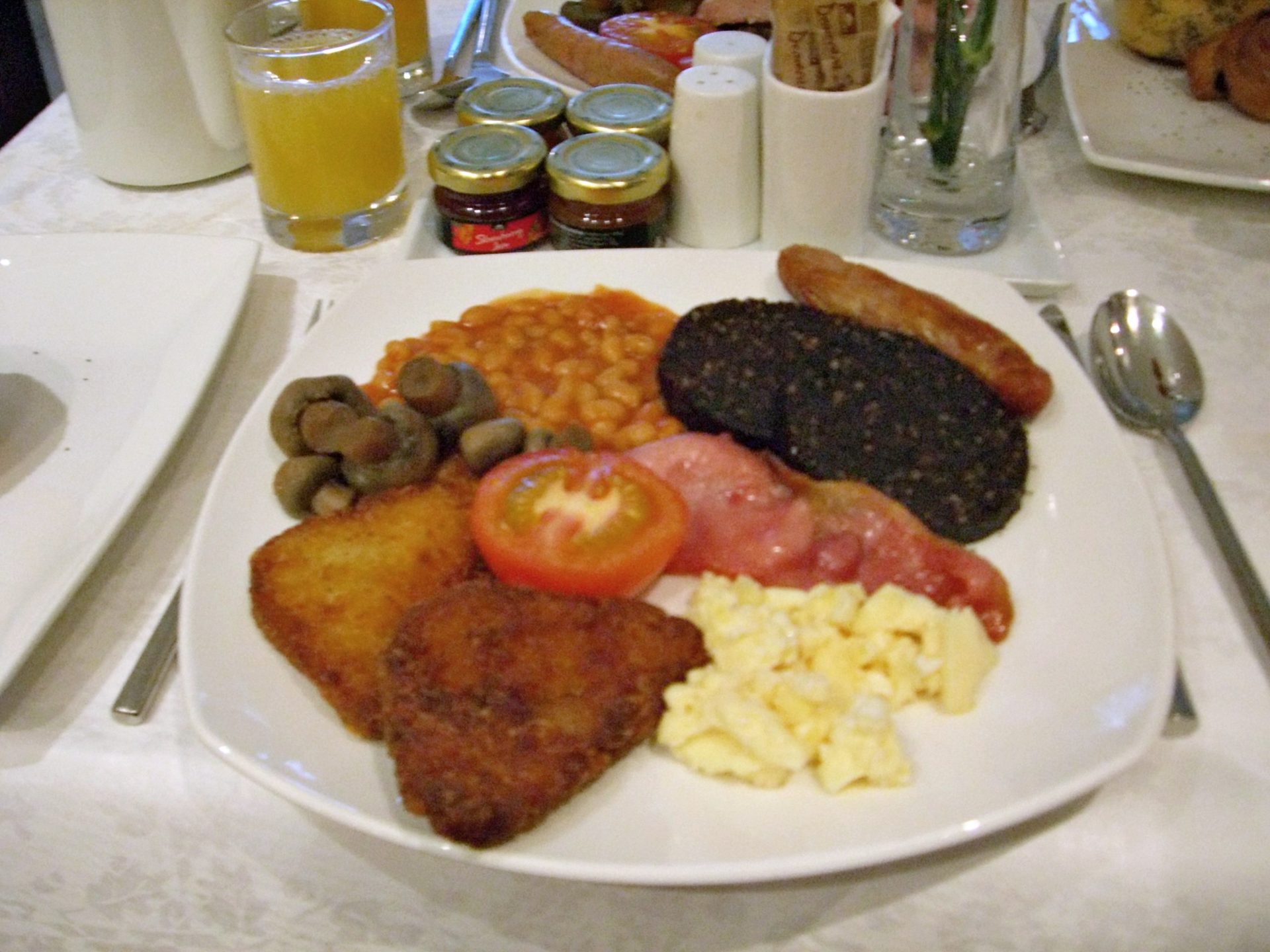
A traditional English breakfast rarely changes, and that consistency is the point. Walk into a greasy spoon café in Manchester or a countryside pub in Devon, and the plate looks almost identical: meat, eggs, something fried, something stewed, and a hot drink strong enough to wake the dead.
This guide breaks down each component of the traditional English breakfast, from the much-debated black pudding to the humble slice of toast, explaining where each item came from and why it still earns its place on the plate. Readers interested in other morning meals from around the world can browse more breakfast traditions for comparison.
1. Black Pudding
Black pudding is a type of blood sausage made from pig’s blood, oatmeal, and fat, and it is the component most likely to divide a table of first-time diners. Despite its reputation abroad, it has deep roots: according to a blog from Rimping , the first mention of blood sausage can be found in Homer’s The Odyssey, an epic poem from 800 BC.
The version served today took shape much later and closer to home. The English Breakfast Society notes that black pudding has a long history stretching back thousands of years, but in Great Britain it is an essential and traditional part of the English breakfast. Regional variation runs deep too, since another kind of blood sausage called white pudding is an essential ingredient of traditional Scottish and Irish breakfasts.
Black pudding also traveled well beyond Britain’s borders. According to a culture reference wiki, black puddings are served sliced and fried as part of a traditional full breakfast in much of the UK and Ireland, a tradition that followed British and Irish emigrants around the world, and the dish is now part of the local cuisine of the Canadian provinces of Nova Scotia and Newfoundland and Labrador.
Pro Tip: Slice black pudding into rounds about half an inch thick and fry it in the same pan as the bacon so it picks up a bit of rendered fat for flavor and crisps nicely on both sides.
2. Back Bacon
Back bacon comes from the loin, cutting across both the lean meat and a strip of fat rather than the streaky belly cut more common in American bacon. This difference in cut is what gives a proper fry-up its distinctive texture: a thick, meaty chop-like slice rather than a thin, crisp strip.
The cut matters enough that several British food writers treat it as a defining feature of an authentic plate rather than a minor detail. Many cooks dry-fry back bacon in a hot pan until the fat turns golden and slightly crisp at the edges while the lean section stays tender, then rest it briefly before serving so the juices settle.
3. Pork Sausages
British pork sausages, often called “bangers,” are coarser and more heavily seasoned than many continental links, typically built from ground pork, rusk or breadcrumbs, and a blend of herbs like sage and white pepper. Butchers across different regions guard their own recipes, which is why a sausage from Lincolnshire tastes noticeably different from one made in Cumberland.
Sausages are usually grilled or fried whole rather than sliced, giving them a snap on the outside and a soft, savory center. Other cultures build their own version of a hearty breakfast sausage around local spices and meats; South Africa’s smoky boerewors, discussed in this overview of traditional South African food, follows a similar logic of regional seasoning driving regional identity.
4. Fried Eggs
Fried eggs are the most common egg style on a traditional plate, cooked sunny-side up or over easy so the yolk stays soft enough to coat the other ingredients. Scrambled and poached versions appear too, but the classic fry-up almost always defaults to a fried egg with a slightly crisp white edge.
The technique is simple but easy to get wrong: a pan that’s too hot turns the edges rubbery and bitter, while one that’s too cool leaves the white undercooked and slick. Egg-forward breakfasts exist worldwide with their own regional logic, and dishes profiled in this look at traditional Venezuelan food show how a single egg-based dish can anchor an entire morning meal in a completely different culinary tradition.
5. Baked Beans
Baked beans, usually haricot beans slow-cooked in a tomato-based sauce, are one of the plate’s few concessions to modern convenience, since most households and cafés serve them straight from a tin. The Wikipedia entry on the full breakfast lists them among the dish’s contemporary but non-traditional additions, a detail worth knowing for anyone trying to recreate a historically accurate version of the meal.
Even so, baked beans have become so widespread that skipping them now feels like the unusual choice rather than the authentic one. Bean-based breakfasts are far from a uniquely British idea; Egypt’s ful medames, a stewed fava bean dish explored in this guide to traditional Egyptian food, fills a comparable role as a protein-rich, slow-cooked breakfast staple on the other side of the Mediterranean.
Pro Tip: Warm baked beans in a small saucepan rather than the microwave to keep the sauce from splitting, and season with a pinch of black pepper right before serving.
6. Fried Mushrooms
Fried mushrooms, typically button or chestnut varieties, are sliced and pan-fried in butter or the fat left over from the bacon until they soften and brown at the edges. They add an earthy contrast to the richer meats on the plate and soak up flavor from whatever they’re cooked alongside.
Mushrooms play a similarly central role in other European breakfast and brunch traditions, where sautéed varieties often pair with eggs and bread. Readers curious about how fungi feature elsewhere in European cooking can look at the ingredient lists compiled in this piece on traditional French food for a point of comparison.
7. Tomatoes
Grilled or fried tomato halves bring acidity and a bit of brightness to a plate otherwise dominated by salt and fat. Cooks usually score the cut side lightly, season with salt and pepper, and cook them cut-side down so the sugars caramelize without the fruit turning mushy.
Tomatoes show up as a breakfast staple across far more cuisines than just Britain’s. The Mediterranean, in particular, treats ripe tomatoes as a breakfast building block in their own right, a theme covered in this roundup of traditional Greek foods where tomato, olive oil, and bread form their own kind of morning plate.
8. Fried Bread
Fried bread, sliced white bread cooked in the same fat used for the bacon and sausages, gives the meal its final layer of indulgence. It is traditionally preferred over toast by purists, since the frying process gives it a crisp, golden exterior that soaks up the savory flavors of everything else on the pan.
Fried or griddled breads appear in breakfast traditions well beyond Britain, often filling a similar role as a vehicle for richer toppings or sauces. Pakistan’s paratha, a layered fried flatbread detailed in this overview of traditional Pakistani food, follows a comparable principle of frying bread in fat to build texture and flavor.
9. Bubble and Squeak
Bubble and squeak is made from leftover cooked potatoes and cabbage, mashed together and fried until the edges turn crisp and golden. According to Wikipedia , bubble and squeak is an English dish made from cooked potatoes and cabbage, mixed together and fried, and the dish has been known since at least the 18th century, with early versions containing cooked beef before the two vegetables became the principal ingredients by the mid-20th century.
The name itself comes from the cooking process rather than any ingredient. The same source explains that the name of the dish alludes to the sounds made by the ingredients when being fried. Jamie Oliver’s recipe collection adds useful context on timing, noting that the first recorded recipes for it were written in the early 1800s, when any roasted shredded meat or vegetables left over from Sunday’s dinner would be fried in the pan the next day.
While it is traditionally served as a way to use up leftovers rather than a dish cooked from scratch, bubble and squeak sits comfortably alongside eggs and bacon on a full breakfast plate. It bears a close resemblance to Ireland’s colcannon, though as one recipe developer at A Virtual Vegan points out, Colcannon is a mixture of mashed potatoes, green onions and usually kale, mashed together and served as it is without cooking it anymore, while Bubble and Squeak was traditionally made with any form of leftover potato and then gets cooked again.
10. Toast
Toast is the plate’s simplest element: thick-cut white or wholemeal bread, toasted and spread with butter, often served on the side rather than mixed in with the fried components. It gives diners a plain, crisp counterpoint to the richness of everything else and doubles as a tool for mopping up egg yolk or bean sauce.
Toast as a breakfast centerpiece takes very different forms elsewhere. Malaysia’s kaya toast, built around a coconut jam spread rather than butter, is covered in this guide to traditional Malaysian food, offering a useful reminder that even something as basic as toasted bread carries its own regional identity.
11. Tea
Tea, served strong and usually with milk, is the traditional drink of choice alongside a full English breakfast, historically outranking coffee in most households and cafés. Builders’ tea, a strong, well-brewed black tea, remains the standard pour for soaking up a heavy, savory plate.
Tea culture varies enormously by region, and comparing those traditions highlights just how central the drink is to breakfast rituals worldwide. Russia’s approach to tea, discussed in this piece on traditional Russian drinks, shows a similarly deep-rooted but distinct relationship between a strong brewed tea and the morning meal.
| Drink | Typical Preparation | Common Pairing |
|---|---|---|
| Builder’s tea | Strong black tea with milk | Full breakfast plate |
| Filter or instant coffee | Brewed black, sometimes with milk | Lighter breakfasts or toast |
12. Coffee
Coffee has become a common, if non-traditional, alternative to tea at the breakfast table, particularly in cafés and among younger diners. The Wikipedia entry on the full breakfast lists coffee alongside baked beans and hash browns as a contemporary addition rather than a historical fixture of the meal.
Coffee’s role as a breakfast anchor looks very different elsewhere in the world, often replacing tea entirely as the default morning drink. Egypt’s strong, often spiced coffee tradition, outlined in this overview of traditional Egyptian drinks, shows how a single drink can carry as much cultural weight at breakfast as the food itself.
Pro Tip: If serving both tea and coffee at a fry-up, brew the tea first since it holds its heat and flavor longer while coffee is best made closer to serving time.
Not every culture builds breakfast around a fried plate at all. In the Balkans, a traditional Balkan breakfast often looks nothing like its British counterpart: Albanian food culture favors savory pastries over fried meats, and authentic Albanian recipes for dishes like byrek and petulla rely on layered phyllo dough and fried batter rather than bacon and eggs. Looking at Albanian breakfast dishes alongside a full English fry-up is a useful reminder that regional breakfast traditions are shaped as much by local ingredients and history as by taste alone, much like the contrast found in a traditional Japanese breakfast built around rice, fish, and miso soup rather than fried pork and eggs.
What ties all twelve elements of a traditional English breakfast together is not complexity but consistency: a handful of fried, grilled, and stewed components served hot on one plate, backed by a strong cup of tea or coffee. Anyone planning to recreate it at home, whether for a lazy weekend or a themed occasion like a special breakfast spread, will find that getting the timing right across the pan matters more than any single ingredient on its own.