Traditional Puerto Rican Breakfast: 10 Dishes That Define Island Mornings

November 21, 2026
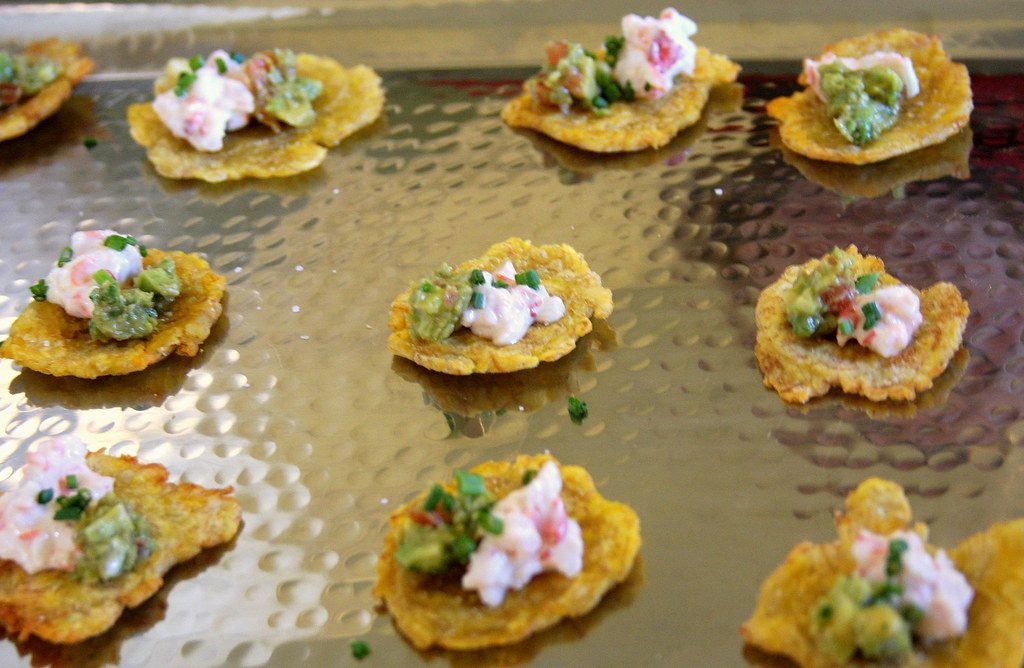
A traditional Puerto Rican breakfast rarely looks like a single plate. It is closer to a rotating cast of small, deeply flavored dishes shaped by three distinct culinary inheritances: Spanish colonization, West African foodways, and Taíno ingredients that predate both. Walk into any panadería on the island before 8 a.m. and the counter tells the story before a single word is spoken.
This guide moves through ten dishes that anchor that morning table, from the coffee rituals that start the day to the starchy root-vegetable pancakes that close it out. Readers curious about how these customs compare to traditional Japanese breakfast or other regional breakfast traditions around the world will find plenty of contrast here, since few island cuisines blend Spanish pastry technique with Caribbean ingredients quite the same way.
1. Café Con Leche
Café con leche is the drink that sets the pace for the rest of the morning. It is built from strong, dark-roasted coffee combined in roughly equal parts with scalded whole milk, poured together so the two liquids blend into one smooth, pale-brown cup rather than sitting as separate layers.
Unlike a simple splash of milk in black coffee, the milk here is heated until it just begins to steam, which softens the coffee’s bitterness and gives the drink a silky body. Many households serve it with saltine crackers, buttered toast, or a torn piece of bread for dipping, a habit that mirrors how coffee anchors morning routines across other Puerto Rican beverage traditions served at holiday tables throughout the year.
Pro Tip: Scald the milk just until small bubbles form at the edge of the pot; boiling it fully can scorch the milk and dull the coffee’s flavor.
2. Cortadito
Where café con leche is a full mug meant for lingering, cortadito is a smaller, sweeter jolt typically served in a short glass or demitasse cup. It starts with espresso or very strongly brewed coffee, then gets “cut” with a smaller ratio of steamed milk and a spoonful of sugar whipped directly into the first drops of coffee to create a light foam.
The result is thicker and more intensely flavored than café con leche, closer in spirit to a Cuban cortadito than an American latte. It is the drink people grab between errands rather than one meant for a leisurely sit-down breakfast, and its concentrated sweetness has parallels in other milk-forward coffee customs, including those found in traditional Egyptian drink culture.
| Feature | Café con Leche | Cortadito |
|---|---|---|
| Base coffee | Strong drip or stovetop coffee | Espresso or very concentrated coffee |
| Milk ratio | Roughly 1:1 with coffee | Smaller splash, less milk overall |
| Serving size | Full mug | Small glass or demitasse |
| Typical sweetness | Mild to moderate | Pronounced, whipped into foam |
3. Pan Sobao
Pan sobao is a soft, slightly sweet white bread with a tender crust, traditionally hand-kneaded and stretched into a flattened round loaf. Its name comes from sobar, meaning “to knead” or “to rub,” a nod to the hands-on process bakers use to work the dough into its signature softness.
At breakfast, it usually shows up sliced and lightly buttered, or torn into pieces for dunking straight into café con leche. Some households toast it, while others prefer it fresh and pillowy, which is part of why it pairs so differently with coffee than denser, crustier loaves found in traditional French bread traditions. A good pan sobao should tear easily without crumbling, leaving slightly glossy fingers from the light coating of fat worked into the dough.
4. Queso Frito
Queso frito is pan-fried white cheese, usually a firm, mild variety sometimes labeled “queso de freír” or “queso blanco para frito,” chosen specifically because it holds its shape in a hot skillet instead of melting into a puddle. The cheese develops a golden, slightly crisp exterior while staying soft inside, and it is typically served alongside eggs, fried plantains, or a piece of bread.
It functions almost like a savory anchor on a plate that otherwise leans sweet, balancing out mallorcas or coffee with something salty and substantial. Readers who enjoy comparing how different cultures use fried dairy at breakfast might also look at how cheese shows up in traditional South African food customs, where grilled and fried dairy also plays a supporting role rather than a starring one.
Important Note: Standard mozzarella or cheddar will not fry properly for this dish; look specifically for a frying cheese labeled for high-heat cooking, since regular melting cheeses will simply liquefy in the pan.
5. Habichuelas Guisadas
Habichuelas guisadas are stewed beans, most often small red or pink beans, simmered in a base of sofrito, tomato sauce, and seasoning until the liquid thickens into a light gravy. While they are a staple at lunch and dinner, leftover habichuelas guisadas reheated with a fried egg on top is a common breakfast move in many households, turning last night’s side dish into this morning’s protein.
The flavor backbone comes from a handful of consistent ingredients:
- Sofrito made from culantro, cilantro, peppers, onion, and garlic
- Tomato sauce or tomato paste for body and color
- Calabaza (Caribbean pumpkin) or potato, added for texture
- Cured pork or ham, used sparingly for depth of flavor
This same bean preparation appears at major holiday meals as well, including on many Puerto Rican Thanksgiving food spreads, which speaks to how adaptable the dish is across different meals and seasons.
6. Longaniza
Longaniza is a fresh pork sausage seasoned heavily with garlic, oregano, and achiote, which gives it a reddish-orange tint and an aromatic, slightly smoky flavor once it hits the pan. It is typically sold in long, thin links and fried whole or sliced into coins, then served alongside eggs, pan sobao, or a scoop of habichuelas guisadas.
Unlike cured chorizo, longaniza is meant to be cooked fresh rather than aged, so the texture stays juicy and the seasoning tastes brighter rather than deeply fermented. Pork sausages hold a similarly central role during celebrations, showing up on many Puerto Rican Christmas food tables alongside pernil and arroz con gandules.
7. Mallorcas
Mallorcas are coiled, egg-rich sweet buns dusted heavily with powdered sugar, often split and filled with ham and cheese, then pressed flat on a griddle until warm and slightly crisp at the edges. King Arthur Baking notes that pastry is not native to tropical Puerto Rico; it is a tradition we inherited from the Spaniards during the 405 years our island was a Spanish colony.
The bun’s specific recipe has a more recent timeline than Puerto Rican cuisine overall. The recipe for mallorcas was similarly imported, arriving in the 1800s with waves of immigration from the Balearic Islands, and Puerto Rican mallorcas are named after the island of Mallorca in Spain, where bakers prepare a similar pastry called ensaïmada. That Balearic sweet bread tradition traces back centuries on its home island, where Wikipedia’s entry on ensaïmada notes the first written references to the Mallorcan ensaïmada date back to the 17th century.
Key Insight: According to King Arthur Baking, it was Mallorcan immigrants who started the oldest and most famous mallorca bakery in Puerto Rico, La Bombonera Puig y Abraham, founded in 1902, a bakery still associated with the pastry on the island today.
Saveur adds that the buns made their way to Puerto Rico in the early 1900s and took on a life—and name—of their own, and today the sweet rolls can be found sandwiched with ham and cheese at cafes across San Juan. That grilled, savory-sweet version has become arguably more popular than the plain sugared bun on its own.
8. Quesitos
Quesitos are flaky puff pastry twists wrapped around a sweetened cream cheese filling, baked until golden, and sometimes brushed with a light syrup for shine. According to Wikipedia , quesito is a cream cheese-filled pastry twist from Puerto Rico, though the origin of this pastry is unclear but exact recipes are found all over Latin America and the Caribbean.
The name is straightforward once translated. As We Are Mitú explains, the name quesito translates to “little cheese,” a reference to its main ingredient, and in Puerto Rico, quesitos are a common sight in traditional panaderías de pueblo (local Puerto Rican bakeries). Guava paste and pineapple are popular filling additions alongside the classic plain cream cheese version.
Common Mistake: Quesitos are often confused with Cuban pastelitos de queso, but the shape, fold, and lighter syrup finish set the Puerto Rican version apart from its Cuban cousin.
9. Serenata De Bacalao
Serenata de bacalao is a cold salted cod salad, made by soaking and shredding dried bacalao, then tossing it with boiled potatoes or green bananas, tomato, onion, avocado, and a simple dressing of olive oil and vinegar. It leans savory and acidic rather than sweet, which makes it a distinctive choice compared to most of the other dishes on this list.
The dish is especially common during Lent and other periods tied to the Catholic calendar, when salted fish traditionally replaces meat, though many families enjoy it year-round as a light, protein-forward start to the day. Properly desalinating the cod matters here: skipping a thorough soak leaves the finished salad unpleasantly briny instead of pleasantly savory.
10. Pancakes De Viandas
Pancakes de viandas are savory fritters made from grated starchy root vegetables, commonly yautía, plantain, or yuca, mixed with egg and a little flour, then pan-fried until the edges turn deep golden and crisp. The term “viandas” refers broadly to these starchy roots and tubers, many of which trace back to Taíno agricultural staples long before Spanish contact.
Served with a fried egg or a drizzle of honey, these fritters offer a heartier, more filling alternative to bread-based breakfasts. Root vegetable cooking holds a similarly important place in other indigenous-rooted food traditions, including some practices reflected in traditional Native American holiday foods, where native tubers and squash often anchor the meal the same way viandas do here.
Together, these ten dishes show how a single morning meal can carry centuries of migration, trade, and adaptation on one small plate. For readers planning a deeper dive into the island’s food culture, Puerto Rican naming traditions offer another window into how Spanish, African, and Taíno influences continue to shape daily life, while those simply looking for more morning menu ideas can browse other breakfast inspiration to round out a themed spread at home.