8 Traditional Lithuanian Breakfast Foods You’ll Find on Every Table

November 22, 2026
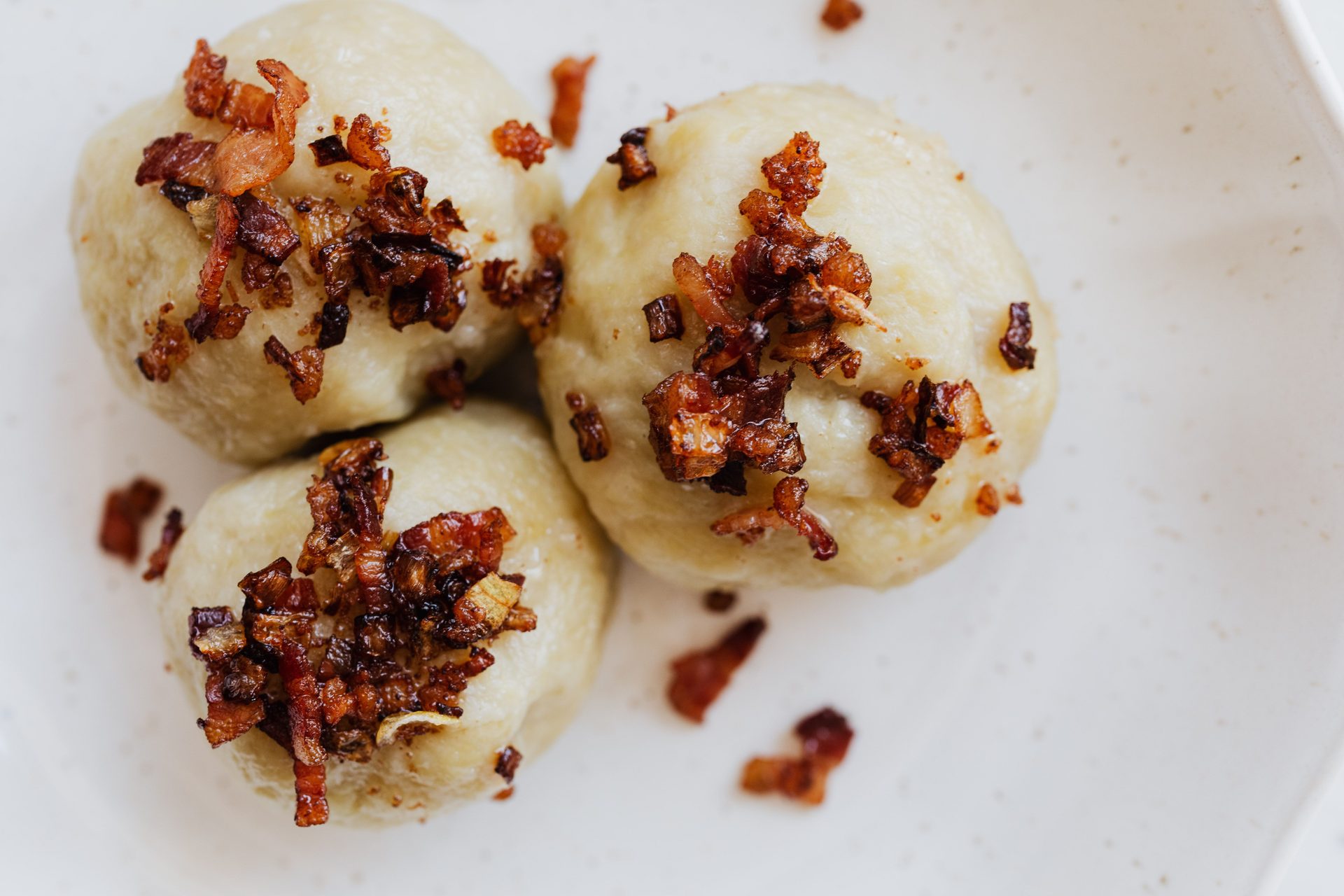
A traditional Lithuanian breakfast rarely looks like a bowl of cereal or a slice of toast. Instead, the morning table fills with dense rye bread, warm semolina porridge, and tangy curd cheese pancakes left over from weekend baking. These dishes trace back to a farming culture shaped by cold winters, short growing seasons, and a deep respect for grain, dairy, and potatoes.
Lithuania’s food habits grew out of longlasting agricultural and foraging traditions , and that history still shows up at breakfast. Readers curious how this compares to other morning meals can check out this Japanese breakfast guide or browse more global breakfast traditions for context. Below are eight dishes that still anchor the Lithuanian morning table, from porridge and rye bread to kefir and sweet curd cheese bars.
| Dish | Lithuanian Name | Main Ingredients | Typical Serving |
|---|---|---|---|
| Semolina porridge | Manų košė | Semolina, milk, butter, sugar | Warm, with jam or berries |
| Rye bread | Ruginė duona | Rye flour, water, malt, caraway | Sliced, with butter or cheese |
| Potato pancakes | Bulviniai blynai | Grated potato, egg, flour | Fried, with sour cream |
| Curd cheese pancakes | Varškėčiai | Farmer’s cheese, egg, flour | Fried, with jam or honey |
| Potato pudding | Kugelis | Potato, bacon, onion, egg | Baked, sliced into squares |
| Decorated eggs | Margučiai | Eggs, onion skins, natural dye | Boiled, eaten at Easter |
| Fermented milk drink | Kefir | Milk, kefir grains/culture | Chilled, on its own or with soup |
| Sweet curd bar | Sūrelis | Farmer’s cheese, sugar, chocolate coating | Cold, as a grab-and-go snack |
1. Manų Košė
Manų košė, or semolina porridge, is the dish most Lithuanian children grew up eating before school. Milk is simmered with semolina until it thickens into a smooth, spoonable porridge, then finished with a pat of butter and a spoonful of sugar or fruit preserve. It sits in the same family of grain porridges found across traditional Indian breakfast dishes, where warm, milk-based grains also open the day.
What makes manų košė distinct is its texture and restraint. The porridge is kept simple, often just milk, semolina, salt, and a little sugar, so the flavor of fresh dairy carries the dish. Common toppings include:
- Stewed berries or fruit compote
- Honey or jam stirred through just before serving
- A knob of butter melted on top
- Cinnamon for a warmer, autumn-style bowl
Because it reheats well and costs little to make, manų košė has stayed a weekday staple even as more Western cereals have entered Lithuanian grocery stores.
2. Ruginė Duona
Rye bread is not a side dish in Lithuania; it is the backbone of nearly every meal. According to Lithuania’s Tourism and Communication Development Agency, bread was placed on the table at the very beginning of a meal because it was considered sacred, and a loaf could never be set down upside-down. The same source notes that Vilnius bakeries alone produce roughly fifteen varieties of rye loaf.
Dark rye, known as ruginė duona, dominates the bread basket. One Lithuanian food writer put it plainly: dark rye bread is king, served at every meal , a habit shared with neighboring Polish and Ashkenazi Jewish households. The bread’s sour, dense character comes from a long-fermented starter and coarse rye flour, often with caraway seeds folded in for aroma.
Pro Tip: For an authentic breakfast pairing, top a slice of rye with cultured butter and a thin layer of farmer’s cheese rather than jam. The tang of the bread balances sweeter toppings served later in the meal, like jam-filled pancakes.
Tourism sources also point out that rye grain for making rye bread is the oldest Lithuanian foodstuff , a claim that lines up with how central the loaf remains at breakfast tables today, well over a century after it became a daily fixture.
3. Bulviniai Blynai
Bulviniai blynai, or potato pancakes, show up on breakfast tables, lunch plates, and dinner spreads alike. Finely grated raw potato is mixed with egg, a little flour, and sometimes onion, then fried in hot oil until the edges turn crisp and golden. Wikipedia’s overview of Lithuanian culture lists bulviniai blynai among the country’s traditional meals , alongside cold beet soup and stuffed cabbage rolls.
The pancakes share a family resemblance with German potato fritters, a connection worth exploring through this German stew and comfort food guide, since both regions lean on grated potato as an everyday base. In Lithuania, bulviniai blynai are almost always served with a generous spoonful of sour cream, sometimes with a side of lingonberry jam for contrast.
Home cooks vary the recipe by region. Some versions fold in grated carrot or zucchini for color, while others keep it strictly potato, egg, and salt, letting the starchy potato flavor stand on its own.
4. Varškėčiai
Varškėčiai are soft, lightly sweet pancakes built around varškė, a fresh farmer’s cheese similar to a drier cottage cheese. The curds are mixed with egg, a touch of sugar, and just enough flour to bind the batter before small rounds are fried until the outside turns a pale gold and the inside stays creamy.
This use of fresh curd cheese at breakfast has parallels in other dairy-forward food cultures, including the yogurt and cheese traditions covered in this guide to traditional Greek foods. In both cuisines, fresh dairy curds do double duty as a protein-rich breakfast and a base for simple desserts.
Varškėčiai are typically finished with a drizzle of honey, a spoon of sour cream, or a spoonful of berry jam. Because the batter comes together quickly once the curd cheese is on hand, the dish remains a common weekend breakfast when families have more time to cook from scratch.
5. Kugelis
Kugelis, a baked potato pudding, is often treated as more of a special-occasion dish, though leftover squares frequently reappear at breakfast the next morning. Grated raw potato is combined with onion, egg, and milk, then baked until the top turns deeply golden and the inside sets somewhere between a dense mash and a custard. Food historians trace the dish partly to outside influence: German traditions introduced pork and potato dishes such as potato pudding into Lithuanian cooking.
Its exact origin story is genuinely tangled. As one Lithuanian recipe source explains, potato puddings show up under different names across the region , from Yiddish kugel to Polish baba kartoflana, with ingredients and techniques crossing borders for centuries. What sets the Lithuanian version apart is the specific balance of potato to bacon to sour cream, refined over generations into something distinctly its own.
Common Mistake: Skipping the step of squeezing excess liquid from the grated potato. Too much moisture leaves kugelis soggy in the middle instead of setting into that signature dense, custard-like texture.
Leftover kugelis is usually reheated in a skillet and served with a dollop of cold sour cream or a spoonful of applesauce, making the jump from dinner dish to next-day breakfast an easy one.
6. Painted Easter Eggs
Painted Easter eggs, known locally as margučiai, turn the breakfast table into something closer to folk art each spring. Eggs are hard-boiled with natural dyes, often made from onion skins, beet juice, or boiled leaves, which stain the shells in deep ambers, reds, and greens before intricate patterns are scratched or waxed onto the surface.
Unlike everyday breakfast dishes, margučiai are tied to a single holiday. Families typically prepare a basket of decorated eggs the night before Easter morning, then play a traditional egg-tapping game at the table, where two people knock their eggs together and the one left uncracked wins. Readers planning a themed holiday spread might find useful ideas in this holiday breakfast planning guide, since the logic of building a morning meal around a single symbolic food translates well across traditions.
Beyond the game, the eggs themselves are simply eaten plain, sliced into salads, or paired with rye bread and butter, turning a seasonal craft project into an actual breakfast food once the games are done.
7. Kefir
Kefir, a tangy fermented milk drink, is a staple in the Lithuanian fridge year-round but especially popular at breakfast during warmer months. The drink is made by introducing kefir grains, a culture of bacteria and yeast, into fresh milk and letting it ferment until it thickens slightly and develops a sharp, slightly fizzy tang.
Fermented dairy drinks like kefir appear across much of the Baltic and Slavic world, a connection explored further in this overview of traditional Russian drinks. In Lithuania, kefir is often drunk straight from the glass alongside rye bread, or used as the base for cold summer soups that blur the line between breakfast and light lunch.
Key Insight: Kefir’s fermentation process gives it live cultures similar to yogurt, which is part of why it has stayed a breakfast staple even as processed cereal options have become more widely available in Lithuanian supermarkets.
8. Sūrelis
Sūrelis is a small, cold bar built from sweetened farmer’s cheese, usually dipped or coated in a thin layer of chocolate. It sits somewhere between a breakfast food and a snack, grabbed from the refrigerated dairy case for a quick bite on the way out the door or packed into a child’s school bag.
The base is the same fresh curd cheese used in varškėčiai, just sweetened further and shaped into a bar before chilling. That contrast between a plain, farmer’s-style cheese and a sweet chocolate shell has something in common with the pastry-and-dairy pairings found in this guide to traditional French food, where simple dairy bases are frequently dressed up for a sweeter morning treat.
Because sūrelis keeps well and needs no preparation, it has become one of the most common grab-and-go breakfast items in Lithuanian grocery stores, sold alongside yogurt and fresh milk rather than in a candy aisle.
Taken together, these eight dishes show how a traditional Lithuanian breakfast rarely relies on a single star ingredient. Rye, potato, and fresh dairy curds repeat across nearly every dish, reshaped into porridge, pancakes, baked puddings, and cold drinks depending on the season and the occasion. Readers building out a broader picture of how different cultures start the day might enjoy comparing these staples with the dishes covered in this traditional Malaysian food guide, where rice and coconut play a similar everyday role to rye and potato in Lithuania.