Can You Eat Spicy Food While Pregnant? Here’s What Experts Say

April 23, 2026
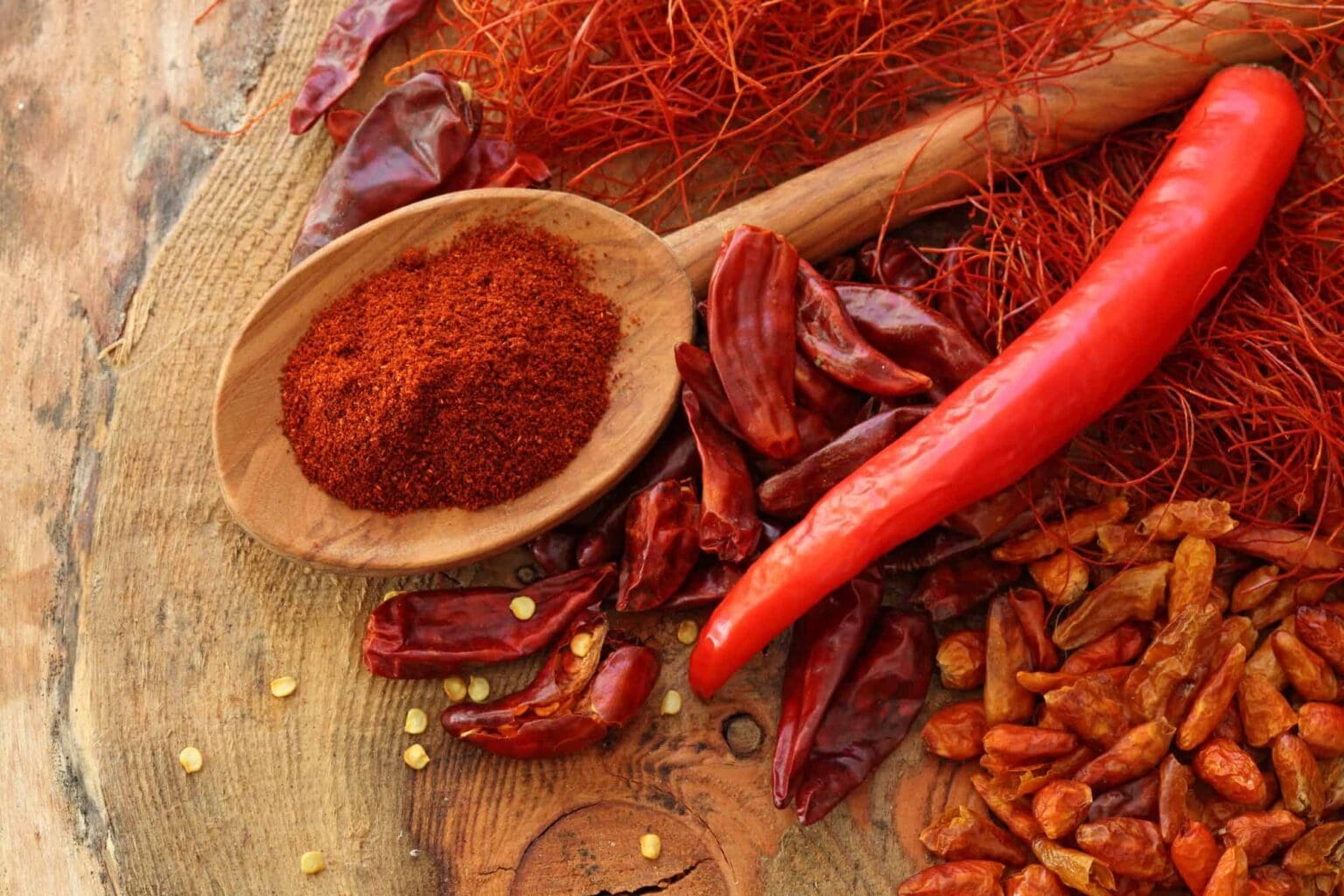
Craving hot sauce on everything lately? You’re not imagining it — and you’re definitely not alone. Spicy food cravings are one of the most common pregnancy experiences, and the question of whether they’re safe comes up in virtually every pregnancy forum, OB appointment, and mom group out there.
The good news is that the answer is largely reassuring. Eating spicy food during pregnancy is 100 percent safe for your baby. But there’s a little more to the story when it comes to your comfort — especially as your pregnancy progresses. This guide walks you through exactly what the research says, how to enjoy spicy food smartly across each trimester, and the specific situations where pulling back is the right call.
The Short Answer
Spicy food during pregnancy is safe for most women in moderation. There is no scientific evidence to suggest that spicy foods hurt the baby or lead to pregnancy problems in a healthy woman.
You can eat spicy food while pregnant as long as it does not cause significant discomfort or digestive issues. While spicy foods can sometimes lead to heartburn or indigestion, they are not harmful to your baby and will not affect fetal development.
So if you’ve been side-eyeing that bottle of sriracha and wondering if you need to put it away for nine months — you don’t. The real consideration isn’t your baby’s safety; it’s your own digestive comfort, which pregnancy already has a way of making more complicated. Keep reading for the full picture.
Pro Tip: If you’ve always eaten spicy food, there’s no reason to stop during pregnancy. If you’re new to heat, go slowly — your pregnant digestive system may be more reactive than you expect.
Why It’s Safe
Spicy food gets a bad reputation during pregnancy largely because of old myths and well-meaning but outdated advice. The science, however, is clear. Eating spicy food is 100% safe for the fetus. The process of eating spicy food cannot harm the baby.
Beyond just being harmless, spicy food may actually offer some real benefits while you’re expecting. Not only is eating spicy food during pregnancy generally safe, but there can be big benefits too. The compound capsaicin, often found in spicy peppers, has anti-inflammatory properties, which may be beneficial to Mom and baby’s immune function.
Capsaicin and other spicy foods can also cause the body to release endorphins, aka “feel-good hormones.” Plus, if spice makes your meals more enjoyable and adds flavor without added sugar, that’s a big nutritional win.
There’s even a potential benefit for your baby’s future palate. Advances in early life research have revealed that the flavors from the foods you eat can pass from you to your baby via the amniotic fluid, and that as your unborn baby’s sense of taste and smell develop, they start to form opinions about the foods you eat. By the end of your pregnancy, your baby will regularly swallow large amounts of amniotic fluid and studies have shown that this could have an impact on your baby’s food preferences once they start weaning.
That means your love of spicy food might raise a more adventurous eater — a pretty nice side effect.
Key Insight: Capsaicin — the active compound in chili peppers — has anti-inflammatory and mood-boosting properties that may actually benefit you during pregnancy, not just satisfy a craving.
What the Research Actually Says
The medical consensus on spicy food and pregnancy is well-established, and it leans heavily in your favor. Generally, spicy food is considered safe, says Lena Bakovic, MS, RDN, LDN, CNSC, a dietitian with Top Nutrition Coaching. “Most people can tolerate spicy foods if it’s their preference without difficulty,” she says.
One area where research gets interesting is the amniotic fluid connection. 2019 research suggests that eating certain foods during pregnancy can change the “flavor” of your amniotic fluid. However, no studies have looked at spicy food intake specifically. Nevertheless, you could be influencing your baby’s taste buds with all those buffalo chicken wraps, and they might show a preference for certain familiar flavors later on.
What about the popular belief that spicy food induces labor? People have long said that spicy food could help labor along, but there’s no actual research that supports this idea. “Spicy foods themselves cannot induce labor,” according to certified nurse midwife Skyler Jacobs, CNM. However, the gastrointestinal side effects that may result from eating spicy foods can cause symptoms like diarrhea and the release of hormones called prostaglandins. “This gastrointestinal upset and release of prostaglandins may cause a woman to experience contractions — but these contractions are unlikely to be productive or progress into labor,” she explains.
The one caveat the research does flag consistently is digestive discomfort — specifically heartburn. As one OB at UT Southwestern Medical Center explains, “Progesterone, a hormone that increases early in pregnancy, also reduces the reliability of the esophageal sphincter, which means that certain foods such as spicy dishes may trigger heartburn symptoms.” That’s a you problem, not a baby problem — but it’s still worth taking seriously, especially in the third trimester.
You can learn more about foods and beverages to avoid during pregnancy for a broader look at what to keep off your plate while expecting.
Important Note: The myth that spicy food causes miscarriage has no medical basis. This is a common myth with no medical evidence behind it. Miscarriages are typically caused by genetic or structural factors, not by the type of food you eat.
How to Do It Safely
Enjoying spicy food during pregnancy is absolutely doable — it just helps to be a little strategic about it. Here’s how to keep the heat without the discomfort, broken down by trimester and practical approach.
By Trimester
First Trimester: In the first trimester, eating spicy food isn’t likely to cause many issues, although it can aggravate morning sickness. If you’re already having trouble with all-day nausea and queasiness, spicy foods may make things worse. If morning sickness is manageable, enjoy spice as you normally would — just pay attention to how your body responds.
Second Trimester: This is typically the easiest trimester for eating spicy food. Morning sickness has usually eased, and your uterus hasn’t yet grown large enough to significantly compress your stomach. Most women tolerate spice well during this window.
Third Trimester: Women who experience heartburn may want to avoid spicy foods as the third trimester rolls around. “Increased pressure from the growing uterus combined with consumption of spicy foods could result in increased discomfort,” according to certified nurse midwife Skyler Jacobs. This is the trimester to be most mindful — not because spice is dangerous, but because your digestive system is already under pressure.
Practical Tips for Eating Spicy Food Safely
- Eat spicy food earlier in the day — Eating spicy food earlier in the day helps prevent nighttime heartburn.
- Pair with dairy — Combining spicy food with milk or yogurt can help coat the stomach and comfort digestion.
- Stay hydrated — Many spicy foods are high in sodium, and it’s important to stay hydrated to avoid dehydration. Keep a glass of water nearby.
- Start slow if you’re new to heat — Experts advise starting small and slow — begin with eating something only slightly spicy and increase the level of heat over the next few meals so you can get a read on how your body will tolerate the spiciness.
- Eat smaller portions — Eat smaller servings, particularly if you are eating something new to your spice tolerance.
- Don’t eat right before bed — If heartburn is a problem at night, do not eat for 2 hours before bedtime.
- Sit upright after eating — Stay upright for at least 30 minutes after meals to reduce acid reflux.
- Choose quality ingredients — Prepare spicy food safely by choosing quality ingredients and washing your hands after handling peppers.
If you do end up with heartburn after a spicy meal, knowing how to make food less spicy next time — or dialing back the heat at the source — can make a real difference. Also note that getting rid of pregnancy heartburn isn’t as easy as reaching for over-the-counter remedies, since not all drugs for heartburn, indigestion, and nausea are considered safe for pregnant women.
Pro Tip: Spice tolerance can shift during pregnancy even if you’ve always been a heat lover. What felt mild before might hit differently now — give yourself permission to dial it back without guilt.
Specific Spices to Watch
Most everyday spices are perfectly fine in normal cooking amounts. However, a few warrant extra caution in large quantities or supplement form. Caution is advised with fennel and turmeric specifically. “Regular use of fennel supplements has been linked to preterm birth, while turmeric, when taken in conjunction with medications for diabetes, can result in dangerously low blood sugar levels.”
Poppy seeds, garlic, peppermint, rosemary, and nutmeg are some spices that should especially be avoided in large quantities during pregnancy. Used in typical culinary amounts, most of these are fine — but supplements or concentrated forms are a different story. It never hurts to consult with your doctor on the safety of certain herbs or spices.
For a broader picture of how your diet choices can affect your overall health during and beyond pregnancy, explore these powerful nutrients and foods that support long-term health.
When to Avoid It Completely
Spicy food is safe for most pregnant women, but there are specific situations where skipping it — at least temporarily — is the smarter choice. This isn’t about being overly cautious; it’s about listening to what your body is telling you.
You Have Pre-Existing Digestive Conditions
Every person is different. If you already have gastric ulcers, heartburn, or GERD (gastrointestinal reflux disease), spicy food will aggravate your condition. In those situations, it’s not that the food is unsafe for the baby, but that it’ll make you uncomfortable.
Nine out of 10 pregnant patients develop symptoms of GERD by their third trimester — so if you already have it before pregnancy, adding spicy food to the mix is likely to intensify symptoms significantly. Talk to your OB about a plan that works for your specific situation.
You’re Experiencing Severe Morning Sickness
In the first trimester, eating spicy food is unlikely to cause many problems, although it can worsen morning sickness. If you are experiencing symptoms of nausea and vomiting all day, spicy food can make things worse. When morning sickness is severe, this is one of the clearest reasons to hold off until you’re feeling more stable.
Your Sleep Is Being Disrupted
Spicy foods can cause heartburn, a problem that becomes a lot more common as your belly grows. Limiting spicy foods and avoiding spices during your evening meal can reduce your risk of heartburn that otherwise might interfere with your sleep. Sleep is already precious during pregnancy — protecting it is worth the trade-off.
You Notice Uterine Irritability
In some women, spicy food can cause an irritable uterus or irritation in the intestines. Spicy foods usually pass through the gastrointestinal tract quicker than non-spicy food, and may even cause diarrhea, acidity, or gas. These issues can make the intestines cramp, which in turn causes irritation in the uterus due to its close proximity to the intestines.
The major symptom of an irritable uterus is disorganized twitching in the uterine muscles or cramps in the lower abdomen, which in rare cases can cause contractions that begin to dilate the cervix. Women who are less than 37 weeks pregnant and experience any such symptoms should immediately consult their doctor.
When to Call Your Doctor
Most spice-related discomfort during pregnancy is unpleasant but not dangerous. However, some symptoms do warrant a call to your provider. According to Cleveland Clinic, if you have heartburn that wakes you up at night, have trouble swallowing, spit up blood, have black stool, or are losing weight, you should talk with your doctor about your symptoms and a possible solution.
If heartburn symptoms are associated with headaches or swelling of the hands and face, talk with your provider before trying these remedies, especially if the symptoms are new and present in the last trimester of pregnancy. Heartburn-like pain can be a symptom of preeclampsia, or dangerously high blood pressure during pregnancy. Preeclampsia puts mothers and babies at risk, and further evaluation may be necessary.
Understanding the full landscape of foods and beverages that should be avoided during pregnancy is a great complement to knowing what you can eat safely.
Important Note: Heartburn-like chest pain accompanied by headaches or hand/face swelling in the third trimester should never be dismissed as just “spicy food.” Contact your provider immediately — it can be a sign of preeclampsia.
Quick Reference Chart
Use this at-a-glance guide to quickly assess your spicy food choices during pregnancy. Remember: “safe” always assumes no pre-existing digestive conditions and no significant discomfort.
| Scenario / Food Type | Status | Notes |
|---|---|---|
| Spicy food in general (healthy pregnancy, no GI issues) | ✅ Safe | No risk to baby; enjoy in moderation |
| Spicy food in the first trimester (no morning sickness) | ✅ Safe | Watch for nausea response; start slow if new to spice |
| Spicy food in the second trimester | ✅ Safe | Typically the most comfortable trimester for spice |
| Spicy food in the third trimester | ⚠️ With Caution | Growing uterus increases heartburn risk; eat earlier in the day |
| Spicy food with active morning sickness | ⚠️ With Caution | May worsen nausea and vomiting; hold off until stable |
| Spicy food if you have GERD or acid reflux | ⚠️ With Caution | Safe for baby, but will likely worsen your symptoms; consult OB |
| Spicy food if you have gastric ulcers | ❌ Avoid | Will aggravate condition; discuss alternatives with your doctor |
| Spicy food when experiencing uterine cramping or irritability | ❌ Avoid | Stop immediately and contact your doctor if under 37 weeks |
| Spicy food at night / before bed | ⚠️ With Caution | High heartburn risk; cut off eating 2–3 hours before lying down |
| Everyday cooking spices (cumin, paprika, chili powder) | ✅ Safe | Fine in normal culinary amounts throughout pregnancy |
| Fennel or turmeric in supplement form | ❌ Avoid | Fennel linked to preterm birth risk; turmeric may interact with diabetes meds |
| Nutmeg, poppy seeds, rosemary in large quantities | ⚠️ With Caution | Fine in cooking; avoid concentrated/supplement amounts |
| Heartburn that wakes you up at night | ❌ See Your Doctor | Regardless of cause, this warrants a provider conversation |
For more on building a balanced, health-supporting diet, explore whole plant-based foods and superfoods for a healthy heart — both are excellent pregnancy-friendly resources.
Frequently Asked Questions
Does spicy food cause miscarriage?
No. This is a common myth with no medical evidence behind it. Miscarriages are typically caused by genetic or structural factors, not by the type of food you eat. You can feel confident that enjoying spicy food is not putting your pregnancy at risk.
Can spicy food induce labor?
This is a recurring myth without scientific evidence. Labor begins when your baby is ready and your body releases specific hormones that trigger contractions. While spicy food might cause digestive rumbling or loose stools, it doesn’t stimulate the uterus. Don’t count on it as a labor induction method — it won’t work, but it might give you heartburn.
Why am I suddenly craving spicy food now that I’m pregnant?
One theory is that spicy cravings could be due to fluctuating hormone levels. Indeed, some experts contend that hormonal changes during pregnancy may alter smell and taste receptors, which can result in intense cravings. Research suggests cravings affect 50 to 90 percent of pregnant women in the United States — so if you’re suddenly obsessed with buffalo sauce, you’re in very good company.
Will spicy food hurt my baby?
No. As gynecologist and obstetrician Dr. Nisarg Patel says, “Spicy food doesn’t affect your baby’s development. What matters most is the nutrients you consume, not the flavors. Interestingly, some research suggests that eating various flavors, including spicy ones, can expose your baby to those tastes through amniotic fluid.”
Is it normal for my baby to move more after I eat spicy food?
It’s perfectly normal to feel your baby kicking more when you’ve eaten something spicy. This is likely a response to your own digestive activity and changes in amniotic fluid flavor — not distress. It’s actually a sign your baby is active and responsive.
What can I do about heartburn after eating spicy food during pregnancy?
Start with lifestyle adjustments: eat smaller meals, stay upright after eating, and avoid spicy food in the evening. Some yogurt or milk may also help relieve symptoms. If those don’t help, talk to your provider before you use any over-the-counter antacid or acid-reducing medicine — many are safe during pregnancy, but your provider can help you choose the right option. Understanding why spicy food affects your digestive system can also help you anticipate and manage the effects. Also check out foods that support healthy digestion and liver function for complementary dietary support.
Are there spices I should completely avoid during pregnancy?
Steer clear of too much fenugreek, ajwain (carom seeds), asafoetida (hing), and liquorice root, particularly in concentrated forms such as supplements. Used in moderation in cooking, most spices are okay. When in doubt about a specific herb or spice — especially in supplement form — always check with your OB or midwife first.
Pregnancy nutrition can feel overwhelming, but knowing what’s genuinely safe gives you the confidence to eat well and enjoy your food. For more guidance on nourishing yourself during and beyond pregnancy, explore foods that boost brain health and fibroid-healing foods for additional diet support resources.
Pro Tip: Keep a simple food journal for a week or two. Tracking what you ate and how you felt afterward is the fastest way to identify your personal spice threshold during pregnancy — no guesswork needed.
This information is for educational purposes only and is not intended as medical advice. Always consult with a qualified healthcare professional before making decisions about your diet during pregnancy.