
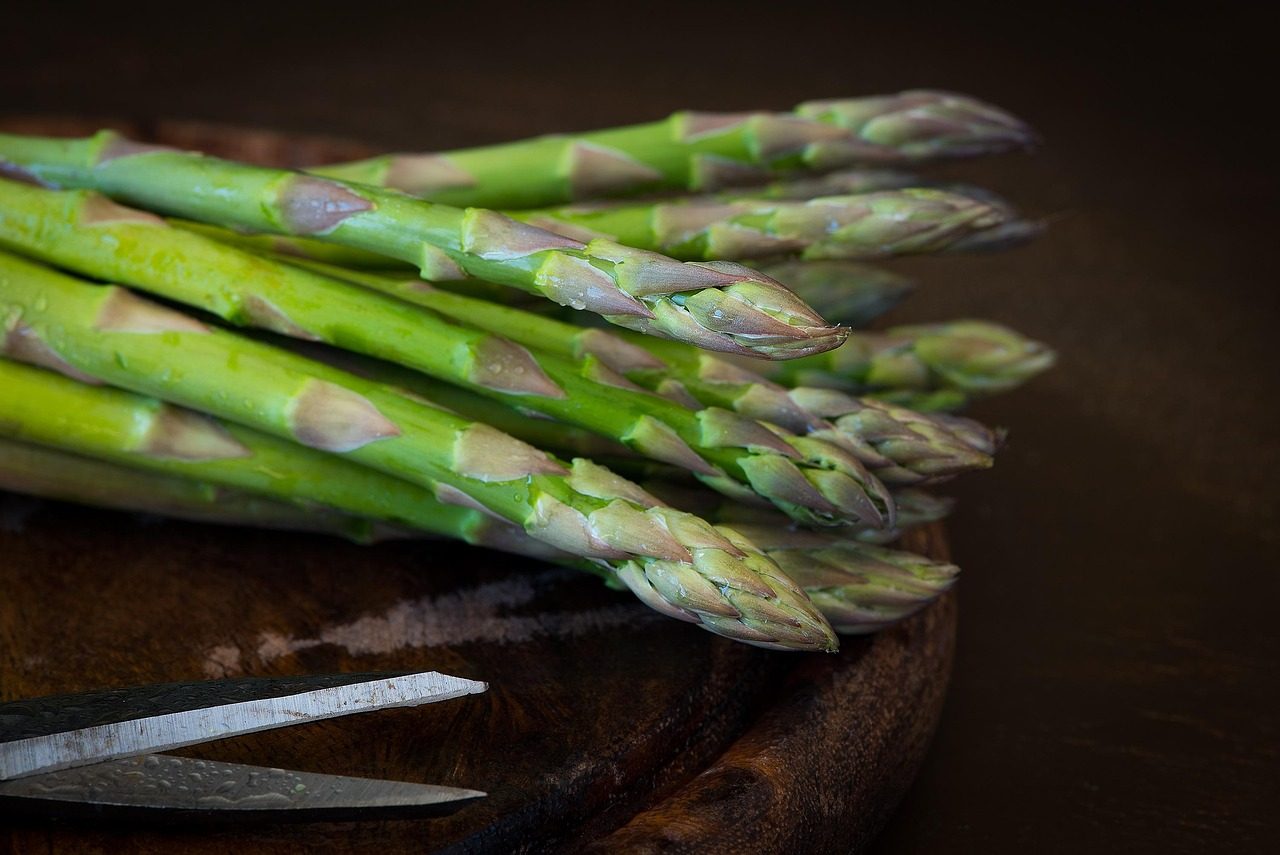
Asparagus has one of the shortest seasons of any vegetable in the American grocery store. It hits peak season in the spring, and while you can usually find it year-round in most places, it tastes best during those spring months. If you’ve ever stocked up on a good sale and then watched the spears go limp in your fridge a few days later, you already know the problem.
Freezing is the most practical solution — and the good news is that asparagus freezes well when you follow a few simple steps. This guide covers everything from blanching times and storage windows to thawing, cooking, and knowing when frozen asparagus has gone bad.
Can You Freeze Asparagus?
Yes, you can freeze fresh asparagus. It’s a perfect solution if you’ve purchased or grown a little too much during asparagus season. Freezing extends its shelf life far beyond what the refrigerator can offer and lets you enjoy a taste of spring well into fall and winter.
Even when storing fresh asparagus properly in the refrigerator, it will only last about five days. When combined with its short peak season, freezing is the best way to enhance its shelf life, avoid waste, and make the most of this vegetable practically year-round.
The one non-negotiable step is blanching before you freeze. If you skip blanching, the enzymes continue to cause changes even while frozen, resulting in faster quality deterioration. Unblanched frozen asparagus will keep for only one to two months and will have a less vibrant color, poor texture, and a slightly bitter taste. Blanch it properly and you’ll have asparagus worth eating months later.
Pro Tip: Buy asparagus in bulk during spring when prices drop at US grocery stores and farmers markets, then freeze it for use through the fall and winter months when it’s harder to find and more expensive.
Does Freezing Change the Texture or Taste of Asparagus?
Honest answer: yes, somewhat. If you’re considering freezing asparagus, understand that you won’t get the same crisp, snappy results you encounter with garden-fresh stems. Once spears freeze, ice crystals puncture cell walls in the succulent stems, resulting in something that is somewhat mushy. That delicious tooth-tender crunch that makes asparagus an ideal partner for pasta or salad disappears as asparagus freezes.
Fresh asparagus has a crunchy texture and vibrant flavor, but when frozen, it can become slightly softer and lose some of its fresh taste. To minimize these changes and preserve its flavor and texture, it’s recommended to blanch the asparagus before freezing.
The flavor, however, holds up well. Frozen spears pack all the flavor you know and love. They don’t need to be thawed before using and make a wonderful addition to casseroles, quiche, and soups. The key is simply steering frozen asparagus toward cooked dishes rather than raw preparations.
For more on how certain vegetables and foods retain their nutritional value through various preparation methods, see this guide to whole plant-based foods and how they support your diet.
How to Freeze Asparagus the Right Way
The process takes about 20 to 30 minutes and is straightforward once you’ve done it once. Follow these steps for the best results.
Step 1: Choose the Right Spears
The quality of your frozen asparagus starts with the quality of the asparagus you choose. Look for firm, bright green spears with tightly closed tips. Avoid limp or wilted stalks, as these won’t freeze as well. If possible, choose thicker spears for freezing; they’ll hold up better to the low temps than the pencil-thin ones.
Step 2: Wash and Trim
Gently rinse the asparagus under cool running water to remove any dirt or grit. Pay close attention to the tips where dirt can sometimes hide. Snap off the tough, woody ends of the asparagus — typically the bottom inch or two of the stalk. The point where the asparagus naturally breaks is typically the right spot.
Step 3: Sort by Thickness
Sort your asparagus by thickness before blanching. Thin spears need only two minutes while thick spears need four. Blanching all sizes together means some are overcooked and some are undercooked. This one step makes a big difference in the final texture.
Step 4: Blanch the Asparagus
Blanching involves boiling the asparagus for a brief period, then quickly cooling it in ice water to halt the cooking process. This helps maintain its color, flavor, and nutritional value. Use the following blanching times based on spear size:
| Spear Size | Blanching Time |
|---|---|
| Thin (pencil-width) | 2 minutes |
| Medium (~1/2 inch diameter) | 3 minutes |
| Large (over 1/2 inch) | 4 minutes |
Add up to one pound of asparagus to the boiling water at a time. Be sure to have ample water in the pot so it returns rapidly to a boil, or you risk overcooking the asparagus, which also contributes to post-freeze mushiness.
Step 5: Ice Bath and Dry
Promptly remove the asparagus from the boiling water after it’s done blanching, using a slotted spoon or tongs, and submerge it in a large bowl filled with ice water. Let it sit for a few minutes to cool and to fully stop the cooking process.
Pat the asparagus dry after you drain it from the ice water. Get it as dry as possible before freezing so that it doesn’t accumulate additional ice crystals that can make it soggy.
Step 6: Flash Freeze, Then Bag
Flash freezing helps prevent the asparagus spears from sticking together in the freezer, making it easier to take out only what you need later. Arrange the dried asparagus spears in a single layer on a baking sheet lined with parchment paper or wax paper. Place the baking sheet in the freezer for one to two hours, or until the asparagus is frozen solid.
Once the asparagus is flash frozen, transfer it to freezer-safe bags or airtight containers. Label the bags or containers with the date so you know how long the asparagus has been frozen. When placing the frozen asparagus into freezer bags, try to remove as much air as possible from the bags before sealing. This minimizes the risk of freezer burn and helps maintain quality.
Pro Tip: Consider freezing asparagus in portion sizes you typically use in recipes. That way, you can pull out just what you need without thawing an entire batch.
How Long Can You Freeze Asparagus?
Store frozen asparagus in the freezer for six to eight months for the best quality in terms of flavor and texture, though it technically lasts up to 12 months. For practical planning purposes, most sources agree on an eight-month window for best results.
Frozen asparagus that has been blanched can last for up to six to eight months in the freezer. For best results, enjoy within three months. The sooner you use it, the better the texture and flavor will be when it hits the pan.
| Storage Method | Estimated Shelf Life |
|---|---|
| Refrigerator (fresh) | 3–5 days |
| Freezer (unblanched) | 1–2 months |
| Freezer (blanched, best quality) | 6–8 months |
| Freezer (blanched, maximum) | Up to 12 months |
Always label your bags with the freeze date. It’s easy to forget when something went into the freezer, and asparagus that’s been sitting for 14 months won’t do you any favors at dinner.
How to Thaw Frozen Asparagus
Here’s the most useful piece of advice on thawing: for most cooking applications, you don’t need to thaw asparagus at all. Keep frozen asparagus frozen until using it in cooking. Don’t thaw it first. This will help prevent it from getting mushy.
Since frozen asparagus is best used in cooked dishes, there is no need to thaw it. Use frozen asparagus straight out of the freezer and add it to the dish you are cooking. You may need to add one or two minutes to the cooking time.
If a recipe genuinely requires thawed asparagus, transfer the sealed bag to the refrigerator and let it thaw overnight. Never thaw asparagus at room temperature, as the texture degrades quickly and food safety becomes a concern once it sits out for more than two hours.
Pro Tip: Going straight from freezer to pan is the single best way to preserve texture. Whether you’re roasting, sautéing, or dropping spears into a soup, skip the thaw step whenever possible.
Can You Refreeze Asparagus After Thawing?
Refreezing is not recommended. Quality and texture degrade significantly with repeated freezing and thawing. Once asparagus has been thawed, the ice crystals that formed during freezing have already damaged the cell walls. Running it through that process a second time leaves you with a limp, watery result that won’t hold up in any dish.
The practical fix is to freeze in small, meal-sized portions from the start. Freeze in smaller portions or packets, as this will prevent the need for refreezing. A few separate bags of two to three servings each is far more useful than one large bag you have to dig through every time you cook.
If you’ve thawed more than you need, use the extra in a soup, frittata, or pasta dish the same day rather than returning it to the freezer.
How to Use Frozen Asparagus (Best Uses After Freezing)
As with most vegetables, asparagus will lose some of its crispness in the freezer, so make its final destination a dish that will cook it down to a tender texture. Try frozen asparagus in a hot or chilled soup, risotto, pasta sauce, or casserole.
You can cook frozen asparagus in a skillet, in your air fryer, in the oven, and even on the grill. Grilled asparagus is simple to make, and no thawing is necessary — just toss the frozen spears in oil and seasonings, then grill until they’re tender and flavorful.
Here are the best ways to use frozen asparagus:
- Roasting: Roasting from frozen at 425°F for 12 to 15 minutes works best.
- Soups and stews: Drop spears or pieces directly into simmering broth — no prep needed.
- Stir-fries: Add straight from the freezer to a hot wok or skillet with oil and aromatics.
- Casseroles and quiches: Frozen spears make a wonderful addition to casseroles and quiche.
- Pasta dishes and risotto: Stir in during the last few minutes of cooking for a quick vegetable addition.
- Egg dishes: Chop frozen spears and fold into scrambled eggs or a frittata.
Avoid using frozen asparagus in raw preparations, since it will be too mushy once it defrosts. Stick to hot dishes.
Asparagus is also worth including in your diet for its nutritional profile. It’s a good source of folate, vitamins K and C, and antioxidants — making it a natural fit alongside other superfoods that support heart health. You can also learn more about nutrients and foods that fight cancer and how vegetables like asparagus fit into that picture.
Signs That Frozen Asparagus Has Gone Bad
Frozen asparagus doesn’t last forever, and even properly stored spears can decline in quality over time. Here’s what to look for before you cook with it.
- Freezer burn: White, dry, or leathery patches on the spears indicate freezer burn. The asparagus is still safe to eat, but the affected areas will taste bland and have an off texture. Trim them away or skip those spears entirely.
- Discoloration: Good asparagus should be bright green with dark green tips and firm stalks. If asparagus stalks are discolored, they’re probably too old. This applies to frozen asparagus as well — yellowing or browning after thawing signals the spears are past their prime.
- Off smell: Asparagus that has become slightly slimy or mushy, or has a strong, bad smell, should definitely be tossed in the compost bin.
- Excessive ice crystals: A heavy coating of ice crystals inside the bag suggests the asparagus has been thawed and refrozen or stored too long. The texture will be compromised.
- Mushy texture after cooking: Some softening is normal, but if the asparagus turns to mush the moment it hits the pan, it’s likely been stored past its usable window.
When in doubt, trust your senses. If the color looks wrong, the smell is off, or the texture is completely gone after cooking, discard the batch and start fresh. Food safety always comes first.
For more guidance on how foods affect your health — including which ones to prioritize and which to limit — see this overview of foods you need to avoid and this look at foods that support liver function.
Frequently Asked Questions
Can You Freeze Asparagus Without Blanching?
Technically, you can freeze raw, fresh asparagus by just placing the spears in a freezer bag and sealing tightly. However, it’s not recommended to freeze asparagus without blanching it first. Asparagus easily loses color and texture, and the additional step of blanching prevents these losses. If you’re truly short on time, raw-frozen asparagus works only in soups where texture doesn’t matter much.
Can You Freeze Cooked Asparagus?
Yes, you can freeze cooked asparagus, although it might suffer changes in its flavor and texture. Cooked asparagus is already softened, so it will be even softer after freezing and thawing. It works best stirred into soups, blended into sauces, or mixed into casseroles where texture is less critical.
How Do You Know When Asparagus Is Ready to Come Out of the Blanching Water?
Thicker spears may need longer blanching times, but be careful not to overcook. It will turn a bright green color once it’s ready. That color change is your visual cue to move it to the ice bath immediately.
Can You Freeze White or Purple Asparagus?
Yes. The same blanching and freezing process applies to all varieties. Asparagus comes in purple and white varieties. Purple asparagus has higher sugar and lower fiber levels, making it more tender and thicker with a less bitter taste. Because purple and white varieties are naturally more tender, watch blanching times carefully to avoid overcooking.
Does Frozen Asparagus Retain Its Nutrients?
The best way to ensure you preserve its quality is to blanch it first. Blanching involves boiling the asparagus for a brief period, then quickly cooling it in ice water to halt the cooking process. This helps maintain its color, flavor, and nutritional value. The National Center for Home Food Preservation also confirms that blanching slows or stops the action of enzymes which cause loss of flavor, color, and texture, and it cleanses the surface of dirt and organisms, brightens the color, and helps retard loss of vitamins.
Is Frozen Asparagus as Good as Fresh?
For raw eating and dishes where crunch matters, fresh asparagus wins. But for cooked applications — roasting, soups, stir-fries, and pasta — while texture may change slightly after thawing, frozen asparagus works well in cooked dishes and recipes. Blanching and proper storage close much of the gap between fresh and frozen.
Looking to explore more ways to cook and enjoy vegetables? Check out this guide to foods that promote healthy eyesight and this overview of fibroid healing foods that include nutrient-rich vegetables as part of a balanced diet. For more inspiration on how whole foods fit into global cuisines, browse these guides to traditional Greek foods and traditional Pakistani food — both of which feature asparagus-friendly cooking styles like roasting and braising.