Traditional Danish Breakfast: 7 Dishes That Define Morning in Denmark

November 23, 2026
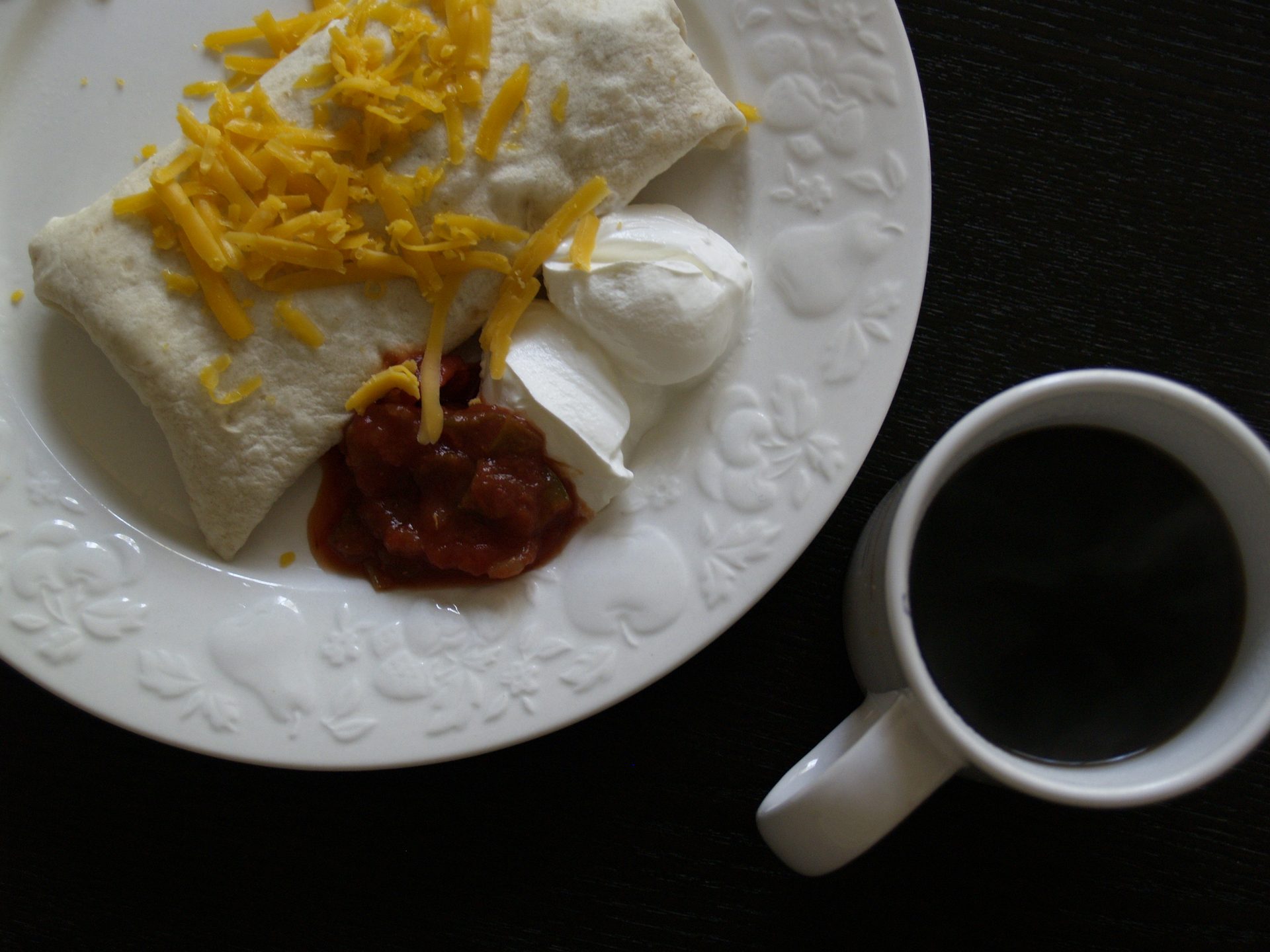
Ask a Dane what they had for breakfast, and eggs and bacon rarely come up. More often it’s a slice of dense rye bread, a bowl of warm grain porridge, or a flaky pastry grabbed from the corner bakery on the way to work. A traditional Danish breakfast grew out of centuries of frugal farmhouse cooking, where stale bread, cheap grains, and simple dough were stretched into meals that fed whole households through long, cold winters.
That thrifty spirit still shows up on Danish tables today, even as some of these dishes have shifted from everyday staple to nostalgic treat. For readers curious about other traditional breakfast dishes from around the world, Denmark offers a particularly good case study in how necessity shapes a national cuisine. The seven dishes below, from tangy beer porridge to syrup-glazed coffee cake, show what actually lands on the table during a typical Danish morning.
1. Øllebrød
Øllebrød, which translates literally to “beer bread,” is a traditional Danish dish, a porridge or thick bread soup made of sourdough rye bread and beer, often hvidtøl. The soaking liquid and grain give it a distinctive flavor profile: these ingredients give it a slightly tangy, caramelly, full taste. It looks unusual to outsiders, but the texture is closer to a thick oatmeal than anything resembling soup.
The dish has genuinely old roots. In the medieval era, when food conservation was crucial, Øllebrød emerged as a practical method to utilize leftover rye bread, and the addition of beer transformed these simple ingredients into a nourishing meal. Food historians don’t fully agree on exactly how it started. One account holds that it originated in monasteries where bread would be dipped in beer to soften it, with the leftover mixture eaten the next day, while another traces it to peasant households that simply tossed stale bread and beer dregs into a pot over the fire.
By the 1800s, øllebrød had become a kitchen staple far beyond the farmhouse. Because table beer and rye bread were cheap and readily available, øllebrød became an obvious dish for institutions that needed to feed many people on little money, finding its way into hospitals, school kitchens, the military, and nursing homes. That institutional association eventually gave it an unglamorous reputation, but today it is on the rise again, this time as a nostalgic and nutrient-rich breakfast.
Modern versions lean sweeter than the original. Most home cooks soak day-old rugbrød , Denmark’s dense sourdough rye bread, overnight before simmering it with sugar, lemon, and sometimes cinnamon, then finishing each bowl with a dollop of whipped cream. The frugal, use-it-all mindset behind øllebrød isn’t unique to Denmark — it echoes the same leftover-driven logic behind dishes like Germany’s traditional one-pot stews, where whatever is on hand becomes the next meal.
Pro Tip: If beer isn’t available or appealing, swap it for water or milk and add a splash of vanilla extract. The texture holds up fine; only the tang changes.
2. Havregrød
Havregrød is simply Danish oatmeal porridge, and it’s the breakfast most Danish children actually grow up eating on an ordinary weekday. Rolled oats are simmered slowly in milk or a milk-water mix until thick and creamy, then ladled into bowls and topped however the household prefers.
Toppings do most of the personality work here. A spoonful of brown sugar and a pat of butter is the classic combination, though cinnamon, fresh berries, or a swirl of fruit compote are common too, especially in warmer months. Some families stir in a handful of rolled oats toasted in butter first, which adds a nuttier flavor and a bit of bite against the smooth porridge.
Havregrød fits into a much larger pattern across cultures, where simple cooked grains serve as the backbone of a quick, affordable morning meal — a pattern also visible in grain-based breakfast dishes from South Asia, even though the specific grains, spices, and cooking methods differ completely. What ties havregrød to its Danish siblings on this list is the same unfussy logic: cheap grain, a bit of dairy, and a short cooking time before the household heads out the door.
3. Speltgrød
Speltgrød swaps the oats in a standard porridge for spelt, an older variety of wheat that fell out of mainstream use for much of the 20th century before a slow comeback. The grain has a denser, nuttier flavor than oats and a slightly chewier bite once cooked, which gives speltgrød a heartier character than havregrød.
This porridge tends to show up in households paying closer attention to whole grains and less processed ingredients, since spelt typically undergoes less refining than standard wheat flour. Preparation mirrors havregrød closely: the grain simmers in milk or water until soft, then gets finished with sweeteners, fruit, or a spoonful of yogurt.
Speltgrød illustrates something worth noting about traditional danish breakfast culture more broadly — it isn’t frozen in time. Older grains and cooking methods get revived and reworked as tastes and nutrition priorities shift, even while the basic format (a warm bowl of something simple) stays consistent across generations.
4. Wienerbrød
Wienerbrød is what most English speakers simply call a “Danish,” and the name itself carries a small historical irony. A Danish pastry, sometimes shortened to Danish, called wienerbrød in Danish, literally means Viennese bread, pointing to Austria rather than Denmark as its origin point.
The story behind that name traces back to a labor dispute. A bakery strike caused owners to hire workers from abroad, including several Austrian bakers who brought new baking traditions and recipes, and after the labor disputes ended, Danish bakers adopted the Austrian recipes and adjusted them to their own liking by increasing the amount of egg and fat. The specific technique that mattered most was lamination: the Austrian bakers brought the Viennese lamination technique with them, and because of that novelty the Danes called the pastry wienerbrød, a name still in use across Northern Europe.
Danish bakers didn’t just copy the Austrian method; they reworked it into something distinct. Wienerbrød incorporates Viennese influences such as the puff pastry technique and the combination of various doughs and fillings, but the Danes adapted these influences to their own culinary tradition, resulting in a unique product. That richer, egg-heavy dough is what separates a true wienerbrød from a plain French croissant, even though both belong to the same broader European pastry tradition built on laminated, buttery dough.
Common shapes include the spandauer, a folded square filled with custard or jam, and the kringle, a twisted braid often dusted with icing and almonds. Whichever shape it takes, wienerbrød earns its place at breakfast alongside coffee far more often than it appears as a formal dessert.
| Dish | Base Ingredient | Typical Serving |
|---|---|---|
| Øllebrød | Rye bread and beer | Everyday or nostalgic breakfast |
| Havregrød | Rolled oats | Weekday breakfast, home-cooked |
| Speltgrød | Spelt grain | Health-focused breakfast |
| Wienerbrød | Laminated yeast dough | Bakery pastry, weekend treat |
| Snegle | Enriched yeast dough | Bakery snack or breakfast |
| Brunsviger | Yeasted cake dough | Weekend or celebratory breakfast |
| Æbleskiver | Pancake batter | Christmas and winter breakfasts |
5. Snegle
Snegle, which means “snails” in Danish, are the spiral-shaped cousins of wienerbrød. The same rich, buttery laminated dough gets rolled flat, spread with a sweet filling, then coiled into the shape that gives the pastry its name before baking.
Fillings vary by bakery and region, though a cinnamon-sugar-butter paste called remonce is the most traditional choice, giving the finished pastry a caramelized, slightly chewy center once it comes out of the oven. Chocolate versions, sometimes called chokoladesnegle, are nearly as common on Danish bakery counters.
Snegle work well as a grab-and-go breakfast on weekday mornings, but they also show up on more festive spreads, not unlike the pastry-heavy tables built for occasions like a celebratory breakfast elsewhere in the world. The shared thread is simple: a sweet, enriched dough pastry turns an ordinary morning into something a little more indulgent.
Pro Tip: Snegle taste best the same day they’re baked. The laminated dough loses its flaky texture quickly, so Danish bakeries typically bake fresh batches each morning rather than holding stock overnight.
6. Brunsviger
Brunsviger is a yeasted cake, somewhere between a sweet bread and a coffee cake, best recognized by its deeply dimpled top layer of melted butter and brown sugar baked directly into the dough. The name points to Braunschweig (Brunswick) in Germany, reflecting the kind of cross-border culinary borrowing that shows up throughout Danish baking.
The dish is particularly associated with Funen and the surrounding islands, where it remains a point of regional pride rather than a dish found equally everywhere in Denmark. Bakers press their fingers into the risen dough before baking, creating small wells that fill with the melting butter-sugar mixture, giving each slice a sticky, caramelized top.
Brunsviger tends to appear on weekend or celebratory breakfast tables rather than daily ones, given its richness. That pattern of a sweet, regionally rooted bread reserved for special mornings isn’t unique to Denmark; it shows up in other European food traditions that treat sweet breads as markers of holidays and gatherings rather than ordinary fare.
7. Æbleskiver
Æbleskiver are small, spherical pancakes cooked in a special pan with rounded wells, giving each one a shape closer to a puffed ball than a flat disc. Despite the name, which translates to “apple slices,” most modern versions contain no apple at all; the name is thought to reference an older method of cooking apple slices in batter rather than describing today’s typical filling.
A dedicated cast-iron pan with hemispherical indentations is essential to making them correctly, since the cook has to rotate each ball partway through cooking using a knitting needle or skewer to form the characteristic round shape. Finished æbleskiver are dusted with powdered sugar and served with raspberry or strawberry jam for dipping. A tray of æbleskiver with cardamom is a common sight on Danish dessert and breakfast tables alike, particularly around the winter holidays.
Æbleskiver are most strongly tied to Christmas and the weeks leading up to it, often served alongside warm spiced wine at markets and family gatherings, though many households make them year-round for weekend breakfasts. That seasonal, ritual quality makes them a useful contrast to a traditional Japanese breakfast, which tends to follow a consistent daily structure rather than shifting with the calendar.
Traditional Danish breakfast culture, taken as a whole, differs sharply from heartier, savory-leaning spreads found in other parts of Europe. In a traditional Balkan breakfast, for instance, tables often lean on dishes like byrek, olives, and strong coffee, a reflection of broader Albanian food culture built around dairy, phyllo, and bread rather than sweet porridge and pastry. Readers interested in authentic Albanian recipes will notice a similar reliance on bread and fresh cheese, just prepared and seasoned in a completely different style, which says a lot about how regional breakfast traditions take the same basic ingredients and turn them into entirely different morning rituals.
From øllebrød’s tangy, thrifty roots to the sugar-crusted top of a brunsviger, these seven dishes trace Denmark’s path from frugal farmhouse cooking to the bakery-and-coffee culture visitors encounter today. None of them require special imported ingredients or elaborate technique, which is part of why they’ve stuck around on Danish tables for so long. Trying even two or three of them, whether homemade or at a Danish bakery, gives a much clearer sense of how Denmark actually eats in the morning than any single pastry ever could.