Can You Freeze Grated Cheese? Everything You Need to Know

October 31, 2026
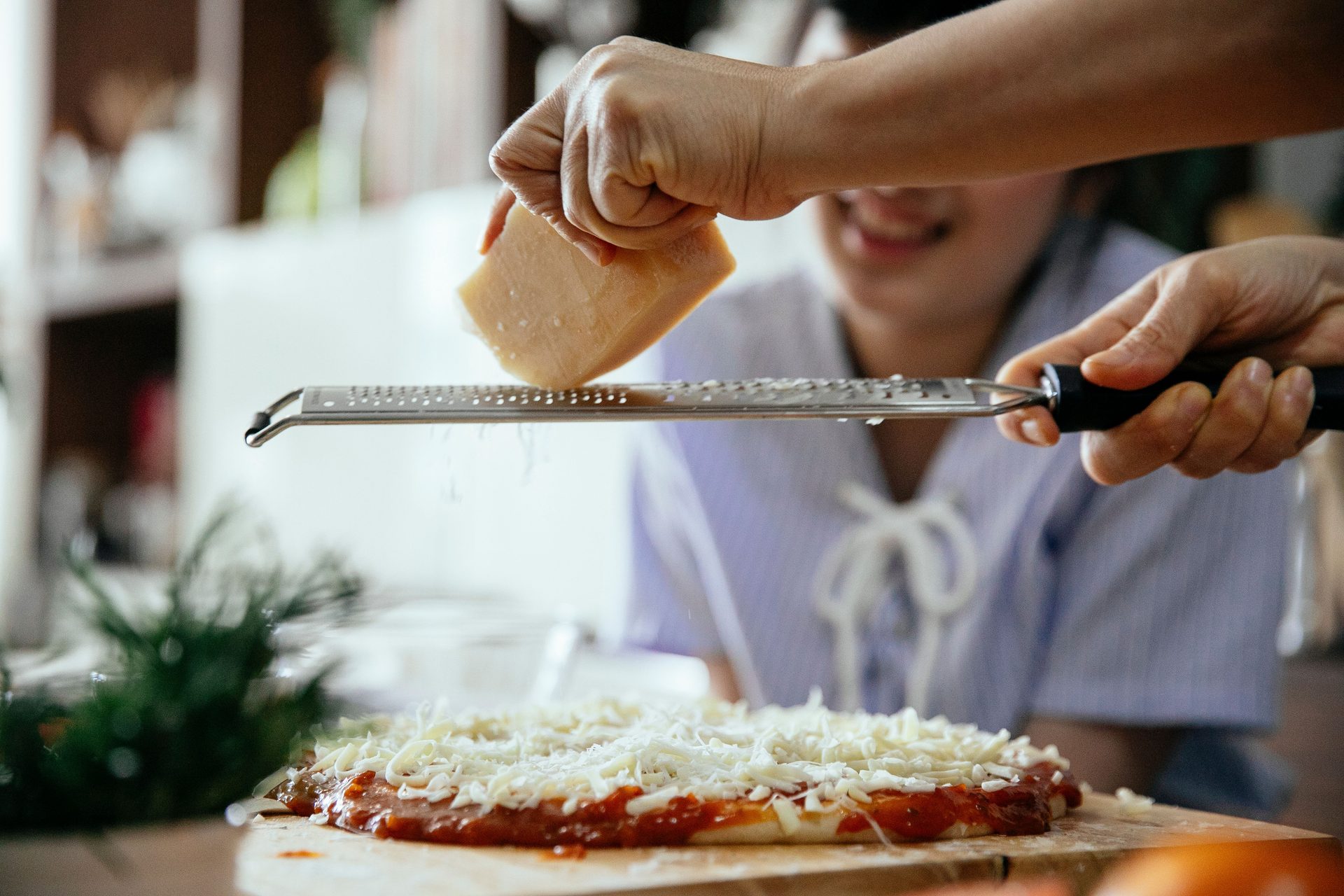
If you’ve ever bought a big bag of shredded cheddar on sale at Costco or Sam’s Club, or grated more Parmesan than your pasta recipe needed, you already know the dilemma: use it fast or watch it go to waste. Fortunately, the freezer is your friend here. You can freeze grated cheese without losing any flavor, and in fact, freezing is one of the best ways to preserve its taste over the long term.
That said, there are a few things worth knowing before you toss that bag straight into the freezer. The type of cheese you’re working with, how you package it, and what you plan to do with it after thawing all make a real difference in the results you get. This guide walks you through everything — from proper storage technique to spotting spoilage — so none of that cheese goes to waste.
Can You Freeze Grated Cheese?
Yes, grated and shredded cheeses freeze very well. Portion them into small, airtight containers or freezer bags, and you can use the cheese straight from the freezer for cooking — ideal for pizza, pasta, or cheese sauces.
Unlike shredded cheeses made from higher-moisture varieties, grated cheese is typically made from hard cheeses with low moisture content. That means it won’t clump together when frozen, and the moisture won’t separate and change the texture or color after freezing — which also allows it to be kept frozen for longer periods.
Not all cheeses handle freezing equally well, though. Freezing works best for hard and semi-hard cheeses like cheddar, Monterey Jack, and Parmesan. Soft cheeses like brie, camembert, and ricotta can develop an unpleasant texture when frozen. If you’re working with a hard grating cheese — think Parmesan, Romano, Pecorino, Gruyère, or cheddar — you’re in good shape.
Pro Tip: Pre-shredded cheese from the grocery store already contains anti-caking agents like cellulose or potato starch that help it resist clumping. If you grate your own cheese at home, toss it with about 1 tablespoon of cornstarch per pound before freezing to get the same effect.
Does Freezing Change the Texture or Taste of Grated Cheese?
Freezing shredded cheese doesn’t significantly affect its taste, but it can alter its texture. Upon thawing, it may become crumbly or slightly more watery, which makes it ideal for cooking or baking rather than snacking.
Here’s what’s happening at the structural level: when cheese is frozen, small ice crystals form on the inside, disrupting its internal structure. When it’s thawed, water is released, causing the product to dry out, become crumbly, and potentially develop a mealy texture.
In terms of flavor, freezing generally has less of an impact on shredded cheese, though some cheeses may lose a bit of their sharpness or complexity. For instance, a sharp cheddar might taste slightly milder post-thaw, but it should still maintain the general flavor profile.
If you want to freeze cheese, grating it first is the best approach. The smaller pieces allow for less separation, so while the cheese will still become somewhat crumbly, it shouldn’t be quite as bad as when you freeze a whole block. For most cooked dishes — casseroles, soups, baked pasta, pizza — you won’t notice any difference at all once the cheese melts.
| Cheese Type | Freezes Well? | Texture After Thawing | Best Use After Freezing |
|---|---|---|---|
| Cheddar (grated) | Yes | Slightly crumbly | Mac and cheese, casseroles, tacos |
| Parmesan (grated) | Yes | Minimal change | Pasta, soups, baked dishes |
| Mozzarella (shredded) | Yes (low-moisture only) | Slightly drier | Pizza, lasagna, baked ziti |
| Gruyère (grated) | Yes | Slightly crumbly | Gratins, French onion soup |
| Ricotta | No | Watery, grainy | Not recommended |
| Brie / Camembert | No | Paste separates | Not recommended |
How to Freeze Grated Cheese the Right Way
Proper packaging is the single biggest factor in how well your grated cheese survives the freezer. Air is the enemy — it leads to ice crystals, oxidation, and freezer burn. Follow these steps for the best results.
- Grate the cheese first if it’s not already grated. Shredding cheese before freezing creates more surface area, allowing for quicker and more even freezing. Smaller pieces freeze and thaw more efficiently than larger blocks, reducing the chances of uneven texture or moisture loss.
- Add cornstarch if you grated it yourself. If you buy a block and shred it yourself, add cornstarch as the anti-clumping ingredient. It’s very fine and coats the cheese evenly — about 1 tablespoon per pound works well.
- Portion it out. Portion the cheese into quantities you’re likely to use in one go — think 1-cup or 2-cup portions for easy grab-and-go use.
- Pack into airtight bags or containers. Divide grated cheese into sealed freezer bags, remove excess air, and date and label each package. Double-bagging adds extra protection against freezer odors.
- Shake the bag after 30 minutes. Once the cheese has been in the freezer for 30 minutes, give it a vigorous shake. This is a further step that can prevent the cheese from clumping together.
- Freeze rapidly. Freeze the cheese as rapidly as possible to at least -9°F (-23°C) to prevent the formation of large, disruptive ice crystals. Use the quick freeze function on your freezer if it’s available.
Pro Tip: A vacuum sealer is worth using if you have one. A vacuum sealer removes all the air from the bag or container, which means anything stored this way will last longer and suffer no flavor loss.
How Long Can You Freeze Grated Cheese?
Most shredded cheese holds its best flavor and texture for 2–3 months in the freezer. After that, it’s still typically fine to use — it just may not taste quite as fresh and may not melt as smoothly.
Cheese can be kept frozen indefinitely, but for best quality, use it within 6–9 months. Hard grating cheeses like Parmesan and Romano tend to hold up even longer. Parmesan blocks freeze well for 6–8 months — the texture may become more crumbly, but the flavor remains intact, making it perfect for cooking, soups, and sauces.
A steady 0°F (-18°C) is the ideal freezer temperature. Frequent door opening and temperature swings can shorten the quality life of your frozen cheese, so store it toward the back of the freezer rather than in the door.
| Storage Method | Best Quality Window | Maximum Safe Duration |
|---|---|---|
| Freezer bag (air pressed out) | 2–3 months | 6 months |
| Vacuum-sealed bag | 3–6 months | 6–9 months |
| Hard grating cheese (e.g., Parmesan) | Up to 6 months | 8 months |
How to Thaw Frozen Grated Cheese
Here’s one of the best things about grated cheese: you don’t have to thaw it out before using it. Grated cheese can be added to recipes or dishes straight from the freezer. Simply remove the container, then use a clean spoon to scoop out the desired amount. This works perfectly for topping pizza, stirring into soups, or finishing a pasta dish.
If you do need to thaw it first — say, for a recipe where the texture matters more — the refrigerator is your best option. Defrost cheese gradually by placing it in the refrigerator for 24 to 48 hours. This slow thawing helps preserve its structure and moisture content.
For quicker use, cheese may be thawed at room temperature for 2.5 to 3 hours. Make sure it is consumed promptly after thawing. You can also use the microwave in a pinch — defrost in 30–45 second increments and check between rounds to avoid melting it unevenly.
Important Note: Thaw frozen grated cheese in the refrigerator overnight when possible. Avoid thawing at room temperature for extended periods, as this can encourage bacterial growth.
Can You Refreeze Grated Cheese After Thawing?
Refreezing is not recommended. You shouldn’t refreeze grated cheese or any cheese for that matter. Freezing and thawing deteriorates the structure of the cheese, and the more times you do this, the worse it gets. Thawing and refreezing might also allow extra bacteria to grow.
It is generally not recommended to refreeze shredded cheese that has thawed, as it may affect its quality and texture. The good news is that portioning your cheese before the initial freeze makes this a non-issue — you only thaw what you need, every time.
If you thawed more than you planned to use, your best move is to cook with it right away rather than refreeze it. Stir it into a sauce, melt it into scrambled eggs, or fold it into a quesadilla filling. Cooking it promptly is far better than a second round in the freezer.
How to Use Frozen Grated Cheese (Best Uses After Freezing)
You should only use frozen cheese to cook or bake with, as by the time it is cooked, any change in texture won’t be noticed. The heat takes care of any crumbliness, and the cheese melts just as well as fresh in most applications. Here are the best ways to put it to work:
- Pizza and flatbreads — Frozen shredded mozzarella or cheddar goes straight from the freezer onto the dough. No thawing needed.
- Pasta dishes — Stir frozen grated Parmesan or Romano into hot pasta water or sauce. It melts in seconds.
- Casseroles and baked dishes — Hard cheeses like cheddar or Gruyère can be grated and added to savory baked goods such as biscuits, muffins, or scones. The cheese adds a rich, cheesy flavor.
- Soups and chili — Sprinkle frozen cheese directly into hot soup or chili. It disappears into the broth beautifully.
- Quesadillas and tacos — Thawed cheddar is slightly crumbly but ideal for mac and cheese, grilled cheese, or baking. The same applies to Tex-Mex favorites like tacos and enchiladas.
- Omelets and scrambled eggs — A handful of frozen shredded cheddar or Monterey Jack melts perfectly into eggs without any prep.
One place where frozen grated cheese doesn’t shine is on a cheese board or eaten cold on its own. Freezing is best suited for cheeses destined for cooking, not cheeseboards. Save the fresh stuff for snacking and entertaining, and reserve your frozen supply for hot dishes.
If you enjoy cooking with a variety of cheeses, you might also find our guide to whole plant-based foods useful for building balanced, satisfying meals around your pantry staples. For more ideas on how food choices support overall wellness, see our overview of superfoods for a healthy heart.
Signs That Frozen Grated Cheese Has Gone Bad
Even in the freezer, cheese can eventually go bad — or simply decline in quality to the point where it’s not worth eating. After thawing, inspect the cheese for any signs of spoilage, such as off odors, unusual colors, or unwanted mold growth. If the cheese shows any of these signs, it’s safer to discard it.
Here are the specific signs to watch for:
- Mold growth — Mold growth is the most obvious sign. Discard the cheese immediately if you see any mold, even a small patch. Mold can spread microscopic spores throughout the cheese. Unlike a solid block where you can cut away an inch around the mold, grated cheese can’t be salvaged this way — this is NOT recommended for soft cheeses, shredded cheese, or cheese with visible mold throughout.
- Off smell — A sour, ammonia-like, or otherwise unpleasant odor is a sign of spoilage. If your cheese gives off a sour, rancid, or pungent ammonia-like odor, it’s no longer safe to consume. A strong ammonia smell often means bacteria or mold have broken down the proteins.
- Unusual discoloration — A change in color, especially a yellowing or darkening, can indicate spoilage. Some white specks on Parmesan are harmless salt crystals, but fuzzy mold in colors like blue, green, black, or pink is a clear sign of spoilage.
- Slimy texture — A slimy or sticky texture is a strong indicator of bacterial growth and spoilage.
- Freezer burn — Freezer burn occurs when frozen food comes into contact with frigid air, leading to dehydration and oxidation of the food’s surface. While freezer burn doesn’t make the food unsafe to eat, it can negatively impact its texture, flavor, and overall quality. Heavily freezer-burned cheese will taste flat and dry even after cooking.
- Significant flavor change — If a cheese has undergone a significant change in flavor — from mild to sharp, or nutty to sour — it has likely gone bad.
When in doubt, throw it out. If you really think cheese has gone bad, it’s not worth eating — your stomach might not forgive you for a few days.
For more on how the foods you eat affect your health, explore our articles on foods that support liver function and foods that promote healthy skin.
Frequently Asked Questions
Can You Freeze Store-Bought Pre-Shredded Cheese?
Yes. Pre-shredded cheese usually contains potato starch or cellulose to prevent clumping. That can make it feel slightly drier after long freezing, but it also helps keep it from becoming one giant frozen cheese brick. You can freeze it directly in its original bag if it’s resealable, or transfer it to a freezer-safe zip-lock bag with the air pressed out.
Can You Freeze Parmesan Cheese?
Not only can you freeze grated Parmesan — it’s actually the best way to freeze it. Parmesan has a low water content, which makes it easier to freeze, and when you grate it first, this improves its chances of freezing well. You can use it straight from the freezer by sprinkling it directly into hot dishes. Sprinkle frozen shredded Parmesan directly into hot dishes — no need to thaw.
Can You Freeze Shredded Mozzarella?
Mozzarella can be frozen, but only low-moisture or shredded varieties. Drain excess liquid from fresh mozzarella, portion it, and wrap tightly before freezing. Expect a slightly firmer texture and less elasticity upon thawing. For pizza and baked dishes, the difference is barely noticeable.
Does Frozen Grated Cheese Need to Be Thawed Before Using?
In most cases, no. Grated cheese can go straight from the freezer into a hot pan, onto a pizza, or into a soup. If a recipe calls for room-temperature cheese or you need it to melt into a cold mixture, a quick thaw in the refrigerator overnight is the way to go.
How Do You Keep Grated Cheese from Clumping in the Freezer?
You can shred your cheese and freeze it without it sticking together by using cornstarch. Shred the cheddar and place it in a bowl or plastic freezer bag, then add 1 tablespoon of cornstarch per pound of cheese. Combine the cheese and cornstarch by stirring or shaking until the cornstarch evenly covers all of the cheese shreds. Then press out the air and seal the bag tightly before freezing.
Is It Safe to Eat Frozen Cheese Past the 6-Month Mark?
Shredded cheese can be stored in the freezer for up to six months. After this time, the texture and flavor may degrade significantly, even if it’s still safe to eat. As long as there are no signs of spoilage — no mold, no off smell, no slimy texture — it’s technically safe, but the quality won’t be at its best. Use it in a cooked dish where any texture changes will be masked by heat.