Can You Freeze Eggplant Lasagna? (Yes — Here’s How to Do It Right)

October 22, 2026
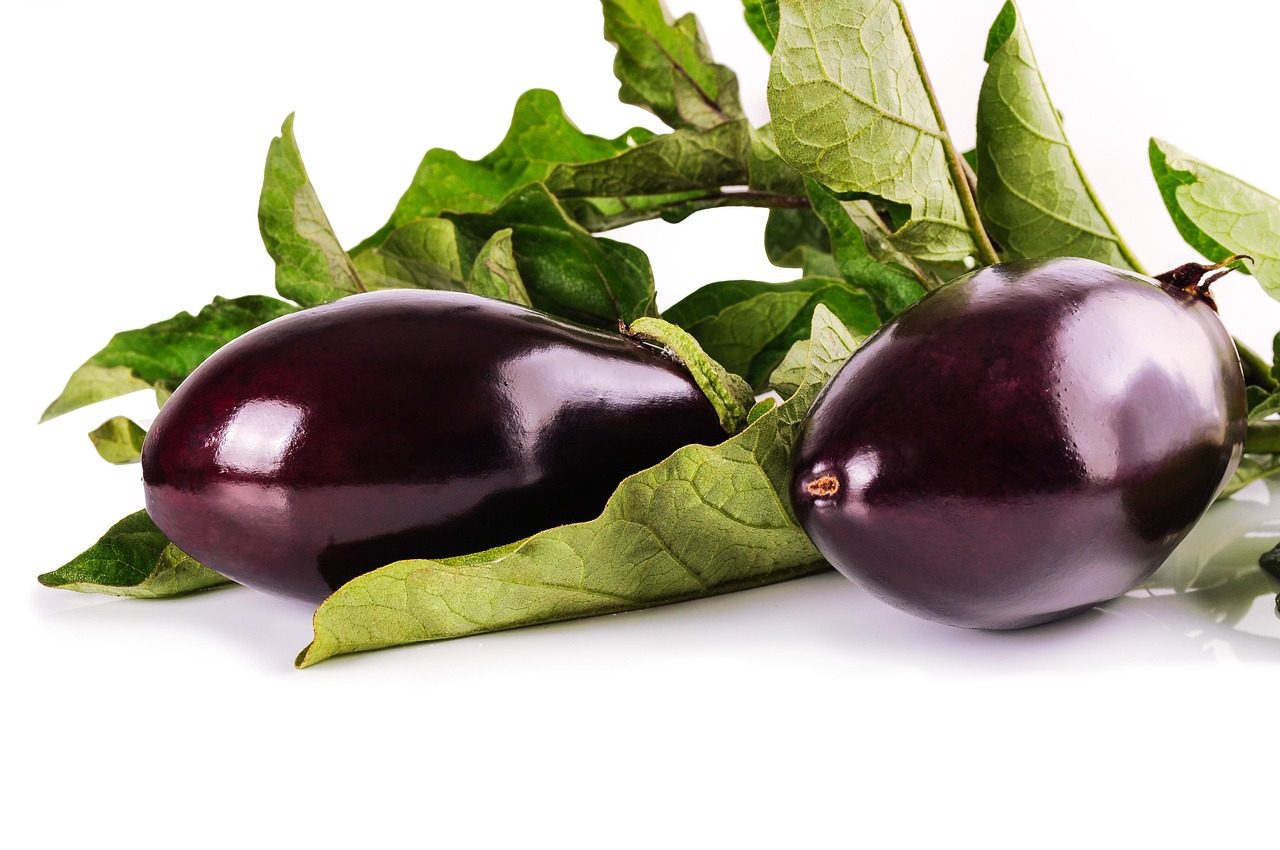
Eggplant lasagna is one of those dishes that rewards effort — roasting the eggplant, layering the cheese, letting it bake until bubbly. When you’ve put that much work into dinner, the last thing you want is for leftovers to go to waste.
The good news: you can absolutely freeze eggplant lasagna, and with the right technique, it reheats well enough to enjoy weeks later. The catch is that eggplant holds a lot of water, so how you prep and package it makes a real difference between a satisfying meal and a soggy disappointment.
This guide covers everything you need to know — from freezing it the right way and how long it keeps, to thawing, reheating, and spotting signs that it’s gone bad.
Can You Freeze Eggplant Lasagna?
The good news is that eggplant lasagna is totally freezable, and it actually freezes really well. That said, opinions among home cooks and food writers do vary. Some sources recommend freezing only before baking, while others have tested it both ways with good results.
Eggplant lasagna freezes well for up to 3 months. If you’re making it ahead, the best approach is to assemble the casserole but skip the final baking step and freeze. If you have leftovers after baking, it’s fine to freeze those too.
The most important factor is moisture management. Eggplant has a lot of water content and will release moisture when cooked. Salting the eggplant slices before adding them to the lasagna draws out that moisture so the dish doesn’t get soggy. If you skip that step before freezing, you’re more likely to end up with a watery result after thawing.
Pro Tip: If you’re making a batch specifically to freeze, assemble the lasagna but don’t bake it. Freeze it unbaked, then bake fresh when you’re ready to eat. You’ll get better texture and a fresher result than freezing after baking.
Does Freezing Change the Texture or Taste of Eggplant Lasagna?
Freezing does affect eggplant lasagna — there’s no way around that. The flavors hold up well, but the texture is where you’ll notice the most change. The process of freezing and thawing results in excess moisture thanks to the ice crystals that form and later melt on your food.
Eggplant can become too watery and mushy when frozen, and in the absence of sturdy noodles to hold the casserole together, it will be more challenging. This is the honest trade-off with eggplant lasagna specifically — unlike traditional pasta lasagna, the eggplant layers don’t have the structural rigidity of noodles.
The good news is that proper prep dramatically reduces this problem. One of the purposes of roasting the eggplant ahead of time is to help draw out the moisture, eliminating much of the excess moisture that eggplant naturally holds. If you complete that step, you shouldn’t have to worry too much about how your lasagna will hold up in the freezer.
Taste-wise, the Italian flavors — marinara, ricotta, mozzarella — come through just fine after freezing. This dish is worth the effort, and leftovers keep incredibly well. Reheating in the oven rather than the microwave also helps preserve the best possible texture.
How to Freeze Eggplant Lasagna the Right Way
Whether you’re freezing it baked or unbaked, the steps below will give you the best results. Skipping any of them — especially cooling and wrapping — is where most freezer failures happen.
- Salt and roast the eggplant before assembling. Don’t skip salting the eggplant. Salting is crucial for draining out excess moisture and maintaining a firm yet tender texture. Roast the slices at 400°F for about 20 minutes before layering.
- Let the lasagna cool completely. Food safety rules require that you let the dish chill completely on the counter before setting it in the freezer. Never put hot food in the freezer. Allow 30–60 minutes for it to reach room temperature.
- Slice into individual portions. You can either slice the lasagna and freeze it in individual slices or freeze it as a whole. However, individual slices are recommended for the best freezing results. Single portions also make reheating faster and easier.
- Wrap tightly. Use cling film to wrap the lasagna tightly, pressing out as much air as possible. Then wrap it in a second layer of aluminum foil or place it in a freezer-safe container.
- Label with the date. Write the date of freezing on the package so you can keep track of how long the lasagna has been stored.
Important Note: If freezing an unbaked lasagna, wrap the assembled casserole dish tightly in plastic wrap and then foil before freezing. When ready to serve, thaw overnight in the refrigerator and bake as directed, adding a few extra minutes since the layers will be cold.
How Long Can You Freeze Eggplant Lasagna?
Storage times vary slightly by source, but the general consensus for homemade eggplant lasagna is 2–3 months for best quality. Lasagna can last in the freezer for up to three months without significant loss of flavor or texture.
Some sources note longer windows are possible with good packaging. The baked eggplant lasagna will keep well in the freezer for up to 6 months, and you can freeze it whole or in individual slices wrapped in foil. That said, the eggplant’s high water content means quality tends to decline faster than with traditional pasta lasagna, so eating it within the 2–3 month window is the safer bet for best results.
| Storage Method | Recommended Timeframe | Notes |
|---|---|---|
| Refrigerator (baked) | 3–5 days | Store in an airtight container at 40°F or below |
| Freezer (baked) | 2–3 months (best quality) | Up to 6 months possible with tight wrapping |
| Freezer (unbaked, assembled) | 2–3 months | Thaw overnight in fridge before baking |
Frozen lasagna that has been kept constantly frozen at 0°F will keep safe indefinitely, as long as it has been stored properly and the package is not damaged. Safety and quality are different things, though — for the best eating experience, stick to the 2–3 month window.
How to Thaw Frozen Eggplant Lasagna
Thawing slowly in the refrigerator is the safest and most effective method. Thaw overnight in the refrigerator before heating if you can. Baking from frozen does work, but takes a long time to heat through.
If you forgot to thaw it overnight, you can go straight from freezer to oven. If you forgot to thaw your lasagna overnight, you can still salvage it, but it’ll take about twice as long to reheat in the oven if you’re cooking it straight from frozen. Cover it tightly with foil for the first portion of cooking to prevent the edges from drying out before the center is warm.
- Best method: Thaw overnight in the refrigerator, then reheat in the oven.
- If short on time: Bake directly from frozen at 350°F, covered with foil, for roughly double the normal reheating time.
- Avoid: Thawing on the counter at room temperature. Frozen lasagna should be discarded if left for more than 2 hours at room temperature, as bacteria grow rapidly at temperatures between 40°F and 140°F.
Can You Refreeze Eggplant Lasagna After Thawing?
Refreezing is not recommended for eggplant lasagna. Each freeze-thaw cycle pulls more moisture from the eggplant, and the texture becomes noticeably worse with each round. By the second thaw, you’re likely looking at a mushy, watery dish that won’t hold together.
From a food safety standpoint, reheating does not reset the clock — each reheating cycle slightly reduces quality and safety. If you thawed the lasagna in the refrigerator and it’s been fewer than 3–5 days, you can safely eat the leftovers without refreezing. But once it’s thawed, plan to finish it within that window rather than returning it to the freezer.
The better approach is to freeze in individual portions from the start. That way, you only thaw exactly what you need and never have to deal with the refreeze question at all. This is also a great habit for plant-based meal prep in general — portioning before freezing saves both food and time.
How to Use Frozen Eggplant Lasagna (Best Uses After Freezing)
Frozen eggplant lasagna is most useful as a grab-and-go weeknight dinner, but you can also get creative with how you serve and repurpose it. Here’s how to get the most out of it after freezing.
Reheating in the Oven (Recommended)
Reheat in the oven at 350°F, as a higher temperature will darken the cheese too much. A thawed lasagna should take about 30 to 45 minutes to fully reheat at 350°F. A gently bubbling sauce is a reliable sign that it’s ready. Cover with foil for the first 20 minutes, then uncover to let the top brown slightly.
Reheating in the Microwave
To reheat eggplant lasagna, place the thawed lasagna uncovered in the oven at 350°F for 25 minutes for the best results. The dish can also be microwaved to reheat, but it becomes a little more mushy in texture. If you use the microwave, reheat in 90-second intervals, checking between each one to avoid overcooking.
Serving Ideas After Reheating
- Serve with a simple green salad or roasted vegetables to balance the richness of the cheese layers.
- Pair with crusty bread to soak up any extra sauce — especially useful if the thawed lasagna released a bit of extra moisture.
- Repurpose a crumbled portion as a filling for stuffed bell peppers or as a topping for polenta.
- Use leftovers as a protein-rich lunch — eggplant lasagna pairs well with skin-supporting foods like leafy greens and olive oil-dressed salads.
Pro Tip: If your reheated eggplant lasagna looks watery, don’t panic. Carefully tilt the dish and use a spoon or turkey baster to remove the pooled liquid before serving. Then return it to a 375°F oven, uncovered, for 10 minutes to help firm up the layers.
Signs That Frozen Eggplant Lasagna Has Gone Bad
Before reheating any frozen lasagna, take a moment to check for spoilage. Eggplant lasagna can look fine on the outside while the texture or smell tells a different story after thawing.
If dry spots or discoloration have developed on the frozen lasagna, freezer burn has begun to set in. This will not make the lasagna unsafe to eat, but it will harm the texture and taste. You can cut away heavily affected sections before reheating.
Other signs that your lasagna has gone bad can appear after thawing, such as a sour smell or a slimy texture. If you spot either of these, you’re better off avoiding the dish.
Here’s a quick reference for what to look for:
| Sign | What It Means | What to Do |
|---|---|---|
| Dry white or gray patches (while frozen) | Freezer burn — moisture loss | Cut away affected areas; still safe to eat |
| Thick layer of ice crystals inside packaging | Prolonged storage or air exposure | Taste a small amount; discard if flavor is off |
| Sour or off smell after thawing | Spoilage — do not eat | Discard immediately |
| Slimy texture after thawing | Bacterial growth | Discard immediately |
| Visible mold | Spoilage — do not eat | Discard immediately; clean the container |
| Dull, grayish color in the cheese or sauce | Extended freezer time or oxidation | Use judgment; discard if smell is off |
Freezer burn is more about food quality than food safety. It does rob food of texture and even nutritional value, but you can cut or remove the affected portion before or after cooking. For eggplant lasagna specifically, heavily freezer-burned sections tend to turn extra mushy when reheated, so it’s worth trimming them.
Eggplant lasagna is a nutritious, satisfying dish — and if you enjoy eating more vegetables, it fits naturally alongside other whole plant-based foods that support a balanced diet. Eggplant itself contains antioxidants and fiber, making it a smart swap for traditional pasta noodles. For more on how specific foods support your health, you might find it useful to explore powerful nutrients and foods that support health or superfoods for a healthy heart.
Frequently Asked Questions
Can You Freeze Eggplant Lasagna Before Baking?
Yes — eggplant lasagna freezes well for up to 3 months. If you’re making it ahead, assemble the casserole but skip the final baking step and freeze. When you’re ready to eat it, thaw overnight in the refrigerator and bake as directed, adding 10–15 extra minutes to account for the cold layers.
Why Does My Eggplant Lasagna Get Watery After Freezing?
This happens when the eggplant wasn’t properly prepped before freezing. Don’t skip the salting process. Eggplant has a lot of water content and will release a lot of moisture when cooked. Salting the eggplant slices before adding them to the lasagna draws out that moisture so the dish doesn’t get soggy. Roasting the slices before assembling also helps drive off excess liquid.
How Do You Reheat Frozen Eggplant Lasagna Without It Getting Soggy?
Take your eggplant lasagna directly from the freezer to the oven for the best reheating results. If it’s already thawed, reheat covered at 350°F for 25–30 minutes, then uncover for the last 5–10 minutes. Avoid the microwave if possible — it tends to make the eggplant mushier. If extra liquid pools in the dish, spoon it out before serving.
Can You Freeze Individual Slices of Eggplant Lasagna?
Yes, and it’s actually the preferred method. You can freeze individual portions of eggplant lasagna. Wrap each slice tightly in plastic wrap, then place the wrapped portions in a freezer-safe zip-top bag or airtight container. Individual portions thaw faster and let you reheat only what you need.
How Long Does Eggplant Lasagna Last in the Fridge?
Store eggplant lasagna in an airtight container in the fridge for up to 5 days. After that, the quality drops noticeably and the risk of spoilage increases. If you know you won’t finish it within 5 days, move portions to the freezer while they’re still fresh — don’t wait until they’re on the edge of going bad. If you enjoy exploring Italian-inspired and international dishes, check out traditional Greek foods and classic German foods for more meal inspiration.
Is Eggplant Lasagna a Healthy Option?
Compared to traditional pasta lasagna, eggplant lasagna is lower in carbohydrates and higher in fiber. The dish is still flavorful and is a more nutritious option than your typical lasagna dish. It also works well for gluten-free diets since there are no pasta noodles involved. For more ideas on foods that support your wellbeing, take a look at foods that promote healthy eyesight and foods that support liver function.