Traditional Southern Breakfast: 11 Dishes That Define Morning in the South

November 21, 2026
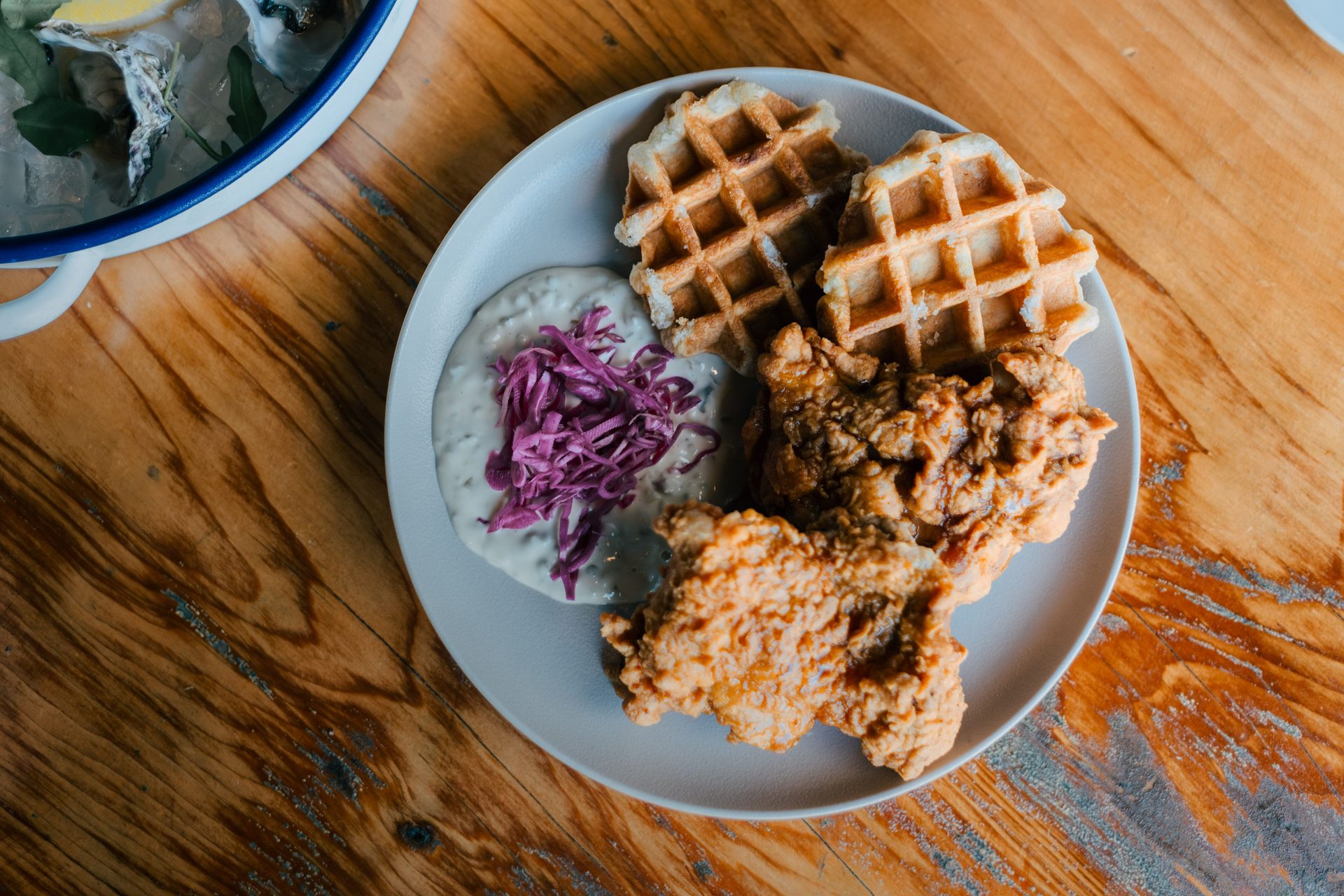
A traditional Southern breakfast rarely sticks to one dish. A single table might carry pork sausage gravy next to a plate of shrimp, fried fruit beside a savory omelet, and strong, chicory-laced coffee holding it all together. That range is not an accident; it comes from centuries of farm labor, coastal fishing, and kitchens shaped by African, European, and Native American cooking traditions all landing on the same morning plate.
This guide walks through 11 dishes that define that table, where each one came from, and why it still shows up on Southern menus generations later. Readers who enjoy tracing a breakfast tradition back to its roots will find plenty of parallels here with other regional breakfast traditions around the world, from hearty Balkan spreads to Japan’s rice-and-fish morning meals.
| Dish | Main Ingredient | Regional Roots |
|---|---|---|
| Biscuits and Gravy | Flour biscuits, sausage gravy | Southern Appalachia |
| Shrimp and Grits | Shrimp, cornmeal grits | South Carolina/Georgia Lowcountry |
| Bacon and Egg Casserole | Eggs, bacon, bread | Southern home kitchens |
| Chicken and Waffles | Fried chicken, waffles | Southern soul food |
| Beignets | Fried dough, powdered sugar | New Orleans, French Louisiana |
| Fried Green Tomatoes | Unripe tomatoes, cornmeal | Deep South |
| Hoecakes | Cornmeal | Early Southern settlements |
| Country-Fried Steak and Eggs | Tenderized beef, eggs | Southern diners |
| Pimento Cheese Omelet | Eggs, pimento cheese | Southern household staple |
| Fried Apples | Apples, butter, sugar | Southern Appalachia |
| Chicory Coffee | Coffee, roasted chicory root | New Orleans |
1. Biscuits and Gravy
Biscuits and gravy is a popular breakfast dish in the United States, especially in the South, consisting of soft dough biscuits covered in white sausage gravy made from the drippings of cooked pork sausage, flour, milk, and often bits of sausage, bacon, ground beef, or other meat. The pairing feels timeless, but food historians still argue over exactly when it started.
Most accounts trace the dish to southern Appalachia in the late 1800s, with lumber as one of the region’s main industries supporting the origin story that sausage gravy was also called sawmill gravy. The name stuck because it was the ideal cheap and calorie-dense fuel for sawmill workers lifting heavy logs all day long, and the perfect tool for making the era’s biscuits more palatable.
Those early biscuits bore little resemblance to today’s soft, flaky version. Southern-style biscuits today are soft, warm, fluffy, and melt-in-your-mouth, but the first biscuits weren’t flaky and fluffy at all — they were brittle, dry, and tough, much more like crackers. The texture only changed once baking soda and baking powder became kitchen staples.
Pro Tip: Appalachian-style gravy often runs thinner and more translucent than the thick, cream-heavy sausage gravy found in the Deep South. Both are correct — the region just determines the texture.
2. Shrimp and Grits
Shrimp and grits reads like a simple pairing, but it carries one of the richest origin stories on the Southern table. The dish is rooted in the Lowcountry, where it was once called shrimps and hominy or breakfast shrimp, long before it appeared on any restaurant menu.
Its deeper roots trace to West African cooking brought to the Carolina and Georgia coast through slavery. Shrimp was part of the diet of Western Africans, and shrimp and grits reflects the ingenuity and resourcefulness of the Gullah Geechee people, for whom shrimp may have evoked memories of home. Grits themselves came from Native American corn-grinding traditions that enslaved cooks adapted with ingredients they already knew.
Important Note: Not every food historian agrees on a single point of origin. One researcher has argued the pairing of corn and shellfish traces further back to Mozambique, citing dishes from that country involving corn and shellfish, a combination that appeared long before anyone in Charleston was eating it for breakfast. Most culinary historians still anchor the dish’s American form in the Lowcountry.
The earliest printed version shows up decades later than the dish itself. The earliest known recipe for shrimp and grits appeared in the cookbook Two Hundred Years of Charleston Cooking in 1930, long after it had already been a breakfast staple in Lowcountry homes. It stayed mostly a regional secret until New York Times food writer Craig Claiborne highlighted it in the 1980s, after which it began to appear on restaurant menus throughout the region.
3. Bacon and Egg Casserole
A bacon and egg casserole solves the problem every Southern cook faces on a crowded holiday morning: how to feed a full table at once. Eggs, bread or hash browns, cheese, and crisped bacon bake together into a single dish that can sit warm while everyone gathers.
The format is flexible enough to anchor a weekend brunch spread just as easily as a Sunday family breakfast. Cooks often swap in sausage, country ham, or a handful of peppers depending on what is in the refrigerator.
- Sharp cheddar or pepper jack for a stronger cheese flavor
- Diced bell pepper and onion for texture and color
- Day-old biscuits or white bread cubes instead of hash browns
- A splash of hot sauce mixed into the egg base
The appeal is the same logic behind one-pot comfort dishes found in other food cultures: everything cooks together, cleanup stays simple, and the dish still feels like a proper homemade breakfast.
4. Chicken and Waffles
Chicken and waffles pairs crisp fried chicken with a warm waffle, syrup, and butter, mixing savory and sweet on the same plate. The combination grew out of Southern soul food kitchens, where leftover fried chicken from Saturday supper found new life alongside a weekend breakfast waffle.
The sweet-and-savory format is not unique to the South. Cooks in other food traditions, including Malaysian cooking, have long built dishes around that same contrast between rich, salty protein and a touch of sugar.
Pro Tip: Hot honey or a dash of cayenne in the syrup gives the dish a modern Southern twist without changing the classic base of fried chicken and waffles.
5. Beignets
Beignets are square pieces of fried dough dusted heavily with powdered sugar, and they hold a permanent place on New Orleans breakfast tables. The dish traces its roots to French settlers who brought their pastry traditions to Louisiana, where the dough recipe took on a distinctly local identity.
Unlike a doughnut, a beignet has no hole and no glaze — just hot oil, yeasted dough, and a thick coat of sugar applied the moment it leaves the fryer. The connection to French culinary tradition is easy to taste, even though the finished dish feels entirely its own after generations in Louisiana kitchens.
Beignets pair naturally with chicory coffee, a combination so common in New Orleans that the two are rarely ordered apart.
6. Fried Green Tomatoes
Fried green tomatoes use the firm, tart tomatoes picked before they ripen, sliced thick, coated in cornmeal, and fried until the outside turns golden and the inside stays slightly tangy. The dish became a practical solution for Southern gardens producing more tomatoes than could ripen at once.
The breading technique mirrors other global traditions of frying firm vegetables in a cornmeal or flour coating, a method also common in Greek cooking, where vegetables often get a similar crisp treatment.
- Slice firm green tomatoes about a third of an inch thick
- Dredge in buttermilk, then cornmeal seasoned with salt and pepper
- Fry in hot oil until golden on both sides
- Drain and serve warm, often alongside eggs or a remoulade
7. Hoecakes
Hoecakes are among the oldest dishes on this list: simple cornmeal batter fried flat on a griddle until crisp at the edges. Early versions were cooked directly over an open flame, sometimes on the blade of a field hoe, which is where the name likely comes from.
The dish grew out of necessity in early Southern settlements, where cornmeal was cheap, filling, and far more available than wheat flour. That same reliance on ground corn as a breakfast staple shows up in other cuisines built around maize, including dishes found in South African cooking, where corn-based porridges and cakes remain a daily staple.
Modern hoecakes often get a sweeter treatment with butter and syrup, but the savory version served alongside eggs, bacon, or cheese stays closer to the dish’s working-class roots.
8. Country-Fried Steak and Eggs
Country-fried steak takes a tenderized, inexpensive cut of beef, coats it in seasoned flour, and fries it until the crust turns deep golden brown. Served with eggs and often a ladle of pan gravy, it turns a cheap cut of meat into a filling, diner-style breakfast.
The technique of pounding and breading a tough cut to make it tender enough for frying is not exclusive to Southern kitchens. Breaded, fried meat preparations show up across many food cultures, including dishes found in Venezuelan cooking, where similar frying methods stretch inexpensive meat into a hearty meal.
Most Southern diners serve the steak smothered in the same peppery white gravy used for biscuits, which keeps the plate consistent with the rest of a traditional Southern breakfast spread.
9. Pimento Cheese Omelet
Pimento cheese is a spread built from shredded cheddar, mayonnaise, and diced pimento peppers, and Southern cooks have found a dozen ways to work it into a meal. Folded into a hot omelet, it melts into a creamy, slightly sharp filling that needs almost nothing else added.
The spread is sometimes called the South’s answer to other regional cheese pastes, including creamy, tangy spreads found in Egyptian breakfast traditions, where cheese and bread form the backbone of the morning meal.
A pimento cheese omelet works well with a side of toast or grits, and leftover pimento cheese keeps well enough to make the dish an easy weekday breakfast rather than a special-occasion one.
10. Fried Apples
Fried apples take sliced apples and cook them slowly in butter, brown sugar, and cinnamon until soft and syrupy. The dish softens an orchard’s extra fruit into a warm side that pairs naturally with biscuits, country ham, or a stack of hoecakes.
Pro Tip: A splash of apple cider vinegar cuts the sweetness of fried apples and keeps the dish from tasting like dessert, even though the ingredient list looks close to one.
Many families treat fried apples as a fall and winter dish tied to apple harvest season in Appalachia, though diners across the South serve them year-round as a standard breakfast side.
11. Chicory Coffee
Chicory coffee blends ground, roasted chicory root with coffee grounds, producing a darker, slightly earthy cup with less bitterness than straight coffee. The tradition took hold in New Orleans, where chicory became a practical way to stretch a limited coffee supply during periods of shortage and high import costs.
The habit of stretching coffee with a root or grain additive is far from unique to Louisiana. Strong, dark coffee cut with other ingredients appears across Egyptian drink traditions and in parts of Eastern Europe, where a traditional Balkan breakfast often leans on thick, strong coffee served alongside bread and cheese rather than a quick cup on the way out the door.
New Orleans coffeehouses still serve chicory coffee with warm beignets, a pairing that has stayed consistent for generations and remains one of the most recognizable orders in the city.
A traditional Southern breakfast, in the end, is less a fixed menu than a set of habits shaped by geography, history, and whatever ingredients were close at hand. Biscuits and gravy came out of lumber camps, shrimp and grits came from coastal kitchens shaped by Gullah Geechee cooks, and beignets carry French Louisiana in every bite. Readers curious about how other cultures build their own morning tables, whether that means Albanian breakfast dishes built around bread, cheese, and olives or the rice-and-fish structure of a traditional Japanese breakfast, will find that regional breakfast traditions everywhere tend to share the same root idea: use what the land provides, and make it filling enough to carry the morning. For more global comparisons, the traditional Indian breakfast table offers another example of how geography shapes the first meal of the day.