Can You Freeze Red Potatoes? What You Need to Know Before You Try

November 4, 2026
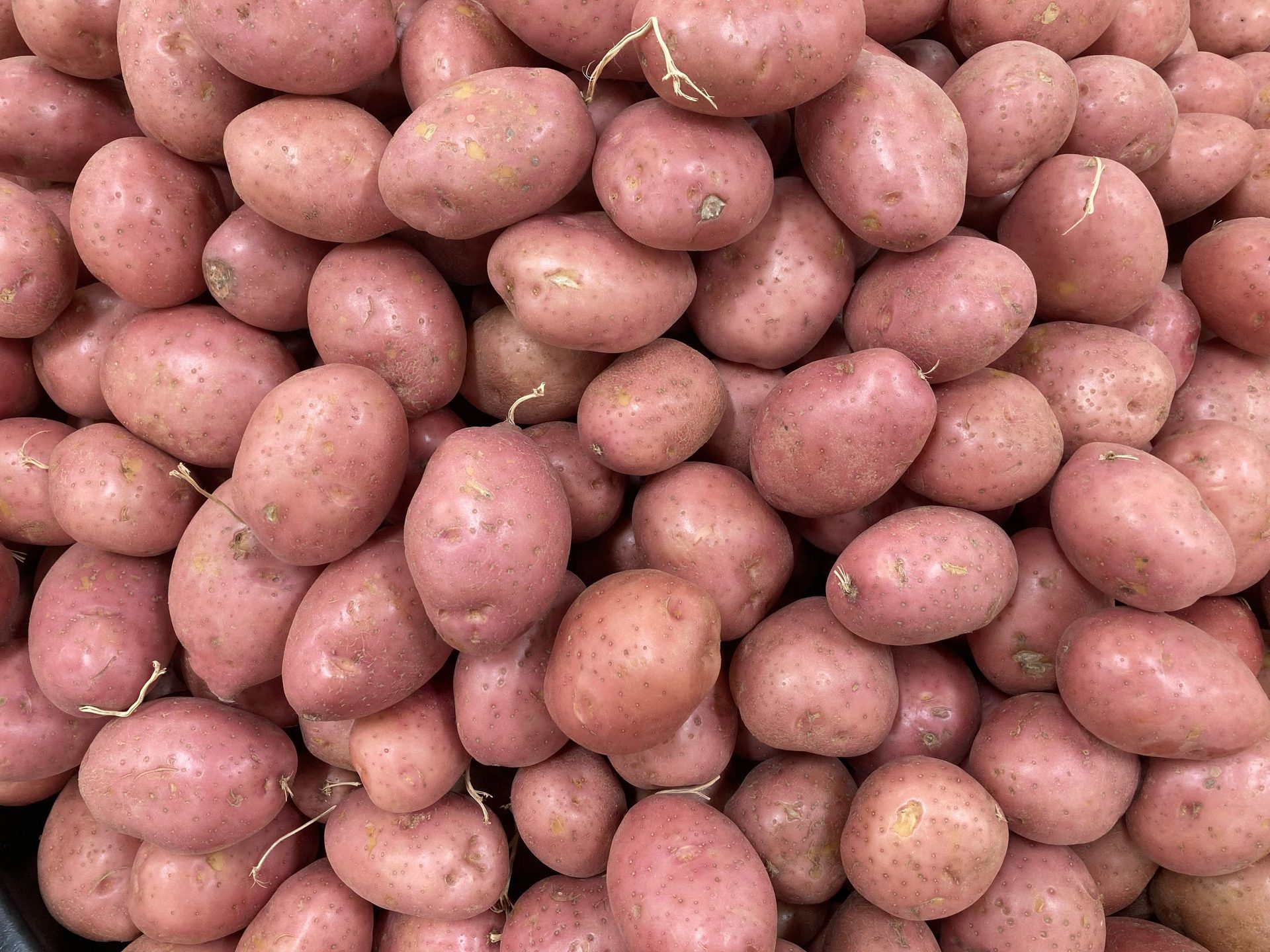
Red potatoes are a staple in American kitchens — they show up in soups, roasted sheet-pan dinners, potato salads, and holiday side dishes. But when you buy too many at the grocery store or pull in a bigger harvest than expected from the garden, a familiar question comes up: can you freeze red potatoes to use later?
The short answer is yes, but there is one rule you cannot skip. The most important thing to know is that you cannot freeze potatoes raw — they must be partially cooked before freezing. Get that step right, and you can stock your freezer with ready-to-cook red potatoes that will last for months. Skip it, and you will end up with a mushy, discolored disappointment.
This guide walks you through everything: how freezing affects red potatoes, the exact steps to do it right, how long they keep, how to thaw and use them, and what to watch for if something goes wrong.
Can You Freeze Red Potatoes?
You can freeze any type of potato, including red potatoes, Yukon Gold, russet, and sweet potatoes. That said, not all potato varieties behave the same way in the freezer. Red potatoes are waxy potatoes, meaning they contain more moisture and less starch than varieties like russets. That higher moisture content means they need careful preparation to freeze well.
Among the common varieties, Yukon Gold and red potatoes are generally considered among the better options for freezing. Their waxy texture holds up reasonably well after blanching, especially when you plan to use them in soups, stews, roasted dishes, or mashed preparations. If you are hoping to freeze them for a cold potato salad, though, manage your expectations — the texture after thawing will be softer than fresh.
The key takeaway: freezing red potatoes works, and it is worth doing when you have more than you can use before they start to soften or sprout. Just follow the prep steps below.
Pro Tip: Choose new, smaller waxy potatoes like red varieties, and for the best results, freeze them as soon as possible after harvesting or purchasing.
Does Freezing Change the Texture or Taste of Red Potatoes?
Honestly, yes — and it helps to know what to expect before you start. When a potato is frozen, the water in it separates from the starch, which causes the reheated potato to be watery. This is a natural result of the high moisture content in red potatoes, and no amount of clever packaging completely prevents it.
Blanching before freezing is strongly recommended because it stops the enzymes that cause discoloration and texture changes during storage. Potatoes frozen without blanching may darken and become mushy once thawed or cooked. Proper blanching does not eliminate all texture change, but it significantly reduces it.
On the flavor side, prepared cooked potatoes tend to lose flavor fairly rapidly when frozen and are best used within a few weeks for peak taste, though they remain safe and usable for much longer. You may notice a slightly softer bite and a milder flavor compared to fresh red potatoes. For dishes where the potato is mixed with other ingredients — soups, casseroles, hashes — this difference is barely noticeable. For dishes where the potato is the star, like a simple roasted side, the difference is more apparent.
The bottom line: frozen red potatoes work best in cooked, mixed dishes rather than preparations where you want a firm, fresh-potato texture. If you go in with that expectation, you will be happy with the results. For more on how whole plant-based foods can be stored and used effectively, that resource is worth a read.
How to Freeze Red Potatoes the Right Way
The process takes about 30 to 45 minutes of active work, but it makes a real difference in quality. Follow these steps in order.
- Select and wash. Choose firm, blemish-free potatoes and avoid any with green spots or sprouting eyes. Wash them thoroughly under cold running water to remove dirt and debris, using a vegetable brush for a more effective clean.
- Peel (optional) and cut. Decide whether to peel the potatoes — while peeling is optional, it can prevent the skins from becoming tough during freezing and thawing. Once washed, cut the potatoes into uniform pieces — cubes, slices, or wedges — depending on how you plan to use them. Uniform pieces ensure even blanching and freezing.
- Blanch. Bring a large pot of salted water to a boil over high heat — the greater the water-to-potato ratio, the better, as it maintains temperature more steadily and returns to a boil faster when you add the potatoes. Blanch for 4 to 6 minutes if the pieces are smaller than 1 to 1½ inches in diameter, and 8 to 10 minutes if larger. The potato needs to be heated through completely to stop enzymatic reactions — inadequate heating will result in the center of the potato turning dark.
- Ice bath. Remove the pot from heat and immediately plunge the potatoes into an ice bath to stop the cooking process. Drain in a colander, then lay the potatoes out flat on a drying mat to cool and pat them dry with a cloth.
- Flash freeze. Spread the potatoes out in a single layer on a baking sheet, making sure they do not touch. Cover and freeze until solid, up to 12 hours.
- Package and store. Remove the potatoes from the freezer and transfer them to a resealable freezer bag or vacuum-seal bag, label with the date, and store in the freezer until ready to use.
Pro Tip: Potatoes can darken when exposed to air if their enzymes are not stopped before freezing. Keeping cut potatoes in water before blanching, and properly blanching them, helps prevent discoloration and keeps the potatoes looking fresh.
If you want to freeze red potatoes as mashed potatoes, the process is slightly different. Adding butter, cream, sour cream, or cream cheese provides fat that helps frozen mashed potatoes maintain their texture. Cool them quickly, then form into ½-inch thick patties or pack as a mass, and freeze patties on a cookie sheet before packing into containers or freezer bags.
How Long Can You Freeze Red Potatoes?
Once cooked, potatoes can last up to one year when frozen. That said, quality degrades over time. While manufacturers often recommend a shelf life of 8 to 12 months, frozen potatoes can technically remain safe for longer if kept consistently frozen at 0°F or below — but beyond the recommended timeframe, significant quality degradation will likely occur due to freezer burn, resulting in a noticeable decline in taste and texture.
For the best eating experience, aim to use your frozen red potatoes within three to six months. Seal tightly, label, freeze, and use within 3 months for best results if you want to preserve as much of the original flavor and texture as possible.
| Preparation Type | Recommended Freezer Life | Notes |
|---|---|---|
| Blanched chunks or wedges | Up to 12 months (best at 3–6 months) | Best for soups, stews, roasting |
| Mashed red potatoes | Up to 3 months | Add fat (butter, cream) before freezing |
| Shredded (for hash browns) | Up to 3 months | Blanch first; squeeze out moisture |
| Stuffed baked preparations | 2 to 4 weeks | Use quickly; flavor fades fast |
Storage temperature matters just as much as timing. The ideal temperature for storing frozen potatoes is 0°F (-18°C) or lower. At this temperature, microbial growth is significantly slowed down and quality can be maintained for an extended period. If the storage temperature fluctuates or rises above -18°C, ice crystals may start to melt and refreeze, causing damage to the cell structure and leading to a loss of texture and flavor.
How to Thaw Frozen Red Potatoes
The good news is that for most recipes, you do not need to thaw frozen red potatoes at all. You can add frozen potatoes directly from the freezer to recipes that are cooked — for example, they work seamlessly in soups, casseroles, or boiled potato recipes like mashed potatoes. Going straight from freezer to pan or pot gives the best texture results for many dishes.
When you do need to thaw them, you have three options:
- Refrigerator (safest method): Place the frozen red potatoes in a container to catch any dripping moisture and allow them to thaw in the refrigerator for 6 to 8 hours or overnight.
- Cold water (faster): Place the frozen potatoes in a sealed plastic bag and submerge them in cold water, changing the water every 30 minutes. This method takes about 2 to 3 hours.
- Microwave: For immediate use, you can use the defrost setting on your microwave. Cook or use the potatoes right away — do not let microwaved-thawed potatoes sit at room temperature.
Important Note: Never thaw frozen potatoes on the countertop at room temperature. This allows the outer layers to warm into the bacterial danger zone (40°F–140°F) while the center remains frozen, which creates food safety risks.
Can You Refreeze Red Potatoes After Thawing?
Refreezing thawed red potatoes is not recommended. Refreezing thawed potatoes promotes ice crystal formation and bacterial growth, further degrading the texture and potentially compromising safety. If potatoes are thawed, cook them immediately.
Do not thaw and refreeze products more than once, as both steps reduce texture and may lead to more bacteria. Each freeze-thaw cycle breaks down more of the cell structure in the potato, making the final product progressively mushier and less flavorful.
The best way to avoid this situation is to portion your red potatoes before freezing. Consider portioning the potatoes before freezing so you can easily use only what is needed, reducing thawing and refreezing cycles. Smaller freezer bags with one or two servings each make it easy to pull out exactly what you need without thawing the whole batch. This approach pairs well with other smart nutrient-preserving food habits that help you get the most out of what you store.
How to Use Frozen Red Potatoes (Best Uses After Freezing)
Frozen red potatoes are more versatile than many people expect. The key is matching them to the right recipes — ones where a slightly softer texture works in your favor rather than against you.
You can use frozen potatoes in any recipe that calls for cooked potatoes, such as mashed potatoes, roasted potatoes, hash browns, potato salad, french fries, patties, or any other popular potato side dish. Here are the best applications specifically for red potatoes:
- Soups and stews: This is the top use for frozen red potatoes. Add them to soups and stews near the end of the cooking time to prevent them from breaking down completely. They absorb broth beautifully and hold their shape better than you might expect in a liquid environment.
- Roasted potatoes: Frozen potatoes can be roasted directly from frozen. If pan frying or roasting the potatoes, brush them with oil before they go into the pan and cook them slowly. A higher oven temperature (425°F or above) helps drive off moisture and develop a crisp exterior.
- Hash browns and breakfast skillets: Frozen shredded potatoes are perfect for quickly frying up hash browns for breakfast, adding to soups, or topping casseroles. Red potatoes shredded and blanched before freezing work well here.
- Mashed potatoes: When making mashed potatoes, the addition of cream, butter, and/or cream cheese rather than milk will produce a better texture. This is especially true with frozen red potatoes, which release extra moisture when heated.
- Casseroles: Frozen red potatoes layer well into casseroles and baked dishes. They soften during the long bake time, making them indistinguishable from fresh in most recipes.
Pro Tip: If frozen potatoes turn out mushier than expected when cooked, they can still work well in blended soups or mashed dishes — so nothing needs to go to waste.
Avoid using frozen red potatoes in cold potato salads or preparations where a firm, fresh texture is expected. Potato salads and potato gratins can technically be frozen, but they don’t thaw well — they undergo texture changes and can become soggy or otherwise less appealing when defrosted. For dishes like those, fresh is always the better call. If you are curious about other foods that store and travel well, check out this guide to the pros and cons of eating seafood for another protein that requires careful handling.
Signs That Frozen Red Potatoes Have Gone Bad
Frozen potatoes do not spoil the same way fresh produce does, but they can degrade in quality or become unsafe if stored improperly. Before cooking, do a quick check for these warning signs:
- Freezer burn: Freezer burn appears as white or grayish patches on the surface of the potatoes. The affected areas will be dry, leathery, and shriveled, and the potatoes may also develop a slightly off flavor. It is generally safe to eat frozen potatoes with freezer burn — it primarily affects texture and flavor, not safety. You can trim off the affected areas before cooking.
- Unusual odor: Though it is normal for potatoes to smell earthy or nutty, a musty or moldy odor is a hallmark of spoilage. If your frozen red potatoes smell off when you open the bag, discard them.
- Discoloration: Do not keep any product with strong odors, unusual color, or where frost has penetrated the surface. Some darkening from improper blanching is a quality issue; black, green, or slimy patches are a safety concern.
- Slimy texture after thawing: Look for signs of spoilage like unusual odors, discoloration, or a slimy texture. If you suspect the potatoes have been compromised, it is best to discard them.
- Ice crystals throughout the bag: Heavy ice crystal buildup inside the bag usually means the potatoes partially thawed and refroze at some point. The potatoes may still be safe, but the texture will be significantly degraded.
If the potatoes look and smell normal, they are likely safe to cook even if stored for longer than the recommended timeframe — but keep in mind that quality may be compromised. When in doubt, throw it out. For more guidance on how nutrients in foods hold up over time, the Penn State Extension’s guide on freezing potatoes is a reliable reference.
Frequently Asked Questions
Can You Freeze Raw Red Potatoes Without Blanching?
You can technically freeze raw potatoes and skip the blanching step, but they will not last as long nor maintain their quality as well as blanched potatoes. Frozen raw potatoes can become soggy and grainy. At very low temperatures, the water present in potatoes expands, creating crystals that damage plant cell wall structures — as a result, frozen raw potatoes become brown and mushy when defrosted. Always blanch first.
Can You Freeze Cooked Red Potatoes?
Yes. Fully cooked red potatoes — roasted, boiled, or mashed — can all be frozen. After you have cooked potatoes, you can store them in the fridge for up to three days. You can also freeze cooked potatoes — boil them for at least five minutes before freezing. For already-cooked leftovers, let them cool completely before sealing and freezing to prevent condensation inside the bag.
Do You Need to Thaw Frozen Red Potatoes Before Cooking?
Frozen potatoes do not require defrosting or thawing before use. For most recipes — soups, stews, roasting, and hash browns — you can cook them directly from frozen. This actually produces better results than thawing first, since going straight into heat prevents the potatoes from sitting in their own released moisture.
How Do You Prevent Freezer Burn on Red Potatoes?
It is very important for food containers to be airtight, moisture-proof, and food-grade to avoid freezer burn, which can ruin your food’s texture and flavor. Press out as much air as possible from freezer bags before sealing, or use a vacuum sealer for the longest storage life. Always date packages and remember to use up packages that were frozen first.
Can You Freeze Red Potato Soup?
Yes, potato soup freezes reasonably well, though the texture of the potatoes will soften further upon reheating. Cream-based potato soups can sometimes separate when thawed — stir well while reheating over low heat to bring them back together. Broth-based soups with red potatoes tend to freeze and reheat with fewer texture issues. For ideas on foods that support your overall health, that guide covers a range of nutritious options worth keeping in your regular rotation.
Are Frozen Red Potatoes as Nutritious as Fresh?
Freezing helps retain the nutritional value of red potatoes over time. The blanching process does cause a small loss of water-soluble vitamins like vitamin C and some B vitamins, but the core nutritional profile — fiber, potassium, and complex carbohydrates — remains largely intact. Frozen red potatoes are a solid nutritional choice and a practical way to reduce food waste. You can also explore powerful nutrients found in everyday foods to better understand how your diet choices add up over time, or read about superfoods for a healthy heart to round out your nutritional knowledge.