Traditional Norwegian Breakfast: Porridge, Pålegg, and Open Sandwiches Explained

November 20, 2026
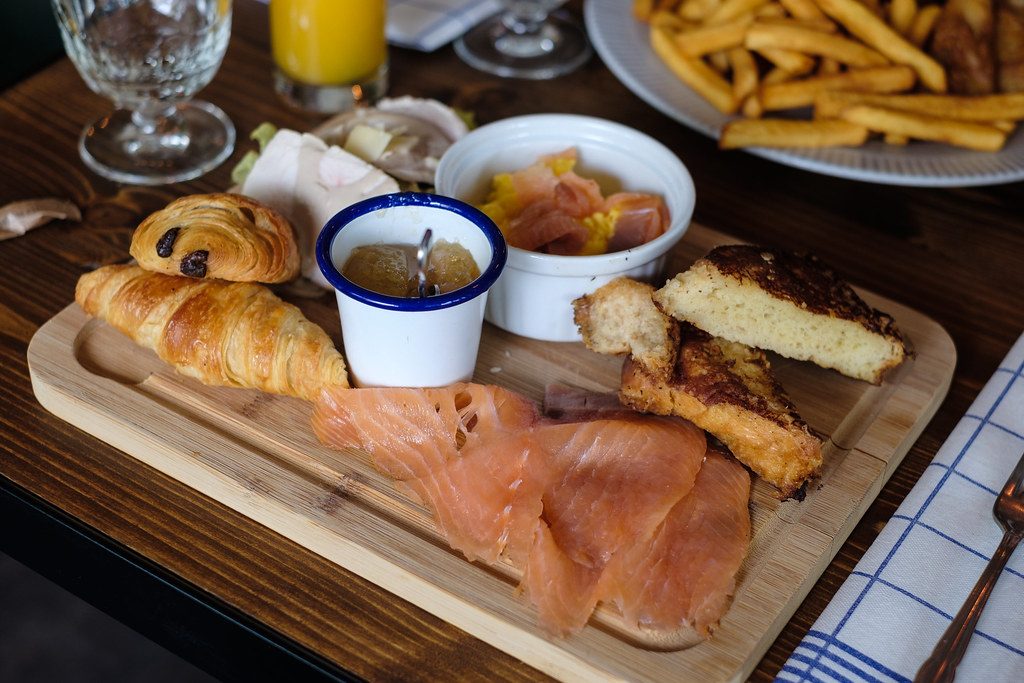
Walk into a Norwegian kitchen before eight in the morning and you won’t find cereal boxes or syrup-soaked pancakes on the counter. A traditional Norwegian breakfast is built around warm porridge, cultured dairy, and thick slices of bread carrying one careful topping at a time rather than three stacked on top of each other.
The meal changes with the season and the calendar, moving from a plain bowl of oat porridge on a Tuesday to a festive dish of sour cream porridge at a wedding. Readers curious about how other countries structure their first meal of the day can browse more breakfast traditions from around the world while exploring what lands on a Norwegian table. This guide walks through the four dishes that define that table: grøt, rømmegrøt, risgrøt, and the open-top buttered sandwiches Norwegians eat nearly every day.
1. Grøt
Grøt is the Norwegian word for porridge, and it works as an umbrella term rather than a single recipe. Different kinds of grøt exist, including rømmegrøt, where regular grøt has milk replaced with sour cream, and risgrøt, where regular grøt uses rice instead of groats. The base version is usually made from oats, barley, or wheat groats simmered slowly in milk or water until thick.
Oat porridge, known locally as havregrøt, is the version most Norwegians actually eat on an ordinary weekday morning. It costs little, cooks in minutes, and keeps a person full through a cold commute. Grøt made this way isn’t tied to any holiday; it’s simply what a working breakfast looks like in much of Norway.
The habit of starting the day with a hot grain dish isn’t unique to Norway, but the specific grains and toppings are. Germany’s eintopf stew fills a similar role as a humble, one-pot dish built to stretch simple ingredients into something warming, even though it belongs to lunch or dinner rather than breakfast.
Because the three porridges covered in this guide share a base but diverge in richness and occasion, a quick side-by-side helps before looking at each one individually.
| Porridge | Base Ingredient | Typical Occasion | Classic Toppings |
|---|---|---|---|
| Grøt (oat or barley) | Groats simmered in milk or water | Everyday breakfast | Butter, sugar, cinnamon |
| Rømmegrøt | Sour cream thickened with flour | Weddings, baptisms, Midsummer | Melted butter, cinnamon sugar, cured meat |
| Risgrøt | Rice simmered in milk | Christmas Eve | Butter, cinnamon sugar, hidden almond |
2. Rømmegrøt
The name explains the dish before the first spoonful does. Rømmegrøt translates into two parts: rømme means sour cream, and grøt translates to porridge. The result is a thick, pale porridge made by cooking rich sour cream with flour until the butterfat rises to the surface, then thinning the mixture with milk.
This isn’t an everyday bowl of oats. Rømmegrøt has been eaten in Norway for hundreds of years, and because ingredients like rich sour cream, butter, and flour were valuable, it became food for special occasions and celebrations, including weddings and baptisms. According to Visit Norway , sour cream porridge has existed for hundreds of years in the country and was served on occasions like weddings and baptisms.
The dish also carries a strong connection to Norway’s mountain dairy farms. Rømmegrøt is closely associated with Norwegian summer mountain farms, or seters, where fresh dairy products were traditionally made, and with fresh sour cream on hand, it became a natural way to turn rich dairy into a warm, filling meal. Today the dish still shows up at Midsummer and other festive gatherings rather than as a daily breakfast staple.
Traditional preparation separates the dish from a quick home version in one key step. In traditional methods, butterfat is allowed to separate from the sour cream as it cooks, and that butter is skimmed off and spooned back over the finished porridge. The same technique is described step by step on Ramshackle Pantry , which notes that a quicker home version can swap in melted butter as a topping instead.
Pro Tip: Standard supermarket sour cream often won’t separate the way traditional seterrømme does, since it typically runs 14-20 percent fat rather than the 35 percent fat content used in Norway. Full-fat crème fraîche or a mix of sour cream and heavy cream gets closer to the right texture.
Rømmegrøt isn’t the only European breakfast built around rich, cultured dairy for special occasions. Greek cooking leans on thick yogurt in a similar way, pairing tang and fat content to create dishes meant for gatherings rather than a rushed weekday morning.
3. Risgrøt
Risgrøt swaps the groats for rice, and it’s the porridge most tied to a single date on the calendar. The dish traces back further than most people expect. Rice porridge was first introduced in Norway in the 1300s but was reserved for the elite and wealthy, eventually becoming customary on Christmas Eve as a symbol of status; it wasn’t until the 1800s that it became available to the working class.
That history explains why risgrøt still feels like a special occasion even though the recipe itself is simple rice, milk, and a little salt. North Wild Kitchen notes that Norwegian children still call the dish julegrøt, or “Christmas porridge,” a name that has stuck for generations.
Risgrøt holds an irreplaceable place on Norwegian holiday tables, and this simple, sweet rice porridge is traditionally reserved for lunch on the day before Christmas. According to Tasting Table , leftovers rarely go to waste, since Norwegians use the remaining porridge to make riskrem, a dessert whisked up with cream and sugar.
The meal comes with a built-in game that keeps everyone at the table a little longer:
- A whole almond is peeled of its skin so it blends in with the white rice.
- The almond is hidden in the pot before bowls are served.
- Whoever finds the almond in their portion wins a small prize, traditionally a marzipan pig.
- The finder often tries to stay quiet about it, so everyone keeps eating in hopes of being the lucky one.
Important Note: Norway’s neighbors play a nearly identical game with their own version of rice pudding. The underlying tradition shifts slightly by country but the almond-and-marzipan-pig prize shows up across much of the Nordic region.
Rice-based breakfasts aren’t exclusive to Norway, though the toppings and timing differ sharply elsewhere. A traditional Japanese breakfast often includes plain steamed rice served savory, alongside miso soup and pickles, rather than the sweetened, milk-based version Norwegians eat at Christmas. Traditional Indian foods include their own milk-and-rice pudding, kheer, which leans on cardamom and nuts instead of cinnamon and a hidden almond.
4. Open-Top Buttered Sandwiches
Porridge covers the warm side of a Norwegian breakfast, but bread fills in the rest, and it never comes folded shut. A weekday packed lunch in Norway usually consists of simple open-faced sandwiches known as matpakke, with each slice separated by smaller sheets of wax paper called mellomleggspapir. More extensive open-faced sandwiches carrying multiple toppings are considered smørbrød rather than matpakke.
Whole grain and seeded breads dominate the bread basket, standing in for the white toast common elsewhere. Knekkebrød, a crisp cracker-style flatbread, and kneippbrød, a denser whole grain loaf, both show up regularly, carrying whatever topping, or pålegg, a person reaches for that morning.
Pålegg covers almost anything spread or laid across a slice of bread, and the category is wide enough to fill a breakfast table on its own:
- Brunost, a caramel-colored brown cheese with a sweet, fudgy flavor unique to Norway
- Jarlsberg or other yellow cheeses with a nutty, mild taste
- Cured or smoked meats such as spekeskinke or salami
- Fish spreads, including caviar paste or pickled herring
- Jam made from crushed berries, often paired with brown cheese for a sweet-savory combination
Key Insight: The one-topping-per-slice habit isn’t just tidiness. Keeping each slice to a single pålegg lets a Norwegian breakfast table offer several distinct flavors across a handful of slices instead of one crowded sandwich.
This approach to bread sits at the opposite end of the spectrum from cultures built around enclosed sandwiches or soft rolls. Traditional French food leans heavily on the baguette as a vehicle for butter and jam, often eaten plain or dunked rather than layered with savory toppings the way Norwegian smørbrød is.
Cheese and jam together surprise a lot of first-time visitors, but it’s one of the more common combinations on a Norwegian table, especially brunost paired with raspberry jam for a sweet start to the morning. The pairing works because the cheese itself already carries a caramel sweetness, so the jam adds fruit rather than competing sugar.
Conclusion
A traditional Norwegian breakfast rewards patience more than speed. Oat porridge gets most Norwegians through an ordinary Tuesday, rømmegrøt turns up at weddings and Midsummer gatherings, risgrøt anchors Christmas Eve with its hidden almond, and open-top sandwiches fill in everything else with one carefully chosen topping at a time.
None of these dishes require rare ingredients or complicated technique, just rice, grain, cultured dairy, and good bread handled with a bit of patience. Readers building out a broader picture of how the rest of the world eats in the morning can compare this spread against traditional Egyptian food or browse other special-occasion breakfast ideas for inspiration on bringing a similar sit-down morning meal to their own table.