17 Traditional Peruvian Breakfast Dishes Locals Actually Eat

November 21, 2026
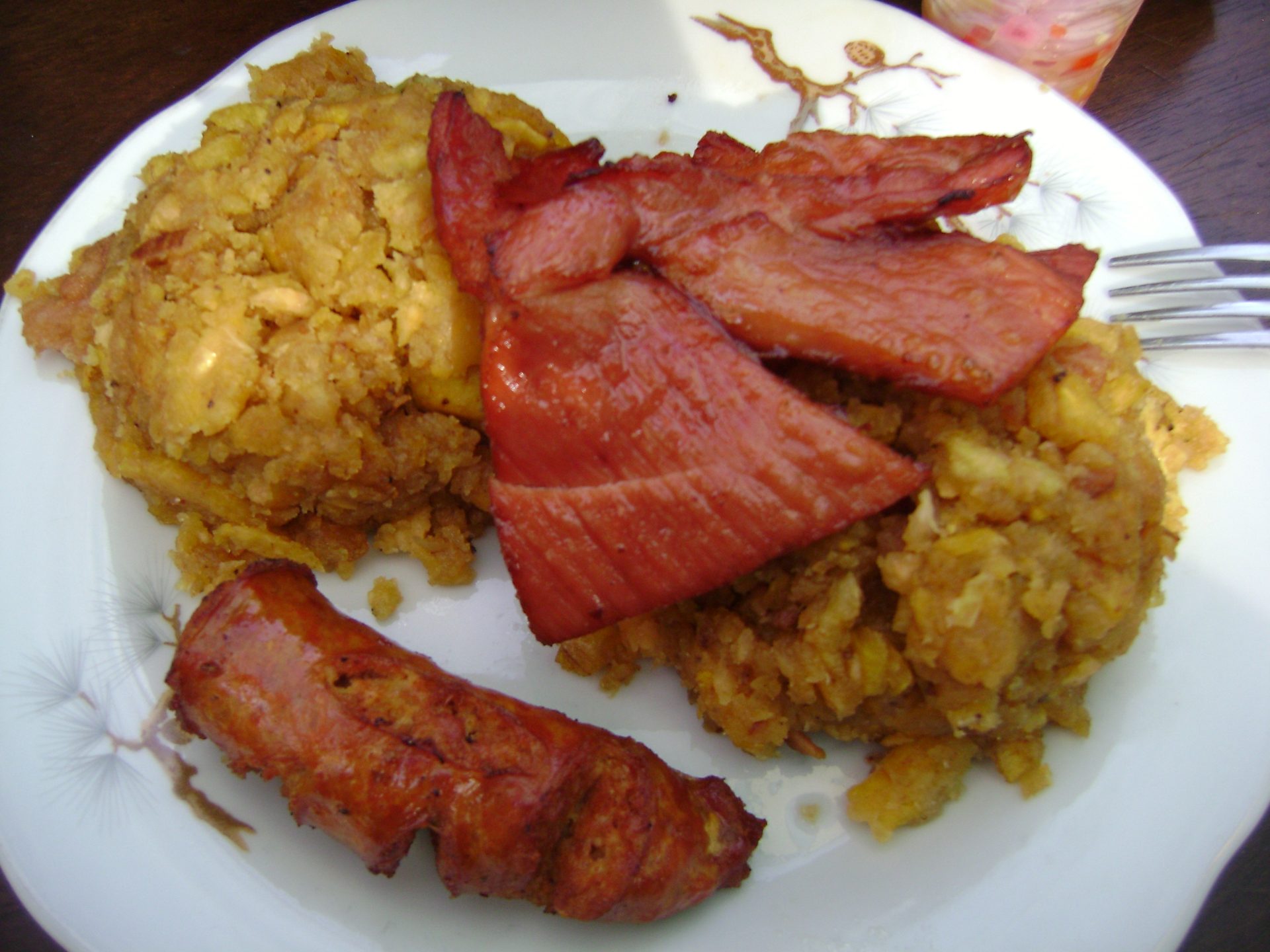
A traditional Peruvian breakfast rarely looks the same twice. Depending on whether you wake up on the coast, in the Andes, or deep in the Amazon, the first meal of the day might be a corn tamale, a steaming bowl of soup, or a crispy pork sandwich eaten standing up at a street cart.
Peru’s geography shapes its morning table as much as its history does. Spanish, Andean, African, and Asian influences all show up in a single breakfast spread, and the result is one of the most varied morning food cultures anywhere. For readers curious about how other countries start the day, this collection of breakfast traditions offers a wider lens, while Peru’s own regional split deserves a closer look on its own.
The style of breakfast will likely depend on the geographical region of Peru. Along the coast, a classic Sunday breakfast may include chicharrón de chancho, fried pork usually served with bread, onion, chopped ají and sweet potato or fried yuca, alongside tamales served with a fresh onion salad that often has a bit of spice. The highlands and jungle tell a different story entirely, as the 17 dishes below make clear.
1. Quinoa Porridge
Quinoa (Chenopodium quinoa) has fed Andean communities for thousands of years, and it still shows up on breakfast tables across highland Peru. It offers a nutritious start to the day, especially in high-altitude regions, and is often served with fruit and local honey. The grain’s small, round seeds cook into a creamy, slightly nutty porridge that holds up well against cold mountain mornings.
In the Andes, breakfast often features warm grains like quinoa, maca, or oats, perfect for chilly mornings. Cooks typically simmer the grain in milk or water with cinnamon and a touch of sugar, then top it with chopped fruit. Readers who enjoy grain-based mornings might also appreciate the millet and lentil porridges common in traditional Indian breakfast dishes, which rely on a similar logic of simple grains stretched into something filling.
2. Tamales
Few dishes say “Sunday morning” in Peru quite like a warm tamal. A tamal is a traditional dish where banana leaf-wrapped corn dough is filled with chicken, peppers, cheese or a variety of other fillings, and people enjoy them for Sunday breakfast served with salsa criolla and crispy french bread rolls. The corn dough itself is moist and slightly dense, built to hold its shape through a long steam.
The tamal can be either sweet or savory, and in Peru they are served with a fresh onion salad that often has a bit of spice. Coastal versions tend to use yellow corn dough, while available in yellow (coast) and green (highlands) varieties, the tamal family stretches across the whole country. The wrapped-corn concept isn’t unique to Peru either; readers familiar with hallacas will recognize the technique from traditional Venezuelan food, which uses a nearly identical leaf-wrapping method for its own holiday dishes.
3. Tamalitos Verdes
Smaller and greener than their coastal cousins, tamalitos verdes get their color from huacatay, an Andean herb related to black mint, mixed directly into the corn dough. They’re common in highland households and at Sunday markets, usually sold alongside cheese or a spoonful of salsa criolla.
The green color isn’t just cosmetic. Huacatay gives the corn a slightly peppery, herbal edge that pairs well with the mild, fresh cheese often tucked inside. Wrapped and steamed dishes show up across world cuisines in different forms, much like the stuffed leaves found in traditional Greek cooking, where herbs and grains get bundled the same careful way before cooking.
4. Butifarra
Butifarra is a traditional cold sandwich that many eat in Peru, with “jamon del pais,” or seasoned ham, as its main ingredient. It’s a quick, portable breakfast, closer to a deli sandwich than a hot plate, which makes it popular with commuters grabbing something on the way to work.
Butifarra is eaten as a cold sandwich, and people often eat it with salsa criolla, a Peruvian sauce made with onion relish, red onions, amarillo, aji, vinegar, and other popular Peruvian spices. The crusty French-style roll used for butifarra owes its presence to a broader history of European bread-making in Peru, a thread that connects loosely to the baguette culture found in traditional French food.
5. Pan Con Chicharrón
Pan con chicharrón is crusty bread filled with deep-fried pork, sweet potatoes, and salsa criolla, and it’s Lima’s most iconic breakfast. The combination of crunchy pork, soft bread, and a touch of sweetness from the fried sweet potato makes it one of the most recognizable street foods in the country.
Pro Tip: Ask for your pan con chicharrón “bien cargado” if you want extra salsa criolla piled on top — it’s the detail that separates a good sandwich from a forgettable one.
In coastal Lima, you’ll find hearty sandwiches, fresh fruit juices, and coffee all built around this one dish. Street-sandwich breakfasts aren’t unique to Peru; the traditional Egyptian breakfast leans just as heavily on bread-based staples like ful medames sold from carts each morning.
6. Humitas
Humitas look like tamales but follow a different recipe. Humitas easily resemble a tamal, but the main difference is that with humitas, you use fresh ground corn, versus the corn masa that is popular with the tamales, and humitas are usually not filled with meat — a good vegan Peruvian breakfast choice.
The fresh corn gives humitas a sweeter, more tender bite than a standard tamal. The corn husk is filled with ground corn rather than meat, and to prepare it at home, cooks stuff the corn into a husk and steam-cook it. The banana-leaf wrapping technique used for many corn dishes across Latin America has a close cousin in Southeast Asia, where traditional Malaysian dishes like nasi lemak also rely on leaf-wrapped steaming.
7. Tacu Tacu
Tacu tacu began as a way to avoid wasting food, and it became one of Peru’s most beloved comfort dishes. It is a Peruvian dish of rice and beans that is fried, formed into a flat oval shape and set under toppings such as steak or fried eggs, and according to culinary historian Maricel Presilla, food historians generally credit the dish’s origins to enslaved Afro-Peruvians on Peru’s northern coast during the colonial period.
The name itself carries that history. The notion that the dish was created as a way to use up the odd remaining ingredients is expressed in the word’s etymology, being derived from “takuy,” meaning “mix different things together.” What are sometimes referred to as “Peruvian beans” are Mayacoba or canary beans, though the dish can also be made with lima beans, pinto beans, or navy beans. Turning leftovers into a new dish entirely is a trick shared by German home cooks, too — the one-pot German Eintopf stew runs on the same resourceful logic.
8. Juane De Gallina
In the Peruvian Amazon, breakfast looks almost nothing like it does on the coast. In the Amazon, you’ll see tropical flavors like chapo, a sweet plantain drink, and juane, a rice dish wrapped in banana leaves. Juane de gallina packs seasoned rice, shredded chicken, olives, and a boiled egg into a tight banana-leaf parcel before steaming it until firm.
The dish is tied to the Amazon region’s San Juan festival, but households make it for breakfast and travel food year-round since the leaf wrapping keeps it fresh for hours without refrigeration. That same wrap-and-steam approach to rice shows up in rice-forward cuisines worldwide, including the layered rice dishes found in traditional Pakistani cooking.
9. Salchicha Huachana
Named for the coastal town of Huacho, this thick, paprika-red sausage is a staple of northern Peruvian breakfasts. The typical holiday or weekend Peruvian breakfast usually consists of tamal, french bread, pork chicharron, fruit smoothie, and coffee with evaporated milk, and other items can include sangrecita (blood sausage) and salchicha de huacho (scrambled eggs with sausage).
Cooks usually crumble the sausage into scrambled eggs or fry thick slices alongside rice, giving the dish a smoky, slightly spiced flavor that’s distinct from the standard breakfast sausage found elsewhere in South America. It’s rarely found far outside its home region, which makes it one of the more regionally specific entries on this list.
10. Caldo De Gallina
A big bowl of chicken soup might not sound like breakfast food everywhere, but in Peru it’s a common weekend ritual. Caldo de gallina simmers a whole hen for hours with noodles, potato, and often a hard-boiled egg, producing a golden broth that’s served piping hot.
In the highlands, a big breakfast is important to give people energy to make it through the day, and a common breakfast might include a type of meat served with local vegetables, potatoes and perhaps a hearty soup. Families often turn to caldo de gallina specifically after a late night out, treating it as both breakfast and a gentle remedy for the morning after.
11. Caldo De Mote
Caldo de mote swaps noodles for mote, a type of dried hominy corn that’s been soaked and boiled until the kernels puff up and soften. The broth is usually built on beef or pork bones, giving it a deeper, fattier flavor than the lighter caldo de gallina.
This soup is most common in the central and southern highlands, where mote itself is a pantry staple used in soups, salads, and side dishes alike. A spoonful of fresh cheese or a handful of chopped herbs is often stirred in right before serving, rounding out the dish’s earthy corn flavor.
12. Cau-Cau
Cau-cau gets its signature yellow color from palillo, a turmeric-like root, simmered together with diced potatoes and tripe until everything turns soft and the sauce thickens. It’s technically a stew more than a soup, with enough body to eat over rice.
While cau-cau is often associated with lunch, many Peruvian households serve a smaller portion at Sunday breakfast alongside bread, treating it as part of the same weekend spread that includes tamales and chicharrón. Offal-based morning dishes aren’t unusual globally — tripe dishes also appear in traditional South African cooking, where mogodu follows a similarly slow-cooked approach.
13. Chicharrón De Chancho
Chicharrón de chancho is the backbone of Peru’s most famous breakfast sandwich, but it’s worth knowing on its own too. A classic Sunday breakfast may include chicharrón de chancho, fried pork usually served with bread, onion, chopped ají and sweet potato or fried yuca, and this can be eaten as a sandwich or served separately.
Peruvians get it from lechon asado, or roasted pig, where the meat is roasted in its own fat until it becomes crispy — that crispy meat is what they call the chicharron. If you want it served the Peruvian way, try it with salsa verde or aji verde, and be careful, because Peruvian chili sauces are popular for being incredibly spicy. Whether tucked into bread or served on its own plate, the crunch is the whole point.
14. Emoliente
Long before specialty coffee shops reached Lima, emoliente carts were already fueling early risers. Emoliente is a warm, herbal drink made with barley, flaxseed, and local herbs — think of it as Peruvian wellness tea. Vendors ladle it from large metal urns on street corners, often before sunrise, serving it to commuters on their way to work.
You’ll find these carts offering “desayunos al paso,” or on-the-go breakfasts, usually alongside warm drinks like emoliente or quinoa. Herbal morning drinks built on grains and seeds aren’t unique to Peru; hibiscus-based teas play a similar warming role in traditional Egyptian drinks, though the flavor profile is entirely different.
15. Lúcuma Juice
Lúcuma (Pouteria lucuma) is a subtropical Andean fruit with dry, custardy flesh and a flavor often compared to maple and sweet potato. Blended into juice, it turns creamy and mellow, closer to a smoothie than a typical fruit juice.
Thanks to Peru’s incredible variety of native fruits, fresh juices and smoothies are a breakfast staple, with popular choices including lucuma, mango, pineapple, and guanábana, blended into refreshing morning drinks sold at market juice stalls and cafés alike. Lúcuma’s dense, starchy texture makes it a favorite base for juice vendors who want something filling enough to double as a light meal. Fruit-forward morning drinks show up across cultures in different forms, including the fermented and fresh juice traditions found among traditional Chinese drinks.
16. Chirimoya Juice
Chirimoya (Annona cherimola) is often called the custard apple, and for good reason — its white flesh is soft, sweet, and almost creamy straight off the tree. Juiced or blended, it keeps that same silky texture.
Among the fresh fruit options used for mixed juice in Peru, chirimoya stands out as sweet and custardy, alongside papaya, mango, plátano, and granadilla. Market vendors often blend chirimoya with a splash of milk or orange juice to loosen its naturally thick texture, creating a drink that’s closer to a dessert than a typical breakfast beverage.
17. Camu Camu
Camu camu (Myrciaria dubia) grows wild along Amazonian riverbanks and packs one of the highest natural vitamin C concentrations of any fruit on earth, which is why it’s prized well beyond Peru’s borders. The berry itself is tart, almost sour, so it’s rarely eaten raw and instead gets blended into juice with sugar to balance the acidity.
In the jungle region, camu camu appears alongside other native fruits that rarely make it to coastal markets. Exotic fruits like camu camu and aguaje are part of what makes Amazonian breakfast fare so distinct from the rest of the country. Its bright color and sharp tang make it instantly recognizable on any Amazonian breakfast table, even among dozens of other native fruit juices on offer.
Bringing It All Together
Seventeen dishes barely cover the full range of what Peruvians eat in the morning, but they capture the pattern: coastal sandwiches built for speed, Andean grains and soups built for altitude, and Amazonian rice and fruit built around what grows nearby. A traditional Peruvian breakfast is less a fixed menu than a reflection of whichever region cooked it.
Anyone planning a themed breakfast spread at home — whether inspired by Peru or elsewhere — might also enjoy browsing ideas in this seasonal breakfast collection for inspiration on pairing dishes and drinks the way Peruvian households already do every Sunday morning.