Why Is My Snake Plant Turning Soft? Causes, Fixes, and Prevention

August 26, 2026
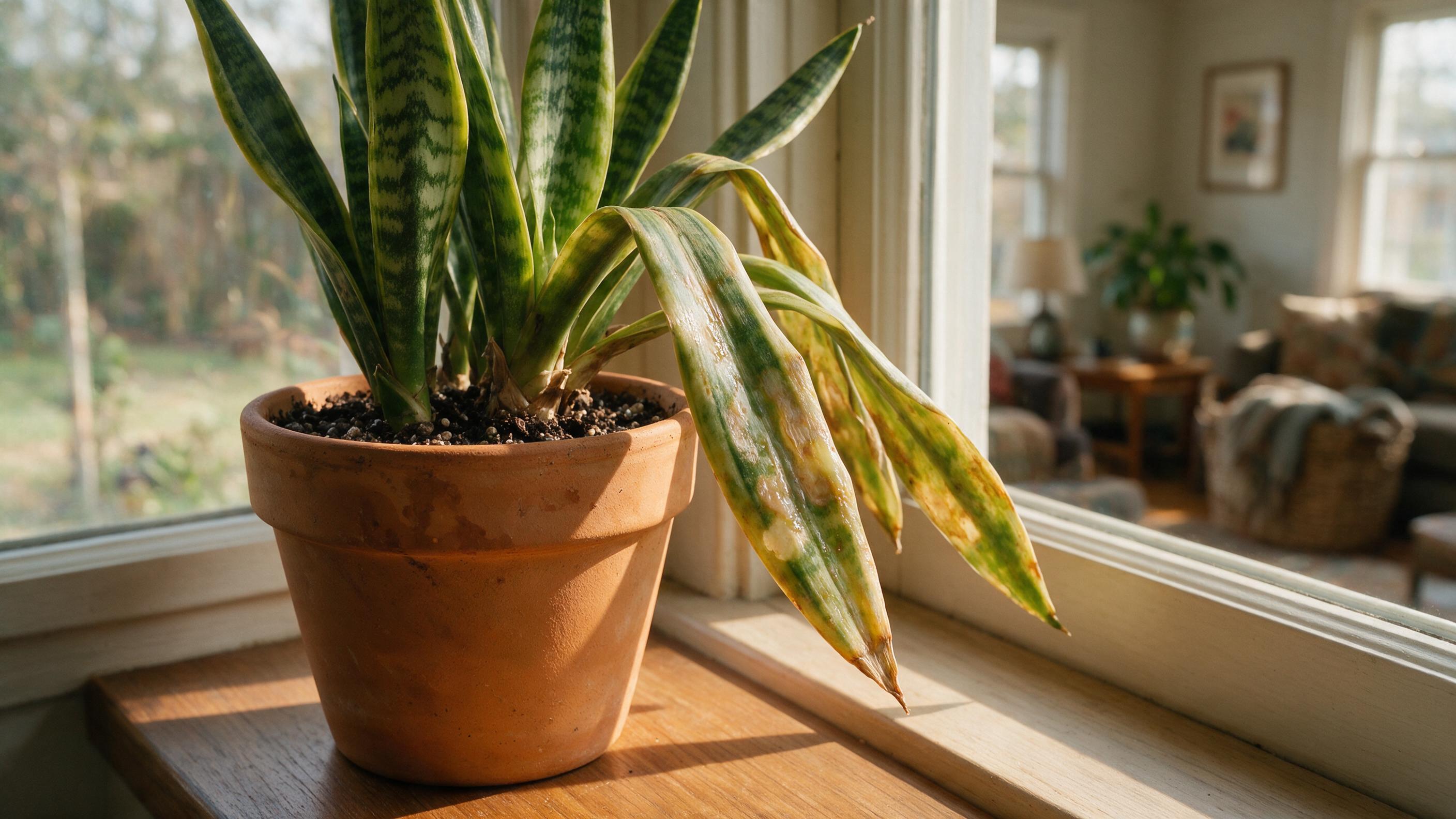
You reach over to check on your snake plant and notice something unsettling — the leaves that used to stand up like firm, architectural spears now feel squishy, limp, or even oozy to the touch. Under your fingertips, healthy snake plant leaves should feel sturdy and springy, but sometimes those leaves start to slump over, get mushy, and ooze liquid. That change in texture is your plant sending you an urgent message.
The good news is that a soft snake plant is almost always fixable — as long as you catch it early and identify the right cause. Overwatering, root rot, fungal infections, and temperature shock are the main causes of mushy leaves in snake plants, and by identifying these issues early on, you can take steps to save your plant before it’s too late. This guide walks you through every possible reason your snake plant is turning soft, how to diagnose it accurately, and exactly what to do to bring it back.
What Does It Mean When Your Snake Plant Is Soft?
Softness in a snake plant’s leaves is a physical sign that something has gone wrong with the plant’s internal structure. When snake plant leaves take in excess water, there is significant damage to the leaf cell structure — the leaves eventually burst due to excessive water intake, becoming soft, mushy, and squishy. That rubbery or collapsing feeling you notice is the result of those damaged cells.
The snake plant (Dracaena trifasciata, formerly classified as Sansevieria trifasciata) is a succulent that stores water directly in its thick, upright leaves. It may surprise you, but a snake plant is a succulent — it uses its dramatic leaves to store water to keep going in the face of a drought. If you overwater it, the luscious tissue cannot absorb more water, so instead the water sits in the ground, slowly suffocating the roots.
Softness can show up in different ways depending on the cause. You might first notice some soft spots or weakened areas on the plant’s long spiky leaves. These soft parts can occur anywhere on the leaves and will gradually increase in size. Over time, the softened patches will also discolor and may become yellow and eventually brown. Leaf discoloration usually appears at the base of the plant and will gradually spread upwards.
Is Softness in a Snake Plant Always a Sign of a Problem?
In nearly every case, yes — softness in a snake plant’s leaves signals that something needs your attention. If you notice that your snake plant leaves are soft and mushy, this is a sign that something is wrong. The most common cause of mushy leaves is too much water. Unlike some houseplants that might temporarily droop from heat or low humidity and then bounce back on their own, a snake plant with soft, collapsing leaves has already experienced cellular damage.
There is one minor exception worth knowing: a single leaf that feels very slightly less rigid than others after a period of drought may simply be thirsty. Dehydrated snake plants can become shriveled up and hairline wrinkles can form on the foliage, and the leaves will also become soft and bendy. This kind of underwatering softness tends to come with wrinkled, thin-looking leaves — a very different texture than the squishy, water-logged softness caused by overwatering or rot. When in doubt, check the soil and the base of the leaves before assuming the plant is fine.
Pro Tip: Squeeze a leaf gently between two fingers. A healthy leaf springs back firmly. A waterlogged leaf feels like a water balloon. A dehydrated leaf feels thin and papery. The texture tells you a lot before you even look at the soil.
Watering Issues Causing Snake Plant Softness
Watering problems — both too much and too little — are the most common reason a snake plant turns soft, with overwatering being by far the bigger threat. Overwatering is the single most common killer of snake plants. Because Sansevieria stores water in its thick leaves, it needs to dry out almost completely between waterings.
When you water too often, the soil stays perpetually damp. The container of your snake plant never dries up if you water it more frequently than it can absorb. That creates an ideal environment for bacteria and fungus, which will proliferate and finally get into the roots and leaves — and that’s when the leaves will begin to develop mushy areas.
Poor drainage compounds the problem just as much as frequency. Sometimes it may not be your watering schedule that is causing your snake plant’s leaves to go soft and mushy, but poor drainage of the soil and pot. You can increase the amount of drainage and aeration by mixing in a small amount of perlite, which makes it far easier for water to flow through and out of the drainage holes. Pots without drainage holes are a common culprit in American homes where decorative cachepots are used — always make sure your plant’s nursery pot has holes.
Pot size matters too. Snake plants should be grown in a pot that is slightly larger than the root ball. Having a pot that is too big will result in it holding too much water, which could result in overwatering damage.
On the flip side, underwatering can also cause softness — though it looks different. Underwatering is pretty common for desert plants because it is easy to forget about maintenance entirely when your plant needs so little care. Dehydrated snake plants can become shriveled up and hairline wrinkles can form on the foliage, and the leaves will also become soft and bendy. If the soil is bone dry and the leaves look thin and wrinkled rather than plump and squishy, underwatering is likely your issue.
Snake plants thrive in dry conditions and only require watering every 2–6 weeks, depending on the temperature and humidity levels in your home. In winter, many US households can stretch that even further. Mushy, yellow, and drooping leaves are especially common in winter months when the plants require less frequent watering. A good rule of thumb: check the soil condition before adding water. It should be dry to at least two inches below the soil’s surface — it’s easiest to check with a finger poked into the soil to the second knuckle, but a chopstick or popsicle stick will also suffice.
Light Conditions Behind Snake Plant Softness
Light and softness might not seem connected at first, but the relationship is real. Snake plant tolerates low light but produces thin, floppy leaves in dim spots. A brighter location keeps the leaves stiff and upright and makes the plant much harder to overwater. When a snake plant sits in a very dark corner — common in US apartments and offices — its leaves gradually lose the rigidity that comes from active photosynthesis and healthy cell pressure.
Low light also slows the rate at which soil dries out, which means even a modest watering can lead to prolonged wet conditions and eventual root rot. Snake plants are pretty tough plants that can tolerate a wide range of light conditions, but they do best in bright, indirect light. A spot near a north- or east-facing window is far better than a dark hallway.
Too much direct sun causes a different kind of leaf damage. Sunscald causes irreversible damage to the leaf tissue. Snake plants handle bright indirect light extremely well but can scorch in intense direct sun, especially when moved suddenly from a low-light spot. Scorched patches feel papery and bleached rather than mushy, so this is easy to distinguish from overwatering damage. If you’re using one of the best iPhone apps for identifying plants, you can also use them to cross-reference light requirement guides for your specific snake plant variety.
Key Insight: In very low light, a snake plant uses water much more slowly. If you’re watering on a fixed schedule regardless of light levels, a move to a darker room without adjusting your watering frequency is one of the fastest ways to trigger soft, mushy leaves.
Soil, Nutrients, and Root Health Causing Snake Plant Softness
The type of soil your snake plant grows in has a direct impact on whether its leaves stay firm or go soft. Many home growers opt for standard potting soil, but this can hold onto excess moisture and encourage fungal issues. Snake plants need a gritty, fast-draining mix that mimics their native rocky, dry habitat. Snake plants are native to the desert, so their soil needs to reflect that. A good mix uses two parts standard potting soil, one part sand, one part perlite, and a few generous handfuls of gravel.
Root health is the foundation of leaf firmness. Root rot is a serious issue that begins underground, affecting the creeping rhizome and spreading to the mature leaves above ground. This problem often occurs when the plant is overwatered — the excess water leads to poor oxygen exchange, creating an environment where harmful fungi can spread. If not treated quickly, root rot can cause permanent damage to your plant.
The specific fungi involved are well-documented. Some fungi that cause root rot include Fusarium, Phytophthora, Pythium, and Rhizoctonia, which thrive in wet soil. Hand-in-hand with overwatering is a snake plant that is in compacted soil or a soil that is not well-draining.
Nutrients play a smaller but still relevant role. While nutrient-related issues are less common with snake plants, a lack of nutrients can affect overall plant health. If you haven’t fertilized your plant in a while, consider using a diluted houseplant fertilizer during the growing season to support its recovery. Snake plants are light feeders, so once or twice during spring and summer with a balanced, diluted liquid fertilizer is enough. Over-fertilizing can burn roots and lead to its own form of leaf damage, so less is more. You can explore a range of types of plants with similar low-nutrient needs to understand how desert-adapted species manage naturally.
Environmental Stress Triggering Snake Plant Softness
Your home’s environment — temperature, humidity, and airflow — can all push a snake plant toward soft, damaged leaves even when your watering routine is perfect.
Temperature extremes are a significant trigger. Temperature shock can lead to mushy leaves. If your plant is suddenly exposed to extreme temperature changes, it can react by turning its leaves soft and mushy. In the US, this often happens when snake plants are placed near air conditioning vents in summer, drafty windows in winter, or moved abruptly from a warm interior to a cold porch. Temperature and humidity both play a role in your snake plant’s health — they prefer temperatures between 60°F and 80°F (15°C to 27°C) and can tolerate lower humidity levels. According to White Flower Farm , you should always take care to move snake plants back indoors before temperatures drop below 50°F to prevent cold damage.
High humidity is another environmental factor that many US plant owners overlook. Humidity is one of the real factors that can cause your snake plant’s leaves to go mushy. Snake plants thrive in average to low humidity levels and don’t need to be misted. If the leaves are damp for long periods of time, this may cause them to rot and go mushy. Make sure your snake plant isn’t sat next to a humidifier or isn’t being misted regularly. Bathrooms and kitchens in humid climates — particularly in the US South and Southeast — can be problematic placements.
Pot choice also affects the moisture environment around roots. Terracotta pots are excellent for growing snake plants as they wick away excess moisture, further helping to prevent overwatering. Glazed ceramic or plastic pots retain moisture longer, which increases the risk of soft leaves in lower-light or cooler conditions.
Pests and Disease Leading to Snake Plant Softness
While watering is the most common culprit, pests and disease can also cause leaves to go soft — and they’re easy to miss because the damage often starts hidden at the base of the plant or under leaves.
Sap-sucking pests are the most likely insect cause of soft or weakened foliage. Fungus gnats, mealybugs, and spider mites are the most common pests to create problems for your snake plant. Mealybugs in particular can be hard to spot. Snake plant’s upright, dense leaf arrangement gives mealybugs good cover, so infestations are often well established before they are visible. Look for white, cottony clusters tucked into the leaf bases or along the edges. Pests like spider mites and mealybugs harm your snake plant by sucking the sap from the leaves, which deprives the plant of its vital nutrients.
Fungus gnats are a soil-level threat. Fungus gnats are a soil-borne pest whose larvae can feed on the roots of the plant. They often appear when the soil is too moist. Root damage from gnat larvae can mimic the symptoms of overwatering, causing leaves to soften from the base up.
Fungal and bacterial diseases are the most serious disease threats. The most prevalent scourge of snake plants is root rot caused by overwatering and/or poor drainage. When root rot occurs, certain fungi and diseases can spread through the roots and kill the plant. Common signs of rot include soft spots and discoloration at the base of the leaves, yellowing and drooping leaves, and a foul smell.
Southern blight is another disease to watch for. Snake plants are susceptible to different fungal and viral diseases. The most common fungal disease is root rot. Snake plants are sensitive to overwatering and can develop root rot when the roots are exposed to too much moisture. Southern Blight is another fungal disease that can harm snake plants. If you keep cats near your houseplants, check out tips on how to keep cats out of house plants — physical disruption to soil and leaves can create entry points for disease.
How to Diagnose Why Your Snake Plant Is Soft
Before you treat, you need to know what you’re dealing with. A systematic check takes less than five minutes and will point you toward the right fix.
- Check the soil moisture. Push your finger two inches into the soil. Wet or soggy soil strongly suggests overwatering. Bone-dry soil points to underwatering. The first thing to do if you spot mushy leaves on your snake plant is check the amount of moisture in the soil immediately and see the health of the root system.
- Smell the soil. When moisture in the soil becomes stagnant, the plant begins to emit an unpleasant rotten odor. A sour or musty smell is a reliable indicator of root rot or bacterial activity.
- Inspect the leaf bases. Gently press the base of each leaf where it meets the soil. A good way to test for rot is to squeeze the leaves — if they are soft and mushy, it indicates that rot has reached that area of your snake plant. Healthy leaves will be firm.
- Unpot and examine the roots. If you suspect root rot, carefully remove the plant from its pot and inspect the roots. Healthy roots should be firm and white. If they appear brown and mushy, you may need to trim away the affected roots using sterilized scissors.
- Look for pests. Check the leaf bases, undersides, and any tight crevices between leaves for white cottony masses (mealybugs), fine webbing (spider mites), or tiny flies hovering around the soil (fungus gnats).
- Assess light and location. Is the plant in a very dark corner? Near an AC vent or drafty window? Has it been recently moved outdoors or near a humidifier? Environmental stressors often work alongside moisture problems.
Important Note: If the entire crown of the plant above the soil line has turned soft and smells rotten, the infection has already spread too far, and you should dispose of the plant. In that case, save any healthy leaf cuttings for propagation before discarding the rest.
Use the table below to match your observations to the most likely cause:
| What You Observe | Most Likely Cause | Next Step |
|---|---|---|
| Wet soil, mushy base, foul smell | Overwatering / root rot | Unpot, trim roots, repot in dry mix |
| Dry soil, wrinkled thin leaves | Underwatering | Water thoroughly, let drain fully |
| Soft patches + white cottony clusters | Mealybug infestation | Treat with isopropyl alcohol or neem oil |
| Soft, discolored base + tiny flies | Fungus gnats / root damage | Let soil dry; use sticky traps |
| Soft + bleached patches on leaf surface | Sunscald or temperature shock | Move to indirect light, stable temperature |
| Soft + thin, leggy growth | Insufficient light | Move to brighter indirect light |
How to Fix a Snake Plant That Is Soft
The fix depends on what you found during your diagnosis. Here are the step-by-step approaches for each major cause.
Fixing Overwatering and Root Rot
This is the most involved repair, but it works when caught in time. To save an overwatered snake plant: take the plant out of its pot and check the roots, trim any soft, mushy, or black roots, let the plant dry for a day or two, repot it in fresh well-draining soil and a pot with drainage holes, and water only when the soil is completely dry.
When trimming roots, use sterilized shears. Use garden shears to trim away the damaged, mushy parts. Make sure to sanitize the tools using hydrogen peroxide to avoid spreading the fungus. After trimming, cut away every brown, soft, or mushy section of the rhizome and roots back to firm, white tissue, let the cuts air-dry for a day so the wounds can callus over, then repot in a gritty, fast-draining mix and hold off watering for two weeks.
For the new soil mix, choose a potting soil mix specifically for succulents or cacti — you can even add sand or perlite to improve drainage. According to Gardening Know How , the soil should contain one or more of the following: sand, perlite, biochar, or pumice to facilitate drainage. If the root rot is severe, a copper-based fungicide applied to healthy roots before repotting can help stop any remaining fungal activity. You can learn more about how to propagate a snake plant if you want to use healthy leaf sections to start fresh while your main plant recovers.
Fixing Underwatering Softness
This is the easiest fix. Water the plant thoroughly, letting water drain freely from the drainage holes. Soak your snake plant thoroughly in fresh, clean water when it’s time to water. Rainwater is ideal, but filtered tap or distilled water will suffice. The leaves should regain firmness within a day or two as the cells rehydrate.
Treating Pest-Related Softness
For mealybugs, dab every cluster with a cotton swab dipped in 70% isopropyl alcohol, then follow with a spray of isopropyl or insecticidal soap over the whole plant, working down into the leaf bases. Repeat every 5–7 days for three weeks since eggs survive the first round.
For fungus gnats, let the soil dry completely between waterings and use yellow sticky traps to catch adults. To prevent fungus gnats, allow the soil to dry completely before watering. Fungus gnats can be treated with sticky tape traps or managed by discarding infested soil and repotting the plant.
For spider mites, mealybugs and spider mites can be removed with an application of neem oil. Neem oil applied to both sides of the leaves and worked into the leaf bases is effective and safe for indoor use. The best Android apps for identifying plants can also help you identify pest damage patterns if you’re unsure what you’re looking at.
Addressing Environmental Softness
If temperature shock or cold damage caused the softness, move the plant to a stable location away from vents, drafts, and exterior walls. Remove any visibly damaged leaves and allow the plant to acclimate. Position your plant away from drafts, heating vents, and direct sunlight, which can cause stress. If high humidity is the issue, invest in a dehumidifier or move your plant away from sources of high humidity such as the cooker or showers.
How to Prevent Snake Plant Softness Going Forward
Once your snake plant is back on track, a few consistent habits will keep soft leaves from coming back.
- Water by soil condition, not by schedule. Instead of watering on a schedule, test the moisture of the soil about once a week with a meter or your finger. The soil should be left to dry out almost completely before watering again.
- Reduce watering in winter. During the winter months when the plant is dormant, reduce the amount of water your plant gets. In most US homes, this means cutting back to once a month or less.
- Use the right pot and soil. Terracotta pots are excellent for growing snake plants as they wick away excess moisture, further helping to prevent overwatering. Always use a well-draining succulent or cactus mix amended with perlite.
- Give it enough light. Place your snake plant near a bright window with indirect light. Snake plants are a great option for lower-light rooms — check out the best houseplants for low-light areas for other tolerant varieties — but even they perform best with some natural light.
- Keep it away from temperature extremes. Avoid placing the container near blowing heat or AC vents and drafty windows or doors, as rapid temperature fluctuations can stress your plant.
- Inspect leaves regularly. Check the leaf bases when you water. Catching rot or mealybugs early takes a few seconds — caught late, both can destroy the plant in a matter of weeks.
- Wipe the leaves. Periodically wipe your snake plant’s leaves with a damp cloth to remove dust and help deter pests. This also improves light absorption.
- Choose the right pot size. Snake plants prefer to be slightly pot-bound; excess soil holds moisture the roots cannot use. Downsize to a pot that is only one to two inches wider than the root ball.
Pro Tip: After treating your snake plant for overwatering or root rot, hold off completely for two to three weeks. Then water only when a finger inserted two inches into the soil comes up completely dry. In winter, that might mean watering as infrequently as once a month. Err on the side of too little — snake plants will forgive drought far more readily than excess moisture.
Snake plants are remarkably resilient once you address the root cause of the problem. They share that toughness with other low-maintenance succulents — you can explore different types of aloe vera plants and different types of rubber plants for other hardy indoor options with similar care philosophies. With consistent attention to soil moisture, drainage, light, and temperature, your snake plant should stand tall and firm for years to come.
FAQ
Why Is My Snake Plant Soft at the Base but Firm at the Top?
Softness at the base almost always points to overwatering or root rot starting at the root zone. The snake plant sits on a shallow, horizontal rhizome just below the soil surface. When soil stays wet, that rhizome rots before the roots do, cutting off the whole plant from water and nutrients — and leaves turn yellow from the base up and go soft fast. Act quickly: unpot the plant, trim any soft rhizome and root sections, and repot in dry, gritty soil.
Can a Snake Plant Recover from Root Rot?
The most common cultural conditions leading to root rot are overwatering, failing to reduce water in winter, planting in too large a container, and blocked drain holes. It is sometimes possible to save a plant with root rot, but it depends upon the extent of the damage. If the crown of the plant above ground has become soft or smelly, the infection has already spread too far, and you should dispose of the plant. If caught early — with only some roots affected and the crown still firm — trimming and repotting gives the plant a strong chance of recovery.
Why Are My Snake Plant Leaves Soft after Repotting?
Some temporary limpness after repotting is normal as the plant adjusts to new soil and recovers from root disturbance. However, if the softness is pronounced or worsens, check that the new soil is not staying too wet and that the pot has adequate drainage holes. Hold off watering for at least two weeks after repotting to let any cut roots callus and heal before introducing moisture again.
Does Low Light Make Snake Plant Leaves Soft?
Yes, indirectly. Snake plant tolerates low light but produces thin, floppy leaves in dim spots. A brighter location keeps the leaves stiff and upright and makes the plant much harder to overwater. Low light also slows soil drying, which increases the risk of overwatering even with a moderate watering schedule. Move the plant closer to a window and reduce watering frequency simultaneously.
Should I Cut Off Soft or Mushy Snake Plant Leaves?
It is always a good idea to remove leaves that are unhealthy or dying, as this conserves energy and nutrients for the healthy parts of the plant. It means your snake plant won’t waste anything trying to keep these mushy leaves alive — plus your plant will look much better if you trim away the soft leaves. Use sterilized scissors and cut as close to the base as possible. Disinfect your cutting tool between cuts to avoid spreading any fungal or bacterial issues to healthy tissue.
What Is the Best Soil Mix to Prevent Soft Leaves?
A fast-draining mix is non-negotiable for snake plants. The type of soil you use to plant your snake plant is important — you will need a well-draining soil medium that contains one or more of the following: sand, perlite, biochar, or pumice to facilitate drainage. A pre-made cactus and succulent mix from any US garden center, amended with extra perlite, works well and is widely available at stores like Home Depot, Lowe’s, and most local nurseries. You can also explore drought-tolerant plants in Florida for more ideas on plants that thrive in similarly well-draining conditions.