Can You Freeze Fat Free Yogurt? What to Expect and How to Do It Right

November 10, 2026
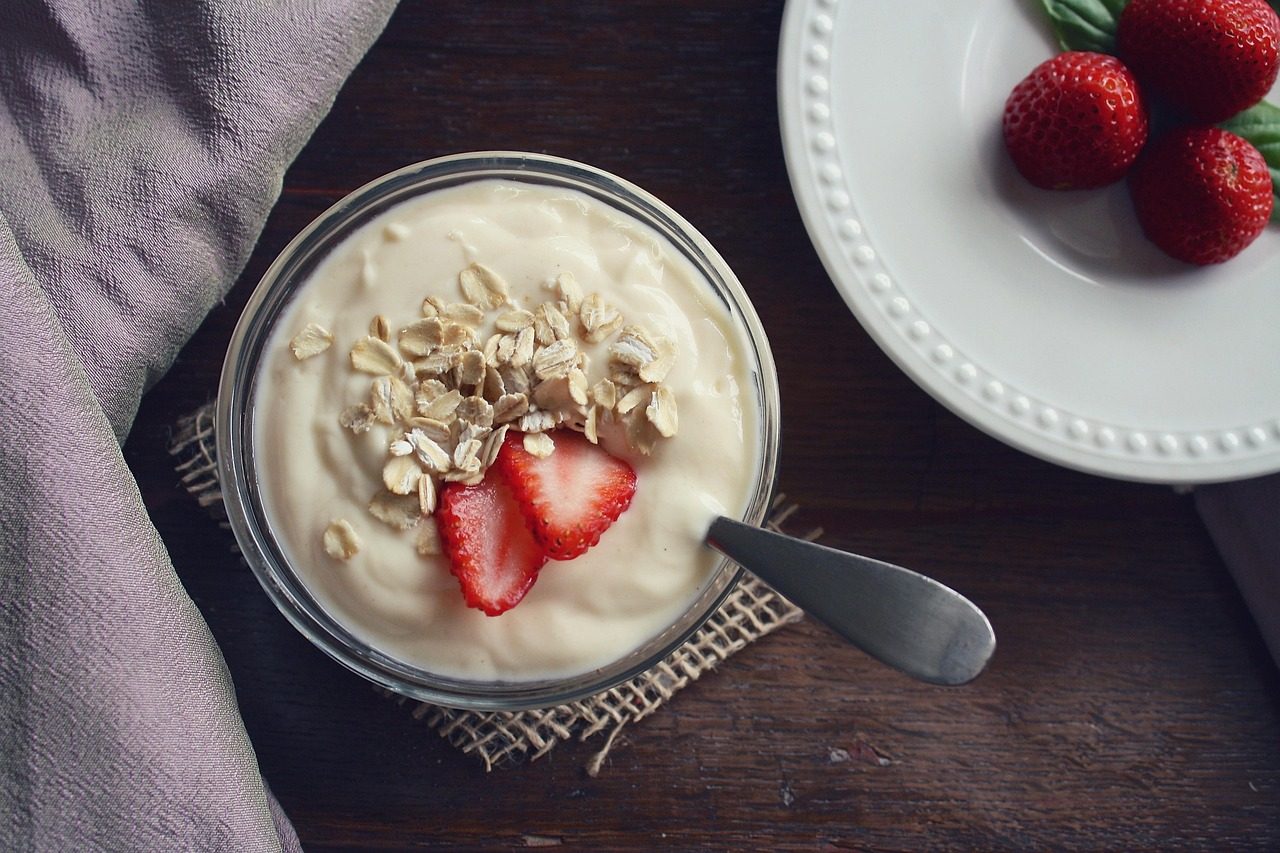
Fat free yogurt is a staple in millions of American refrigerators — whether it’s a Dannon Light + Fit cup, a store-brand tub, or a flavored Yoplait variety. But when you buy too much or catch a sale, you might wonder whether the freezer can save it from going to waste.
The short answer is yes — you can freeze fat-free yogurt, organic yogurt, yogurt cups, squeeze tubes of yogurt, and even plain or flavored varieties swirled with fruit. That said, there are a few important things to know before you load up the freezer, especially with fat free varieties, which behave a little differently than full-fat or Greek options.
Pro Tip: Freeze fat free yogurt before its expiration date for the best results. The closer to fresh, the better the quality after thawing.
Can You Freeze Fat Free Yogurt?
Yes, you can freeze fat free yogurt safely. According to the USDA, “food stored constantly at 0°F will always be safe. Only the quality is affected with lengthy freezer storage.” Freezing preserves food for extended periods because it prevents the growth of microorganisms that cause both food spoilage and foodborne illness.
The bigger question is not whether it’s safe, but how well it holds up. Fat free yogurt freezes less successfully than full-fat varieties. The lack of fat causes separation and a grainy consistency, making it fine for baking but not great for snacking straight from the container. That’s a trade-off worth knowing upfront.
Researchers suggest that the product’s health benefits remain unchanged for at least a few weeks after freezing. So while the texture takes a hit, you’re not losing the nutritional value that makes yogurt worth eating in the first place. If you’re looking to cut down on food waste, freezing is a practical move — just plan to use it in cooked or blended applications after thawing. You can also freeze other dairy products like coffee creamer using similar principles.
Does Freezing Change the Texture or Taste of Fat Free Yogurt?
Texture is where fat free yogurt takes the biggest hit in the freezer. Freezing collapses the protein networks in yogurt. The process releases water that, when frozen, separates from the milk solids. When you thaw it, you’ll notice visible liquid pooling on top and a grainier, thinner consistency than what you started with.
Different brands or yogurt styles will freeze differently, with some producing a more grainy or flaky effect due to the separation of the frozen water content from the milk proteins. Fat free yogurt, which has no fat to help bind the structure, tends to fall on the grainier end of that spectrum. Yogurts with stabilizing ingredients have the most consistent texture when frozen.
On the flavor side, the news is better. Aside from a little enhanced acidic taste due to the freezing process, yogurt’s flavor wouldn’t change much after it’s frozen and thawed. You might have to shake or mix it before consuming to blend the liquids together, restoring the flavor it originally had.
One more piece of good news: the health-boosting live and active bacteria found in yogurt survive freezing. Studies have shown that bacteria survive in the freezer for at least a few weeks. One test-tube study found no significant decline in the amount of bacteria present in yogurt after a 35-day freezing period. Your probiotics are intact — it’s just the mouthfeel that suffers. For more on how dairy and other foods behave in the freezer, check out our guide on freezing fresh watermelon chunks.
Key Insight: If your fat free yogurt contains stabilizers like pectin, xanthan gum, or gelatin listed on the label, it will hold up better in the freezer than brands without them.
How to Freeze Fat Free Yogurt the Right Way
The method you choose depends on how you plan to use the yogurt after thawing. Here are the most practical approaches for US home kitchens:
Method 1: Freeze in the Original Container (Unopened)
Because yogurt is partially liquid, it will expand slightly when you freeze it. You can freeze yogurt in its original container or another airtight container, but be sure to leave 1 to 2 inches of space at the top to prevent the container from bursting. If you’re working with a sealed single-serve cup, place it inside a zip-top freezer bag for extra protection before freezing.
Method 2: Portion Into an Airtight Container
If you’ve already opened a large tub, transfer the yogurt to an airtight container, making sure not to fill it all the way to the top. Just like with any liquid, yogurt will expand a bit once frozen. Dividing a big tub into smaller portions means you only thaw what you need, reducing waste further.
Method 3: Freeze in an Ice Cube Tray
If you’re planning on using your frozen yogurt in smoothies or in pre-made smoothie packs, you can freeze it in an ice cube tray. After the cubes are solid, they can be enjoyed as is or in a smoothie — simply add a few cubes to the blender with the rest of your ingredients. Once the cubes are solid, transfer them to a labeled freezer bag to save space.
Method 4: Freeze as Scoops on a Baking Sheet
Line a baking sheet with parchment paper. Then, using an ice cream scoop, portion the yogurt onto the parchment paper, leaving an inch or two between each scoop. Freeze for 6–8 hours, then remove the frozen yogurt scoops to a freezer container or resealable bag for longer storage. Note that this method works better with thicker Greek-style yogurts — fat free yogurt may spread more on the tray.
No matter which method you use, always label your container with the date. Label your container with the date you’re freezing it and how many days until expiration. This way, when thawing it, you know how many days you have to eat or use it.
Pro Tip: Stir the yogurt thoroughly before freezing to distribute the whey evenly. This gives you a slightly better starting point and can reduce the degree of separation after thawing.
How Long Can You Freeze Fat Free Yogurt?
According to the U.S. Food and Drug Administration, via the USDA, yogurt can be stored in the freezer for one to two months. Although you can technically freeze yogurt for longer than two months from a safety standpoint, quality, taste, and texture will suffer beyond that point.
For fat free yogurt specifically, aim for the shorter end of that window. If you plan on eating the yogurt with a spoon, aim to consume your yogurt freezer stash within 30 days. Beyond that, the grainy texture becomes more pronounced and freezer burn can set in. Keep your freezer set at 0°F (–18°C) or below to maintain food safety throughout the storage period.
| Storage Method | Estimated Shelf Life | Best Use After |
|---|---|---|
| Refrigerator (unopened) | 1–2 weeks | Eating plain or cooking |
| Refrigerator (opened) | 5–7 days | Eating plain or cooking |
| Freezer (any method) | 1–2 months | Smoothies, baking, cooking |
| Freezer (for spoon-eating) | Up to 30 days | Eating with toppings |
How to Thaw Frozen Fat Free Yogurt
Thawing correctly is just as important as freezing correctly, especially for food safety. It’s safest to thaw your yogurt overnight in the refrigerator, as countertop temperatures may cause unsafe bacterial growth. If necessary, you can partially thaw yogurt outside the refrigerator, but it should be eaten or refrigerated within two hours to ensure it remains safe.
The best method to thaw yogurt from the freezer is to put it in a shallow bowl in the refrigerator the night before you plan to use it. If you’re thawing ice cube portions for a smoothie, you can skip thawing entirely — smoothies don’t require the yogurt to be thawed beforehand. Just pop the yogurt ice cubes into the blender with the other ingredients.
Once thawed, give the yogurt a good stir. Thawed yogurt will inevitably have a different texture since freezing adds moisture to it. To give it a smoother texture after it’s defrosted, you can insert a single whisk from a hand blender in the container and mix it at the lowest speed. This won’t fully restore the original creaminess, but it helps reincorporate the separated liquid.
For food safety, be sure to check the expiration date. Yogurt that has been frozen before its expiration date can still be eaten as long as you eat it immediately after thawing it. Don’t let thawed yogurt sit in the fridge for days — use it promptly.
Can You Refreeze Fat Free Yogurt After Thawing?
No — refreezing thawed yogurt is not a good idea. Once yogurt has been thawed, do not freeze it again. Each freeze-thaw cycle causes additional protein network breakdown, making the texture progressively worse. More importantly, refreezing raises food safety concerns by allowing bacteria to cycle through temperature danger zones.
The best way to avoid this situation is to freeze in small, single-use portions from the start. Before placing yogurt in the freezer, consider portioning it into individual servings. This makes it easier to thaw only the amount you need without having to defrost the entire batch. Ice cube trays and small airtight containers are your best tools for this. You can apply the same portioning logic when you freeze applesauce or other soft, liquid-based foods.
Important Note: Never refreeze yogurt that was thawed at room temperature for more than two hours. Discard it instead.
How to Use Frozen Fat Free Yogurt (Best Uses After Freezing)
Thawed fat free yogurt works best when its texture is hidden or irrelevant to the final dish. Here are the most practical ways to put it to use:
- Smoothies: Smoothies are a go-to for using yogurt after freezing — and with fat free yogurt cubes, you skip the ice and get a protein boost at the same time. Blend directly from frozen.
- Baked goods: Baked recipes don’t need the texture of yogurt to be perfect, so they’re a great yogurt freezer option. Just give the yogurt a quick stir before using it, and you’re good to go. Muffins, pancakes, quick breads, and yogurt cakes all work well.
- Marinades: Impress your friends and family with flavorful and tender meat by marinating it in yogurt. The tangy acidity tenderizes chicken or pork beautifully, and the grainy texture disappears once it’s coating the meat.
- Dips and sauces: After thawing yogurt, you may combine it with other condiments to make tasty sauces, dips, or spreads for your meal. Think tzatziki-style dips, ranch-adjacent dressings, or a base for a creamy pasta sauce.
- Frozen yogurt pops: One of the best ways to use up yogurt that’s nearing its expiration date is to freeze it into a delicious treat. Making frozen yogurt pops is easy and a fantastic way to prevent food waste while creating a healthy snack.
- Oatmeal topping: Stir thawed fat free yogurt into warm oatmeal for a protein-rich breakfast — the heat and mixing mask any graininess completely.
For more ideas on working with frozen and thawed foods in creative ways, see our posts on freezing jam without pectin and freezing store-bought applesauce.
Signs That Frozen Fat Free Yogurt Has Gone Bad
Frozen yogurt can go bad, even in the freezer. Before using any previously frozen yogurt, run through these checks:
- Unusual smell: Mold, unusual discoloration, a rancid smell, or a clumpy or slimy texture are stronger signs of spoilage than simple tartness alone. A slightly more tart smell after freezing is normal — a rotten or rancid odor is not.
- Visible mold: Mold or yeast growth can be green, blue, gray, or white in color. If you see any strange color that is not supposed to be there, discard the yogurt.
- Slimy or ropy texture: The proteins in dairy products can start breaking down over time, causing a slimy texture. If your yogurt develops a ropy, mucus-like consistency or seems abnormally viscous, it has likely gone bad.
- Excessive liquid that won’t reincorporate: Another sign is an excess of moisture buildup on top of the yogurt that doesn’t combine when stirred. Although some moisture is normal, if there’s a large amount and it doesn’t blend back into the yogurt, that’s not a good sign.
- Off or bitter taste: Sour, bitter, rancid, or fermented flavors point to yogurt that should be discarded.
Even if it looks fine, yogurt that has been stored too long or improperly handled may be unsafe to eat. When in doubt, it’s best to toss it. The same caution applies to anyone in a higher-risk group — proper refrigeration and careful handling still matter, especially for children, older adults, pregnant people, and anyone with a weakened immune system.
For related food storage guidance, check out our articles on freezing shredded lettuce and freezing fresh uncooked zucchini.
Frequently Asked Questions
Does Freezing Fat Free Yogurt Kill the Probiotics?
Yogurt’s live and active cultures survive the freezing process. Still, you should thaw it in the refrigerator overnight to ensure that it remains safe to eat. The bacteria go dormant in the cold rather than dying, so your gut still benefits.
Can You Freeze Flavored Fat Free Yogurt?
Yes, but with caveats. Plain yogurt is often a little more stable than yogurt with fruit, granola, or other added ingredients, since add-ins can introduce more moisture, sugar, or other elements that may affect shelf life. Flavored fat free yogurt can be frozen, but the fruit pieces or swirls may become mushy or watery after thawing. It’s still usable in smoothies and baking.
Can You Freeze Individual Yogurt Cups Like Yoplait or Dannon?
Individual yogurt cups — such as Chobani, Yoplait, Activia, and Dannon — can be frozen right in their packaging. Fruit-on-the-bottom cups may separate after thawing; stir well before using. Place the sealed cups in a freezer bag for an extra layer of protection against freezer burn.
Is Frozen Fat Free Yogurt the Same as Store-Bought Frozen Yogurt?
No. Store-bought frozen yogurt (the dessert) is churned with sugar and stabilizers. Simply freezing yogurt at home will not give you the same creamy result. Home-frozen yogurt becomes solid and icy rather than soft-serve smooth.
Can You Freeze Yogurt That Is Close to Its Expiration Date?
What’s most important is to freeze before the expiration date. If you freeze pretty close to the date, plan on consuming immediately after thawing. Freezing extends shelf life but does not reset the clock — so the fresher the yogurt going in, the better it comes out. You can read more about how expiration timing affects other freezable foods on our site.
What Is the Best Fat Free Yogurt to Freeze?
Plain fat free yogurt freezes better than flavored varieties. Look for ingredients like pectin (a fruit fiber), xanthan gum (a sugar), and gelatin (a protein), which prevent yogurt from separating in the freezing process. Brands that include these stabilizers on the ingredient label will give you a more workable texture after thawing. Also consider checking out our guide on heart-healthy superfoods if you’re incorporating fat free yogurt into a broader nutrition plan.