
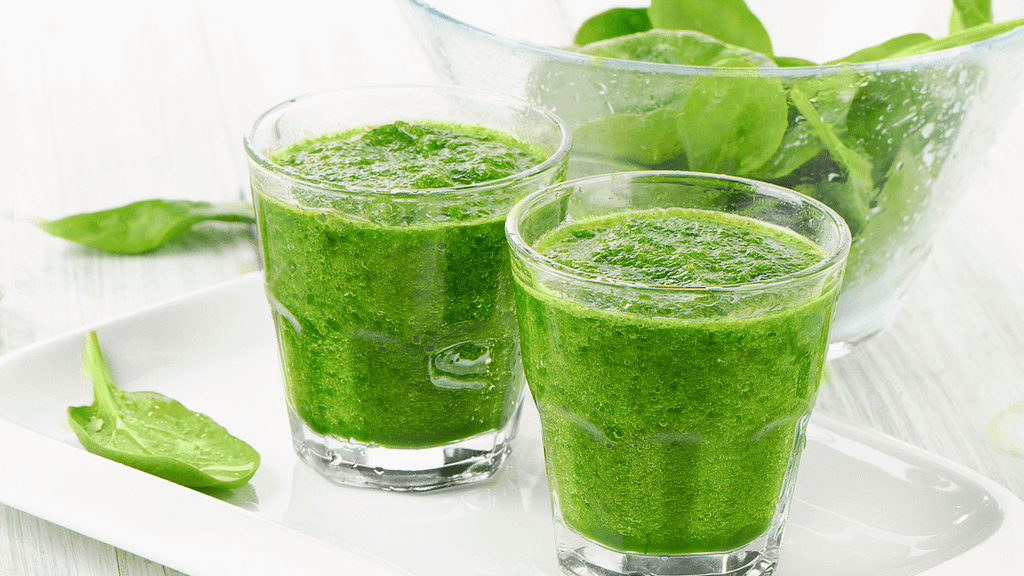
Fresh spinach is one of those vegetables that always seems to go bad before you can finish it. You buy a big bag from Costco or grab a bunch at the farmers market, and within a few days it’s turning slimy in the back of the crisper drawer. Freezing solves that problem entirely.
Yes, you can absolutely freeze spinach — both raw and cooked — and it holds up well for months when stored correctly. Whether you’re tossing it into morning smoothies, stirring it into soups, or folding it into a pasta bake, frozen spinach is one of the most practical things you can keep stocked in your freezer. This guide walks you through every step, from prep to storage to knowing when it’s gone bad.
Can You Freeze Spinach?
Spinach (Spinacia oleracea) freezes well, making it one of the easiest leafy greens to preserve at home. You can freeze fresh spinach leaves without blanching, and it’s an excellent way to minimize produce waste. Both baby spinach and mature bunch spinach work equally well.
Fresh spinach typically stays good for only 3–5 days in the refrigerator, while frozen spinach can last up to 3 months without blanching — or up to 6 months when blanched first. That’s a significant extension, especially if you buy in bulk or grow your own.
Freezing spinach soon after purchase locks in its nutrients, including vitamins A, C, and K, as well as folate and iron. The key is freezing it while it’s still fresh and handling it properly so you don’t end up with a freezer-burned, tasteless block.
Pro Tip: Freeze spinach at its peak freshness for the best results. Wilted or yellowing leaves won’t improve in the freezer — what goes in is what comes out.
Does Freezing Change the Texture or Taste of Spinach?
Texture does change — that’s the honest answer. Fresh vegetables have a very high water content held within rigid plant cell walls that give structure and texture. When you freeze them, the water expands and ice crystals rupture those cell walls, causing thawed produce to be much softer than when it was raw.
The freezing process affects the cellular structure of the leaves, so spinach will not thaw to be crisp like it is when fresh. This means frozen spinach won’t work in something raw like a spinach salad. Plan to use it only in cooked or blended dishes after freezing.
Taste, on the other hand, holds up well. Freezing spinach does not change the taste — you can use it just as you would any cooked spinach. While freezing can slightly alter the texture and flavor of spinach, it does not significantly reduce its nutritional value, making it an excellent option for future meals.
One important note: the enzymes in raw spinach stay active and continue to break down the leaves unless you flash-freeze them at a temperature lower than a household freezer can accomplish. This is why blanching is recommended for longer-term storage — it stops that enzymatic breakdown before it can degrade the spinach.
How to Freeze Spinach the Right Way
There are three practical methods for freezing spinach at home, and which one you choose depends on how long you plan to store it and how you intend to use it. All three start with the same basic prep: wash your spinach thoroughly and dry it as completely as possible before freezing.
Excess moisture is the enemy of frozen vegetables. Pat the spinach leaves dry with paper towels or use a salad spinner to eliminate as much moisture as possible before packing it away. Wet spinach leads to large ice crystals and clumping.
Method 1: Raw Freeze (No Blanching)
This is the fastest approach and works great if you plan to use your spinach within 1–3 months, primarily for smoothies. Place dried spinach leaves into a freezer bag and arrange them in as even a layer as you can. Seal the bag most of the way, then press out as much of the excess air as you can before sealing it the rest of the way. Freeze flat.
Store in the freezer for up to 1 month for the best quality without blanching. Fresh frozen spinach is best used within 3–4 months, after which it may run the risk of becoming freezer burned as time goes by.
Method 2: Blanch Before Freezing
Blanching is the better option if you want your spinach to last longer and hold more of its color. Blanching helps prevent enzymatic reactions that lead to decay and discoloration. Here’s how to do it:
- Bring a large pot of water to a rolling boil. Fill a large bowl with ice water and set it near the stove. Drop large handfuls of spinach into the boiling water, stir to fully submerge the leaves, and cook until all the spinach is bright green, about 2 minutes. Scoop it out with a large slotted spoon and shock it with a dunk into the ice water.
- Squeeze the excess water out of the spinach thoroughly, then measure it out and transfer to a freezer-safe bag.
- Press out all remaining air, seal the bag, label it with the date, and freeze flat.
One pound of spinach will wilt down to about 1 cup when blanched — so plan accordingly when portioning for recipes. To keep as much nutrition in the leaves as possible, you can also steam-blanch spinach by placing it in a steamer basket above the boiling water and steaming for two minutes.
Method 3: Freeze as a Puree
If you want to use your spinach in smoothies or as a base for recipes, blend it up and freeze the spinach puree. Blend your washed and dried fresh spinach leaves along with water — about 1/4 cup of water for 15 oz of spinach.
Pour the spinach puree into ice cube trays and freeze for at least 3 to 4 hours until the cubes set. Then transfer the cubes to a freezer-safe bag and return them to the freezer. Each cube gives you a pre-measured portion that goes straight into the blender.
Pro Tip: Label every bag with the date you froze it. Spinach all looks the same once frozen, and it’s easy to lose track of how long a bag has been sitting in the back of your freezer.
Spinach is just one of many whole plant-based foods worth keeping stocked for easy, nutritious meals. If you’re interested in how spinach fits into a broader healthy-eating strategy, check out this guide to superfoods for a healthy heart.
How Long Can You Freeze Spinach?
Storage time depends on your freezing method. Here’s a clear breakdown:
| Method | Recommended Storage Time | Notes |
|---|---|---|
| Raw, unblanched | 1–3 months | Best for smoothies; risk of freezer burn increases after 1 month |
| Blanched and frozen | 3–6 months | Better color and texture retention; ideal for cooked dishes |
| Pureed and frozen | 3–4 months | Convenient for smoothies and sauces |
| Vacuum-sealed and blanched | Up to 12 months | Best long-term option; use within 9–12 months for best quality |
Spinach can be frozen for 10–12 months when packaged properly. The key is removing as much air as possible and using freezer-safe containers or bags. For best quality, use frozen vegetables within 8 to 12 months — this is a quality issue rather than a food safety issue.
A consistently low storage temperature of 0°F (-18°C) is important for inhibiting spoilage, and temperature fluctuations can accelerate degradation. Avoid storing spinach near the freezer door, where temperatures fluctuate most.
Spinach is rich in nutrients that support everything from fibroid healing to healthy eyesight — freezing it means you always have access to those benefits, even when fresh spinach isn’t on hand.
How to Thaw Frozen Spinach
The right thawing method depends on what you’re making. For many recipes, you don’t even need to thaw at all.
Fresh frozen spinach doesn’t need to be thawed before use. It works great added frozen to smoothies and will heat up and cook right when added to soups or skillet meals. You will want to thaw it in the refrigerator before making something like a spinach pesto sauce.
When you do need to thaw it, here are your three options:
- Refrigerator (best method): Begin the thawing process approximately 8 hours before you need it. Place it in the refrigerator and let it sit for around 6 to 8 hours, depending on spinach leaf size. This is the safest method and the only one that allows refreezing.
- Cold water bath (faster): Fill a container with enough cold water to fully submerge the spinach. If the package floats, place a heavy object on top to keep it submerged. Place the container in the fridge and check on it after approximately 30 minutes.
- Microwave (quickest): Remove any plastic packaging and place your frozen spinach on a microwave-safe dish. Cover it with a microwaveable paper towel to absorb excess moisture. Use the Defrost setting for 2 to 3 minutes for a pound of spinach.
No matter which method you use, thaw the spinach overnight in the fridge or in a bowl of cold water, then squeeze out excess moisture before adding it to your recipe. Excess water can make soups watery and dips runny.
Important Note: Never thaw spinach on the counter at room temperature. According to the University of Minnesota Extension , food must be kept at a safe temperature during thawing to prevent bacterial growth in the “Temperature Danger Zone” of 41°F to 135°F.
Can You Refreeze Spinach After Thawing?
Technically yes, but with important caveats. To safely refreeze, the thawed product must have been kept cold at 40°F or below for no more than 3–4 days. Put the food in the coldest part of the freezer, mark it with the date, and use it within 2 to 3 months. If food is completely thawed, warmed to room temperature, or left out of the refrigerator for more than 2 hours, throw it out.
The primary concern with thawing and refreezing is that while the food is thawed, bacteria already within it can multiply. When you put the food back in the freezer, it can spoil or already be spoiled in ways you may not notice until you’ve consumed it.
It is generally unsafe to refreeze spinach that has already been thawed with the cold water or microwave methods, as the internal temperature will border the bacterial danger zone. Only spinach thawed in the refrigerator is a candidate for refreezing.
The smarter long-term solution is to avoid the need to refreeze in the first place. When initially freezing the spinach, portion it into single-use amounts so that whatever you pull out of the freezer is just enough and you won’t need to worry about refreezing. Many vegetables are safe to refreeze, but they lose much of their texture, flavor, and appearance even if ice crystals are still present. You may want to cook the thawed spinach and eat it right away, or add it to soup or stew and freeze the soup to eat later.
How to Use Frozen Spinach (Best Uses After Freezing)
Once spinach has been frozen and thawed, forget about salads — but almost everything else is fair game. Frozen spinach is limp and soft when thawed and unsuitable for salads, but it works perfectly in cooked dishes, smoothies, and baked recipes.
Here are the best ways to put frozen spinach to work:
- Smoothies: No need to thaw — just add the frozen leaves right from the freezer to your blender when making smoothies. Spinach puree cubes work especially well here.
- Soups and stews: Add to a soup or stew frozen — there’s no need to thaw — though the leaves may add some extra liquid. Stir in toward the end of cooking.
- Pasta dishes: Mix thawed and squeezed spinach into pasta sauces, lasagna, or stuffed shells for added nutrition without changing the flavor much.
- Eggs: Fold thawed spinach into your scrambled eggs or omelets for a healthy breakfast.
- Dips and casseroles: Frozen spinach also works well in soup or stock, stir-fry, dips, quiche, and pasta dishes.
- Rice and grains: Toss spinach cubes into sauces or stews, or add them when cooking rice, quinoa, or barley.
Spinach is a nutrient powerhouse that pairs well with other health-supporting foods. Learn more about powerful nutrients and foods that fight cancer and how spinach fits into a liver-supporting diet. It also appears on the list of foods that promote healthy skin, thanks to its vitamin and antioxidant content.
Pro Tip: Always squeeze thawed spinach in a clean kitchen towel or paper towels before adding it to dips, quiche, or casseroles. Excess moisture can waterlog your dish and ruin the texture.
Signs That Frozen Spinach Has Gone Bad
Frozen spinach doesn’t last forever, and knowing when to toss it saves you from a disappointing meal — or worse. Here are the key warning signs to check before using it:
- Slimy or excessively mushy texture: Spoiled spinach often becomes slimy or excessively mushy once thawed. This change in texture indicates deterioration.
- Off or sour smell: An off or sour smell is a strong indicator that the spinach is no longer good to eat. If the spinach smells sour, musty, or otherwise unpleasant, it’s likely spoiled.
- Freezer burn: Freezer burn appears as dry, whitish or grayish patches on the surface of the spinach — a sign of dehydration and oxidation. While freezer burn doesn’t make spinach unsafe to eat, it will affect the texture and flavor. The affected areas will be tough and tasteless.
- Color change: If spinach has an off odor, slimy texture, or significant color change like dark brown or black spots, discard it. These are indications that the spinach has gone bad and could pose a health risk if consumed.
- Large, hard clumps: Excessively large, hard clumps suggest that the spinach has thawed and refrozen, which affects its quality and can promote bacterial growth.
- Damaged packaging: Check the packaging for tears, holes, or signs of thawing and refreezing. Damaged packaging can compromise the integrity of the frozen spinach and allow air and moisture to enter.
When in doubt, throw it out. While frozen spinach can last a long time, it’s best to use it within 8–12 months for optimal quality. After this time, it may start to lose its flavor and texture.
Frequently Asked Questions
Do You Have to Blanch Spinach Before Freezing?
No — blanching is optional but recommended for longer storage. Blanching is often recommended before freezing to retain color and nutrients for extended storage, but spinach is just fine in terms of color and texture without blanching if you plan to use it within a month or two. For smoothies especially, raw freezing works perfectly.
Can You Freeze Baby Spinach?
Both regular and baby spinach — whether bagged or packaged in a bunch — work for the purposes of freezing. Baby spinach is already trimmed and requires no extra prep beyond washing and drying.
Does Frozen Spinach Retain Its Nutrients?
Frozen spinach retains most of its nutritional value, including iron, vitamins A and C, and folate. Blanching before freezing preserves nutrients better than slow degradation in the fridge. Both cooked and raw spinach contain the same fiber, protein, potassium, magnesium, and iron, though cooked spinach loses some heat-sensitive nutrients like vitamin C.
How Do You Keep Frozen Spinach from Getting Freezer Burn?
Freezer burn happens when freezer bags aren’t sealed properly and food is exposed to air. Press out as much excess air as you can when sealing — you can seal a bag almost completely, stick a straw through the opening, suck out all the air, and then seal it tightly. A vacuum sealer offers even better protection for long-term storage.
Can You Freeze Cooked Spinach?
Yes. Cooked spinach compacts down into smaller balls, so it takes less space in the freezer than raw spinach. Portion it into golf ball-sized rounds or freeze in ice cube trays, then transfer the frozen portions to a labeled freezer bag. Use within 3–4 months for best quality.
How Long Does Thawed Spinach Last in the Fridge?
After thawing spinach, it’s best to use it within 1–2 days, especially if it has been kept in the refrigerator. Thawed spinach should be kept refrigerated at all times. The ideal temperature range is between 32°F (0°C) and 40°F (4°C), where the growth of bacteria is slowed down to preserve quality and safety.