Can You Freeze Ketchup? What Actually Happens and How to Do It Right

November 10, 2026
Ketchup is one of those condiments that seems to last forever — until you suddenly have three half-used bottles taking up fridge space, or a bulk buy you can’t get through in time. If you’ve ever wondered whether the freezer is a viable option, the short answer is yes. Ketchup, whether store-bought or homemade, can absolutely be frozen, like many condiments — except those that contain dairy.
That said, freezing ketchup comes with a few trade-offs worth knowing before you toss a glass bottle into the freezer and walk away. This guide covers everything you need: what freezing does to ketchup’s texture and taste, the right way to freeze it, how long it keeps, how to thaw it, and when it’s time to toss it. Whether you’re managing a bulk buy or trying to cut down on food waste, you’ll have a clear plan by the end.
Can You Freeze Ketchup?
Ketchup is one of the best condiments to freeze because it keeps so well at extremely low temperatures. As a staple condiment, most households have bottles of ketchup in the pantry, and you can extend the shelf life of ketchup that is nearing its expiry date by freezing it.
Ketchup has a long shelf life due to its high vinegar and sugar content, which act as natural preservatives. One of its base ingredients is vinegar, which is naturally resistant to the growth of bacteria — it’s partly this that makes ketchup store so well. Because of this, freezing is rarely a necessity, but it’s a practical option when you’re dealing with a surplus or buying in bulk.
If you find yourself tossing bottles more frequently than you’d like because you can’t remember when you opened them, or if you like to buy ketchup in bulk, freezing can give you some peace of mind. Both store-bought and homemade varieties freeze well, though homemade ketchup benefits from freezing more since it lacks commercial preservatives.
Pro Tip: Homemade ketchup only lasts about three weeks in the fridge. If you’ve made a big batch, freeze the excess right away rather than waiting until it’s close to going bad.
Does Freezing Change the Texture or Taste of Ketchup?
Freezing does affect ketchup — but how much depends on how you plan to use it after thawing. The texture suffers most in the freeze, thanks to water expansion damaging pectin and cell structures. Thawed ketchup separates and turns watery. This is a normal result of ketchup’s high water content, not a sign that something went wrong.
Once thawed, some of the flavor might be a bit muted, but if you’re okay with your ketchup’s characteristic tang being a little less vibrant, then by all means. Consistency-wise, that ketchup will likely be more watery once thawed — it’ll definitely be different from a non-frozen, just-opened bottle.
However, a texture change will hardly be noticeable when you are throwing together some homemade barbecue sauce or making meatloaf for dinner. Whether you like thawed ketchup for dipping is ultimately a matter of personal preference.
The good news is that separation is easy to fix. By the time it’s defrosted, the ingredients will start separating and the consistency is not the same as a freshly opened bottle of ketchup — but if this is the case, give the defrosted ketchup a good stir to incorporate the ingredients.
How to Freeze Ketchup the Right Way
The method you choose depends on how much you’re freezing and how you plan to use it. There are two main approaches: freezing in a container and freezing in individual portions using an ice cube tray.
The most important rule first: avoid glass bottles. Ketchup can be frozen in its original packaging as long as it is a plastic or squeezy bottle. Ketchup has a high water content, meaning it will expand as it freezes, which could cause glass bottles to explode in the freezer.
If your ketchup is already in a plastic squeeze bottle, you can freeze it as-is with minimal prep. Just to be on the safe side, remove some of the ketchup from the bottle before freezing it. Doing so will allow plenty of room for the ketchup to expand when frozen.
For more flexible, portion-friendly storage, the ice cube tray method is the smarter choice:
- Clean your ice cube tray or silicone mold thoroughly and make sure it’s dry.
- Pour the ketchup into the slots of the tray. Only fill each slot halfway to allow room for the ketchup to expand during freezing.
- Wrap the entire ice tray with a cling wrapper and place the tray of ketchup into the freezer. Let it sit for about 2–3 hours.
- Once the ketchup is set, pop out the cubes and store them in an airtight container or freezer-friendly plastic bag.
- Label the bag or container with the date before putting it back in the freezer.
Pro Tip: Silicone ice cube trays are ideal for this. You can simply bend the tray slightly and the cubes will just pop out — no need for banging it on the table or any mess.
Similar to most food products, ketchup can be prone to freezer burn, so proper preparation is essential for preserving its flavor and keeping it at the right texture. Removing as much air as possible from storage bags before sealing is one of the best ways to prevent freezer burn.
How Long Can You Freeze Ketchup?
When stored correctly, ketchup will last indefinitely in the freezer. It is such a simple freezing process and there is nothing within the ingredients that would cause the ketchup to go bad. That said, indefinite freezer storage doesn’t mean indefinite quality.
Ketchup will keep indefinitely in the freezer, though as time goes by it might taste less and less flavorful. For the best possible quality, frozen ketchup should be used within six months — so be sure to label the container with the date.
Here’s a quick reference for ketchup storage across different conditions:
| Storage Method | Estimated Shelf Life | Notes |
|---|---|---|
| Pantry (unopened) | Up to 2 years | Store away from heat and light |
| Refrigerator (opened) | 9–12 months | Keep sealed; refrigerate after opening |
| Pantry (opened) | About 1 month | Not recommended for most households |
| Freezer (store-bought) | Up to 6 months for best quality | Safe indefinitely; quality declines over time |
| Freezer (homemade) | Up to 6 months | Lacks preservatives; use sooner |
| Refrigerator (homemade) | About 3 weeks | Freeze excess immediately |
For homemade ketchup specifically, most homemade ketchup should stay fresh in the freezer for up to six months. Any longer and the sauce might start to lose its bright, tangy flavors or thick texture.
How to Thaw Frozen Ketchup
Thawing ketchup is straightforward, and you have a couple of options depending on how much time you have.
The best method is the refrigerator. When you’re ready to enjoy those bright tomato flavors, simply transfer the frozen bag to the fridge to defrost at least 24 hours before using it. This is the safest approach and helps the ketchup thaw evenly without any risk of partial cooking.
If you’re short on time, take out your desired amount of frozen ketchup cubes, place them in a bowl, and leave them on your kitchen counter to thaw. This should take approximately 1–2 hours.
Once thawed, don’t skip the stirring step. The sauce will go towards the bottom and the water will float to the top. If your ketchup has separated, just take a spoon and give it a good stir until all ingredients are perfectly mixed.
If the ketchup still seems too thin after stirring, you can thicken thawed ketchup by simmering it in a pot over low heat until the moisture is evaporated. This works especially well if you’re using it in a cooked recipe rather than as a straight condiment.
Important Note: Avoid thawing ketchup in hot water. Exposing it to high heat during thawing can partially cook the sauce and change its texture and taste in unpredictable ways.
Can You Refreeze Ketchup After Thawing?
Technically yes, but it’s not a great idea. Constant refreezing may cause the ketchup to become extra watery or runny, so beware of how frequently you do this. Each freeze-thaw cycle causes more water to separate from the solids, and after multiple rounds, the texture can become noticeably degraded.
The great thing about freezing ketchup in small portion sizes is that rather than taking the whole thing out and thawing it — after which refreezing it would be inadvisable — you can take out and defrost just what you need. This is exactly why the ice cube tray method is so useful. You pull out only what you need, thaw it, use it, and the rest stays frozen and untouched.
If you did thaw a larger batch and have leftovers, store them in the fridge and use them within two weeks rather than refreezing. Store thawed ketchup in the fridge in an airtight container for up to two weeks.
How to Use Frozen Ketchup (Best Uses After Freezing)
Once thawed, ketchup works best in applications where the slight change in consistency won’t matter. Cooked and blended recipes are where it really shines, since any wateriness gets absorbed into the dish during cooking.
- Barbecue sauce: Thawed ketchup is a natural base for homemade BBQ sauce. The slightly thinner consistency actually blends well with other ingredients like brown sugar, apple cider vinegar, and smoked paprika.
- Meatloaf and meatballs: Ketchup is a classic ingredient in both the mix and the glaze. Texture differences are completely unnoticeable once baked.
- Marinades: Mix thawed ketchup with garlic, Worcestershire sauce, and a splash of vinegar for a quick marinade for chicken or pork.
- Sloppy Joes and Chili: Both are forgiving recipes where ketchup adds sweetness and body. The extra liquid from thawing can actually help loosen the sauce.
- Soups and stews: A tablespoon or two of thawed ketchup adds depth to tomato-based soups, beef stew, or vegetable chili without any noticeable texture issues.
- Homemade dipping sauces: Blend thawed ketchup with mayo, hot sauce, or mustard for a quick fry sauce or burger spread.
If you want to use thawed ketchup as a straight dipping condiment — say, for fries or chicken nuggets — give it a thorough stir first and taste it. A texture change will hardly be noticeable when you are throwing together homemade barbecue sauce or making meatloaf. Whether you like thawed ketchup for dipping is ultimately a matter of personal preference. Some people don’t notice a difference; others prefer to reserve thawed ketchup strictly for cooking.
For more ideas on whole plant-based foods that pair well with homemade condiments, or if you’re looking to upgrade your cooking with nutrient-rich ingredients, ketchup made from quality tomatoes fits naturally into a health-conscious kitchen.
Signs That Frozen Ketchup Has Gone Bad
Frozen ketchup is remarkably stable, but it’s not immune to quality loss — especially if it wasn’t stored properly or has been in the freezer for a very long time. Before using any thawed ketchup, run through these checks:
- Mold: If you see fuzzy spots or slimy film floating on top, it’s done — toss it.
- Off smell: Ketchup turning dangerous gives off unpleasant, rotten odors. If it smells funky, pitch it immediately.
- Color changes: Look for unnatural colors like dull brown, graying, or black flecks — these signal that quality has significantly degraded.
- Sourness: Fresh ketchup should taste sweet and tangy. Sourness suggests spoilage.
- Metallic flavor: A tinny, chemical taste means the ketchup has oxidized and quality has degraded.
- Freezer burn: Ice crystals inside the container are a sign of freezer burn. The ketchup may still be safe but will taste flat and dry.
Normal separation and wateriness after thawing are not signs of spoilage — those are expected. While some separation is normal, excessive watery texture signifies that the ketchup’s consistency has been compromised. If stirring doesn’t bring it back to a usable state and the smell or color seems off, it’s safer to discard it.
The best-by date on ketchup bottles provides a guideline for its anticipated shelf life. While ketchup can remain good past this date, especially if unopened, the presence of any of the previously mentioned signs should override the date printed on the packaging.
Paying attention to what you eat matters beyond just freshness. If you’re interested in how specific foods affect your health, explore our guides on foods to avoid for better health and foods that support liver function.
Frequently Asked Questions
Can You Freeze Ketchup Packets?
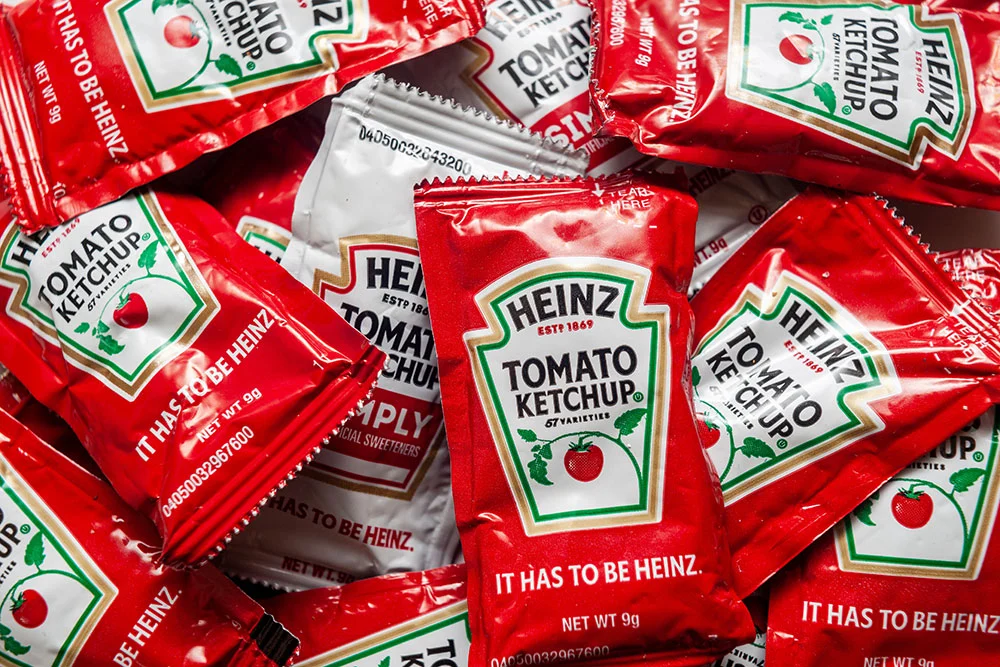
If you were wondering whether you could freeze those McDonald’s ketchup packets that come with your takeout burger and fries, the answer is yes. Once frozen, those little packets make great miniature ice packs for lunch boxes — a handy bonus use beyond just eating them.
Does Ketchup Need to Be Refrigerated After Opening?
Ketchup has a pretty great shelf life on its own — once opened, it can last up to six months in the fridge, and yes, it should be kept refrigerated. According to Mashed , to keep it at its best quality for the longest, you’ll want to refrigerate it after opening, where it will keep its quality for nine to twelve months.
Is Homemade Ketchup Safe to Freeze?
Yes. While some might expect homemade ketchup to not last nearly as long as the pre-bottled varieties, there’s a lot you can do to extend the shelf life of homemade condiments — including freezing them. Just note that homemade ketchup only lasts about three weeks in the fridge, so freezing sooner rather than later is the smarter move.
Can You Freeze Ketchup in a Glass Bottle?
No. If you bought ketchup in a glass bottle, you’re better off transferring it to an airtight, freezer-safe plastic vessel. The reason is that ketchup is primarily liquid, and because water expands when it freezes, the bottle could shatter. Always transfer glass-bottled ketchup before freezing.
Why Does Thawed Ketchup Look Watery?
Since tomatoes are 95% water, the ketchup may be a thinner consistency once defrosted. This is completely normal. Stir the thawed ketchup thoroughly before using it, and if it’s still too thin for your liking, simmer it briefly on the stovetop to reduce the excess moisture.
Should You Freeze Ketchup at All?
It depends on your situation. Ketchup already lasts for a decent amount of time unopened on the shelf or opened in the fridge, so it’s best just to refrigerate it if you plan to finish it off in a year. However, if you’ve opened up a container of ketchup that’s too big for you to consume in a year, freezing might be a viable option to prevent wasting it. For homemade ketchup or bulk purchases, freezing makes clear sense.
Managing your pantry and freezer wisely is part of a healthier, more intentional approach to food. If you want to keep exploring smart food choices, check out our articles on superfoods for a healthy heart and foods that promote healthy skin for more practical guidance on eating well.