Can You Freeze Jalapeño Peppers? Everything You Need to Know

November 9, 2026
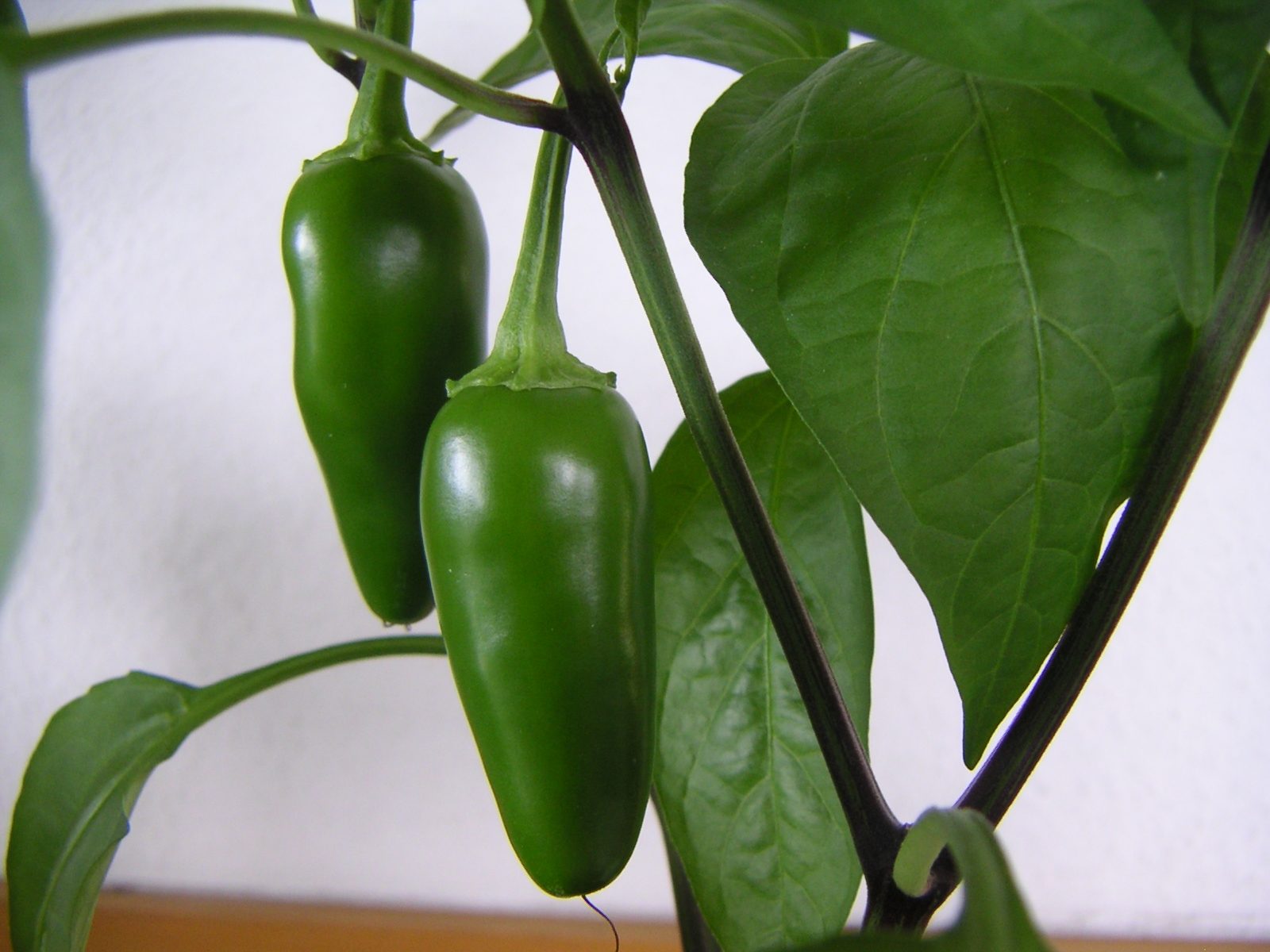
Jalapeños are one of those ingredients that always seem to arrive in abundance — a bumper crop from the garden, a bulk bag from the farmers market, or a grocery store buy that was too good to pass up. The good news is that freezing them is one of the easiest and most effective ways to make that haul last for months. You won’t need any special equipment, and the process takes just a few minutes of hands-on time.
Whether you grow your own or stock up at the store, this guide walks you through everything: how freezing affects flavor and texture, the right way to prep and store them, how long they keep, and the best dishes to make once they come out of the freezer.
Can You Freeze Jalapeño Peppers?
The short answer is yes — and it works remarkably well. Peppers can easily be frozen and they don’t need any pre-treatment. That means no blanching, no special brine, and no complicated prep. You can freeze them whole, sliced, or diced, depending on how you plan to use them later.
Jalapeños (Capsicum annuum) are a variety of chili pepper prized for their moderate heat and versatility in American cooking, from salsas and nachos to chilis and cornbread. Jalapeños are chili peppers that originated in Mexico. They are typically green with mild to medium heat, measuring between 2,500 and 8,000 on the Scoville scale — above bell peppers or poblanos but below hotter peppers like serranos.
Freezing is a quick and easy option and works especially well for jalapeño peppers or any other variety of pepper. If you’re worried about losing that signature kick, don’t be — the heat holds up well through the freezing process.
Pro Tip: Always freeze jalapeños at peak freshness. Don’t select moldy or soft jalapeños to freeze since these won’t hold up well over time. Those with blemishes and holes are not a good idea either. Stick to fresh, ripe, and healthy jalapeños that will hold onto more of that texture and taste after their time in the freezer.
Does Freezing Change the Texture or Taste of Jalapeño Peppers?
Freezing does change the texture of jalapeños, and it’s worth knowing what to expect before you thaw a bag for fresh salsa. You will notice a change in the texture. The slices will be softer and the seeds may have turned brown. This won’t affect the flavor, and you won’t notice the texture unless you use them in a recipe that doesn’t get cooked.
The good news is that the flavor and heat stay largely intact. Although frozen peppers lack the crispy texture of fresh peppers, they maintain their flavor and heat level for up to a year. So your chili, soup, or hot sauce will taste just as good made with frozen jalapeños as with fresh ones.
Does freezing jalapeños make them hotter? No. The heat level is affected more by the seeds and ribs than the process of freezing them. If you remove the membranes and seeds before freezing, the thawed peppers will be milder. Leave them in, and you’ll get the full heat.
| Quality Factor | Fresh Jalapeños | Frozen and Thawed Jalapeños |
|---|---|---|
| Texture | Firm and crisp | Softer, less crisp |
| Flavor | Bright and fresh | Well preserved |
| Heat Level | Full heat | Retained (heat unchanged by freezing) |
| Best Use | Raw salsa, nachos, garnishes | Soups, sauces, cooked dishes, poppers |
How to Freeze Jalapeño Peppers the Right Way
The method you use depends on how you plan to cook with the peppers later. You have three main options: freeze them whole, sliced, or diced. Each has advantages, and you can even do a mix of all three in one session.
Step 1: Wash and Dry Thoroughly
Always start with washing and thoroughly drying your peppers. Excess moisture on the surface leads to ice crystals, which speeds up freezer burn. Pat them dry with a clean kitchen towel or paper towels before moving on.
Step 2: Decide on Whole, Sliced, or Diced
For jalapeños, there are two popular options for freezing. Which method you choose will depend on how much freezer space you have and how you plan to use the peppers in the future.
- Whole: Jalapeño peppers are small enough to be frozen whole. This is the fastest method and works well if you plan to make stuffed jalapeños or poppers later.
- Sliced: For sliced jalapeños, cut them crosswise into circles. These are easy to toss directly into cooked dishes from frozen.
- Diced: If freezing them diced, cut them in half lengthwise, then remove the membranes and seeds. Cut the halves into strips and then into diced pieces. Diced peppers are the most versatile for everyday cooking.
Removing the seeds and membranes before freezing is a good idea, but you can certainly leave them if you prefer. The peppers will be spicier if you keep the membranes especially. Wear gloves during this step — capsaicin, a compound found in jalapeños, can cause skin irritation.
Step 3: Flash-Freeze on a Baking Sheet
This step prevents your peppers from freezing into one solid clump. To avoid your peppers sticking together while frozen, place a single layer of whole jalapeños or sliced jalapeños on a baking sheet or cookie sheet lined with parchment paper. Place them in the freezer and leave them for one to two hours.
You can skip this step for whole jalapeños since fresh whole peppers can just go straight into a container or bag — they won’t stick together.
Step 4: Transfer to Freezer Bags and Remove Air
Normal, thin plastic baggies will technically work, but they allow more air particles through to your peppers over time. Instead, use freezer bags, which are designed for long-term freezer storage. To avoid freezer burn on your peppers, remove all of the air possible from the freezer bags before sealing and placing them in your freezer.
One handy trick: for removing the air from the bag, you can get more out by submerging the bags in a pot of water. Leave a small corner of the filled bag open and submerge it underwater. This will press all the air out. Then, seal the bag fully and remove it from the water. Just be sure to dry it off before popping it in the freezer.
Pro Tip: Skip silicone bags for this job. Silicone bags are not recommended for jalapeños because the spicy compound capsaicin can rub off on the silicone and be difficult to remove. Keep jalapeños in plastic bags or freezer-safe glass to prevent lingering jalapeño on your containers.
Step 5: Label and Freeze
Label the bags or containers with the date so you can keep track of how long they’ve been stored. Lay bags flat in the freezer to save space and keep the peppers in an even layer for easier portioning later.
If you use diced jalapeños frequently, consider dicing your jalapeño peppers and placing them in ice cube trays for easy removal. Once frozen solid, pop the cubes into a freezer bag for compact, portion-ready storage. You can also read about other whole plant-based foods worth keeping on hand for everyday cooking.
How Long Can You Freeze Jalapeño Peppers?
The answer depends on your storage method. Keep your frozen jalapeños in the freezer for up to a year, although they’ll likely be best within 6 months, especially if you’re using ziplock bags. Vacuum-sealed bags extend quality closer to the 12-month mark.
According to StillTasty , jalapeño peppers that have been kept constantly frozen at 0°F will keep safe indefinitely — the freezer time shown is for best quality only. In practice, though, you should try to use up all of your frozen jalapeños within one year. It is okay to keep jalapeño peppers frozen for longer than a year, though you may begin to notice negative changes in flavor and color.
| Storage Method | Best Quality Window | Safe to Eat Until |
|---|---|---|
| Ziplock freezer bag (whole) | Up to 6 months | Indefinitely at 0°F |
| Ziplock freezer bag (sliced/diced) | Up to 4–6 months | Indefinitely at 0°F |
| Vacuum-sealed bag | Up to 12 months | Indefinitely at 0°F |
How to Thaw Frozen Jalapeño Peppers
The good news here is that you often don’t need to thaw them at all. You don’t need to defrost frozen jalapeños before using them in cooked dishes; simply add the frozen peppers directly to soups, stews, or casseroles. Just break off a chunk and add them into whatever you’re cooking frozen. They’ll thaw in just a couple of minutes in your hot dish.
When you do need to thaw them ahead of time, the fridge is the best option. If you know ahead of time that you will need some jalapeños, you can let them defrost in the fridge overnight. They will release quite a bit of water, so you’ll likely want to use a paper towel to absorb the excess moisture as they thaw.
Remove desired jalapeños from the freezer bag and place on a paper towel or mesh rack to thaw. This will reduce moisture and condensation on the peppers to reduce the likelihood of soggy jalapeños. Once thawed, use them promptly — jalapeño peppers that have been defrosted in the fridge can be kept for an additional 3 to 4 days in the refrigerator before using.
Pro Tip: If you thaw jalapeños in the microwave or under cold running water, use them immediately. Those methods are faster but the peppers won’t hold up for later use.
Can You Refreeze Jalapeño Peppers After Thawing?
Refreezing thawed jalapeños is generally not recommended. Each freeze-thaw cycle breaks down the cell walls further, leaving you with a mushier, waterlogged pepper that loses more of its flavor and heat with each round. The texture — already softer after the first freeze — deteriorates noticeably with a second one.
The best way to avoid this problem is to portion your jalapeños before freezing. If you use a vacuum sealer, make small batches for use throughout the year. That way, you can open a bag and use it all without the need to re-seal. With ziplock bags, just shake out what you need and return the rest to the freezer immediately — simply remove the required amount from your freezer bags, reseal the bags with no air inside, and replace them in your freezer.
If you thawed jalapeños in the fridge and didn’t use them all, your best option is to cook them into a sauce or dish right away rather than refreezing. Check out these foods that start with Q for creative recipe inspiration that pairs well with spicy peppers.
How to Use Frozen Jalapeño Peppers (Best Uses After Freezing)
Fresh jalapeño peppers work best for fresh salsa, nachos, and tacos, but frozen peppers work perfectly in soups, stir-fries, and when making baked jalapeño poppers with cream cheese and other stuffed pepper appetizers. The softened texture actually blends right in with cooked dishes, so you won’t notice any difference.
Here are some of the best ways to put frozen jalapeños to work:
- Soups and stews: Drop them in frozen — no thawing needed. They melt right into the broth and add heat without any extra prep.
- Sauces and salsas: After being frozen, peppers can still be added to cooked salsas to make them taste better. Just drain excess moisture before adding.
- Jalapeño poppers: If you froze them whole, use them for jalapeño poppers or stuffed peppers. The baking process compensates for any softness from thawing.
- Stir-fries and casseroles: These jalapeños can be sauteed with your favorite veggies, stirred into soups or stews, or baked into creamy casseroles.
- Hot sauce: Frozen jalapeños are excellent for homemade hot sauce — blending them removes any texture concerns entirely.
- Eggs and breakfast dishes: Dice them into omelets, breakfast burritos, or scrambled eggs for a morning kick.
Because jalapeños are rich in vitamin C and other antioxidants, adding them to your regular cooking is a simple way to boost nutrition. You can explore more about powerful nutrients and foods that support overall health, or check out how spicy peppers and other plant foods contribute to a healthy heart.
Signs That Frozen Jalapeño Peppers Have Gone Bad
Frozen jalapeños kept at a consistent 0°F are technically safe indefinitely, but quality does decline over time. Here’s what to look for before you use them:
- Freezer burn: White or gray dry patches on the surface of the pepper mean air got in. The peppers are still safe to eat but the affected areas will taste papery and bland. Trim them off before cooking.
- Discoloration: Any significant changes in color, such as dark spots or a dull, faded appearance, can be a sign of spoilage. Some darkening of seeds is normal after freezing, but widespread black or brown patches on the flesh are a red flag.
- Off smell: Bad jalapeños contain a strong sour smell when cutting into the pepper; discard any jalapeño peppers with an off smell. A properly frozen jalapeño should smell like a fresh pepper when thawed.
- Mold: A sour or off smell is a clear indicator that your jalapeños have gone bad. Visible mold growth is a definitive sign that the jalapeños should be discarded.
- Mushy or slimy texture after thawing: Some softening is normal, but if the pepper feels slimy or completely disintegrated, it’s past its prime and should be tossed.
- Dull or lost heat: Your frozen jalapeños won’t go bad if you use them after the recommended window, but you might notice their flavor and heat have dulled. This isn’t a safety issue, but it does affect quality.
Important Note: When in doubt, throw it out. If a thawed jalapeño looks, smells, or feels wrong, don’t taste-test it to decide — discard it and use a fresh batch.
For more on how smart food choices support your overall health, explore our guides on foods that enhance liver function and foods that promote healthy skin.
Frequently Asked Questions
Do you need to blanch jalapeños before freezing?
Can you freeze jalapeño peppers without blanching them? Absolutely. There is no need to blanch them or any type of pepper before freezing. Blanching is optional — it will improve the texture of the thawed peppers by neutralizing an enzyme that encourages the breaking down of the peppers — but it’s not required for safe storage.
Can you freeze jalapeños whole?
Yes. If you have enough space for all your peppers, freezing whole is recommended since it preserves the original shape and avoids problems with oxidization and potential skin irritation. Whole frozen jalapeños are especially useful for stuffed pepper recipes and poppers.
How do you keep frozen jalapeños from clumping?
Lay the jalapeños on a baking sheet lined with parchment paper and place in the freezer until completely frozen. Individually freezing the peppers makes for a better frozen product as it won’t clump together in the freezer bag.
Can you freeze pickled jalapeños?
Technically yes, but it’s not ideal. To freeze canned jalapeño peppers, place them inside covered airtight containers or heavy-duty freezer bags. The texture of canned jalapeño peppers will be softer after freezing and thawing; the thawed jalapeño peppers will be best suited to cooked dishes, such as sauces, soups, and casseroles.
Can you freeze jalapeños from the garden?
Garden-fresh jalapeños are actually the best candidates for freezing because they’re at peak ripeness and flavor. The goal of freezing jalapeños is to preserve your peppers after a large harvest. It is not uncommon for pepper growers to have an abundance of hot peppers at the end of the growing season. Wash, dry, prep, and freeze them the same day you harvest for the best results.
Can you use frozen jalapeños in hot sauce?
Yes — frozen jalapeños work especially well in hot sauce because blending them eliminates any texture concerns. Try to use your frozen jalapeños for home-cooked recipes or for making hot sauce. The peppers are versatile and your options are virtually endless. Just thaw them first and drain any excess liquid before blending.
Freezing jalapeños is one of the most practical food storage moves you can make, especially if you cook with heat regularly or grow your own peppers. With the right prep and proper storage, you’ll have ready-to-use jalapeños on hand for soups, sauces, and everything in between — all year long. For more food ideas and healthy eating inspiration, browse our guides on fibroid healing foods and foods that promote healthy eyesight.