Can You Freeze Jello to Make Popsicles? (Yes — Here’s How)

November 13, 2026
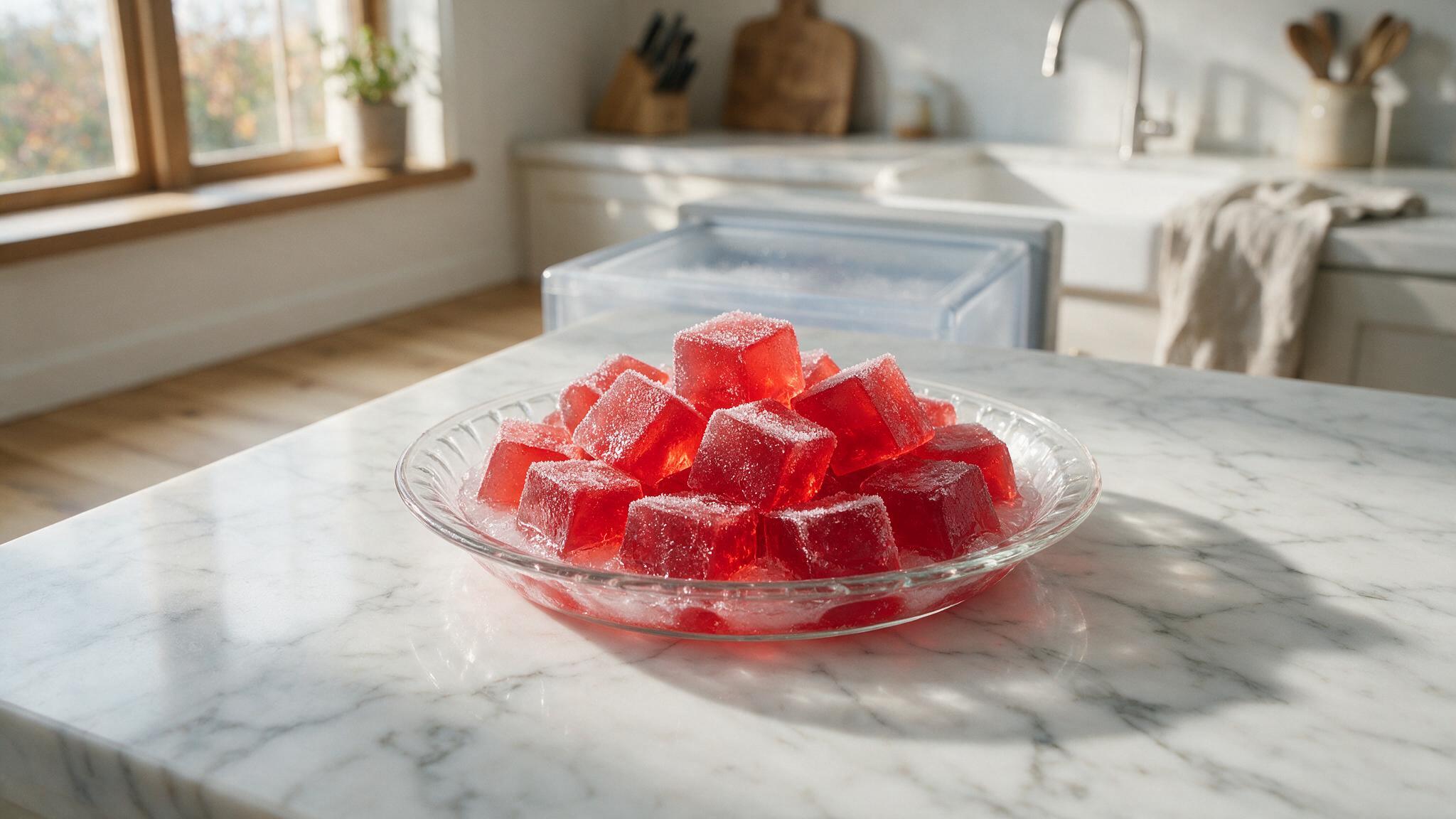
Jello popsicles are one of those classic American summer treats that never go out of style. Whether you grew up eating them at backyard barbecues or you’re making them for your own kids now, the idea is simple: pour Jello mix into a mold, freeze it, and enjoy a fruity, no-drip pop on a hot day.
The short answer is yes — you absolutely can freeze Jello to make popsicles. But there’s an important distinction between freezing already-set Jello and making popsicles from the liquid Jello mixture before it gels. Each approach produces a very different result, and knowing which one to use makes all the difference.
This guide walks you through everything you need to know: how freezing changes Jello’s texture, the right method for making frozen Jello pops, how long they last, and what to do if something goes wrong.
Can You Freeze Jello?
Yes, you can freeze Jello — both as a set dessert and as a liquid mixture poured directly into popsicle molds. Jello can freeze, but freezing breaks the gel, so thawed Jello turns grainy, watery, and loses its smooth wobble. That’s the catch when you freeze already-set Jello and plan to thaw it back to its original state.
For popsicles, though, that’s not a problem at all. Instead of looking to fruit juice or flavored drinks to make popsicles, you can use Jell-O for an unexpected experience that keeps the frozen pop slushie instead of rock hard. The key is to pour the liquid Jello mixture directly into molds before it sets, so it freezes as a pop rather than as a wobbly dessert you’re trying to re-freeze.
If you want to freeze Jello that’s already set into cubes or bites, that works too — just plan to eat them straight from the freezer rather than thawing them back to their original form. If you are open to a different texture, frozen Jello can still be handy — think chewy icy cubes, pops, or a slushy base for drinks and smoothies, rather than a classic dessert.
Does Freezing Change the Texture or Taste of Jello?
Freezing changes the texture of Jello significantly, but it leaves the flavor mostly intact. Freezing Jello does not typically cause it to lose its taste, but it can alter the texture, making it less enjoyable when thawed. So if you’re eating a Jello pop straight from the freezer, you still get that bright cherry or strawberry flavor — it just won’t have the classic jiggle.
Here’s what’s happening on a molecular level: in the freezer, water in the dessert turns into ice crystals. Those crystals push apart the gelatin network and break some of the bonds. Back in the fridge or at room temperature, the ice melts, yet the structure does not rebuild in the same way, so the dessert can turn grainy, watery, or uneven.
When eaten frozen as a pop, though, the texture is actually enjoyable. The texture changes to a less-wiggly, soft, and chewy version of itself with tiny bits of ice sprinkled throughout, but it’s not so hard that it hurts your teeth to bite it. One big bonus: homemade popsicles with Jello are delicious and they do not drip. There is very little work involved in making these homemade popsicles with Jello, but there’s one more thing that makes them perfect — they don’t drip!
Pro Tip: If you want a softer, slushie-like Jello pop rather than a rock-hard one, add a splash of fruit juice or a dollop of Cool Whip to your Jello mixture before freezing. This keeps the texture more pliable straight out of the freezer.
How to Freeze Jello the Right Way
Making Jello popsicles from scratch is straightforward. You need just three ingredients — Jello powder, sugar, and water — plus popsicle molds or paper cups. Here’s the step-by-step process:
- Dissolve the Jello. Stir boiling water into the gelatin and sugar in a medium bowl for about 2 minutes until completely dissolved. It’s important to use boiling water to dissolve the Jello, otherwise your popsicles will be grainy.
- Add cold water. Stir in cold water and mix well. This cools the mixture down so it’s safe to handle and pour.
- Fill your molds. Pour the mixture into popsicle molds, leaving about ½ inch of space at the top of the mold for expansion.
- Insert sticks at the right time. If you are using a mold that doesn’t hold popsicle sticks in place, wait for the Jello to firm up (1–2 hours) and then place the sticks into the popsicles to freeze the rest of the way.
- Freeze fully. Freeze the popsicles for about 8 hours or until very firm. Overnight is the easiest approach — make them before bed and they’ll be ready the next day.
No popsicle molds on hand? No problem. If you don’t have a standard ice pop mold, your next best option is to use paper cups. Place 10 paper cups on a rimmed baking sheet and distribute the popsicle liquid evenly. Cover each cup with a piece of plastic wrap and stick a popsicle stick through the center of the plastic wrap and down into the cup.
Want to get creative with flavors? If you want to layer colors, fill the molds partially with one flavor and place them in the freezer for 1–2 hours until the Jello is set. Then pour on the next layer and repeat until you have filled the mold. This process takes more time, but the layered look and flavor combinations are worth the extra effort. Red and blue Jello layers make a perfect Fourth of July treat.
Pro Tip: You can also mix in small pieces of fresh fruit — like strawberries in strawberry Jello or cherries in cherry Jello — before freezing for an extra burst of flavor and texture in every bite.
How Long Can You Freeze Jello?
Jello popsicles keep well in the freezer when stored properly. Once the Jello popsicles are frozen solid, remove them from the mold and individually wrap them with plastic wrap. Then place them in a large zip-top bag or airtight container and freeze for up to 6 months. Wrapping them individually with plastic wrap will prevent them from sticking together.
For best quality, aim to eat them sooner rather than later. Frozen Jello popsicles can last up to 2–3 months in the freezer when stored in an airtight container or well-sealed push-up sleeves. Beyond that window, flavor can dull and freezer burn becomes more likely.
If you’re freezing already-set Jello rather than popsicles, the timeline is shorter. For most home freezers, one to two months is a practical limit for frozen Jello pops or cubes. After that point, freezer burn, off smells from other foods, and texture changes build up. Always label your containers with the date so you’re not guessing later.
| Frozen Jello Format | Recommended Freezer Life | Best Storage Method |
|---|---|---|
| Jello popsicles (in molds) | Up to 6 months | Individually wrapped in plastic wrap, then in a zip-top bag |
| Jello popsicles (best quality) | 2–3 months | Airtight container or sealed push-up sleeves |
| Frozen Jello cubes/bites | 1–2 months | Freezer-safe airtight container with parchment between layers |
How to Thaw Frozen Jello
For Jello popsicles, thawing is simple: just eat them straight from the freezer. They soften quickly once you start eating them, which is part of what makes them fun. As a Jello pop thaws, it turns into regular old Jell-O. That means even if it takes a while to finish, it won’t leave a sticky puddle on your hand.
To release popsicles from their molds, dip the molds into lukewarm water for a few seconds to help loosen them. For silicone molds, press up from the bottom of the mold. Do not use hot water or you risk melting the popsicle.
If you’ve frozen set Jello in a container and want to thaw it, manage your expectations. Never thaw Jello at room temperature, as this encourages bacterial growth and accelerates separation. Instead, transfer it to the refrigerator 24 hours before serving. For a quicker thaw, place the container in a bowl of cold water, changing the water every 30 minutes.
Important Note: Never microwave frozen Jello to thaw it. Hot water or a microwave can cause uneven melting and further damage the texture.
Can You Refreeze Jello After Thawing?
Refreezing Jello after it has fully thawed is not recommended. Once the ice melts, the structure does not rebuild in the same way, so the dessert can turn grainy, watery, or uneven. For that reason, frozen Jello rarely returns to its original texture after thawing. Refreezing it a second time compounds this problem, leaving you with a watery, separated mess.
For popsicles specifically, refreezing is less of a concern because you’re eating them frozen — not thawing and re-serving them. If a popsicle starts to soften slightly at room temperature and you pop it back in the freezer before it fully melts, it will refreeze fine. The issue arises when the pop has fully melted back into liquid form. At that point, it’s best to just drink it as a flavored liquid or discard it rather than trying to refreeze.
The best approach is to make popsicles in small batches or store them individually wrapped so you only take out what you need. That way, you avoid the refreezing question entirely.
How to Use Frozen Jello (Best Uses After Freezing)
Frozen Jello is most popular as popsicles, but there are several other ways to use it — especially if your set Jello has already been through the freezer and lost its smooth texture.
- Popsicles and freezer pops: The most popular use. Make them in classic molds, push-up sleeves, or paper cups for a no-fuss summer treat. You can find ideas from other food traditions for creative flavor pairings, too.
- Jello bites: Follow the instructions on the box, making your Jello with hot and cold water, and let it set in a rectangular baking dish. Cut it into squares, use a cookie cutter for shapes, or scoop the prepared Jello into balls and lay them out on a flat-surfaced pan to freeze.
- Frozen Jello clouds: Make frozen Jello clouds by adding an 8-ounce container of whipped topping just before the gelatin has completely set (fold it in and don’t overmix). Scoop out dollops on a sheet pan and freeze for at least an hour. The mix won’t completely freeze solid, so you’ll get an airy, fluffy bite.
- Blended drinks and smoothies: One of the easiest options is to blend separated Jello into drinks. Toss cubes into the blender with ice, fruit, and a little juice or yogurt. The broken gel adds body and flavor, and no one sees the uneven texture because the mixture turns smooth.
- Granita-style dessert: Scrape frozen Jello into a shallow dish and rake it with a fork, similar to granita. The crystals fall into bright, fluffy shards that work well as a topping for fruit salad or as a light dessert on their own.
- Trifle mix-in: Chop thawed Jello into small pieces and fold them into a trifle with cake cubes and whipped cream, where the mixed layers hide minor flaws.
For more inspiration on making fun, flavorful treats at home, check out this guide on how to make purple food coloring for custom-colored Jello pops, or explore how to make brown food coloring for unique flavor combinations like chocolate-adjacent shades.
Signs That Frozen Jello Has Gone Bad
Frozen Jello is generally safe to eat as long as it has been stored properly, but it can go bad over time. Here’s what to watch for before you take a bite:
- Off smell: Sour, yeasty, or stale smells mean the dessert should be discarded.
- Mold or unusual spots: Any fuzzy growth, dark specks, or unusual color patches are a clear signal to throw it away.
- Extreme separation after thawing: A thin layer of liquid on top is normal in older Jello, but large pools of cloudy liquid plus soft mushy gel suggest it has sat too long.
- Stale or off taste: If a tiny test bite tastes stale or off, do not keep eating it.
- Freezer burn: White, dried-out patches on the surface of a popsicle indicate freezer burn. The pop is still safe to eat, but the flavor and texture will be noticeably worse.
To avoid these issues, always store Jello pops in airtight containers or individually wrapped in plastic wrap. Food safety guidance from the USDA notes that a household freezer at 0°F (−18°C) or below keeps chilled foods in a safer range. If you’re unsure whether your freezer is cold enough, a simple fridge thermometer will tell you quickly.
For more on keeping foods fresh and stored safely, see this article on smart storage habits and this resource on foods that support overall health.
Frequently Asked Questions
Can you freeze Jello that has already set?
Yes, but the results depend on how you plan to eat it. You can freeze regular Jello, but it tends to separate and lose its texture when thawed. If you eat it frozen as cubes or bites, it’s actually quite enjoyable. If you thaw it expecting the original jiggly texture, you’ll be disappointed.
How long does it take for Jello popsicles to freeze?
Freeze for at least 4 hours, but overnight is preferred. If you make these at bedtime, you can have popsicles ready for the next day.
Can you use sugar-free Jello for popsicles?
Yes, sugar-free Jello is an easy and tasty substitute. If you are trying to reduce sugar and make this healthier, this is an easy option. The texture is slightly different with sugar-free Jello but still delicious — it is a little more firm.
Can you make layered Jello popsicles?
Yes, you can make layered popsicles by allowing each layer to partially set in the freezer before adding the next layer. Raspberry, blue raspberry, and lemon make a great copycat of a bomb pop synonymous with 4th of July parties.
Can you add alcohol to Jello popsicles?
Yes, you can make booze-infused Jello popsicles by adding a small amount of alcohol to the mixture. Be cautious with the alcohol content, as too much can prevent the Jello from setting properly. Do not use any more than ¼ cup substituted for the water step.
What molds work best for Jello popsicles?
Silicone molds or plastic popsicle molds with sticks work best. Push-up sleeves are also a great option for fun and portable treats without much of a mess, especially for kids.
Do Jello popsicles drip like regular popsicles?
No — that’s one of their best features. Because the base is gelatin, the pop melts back into Jello rather than dripping as liquid. Kids can devour these Jello pops in minutes so they don’t drip and make a huge mess like most popsicles do.
If you enjoy experimenting in the kitchen, you might also want to read about how to make food less spicy or explore superfoods for a healthy heart for more practical food tips. For a fun look at food culture, check out this guide to traditional German foods.