Can You Freeze Uncooked Potatoes? What You Need to Know Before You Try

November 12, 2026
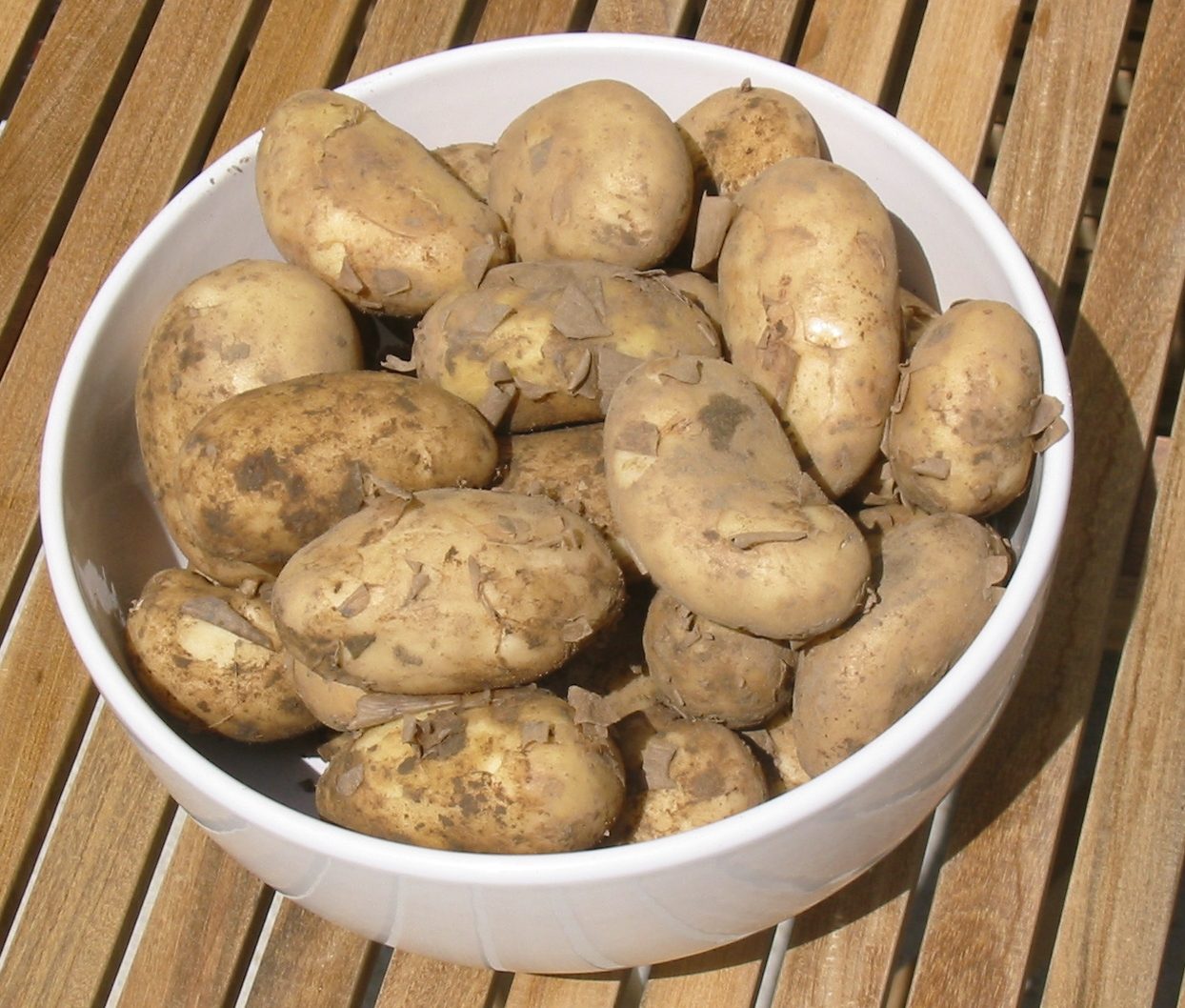
If you’ve ever bought a big bag of potatoes from Costco or your local grocery store and realized you can’t use them all in time, freezing sounds like an obvious fix. But raw potatoes are trickier than most vegetables when it comes to the freezer — and tossing them in without any prep almost always leads to disappointment.
The short answer is yes, you can freeze uncooked potatoes, but the method matters a lot. Technically you can freeze raw potatoes, but their texture may suffer when defrosted or cooked — because potatoes are about 80% water, the ice crystals that form during freezing can burst their delicate cell walls, making them mushy or mealy. With the right preparation, though, you can freeze potatoes successfully and have them ready to go for months.
Can You Freeze Uncooked Potatoes?
Fresh potatoes can be frozen; however, you need to take a few extra steps to ensure their quality will hold up in the freezing process. Simply throwing whole, raw potatoes into a freezer bag and calling it done is one of the most common food storage mistakes American home cooks make.
You technically can freeze raw potatoes and skip the blanching step. However, they will not last as long nor maintain their quality as well as potatoes that have been blanched before freezing. Blanching — briefly boiling the potatoes and then cooling them quickly in ice water — is the step that makes all the difference.
The good news is that once you understand the process, freezing potatoes is straightforward. Whether you’re working with russets, Yukon Golds, red potatoes, or fingerlings, the same core steps apply. You can freeze them as cubes, wedges, fries, shredded hash browns, or even mashed potatoes — each with slightly different handling.
Pro Tip: Start with the freshest potatoes you can find. Good potatoes are firm and free of small, soft spots on the surface — if they’ve started to wrinkle or smell moldy, they may be past their prime. Freezing won’t rescue a potato that’s already going bad.
Does Freezing Change the Texture or Taste of Uncooked Potatoes?
Yes — and it helps to understand exactly why, so you can work around it. Raw potatoes contain a large amount of water and starch. When taken directly to the freezer, the water in their cells turns into ice crystals, which breaks down the cell walls — and when thawed, the potato tends to become soft, soggy, and crumbly.
The intense cold also causes the starch to break down into simple sugars, which can alter the taste (making it sweeter) and the color (making it darker) when you cook it later. This is why raw frozen potatoes can sometimes look and taste “off” compared to fresh ones.
Blanching helps to deactivate enzymes that can cause discoloration and texture changes during freezing. That brief par-cook sets the cell structure so the potato holds up much better through the freeze-thaw cycle. Frozen raw potatoes can become soggy and grainy, which is why blanching is highly recommended whenever possible.
Flavor-wise, properly blanched and frozen potatoes taste very close to fresh when used in cooked dishes. They won’t be great for potato salad or dishes where the potato needs to hold a firm, raw-like bite — but for soups, casseroles, roasted sides, and fries, they perform well.
How to Freeze Uncooked Potatoes the Right Way
The best way to freeze potatoes is to cut and cook them first. Here’s a step-by-step process that works for most potato cuts — cubes, wedges, slices, and fries.
- Choose and prep your potatoes. If you know how you’ll probably serve the frozen potatoes later, peel and cut them into whatever shape you’ll need for that dish. For fries, cut lengthwise into planks. For soups and casseroles, dice into cubes.
- Soak in acidulated water. As you cut the potatoes, place them directly into cold water with a tablespoon of lemon juice or distilled vinegar. This won’t impact the taste — it just prevents them from oxidizing (turning brown).
- Blanch the potatoes. Bring a pot of water to a boil. Drop the potatoes in and blanch for 3 to 5 minutes — 3 minutes for cubes and thin slices, 5 minutes for larger cuts like fries and wedges.
- Cool in an ice bath. Remove the potatoes from the boiling water and drop them into an ice bath to immediately stop the cooking. Drain in a colander, shaking to remove excess water.
- Flash freeze on a baking sheet. Spread the blanched potatoes in a single layer on a lined baking sheet. Pat them as dry as possible to prevent freezer burn from extra moisture. Place in the freezer for about an hour until they are frozen solid.
- Transfer to airtight bags. Transfer the potato pieces to a freezer-safe bag. Seal tightly, removing as much air as possible, label, and store in the freezer.
Pro Tip: Potatoes can be seasoned before freezing so they’re ready to heat right out of the freezer. Lightly spray them with canola or vegetable oil (both handle high heat well), sprinkle on your favorite seasoning, gently turn them with a spatula, and season the other side before placing in the freezer.
Freezing Small Potatoes Whole
Large potatoes should be cut into pieces of your desired shape and size before being blanched and frozen. Small potatoes — such as new potatoes, fingerlings, and baby varieties — are better suited to being frozen whole with their skin on, though you should still blanch them for about 5 minutes.
Freezing Shredded Potatoes (Hash Browns)
For hash browns, shred the potatoes, rinse them under cold water until the water runs clear (this removes excess starch), then blanch for 2 to 3 minutes. Drain and dry thoroughly before flash freezing in a single layer. Frozen hash browns can be cooked directly from frozen in a skillet with oil or butter — cook over medium heat, stirring occasionally, until golden brown and crispy.
How Long Can You Freeze Uncooked Potatoes?
Storage time depends on how well you prepped and packaged the potatoes. Frozen potatoes can retain their quality for 10 to 12 months in the freezer when properly stored, though safety is not compromised for significantly longer periods — quality may simply decline.
For blanched potatoes, most sources agree on a 6- to 12-month window for best quality. Once the potatoes are frozen, they can be bagged in resealable freezer bags and stored for 10 to 12 months, though they are best when used within six months. Raw (unblanched) frozen potatoes won’t last as long and are best used within 1 to 2 months before quality noticeably drops.
| Potato Type | Prep Method | Freezer Life (Best Quality) |
|---|---|---|
| Raw, unblanched | Cut only | 1–2 months |
| Blanched cubes / wedges | Blanched + flash frozen | 6–12 months |
| Shredded (hash browns) | Rinsed, blanched, dried | 6–12 months |
| Mashed potatoes | Fully cooked | Up to 3 months |
Proper storage requires keeping your freezer at or under 0°F (-18°C). Use a thermometer to check your freezer temperature — many home freezers run slightly warmer than the dial suggests, especially near the door.
How to Thaw Frozen Uncooked Potatoes
The good news about most frozen potato cuts is that you often don’t need to thaw them at all. You can add frozen potatoes directly from the freezer to recipes that are cooked. They work seamlessly in soups, casseroles, or boiled potato recipes like mashed potatoes, and can even be roasted directly from frozen.
When thawing is necessary — say, for a recipe that requires the potatoes to be pliable before shaping — always thaw in the refrigerator. While many frozen potato preparations are designed to be cooked directly from the frozen state, if thawing is necessary, it’s best to do so in the refrigerator. This slow thawing process minimizes temperature fluctuations and prevents bacterial growth. Never thaw potatoes at room temperature, as this creates a breeding ground for harmful bacteria.
Potatoes that have been thawed in the fridge can be kept for an additional 3 to 4 days in the refrigerator before cooking. Potatoes thawed in the microwave or in cold water should be eaten immediately.
Pro Tip: For roasted potatoes, go straight from freezer to oven. Roast potatoes straight from the freezer — you might want to add a few extra minutes of cooking time — to achieve a great result. Thawing first can make them steam rather than roast, which leads to a softer exterior.
Can You Refreeze Uncooked Potatoes After Thawing?
Refreezing is generally not recommended. One of the most common mistakes is repeatedly thawing and refreezing potatoes. This practice significantly degrades the quality and increases the risk of bacterial contamination.
Do not thaw and refreeze products more than once, as both steps reduce texture and may lead to more bacterial growth. If you absolutely must refreeze, ensure the potatoes were thawed in the refrigerator and haven’t been held at room temperature for any significant time.
The smarter approach is to portion your potatoes before freezing. Flash freeze them individually on a baking sheet so they don’t clump, then store in smaller bags. That way, you only pull out exactly what you need each time — no refreezing required. You can apply this same strategy when freezing other fresh vegetables like zucchini.
How to Use Frozen Uncooked Potatoes (Best Uses After Freezing)
Frozen potatoes work best in applications where they’ll be cooked through — high heat, long cook times, or liquid-based dishes all work in their favor. Here are the best ways to put them to use:
- Soups and stews: Add frozen potato cubes directly to simmering soups or stews. They’ll cook through in about 10 to 15 minutes and absorb the broth beautifully.
- Roasted potatoes: Spread frozen wedges or cubes on a sheet pan with oil and seasoning. Roast at 400°F to 425°F, adding 5 to 10 extra minutes compared to fresh.
- Air fryer fries: Frozen potato sticks go straight into the air fryer at 375°F to 400°F. The air fryer helps them retain their crispy texture without becoming greasy.
- Hash browns: Cook frozen shredded potatoes directly from frozen in a hot, oiled skillet. Press them flat for a crispy crust.
- Casseroles and gratins: Layer frozen potato slices into your casserole dish. They’ll release some moisture as they cook, so reduce any added liquid slightly.
- Mashed potatoes: To reheat frozen mashed potatoes, you can either thaw them for two days in the refrigerator before reheating, or cook them straight from frozen on the stovetop or in a covered dish in the oven or microwave.
Some preparations technically can be frozen but don’t thaw well. Potato salad and potato gratins will undergo texture changes and can become soggy or otherwise less appealing when defrosted — these are not ideal candidates for freezing.
If you’re building a more nutritious meal plan around your frozen potato supply, pairing them with heart-healthy foods or whole plant-based ingredients is a great way to round out the plate.
Signs That Frozen Uncooked Potatoes Have Gone Bad
Frozen potatoes don’t spoil the way fresh ones do, but they can degrade in quality to the point where they’re not worth eating. Here’s what to look for before you cook them:
- Freezer burn: If dry spots or discolorations have developed on the frozen potatoes, freezer burn has begun to set in — this will not make the frozen potatoes unsafe to eat, but it will harm the texture and taste. Heavily freezer-burned potatoes are best discarded.
- Ice crystals and clumping: A thick layer of ice crystals inside the bag is a sign the potatoes have been exposed to air or experienced temperature fluctuations. The potatoes may still be safe, but quality will be poor.
- Off smell after thawing: Though it’s normal for potatoes to smell earthy or nutty, a musty or moldy odor is a hallmark of spoilage. If thawed potatoes smell sour or fermented, throw them out.
- Extreme mushiness after cooking: Trust your senses. If the potatoes have a significantly altered texture — extremely mushy or rubbery after cooking — or a dull or flavorless taste, it’s best to discard them even if they don’t show overt signs of spoilage.
- Discoloration: Gray, black, or dark brown patches that weren’t there before freezing can indicate oxidation or enzyme activity that wasn’t stopped by blanching.
Important Note: Always date your packages and remember to use up packages that were frozen first. A simple piece of masking tape and a marker on each bag saves a lot of guesswork.
Proper packaging is your best defense against all of these issues. Vacuum-sealed bags or airtight containers are the best options for storing frozen potatoes, as they help to prevent the entry of oxygen and moisture, which can cause freezer burn and other quality issues.
Frequently Asked Questions
Can You Freeze Whole Raw Potatoes Without Cutting Them?
It’s not recommended for large potatoes. Large potatoes should be cut into pieces of your desired shape and size before being blanched and frozen. Small potatoes — such as new potatoes, fingerlings, and baby varieties — are better suited to being frozen whole with their skin on. Whole large potatoes freeze unevenly and thaw poorly.
Do You Have to Peel Potatoes Before Freezing?
Nope. If you know how you plan to use the potatoes, you can peel them if necessary — but if not, feel free to leave the peel on when freezing. The skin can actually help protect the potato flesh during freezing.
Can You Freeze Potatoes Without Blanching?
Yes, but the results are noticeably inferior. You technically can freeze raw potatoes and skip the blanching step. However, they will not last as long nor maintain their quality as well as potatoes that have been blanched before freezing, and frozen raw potatoes can become soggy and grainy. Blanching is worth the extra 10 minutes.
How Do You Know When Frozen Potatoes Are Done Cooking?
Use the same doneness tests as fresh potatoes — a fork or knife should slide in easily with no resistance. Because frozen potatoes are already partially cooked from blanching, they typically finish cooking faster than raw. Add a few extra minutes when cooking from frozen without thawing, especially for oven roasting.
Are Frozen Potatoes as Nutritious as Fresh?
Blanching does cause a small loss of water-soluble vitamins like vitamin C and B vitamins, but the overall nutritional profile remains close to fresh. The nutritional value of frozen potatoes is comparable to that of fresh, as long as they’re prepared similarly. Potatoes are a solid source of potassium, fiber, and complex carbohydrates — qualities that hold up well through freezing. For more on how food choices affect your health, see our guide on powerful nutrients found in everyday foods.
Can You Freeze Potato Soup?
Yes, with some caveats. Broth-based potato soups freeze reasonably well. Cream-based soups tend to separate when thawed — the dairy can curdle and the texture turns grainy. If you plan to freeze potato soup, make it without the cream, freeze it, and add cream or milk when reheating. You can also explore nutrient-rich foods to stir into soups for added health benefits.