Can You Freeze Watermelon? Everything You Need to Know Before You Try

November 12, 2026
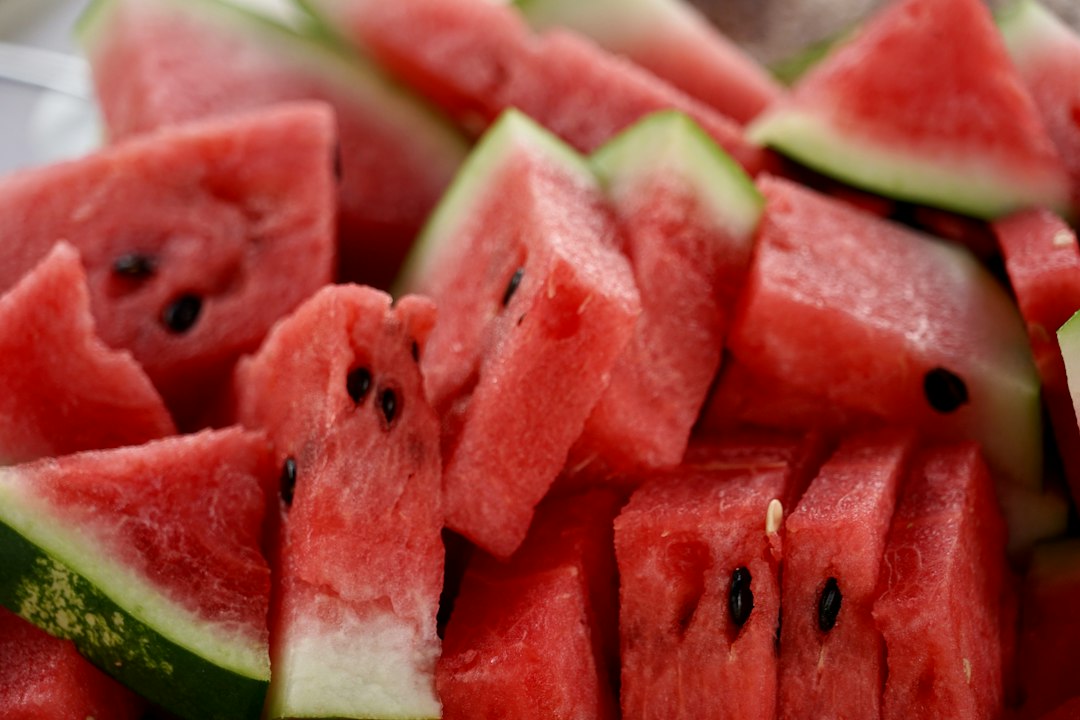
Bought a watermelon that’s bigger than your whole family can eat in a week? You’re not alone. Watermelon is one of summer’s most popular fruits at backyard cookouts and farmers markets across the United States — and it almost always comes in sizes that are hard to finish before it turns.
The good news is that you can absolutely freeze watermelon. According to Stephanie Barlow, Senior Director of Communications at the National Watermelon Promotion Board, “Watermelon is 92% water, so it absolutely will freeze.” The key is knowing what to expect after it thaws, how to freeze it properly, and — most importantly — what to do with it once it’s frozen. This guide walks you through every step.
Can You Freeze Watermelon?
Yes, you can freeze watermelon. The fruit contains approximately 91% water, which forms ice crystals during the freezing process. Those ice crystals expand and rupture cell walls, fundamentally altering the fruit’s structure. So while the answer is a firm yes, there’s an important caveat: what comes out of the freezer won’t look or feel exactly like what went in.
When thawed, frozen watermelon loses its characteristic crisp texture and becomes soft and mushy. This texture change doesn’t affect flavor or nutritional value — it simply makes thawed watermelon unsuitable for fresh eating. If you plan to blend it into smoothies, make sorbet, or use it in drinks, freezing is a smart, waste-free move.
You can also freeze watermelon puree in ice cube trays, then flash freeze the tray and transfer the cubes to a freezer bag or airtight container. You can use the frozen puree to make popsicles or refreshing beverages like watermelon lemonade, watermelon margaritas, smoothies, or sorbet. If you have a dog at home, check out this guide on freezing watermelon for dogs before sharing any frozen pieces with your pup.
Does Freezing Change the Texture or Taste of Watermelon?
Freezing changes both the texture and the taste of watermelon — though the degree depends on how you use it. The flesh won’t have the same toothsome bite it offers prior to freezing, and the sweetness drops just a little. These changes are the direct result of ice crystals breaking down the fruit’s cell walls during the freezing process.
Most people find frozen watermelon works best in blended applications. The altered texture becomes an asset rather than a drawback when you’re making smoothies, sorbets, or frozen beverages. Think of it less as a snacking fruit and more as a blending ingredient once it’s been frozen.
Frozen watermelon isn’t nearly as flavorful as fresh watermelon. When you freeze food in general, the flavor tends to dull. To compensate, you can toss watermelon cubes in a small amount of sugar before freezing, or add a squeeze of fresh lime juice when blending. Lime introduces acidity that makes the fruit taste brighter and more refreshing — lemon works as well, but lime creates the strongest contrast against the watermelon.
Pro Tip: If you want a sweeter result after freezing, toss your watermelon cubes lightly in sugar before flash freezing. The sugar helps preserve some of the natural sweetness that the freezing process tends to mute.
How to Freeze Watermelon the Right Way
The method you use matters. Don’t freeze whole watermelons or large wedges — the enormous ice mass takes too long to freeze and thaw, creating excessive texture damage. Cube-sized pieces freeze quickly and offer maximum versatility for recipes. Here’s the step-by-step process for getting the best results.
Method 1: Freezing Watermelon Chunks
- Choose ripe fruit. Start with the best quality watermelon you can find. Choose a melon that is firm to the touch with a slight give, has a yellow field spot on the bottom (as opposed to white or beige), and is heavy for its size.
- Wash and cut. Wash the watermelon’s exterior with cool water to remove field dirt and bacteria. Cut it in half, then into quarters. Slice away the rind completely — the green and white parts don’t freeze well. Cut the red flesh into 1-inch cubes for optimal freezing and recipe use.
- Remove seeds. If you have a seedless watermelon, you can skip this step. If you have a watermelon with black seeds, remove them before freezing. A chopstick or the tip of a knife works well.
- Flash freeze on a baking sheet. Spread the watermelon cubes over a parchment paper-lined baking sheet in an even layer, without any overlap. Flash freeze for 1 to 2 hours, or until fully hardened.
- Transfer to freezer bags. Once hard, transfer the frozen watermelon to a zip-top freezer bag or vacuum bag. Label, date, and freeze. Squeeze out as much air as possible before sealing.
Method 2: Freezing Watermelon Puree
- Cut the watermelon flesh into chunks and remove seeds.
- Fill the canister of a blender roughly three-quarters full. Secure the lid and blend until smooth. Place a fine mesh strainer over a large pitcher or bowl, then strain the pureed watermelon to remove any pulp.
- Pour the puree into an ice cube tray, leaving a bit of headspace since watermelon expands as it freezes.
- Flash freeze the tray, then transfer the cubes to a labeled freezer bag.
Pro Tip: Store frozen watermelon away from freezer walls and toward the center where temperature fluctuates less. Keep your freezer at 0°F (-18°C) or below for optimal preservation.
For a detailed breakdown of freezing fresh watermelon chunks, see this guide on how to freeze fresh watermelon chunks. Watermelon is also packed with nutrients — learn more about its health benefits in this overview of watermelon seeds and their nutritional value.
How Long Can You Freeze Watermelon?
Storage time depends on the form you freeze it in and how well it’s packaged. Here’s a practical comparison:
| Form | Recommended Use-By | Maximum Safe Storage | Notes |
|---|---|---|---|
| Chunks / Cubes | 2–4 weeks (best quality) | Up to 12 months | Quality degrades after 3 months |
| Puree (ice cubes) | Within 1–2 weeks | Up to 6–8 months | Breaks down faster than chunks |
| Juice | Within 1–2 weeks | 6–8 months | Shake well after thawing |
For best quality, eat frozen watermelon — chunks or puree — within nine to 12 months. That said, the National Watermelon Promotion Board’s Stephanie Barlow recommends a shorter window: although some sources say you can store frozen watermelon chunks for up to 8 months, Barlow recommends trying to use frozen watermelon within a couple of weeks, if you can.
Barlow suggests using watermelon puree or juice frozen in ice cube trays even more quickly: “I’ve experienced watermelon puree in an ice cube tray breaking down after a few weeks, much like regular ice cubes when they’re forgotten about, so the best practice is to use them within a week.”
The bottom line: frozen watermelon is safe for up to a year when kept at a consistent 0°F, but quality drops noticeably after the first few months. Store the frozen watermelon in an airtight container for up to 3 months, and make sure the lid stays tightly secured each time you use it for the best taste.
How to Thaw Frozen Watermelon
Here’s the honest truth about thawing frozen watermelon: most experts say you shouldn’t. The National Watermelon Promotion Board’s Barlow says, “We don’t recommend trying to thaw it. The watermelon taste, texture and color changes when it’s frozen and it’s rather unappealing when you thaw it. The texture and taste are off.”
For the best taste and texture, it’s best to eat or use frozen watermelon while it’s still frozen — that means using watermelon puree or juice ice cubes in drinks, or tossing frozen chunks into smoothies. Going straight from freezer to blender is the preferred approach.
If you do need to thaw it, you can thaw frozen watermelon in the fridge and then puree it. The soggy texture is definitely not something you’re going to want to use in something like a fruit salad. Never thaw watermelon at room temperature for extended periods, as this increases the risk of bacterial growth. According to the USDA Food Safety and Inspection Service , you should discard foods that have been warmer than 40°F for more than 2 hours.
Can You Refreeze Watermelon After Thawing?
Technically you can refreeze thawed watermelon, but the quality trade-off is steep. Refreezing is not recommended. Each freeze-thaw cycle degrades the texture and flavor, and also increases the risk of bacterial contamination. Since watermelon already loses its firm texture on the first freeze, a second cycle leaves you with something closer to watery mush than fruit.
While it’s true that refreezing thawed produce may impact texture, it is still safe to refreeze if kept cold and handled properly — just keep in mind that the quality may diminish with each cycle of freezing and thawing. The better approach is to freeze watermelon in small, single-use portions from the start. Freeze juice or puree in single-serving portions or in quantities you plan to use at one time — this prevents having to thaw the entire batch and refreeze any leftovers, which further degrades the quality.
Important Note: If your watermelon was thawed in the refrigerator and still feels cold (below 40°F), it is generally safe to refreeze. If it sat at room temperature for more than 2 hours, discard it rather than refreezing.
How to Use Frozen Watermelon (Best Uses After Freezing)
Frozen watermelon shines in blended and chilled applications. It can be blended to make watermelon juice, smoothies, sorbet, cocktails, and more. Here are the best ways to put your frozen stash to work:
- Smoothies: If you leave the fruit frozen, you can use those pieces instead of ice cubes — more taste, less water. Pair with Greek yogurt, frozen banana, or fresh berries.
- Sorbet: Process frozen watermelon in a food processor until it has a creamy, sorbet-like texture. Add lime juice and a drizzle of honey or maple syrup to taste.
- Drinks and cocktails: Frozen watermelon is a natural companion in beverages — use it to create a traditional or virgin daiquiri or margarita. Puree cubes also work well dropped into iced tea or sparkling water.
- Popsicles: Before you freeze watermelon, insert a popsicle stick into each piece to create an easy popsicle. You can also freeze blended puree in popsicle molds with other fruits.
- Watermelon lemonade: Blend the melon puree with lemons for a tasty lemonade. The natural sweetness of the watermelon reduces how much added sugar you need.
- Frozen fruit salad: You can also freeze cubed watermelon with other fruits, such as kiwi or strawberry, in a little orange or pineapple juice to make yummy popsicles kids will love.
Watermelon is also a nutritionally rich fruit worth incorporating into your diet year-round. It pairs well with the kinds of superfoods that support a healthy heart and fits naturally into whole plant-based food routines. If you’re exploring how food choices affect your health, see this guide on foods that promote healthy eyesight and this overview of nutrients and foods that fight cancer.
Signs That Frozen Watermelon Has Gone Bad
Frozen watermelon doesn’t spoil the way fresh fruit does, but it can still degrade to the point where it’s not worth eating. If your freezer is set to 0°F (-18°C), bacteria and other harmful pathogens cannot grow, and your food will be safe to eat — as long as it was fresh when you put it in and you thaw it correctly. That said, quality problems are real and worth watching for.
Here are the main signs to look for:
- Freezer burn: Freezer burn does not make food unsafe, merely dry in spots. It appears as grayish-brown leathery spots and is caused by air coming in contact with the surface of the food. You can trim these spots away before using.
- Excessive ice crystals: Because freezer burn is caused by dehydration, foods with a higher water content like produce tend to be more affected than foods with a low water content. A thick layer of ice crystals on your watermelon chunks means moisture has escaped and quality has dropped.
- Off smell after thawing: If the food has a strange or off smell when thawed, it is best to discard it.
- Unusual discoloration: If the fruits become excessively mushy or have unusual discoloration, they may have been thawed and refrozen or stored too long.
- Sour or fermented taste: If you bite into a piece that gives your tongue a bubbly, fermented mouthfeel or tastes sour, don’t eat it and toss the rest.
The simplest rule: only freeze watermelon which is in good condition to start with, as the freezer is not going to make bad watermelon any better. Starting with ripe, fresh fruit is the single biggest factor in getting a usable result. For more on how food choices affect your overall health, explore this guide on foods that support liver function and this resource on foods for healthy skin.
Frequently Asked Questions
Can You Freeze a Whole Watermelon?
Freezing a whole watermelon takes up too much freezer space and makes it very difficult to cut later. Watermelon changes texture once frozen, so don’t expect to freeze a whole watermelon, thaw it later, and be able to cut it as if it were freshly picked. Always cut and prep before freezing.
Can You Freeze Watermelon Rind?
Technically, yes — you can cut the watermelon rind into smaller pieces and freeze them. You’d only want to do this if you plan on pickling the rind later. For any other use, skip the rind entirely when freezing.
Does Frozen Watermelon Still Have Nutritional Value?
Yes. The texture change that comes with freezing doesn’t affect the fruit’s nutritional value. Freezing does cause a slight loss of nutrients, especially Vitamin C — however, the overall nutritional value remains largely intact. Properly storing and thawing the juice minimizes nutrient loss. Watermelon is a good source of lycopene, vitamin A, and hydration regardless of whether it’s fresh or frozen.
How Do You Know When Watermelon Is Ripe Enough to Freeze?
Select ripe watermelon with deep red flesh and minimal white streaking for best results. Good candidates should have a nice, hollow-sounding center when you knock gently on them. Avoid any melons with decaying or dark spots. The flesh should be firm, fully colored, and juicy.
Can You Freeze Watermelon for Dogs?
Yes — frozen watermelon is a popular warm-weather treat for dogs in the US. Plain watermelon (seedless, rind removed) is generally safe for most dogs in small amounts. Always check with your vet before introducing new foods, and see this dedicated guide on freezing watermelon for dogs for specifics on portions and preparation.
What Is the Best Way to Store Frozen Watermelon Long-Term?
Once the watermelon feels firm to the touch, transfer the frozen cubes to an airtight container. Storing them in a sealed container will prevent them from picking up other flavors from the freezer. Use a vacuum-seal bag if you plan to store for longer than a month, and label everything with the date so you don’t lose track of what’s in there.