Can You Freeze Dairy Free Yogurt? (What to Expect and How to Do It Right)

November 11, 2026
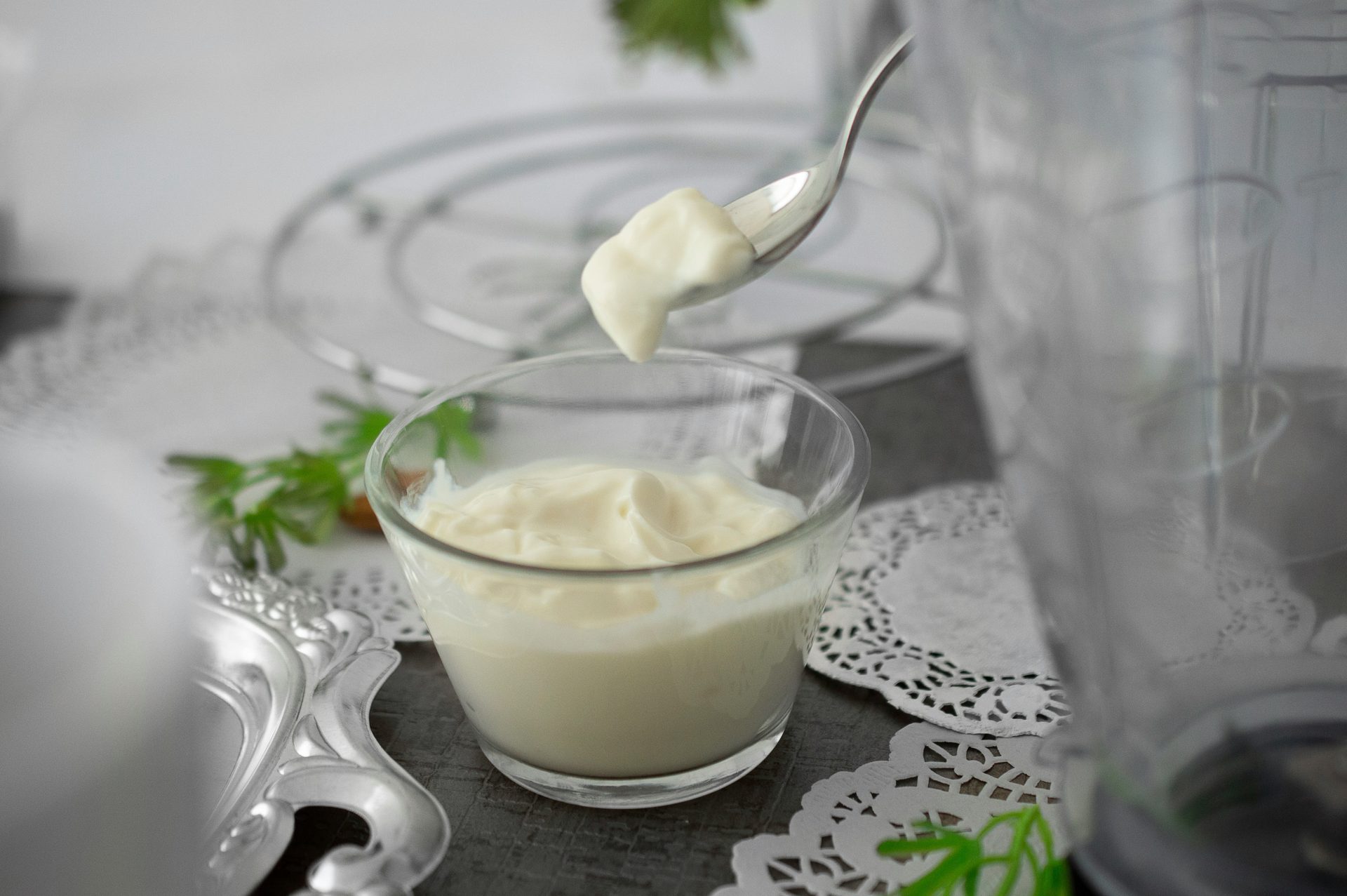
If you have a tub of coconut, almond, oat, or soy yogurt sitting in the fridge that you are not going to finish in time, the freezer is a real option. Dairy free yogurt can absolutely be frozen — but the results depend on the base ingredient, whether you stir it after thawing, and what you plan to use it for.
The short version: frozen dairy free yogurt works best as an ingredient rather than a straight-from-the-container snack. Once you know what to expect and how to prep it properly, you can save money, cut food waste, and always have plant-based yogurt on hand for smoothies, baking, and more.
Can You Freeze Dairy Free Yogurt?
Yes, you can freeze dairy free yogurt. According to the USDA, “Food stored constantly at 0°F will always be safe. Only the quality is affected with lengthy freezer storage.” That applies to plant-based yogurt just as it does to conventional dairy products.
Dairy free yogurt is typically made from a plant-based milk — such as oat or coconut — that has been flavored and thickened to give it a consistency similar to dairy yogurt. The key ingredient in all yogurt, including vegan varieties, is live and active cultures: microscopic bacteria that give yogurt its tangy flavor and are thought to provide digestive benefits when consumed regularly. Freezing puts those cultures into a dormant state rather than destroying them, so the probiotic benefit is largely preserved after thawing.
The dairy free yogurt market now includes coconut, almond, cashew, soy, oat, and top allergen-free varieties, and all of them can go into the freezer. The base ingredient does affect how well each one holds up, which is covered in detail in the next section.
Pro Tip: Freeze dairy free yogurt while it is still fresh and well within its use-by date. Freezing pauses quality — it does not reverse it. A tub that is already turning will not improve in the freezer.
Does Freezing Change the Texture or Taste of Dairy Free Yogurt?
Texture is where freezing makes the biggest difference. Fresh yogurt is smooth because its proteins and water are evenly held together. Freeze it, and the water forms ice crystals that push the milk solids apart. When it thaws, those two parts do not fully recombine — so you get a grainy, slightly separated, sometimes watery result. This happens with both dairy and dairy free yogurt, though the degree of separation varies by base.
Here is how common dairy free bases tend to behave after freezing and thawing:
| Base | Freezes Well? | Texture After Thawing | Best Use After Freezing |
|---|---|---|---|
| Coconut milk | Yes — best performer | Slightly grainy but rich; stirrable | Smoothies, baking, frozen bark |
| Almond milk | Good | Thinner and looser after thawing | Smoothies, pancake batter, sauces |
| Soy milk | Good | Denser; holds together reasonably well | Smoothies, baking, dips |
| Oat milk | Fair | Thinner; more noticeable separation | Overnight oats, baked goods, smoothies |
| Cashew milk | Good | Creamy with mild separation | Smoothies, dressings, baking |
Coconut-based yogurts are much higher in fat and tend to be lower in protein compared to those made from soy milk or almond milk. That higher fat content actually helps coconut yogurt hold together better in the freezer — more fat means fewer free water molecules to form disruptive ice crystals. Taste can shift a little too. Some flavors, such as sweetened or fruit-flavored yogurts, may become more muted or less intense after freezing.
The bottom line: if you plan to eat thawed dairy free yogurt with a spoon straight from the container, you may be disappointed. If you want to eat it plain by the spoonful, freezing is not ideal. If you are tossing it into a blender, stirring it into pancake batter, or eating it as a frozen snack, it is perfect — you will never notice the texture change.
How to Freeze Dairy Free Yogurt the Right Way
Freezing dairy free yogurt takes just a few minutes of prep. The method you choose depends on how you plan to use it later.
Method 1 — Freeze in the original container: Because yogurt is partially liquid, it will expand slightly when you freeze it. You can freeze yogurt in its original container or another airtight container, but be sure to leave 1 to 2 inches of space at the top to prevent the container from bursting. This method works best for full tubs you plan to use all at once in baking or a large smoothie batch.
Method 2 — Freeze in portioned airtight containers: For larger tubs, divide yogurt into smaller airtight portions so you thaw only what you need. This approach saves you from thawing more than you can use and avoids the temptation to refreeze.
Method 3 — Freeze in an ice cube tray: If you are planning to use your frozen yogurt in smoothies or in pre-made smoothie packs, you can freeze it in an ice cube tray. After the cubes are solid, they can be enjoyed as is or in a smoothie — simply add a few cubes to the blender with the rest of your ingredients. Once the cubes are frozen solid, transfer them to a zip-top freezer bag and label with the date.
Method 4 — Freeze as yogurt bark: Spread dairy free yogurt in a thin, even layer on a parchment-lined baking sheet. Top with fruit, granola, or nuts, then freeze until solid. Break into pieces and store in a freezer-safe bag. This is one of the best ways to enjoy frozen plant-based yogurt without worrying about texture changes at all.
Pro Tip: Set the freezer at 0°F or colder, and freeze the yogurt fast so ice crystals stay smaller — smaller crystals mean less structural damage and a smoother result after thawing.
No matter which method you choose, always label the container with the freeze date. You can also note how many days were left before the use-by date so you know how quickly to use it after thawing. If you freeze other plant-based staples, the same portioning logic applies — check out our guide on whether you can freeze coffee creamer for another common dairy free product.
How Long Can You Freeze Dairy Free Yogurt?
Frozen yogurt stays at its best quality for about 2 months, though it remains safe to eat well beyond that as long as it is kept solidly frozen at 0°F (-18°C), per USDA FoodKeeper guidance. After two months it will not be dangerous, but the texture and flavor start to degrade. This guidance applies to both dairy and dairy free varieties.
If you plan to eat the thawed yogurt with a spoon rather than blend or bake with it, aim to use it within 30 days for the best texture. Technically, it is safe to eat for quite a while after that, but freezer burn can set in, with taste and textural changes after the two-month mark.
- Best quality window: Up to 1 month (spoonable use)
- Good quality window: 1 to 2 months (smoothies, baking, bark)
- Safe but degraded: Beyond 2 months (use only in cooked recipes)
Always write the freeze date on the container. A piece of masking tape and a marker works just as well as a fancy label.
How to Thaw Frozen Dairy Free Yogurt
The golden rule: thaw in the refrigerator, not at room temperature. Like any perishable food, yogurt should not sit in the temperature danger zone of 40–140°F (4–60°C) for more than two hours, per USDA Food Safety and Inspection Service guidance.
Move the container from the freezer to the refrigerator the night before you need it. Dairy products should be thawed gradually in the refrigerator at 32–34°F. It may take up to 24 hours depending on the size of the container you used, so plan accordingly. Smaller portions — like ice cube tray servings — thaw in just a few hours.
Once thawed, give the yogurt a thorough stir. After thawing, expect separation. Do not panic — this is normal. Whisk it vigorously for 30 to 60 seconds and it will come back together well enough to use. It will not return to its original smoothness, but for cooking and baking purposes it works just fine.
For smoothies, you do not even need to thaw the yogurt. Drop the frozen cubes directly into the blender with your other ingredients and blend as usual. This actually gives smoothies a thicker, colder consistency — a bonus on hot summer days.
Important Note: Never thaw dairy free yogurt in the microwave. Uneven heating can warm some sections into the food safety danger zone while others remain frozen, and heat above roughly 115°F can also damage the live probiotic cultures.
Can You Refreeze Dairy Free Yogurt After Thawing?
No. It is not recommended to refreeze thawed yogurt as this can compromise its texture and safety. Each freeze-thaw cycle forms a new round of ice crystals, breaking down the structure further. The result after a second thaw is typically watery and unpleasant.
Freeze in portions so you only thaw what you need. That single habit eliminates the temptation to refreeze and ensures every serving comes out at its best. If you froze a full tub and only used half after thawing, the remainder should go into the refrigerator and be used within 3 to 5 days — not back into the freezer.
How to Use Frozen Dairy Free Yogurt (Best Uses After Freezing)
Thawed dairy free yogurt is more versatile than most people expect. The changes in yogurt after it has been frozen and thawed are not obvious when you use it to make drinks or for cooking and baking. The key is matching the intended use to the texture you end up with.
Here are the best ways to put frozen dairy free yogurt to work:
- Smoothies: The top use. Add frozen cubes directly to the blender — no thawing needed. The yogurt blends into a creamy, cold base that works with any fruit combination. This pairs especially well with frozen watermelon; see our guide on freezing fresh watermelon chunks for tips on prepping that ingredient.
- Baking: Use thawed yogurt in muffins, quick breads, pancakes, and cakes anywhere a recipe calls for yogurt or a dairy free buttermilk substitute. The looser texture blends right into batters without any issue.
- Overnight oats: Stir thawed oat-based or almond-based yogurt into oats with your choice of mix-ins. The slight separation disappears once everything is combined.
- Dips and sauces: Coconut or cashew-based yogurt works well as a base for tzatziki-style dips or creamy salad dressings after thawing. A quick whisk brings it back to a workable consistency.
- Frozen yogurt bark: Spread thawed yogurt back onto a lined sheet pan with toppings and re-freeze for bark. Since the yogurt was already frozen, it sets up quickly.
- Frozen treats: Pour thawed yogurt into popsicle molds with fruit or nut butter, then freeze for a simple dairy free snack.
Looking for more ways to use dairy free ingredients around the holidays? Our roundup of dairy free Christmas desserts has plenty of ideas that work well with plant-based yogurt as a base or topping.
Signs That Frozen Dairy Free Yogurt Has Gone Bad
Freezing keeps dairy free yogurt safe for an extended period, but it does not last forever. Before using any thawed yogurt, check for these warning signs:
- Off smell: A sour or fermented smell that is noticeably stronger than the yogurt’s normal tang is a sign it has turned. Discard it.
- Severe discoloration: Some separation and color shift after thawing is normal. Pinkish, orange, or gray patches that were not there before freezing indicate mold or spoilage.
- Visible mold: Any fuzzy growth — even a small spot — means the entire container should be thrown out.
- Extreme ice crystals or freezer burn: After the six to eight-week storage span, yogurt can develop icicles and freezer burn, which is not ideal. Heavily freezer-burned yogurt is safe to eat but will taste bland or papery. Use it only in cooked recipes where flavor can be masked.
- Watery and unappetizing after stirring: Some separation is expected, but if the yogurt remains completely liquid after a thorough stir and looks curdled rather than creamy, it has degraded beyond usable quality.
Freezing pauses quality; it does not reverse it. Freeze yogurt while it is still fresh and good. If a container was already on its last legs before it went into the freezer, it will not come out any better.
For more guidance on evaluating frozen foods and reducing waste in your kitchen, the USDA FoodKeeper app is a reliable reference for storage times across hundreds of food categories.
Frequently Asked Questions
Can you freeze dairy free yogurt in its original container?
Yes, as long as the container is not already full to the brim. Because yogurt expands slightly when it freezes, leave 1 to 2 inches of space at the top to prevent the container from bursting. If the original packaging is flimsy or has no secure lid, transfer the yogurt to a rigid, freezer-safe container first.
Does freezing dairy free yogurt kill the probiotics?
No. Freezing puts the bacteria into a dormant state rather than killing them. Once thawed, they become active again, and the probiotic benefit is largely preserved. Just avoid adding thawed yogurt to hot dishes, since heat above roughly 115°F is what actually destroys live cultures.
Which dairy free yogurt base freezes best?
Coconut-based yogurt generally holds up the best in the freezer because of its higher fat content, which limits ice crystal damage. Soy and cashew varieties also freeze well. Oat-based yogurt tends to separate the most after thawing and works best when used in blended or cooked applications. If you enjoy oat-based products, our article on gluten free Thanksgiving foods includes other plant-based staples worth keeping on hand.
Can you freeze flavored dairy free yogurt?
Yes. Taste can shift slightly after freezing. Some flavors, such as sweetened or fruit-flavored yogurts, may become more muted or less intense. Fruit pieces mixed into the yogurt may also turn softer and wetter after thawing. Plain or lightly sweetened varieties tend to come out of the freezer tasting closest to how they went in.
How long does dairy free yogurt last in the fridge after thawing?
Use thawed dairy free yogurt within 3 to 5 days and keep it refrigerated. Once it is thawed out in the refrigerator, it is important to use it within a few days. Do not refreeze it after thawing.
Can you freeze homemade dairy free yogurt?
Yes. The same rules apply — freeze in airtight portions, leave headspace, label with the date, and use within 1 to 2 months. Homemade versions without commercial stabilizers like pectin or xanthan gum may separate a bit more after thawing, so plan to use them in smoothies or baking rather than eating them plain.
For more freezer-friendly food storage tips, take a look at our guides on freezing applesauce for babies, freezing jam without pectin, and freezing cashew nuts — all useful reads if you are working toward a more organized, waste-free kitchen.