Can You Freeze Mashed Potatoes? (Yes — Here’s How to Do It Right)

November 12, 2026
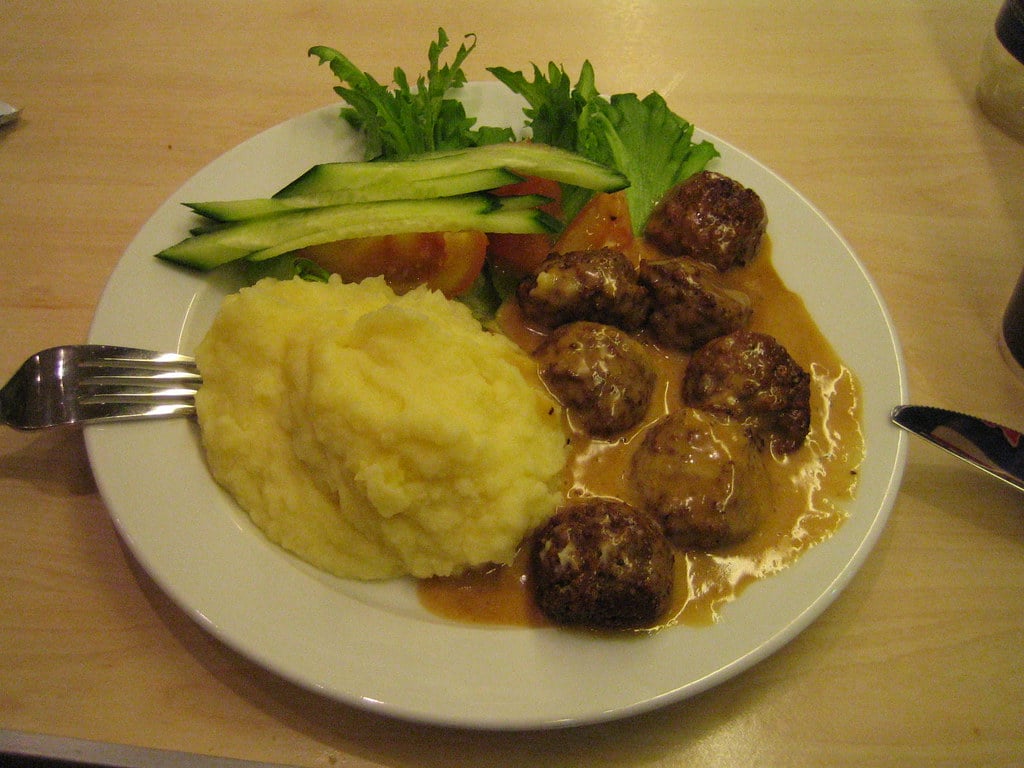
Mashed potatoes are one of the most popular comfort foods in American kitchens, and for good reason — they go with almost everything. But after a big holiday dinner or a Sunday batch-cook session, you’re often left with more than you can finish in a day or two. That raises an obvious question: can you freeze mashed potatoes?
The short answer is yes. You can freeze mashed potatoes for a fast, easy, and budget-friendly side dish. The longer answer is that success depends on how you prepare, pack, and reheat them. This guide walks you through everything you need to know — from the science behind texture changes to step-by-step freezing instructions and the best ways to use them once they come out of the freezer.
Can You Freeze Mashed Potatoes?
Yes, mashed potatoes can be frozen. Here’s what you need to know about successfully freezing and reheating them to enjoy with your favorite dishes. Whether you made too much for Thanksgiving, want to prep side dishes ahead of a busy week, or just hate watching food go to waste, the freezer is a legitimate option.
Beyond saving leftovers and planning ahead, you can use this trick for saving money on groceries. If you find that potatoes are on sale at your grocery store or you need to use a bunch before they go bad, whip them into mashed potatoes and toss them in the freezer.
One important caveat: not all mashed potato recipes freeze equally well. Mashed potatoes made with plenty of dairy will likely hold up better in the freezer because the fats keep the potatoes from getting grainy or watery. Freezing mashed potatoes that have no or very few fats is more likely to change their texture, leaving them grainy and mushy.
Pro Tip: If you’re making mashed potatoes specifically to freeze, be generous with the butter and cream. The fat content is what protects the texture during freezing and reheating.
Does Freezing Change the Texture or Taste of Mashed Potatoes?
Freezing does affect mashed potatoes — but how much depends largely on what’s in them and how you freeze them. Potatoes are porous, so they soak water in easily during cooking when their starch molecules begin to break down. When you freeze them, all that absorbed water turns into ice crystals — which melt once they get tossed into the oven or slow cooker.
If you reheat them immediately from frozen, you’ll get warm mashed potatoes that have retained their original taste. However, they may be a little thin or runny, and lack the cloud-like consistency you remember. This is normal and fixable with the right reheating technique.
Research published in ScienceDirect confirms that freeze-thaw cycles cause a decline in the hardness and chewability of mashed potatoes alongside the migration of water from bound water states to weakly bound states. Microstructural analysis showed that the adhesive forces between proteins and starch granules were weakened, and the structure of mashed potato particles was destroyed following freeze-thaw cycles.
The good news: the key is to coat your potatoes with plenty of butter and cream. The fat from the dairy will protect the potatoes in the freezer and help them retain their flavor. This dairy combination ensures that your potatoes not only freeze well, but also reheat creamy and flavorful.
How to Freeze Mashed Potatoes the Right Way
Proper technique makes a real difference in the final result. Follow these steps and your frozen mashed potatoes will come out much closer to fresh.
- Cool them first. The first thing you need to do is allow the mashed potatoes to cool on the counter or stovetop. This step is equally related to freezing the mashed potatoes correctly as it is about maintaining the temperature in your freezer. Placing hot food in the freezer can raise the internal temperature, thawing other foods and possibly making them unsafe — and making your freezer work overtime.
- Don’t leave them out too long. Mashed potatoes should not stay out longer than two hours. If you plan to store them as leftovers, this should be done within the first two hours after cooking.
- Portion them out. Scoop one-cup mounds of the mashed potatoes onto a parchment-lined baking sheet. Transfer to the freezer for at least a few hours up to overnight, until the mashed potatoes are completely frozen. Then transfer the individual servings to a large freezer bag or container.
- Or freeze in bulk. If you prefer not to portion the potatoes, transfer all of the cooled mash to a large freezer bag or food container. Either let it thaw in the refrigerator ahead of time or store it in a way that’ll make it easy to reheat them from frozen.
- Seal tightly and label. It is very important for food containers to be airtight, moisture-proof, and food-grade to avoid freezer burn, which can ruin your food’s texture and flavor. Write the date on every bag or container before putting it in the freezer.
- Keep your freezer at the right temperature. Temperatures in your freezer should be at or under -18°C (0°F).
Pro Tip: The flash-freeze method — spreading individual portions on a sheet pan first — prevents the mounds from clumping together in the bag. You can then grab exactly how many servings you need without thawing the whole batch.
How Long Can You Freeze Mashed Potatoes?
Sources vary on the ideal window, so it helps to look at a few reference points. FoodSafety.gov recommends freezing mashed potatoes for up to two months. Other sources indicate they can stay good for longer — even up to a year. However, they will start to lose quality significantly after a few months, so it’s best to enjoy them quickly.
For best results, aim to use frozen mashed potatoes within one to three months. After one month, their liquid and solid components can separate, and they unfortunately won’t regain their creamy, pillowy consistency when reheated. Beyond the three-month mark, quality noticeably declines even if the potatoes remain technically safe to eat.
| Storage Method | Recommended Timeframe | Quality Notes |
|---|---|---|
| Room temperature | 2 hours maximum | Do not store; bacteria risk |
| Refrigerator | 3–5 days | Keep in airtight container |
| Freezer (best quality) | 1–2 months | Creamiest results at reheat |
| Freezer (acceptable quality) | Up to 3–6 months | Some texture loss likely |
According to the USDA, cooked potatoes can last 3–4 days in the fridge. Keep that in mind if you thaw your frozen mashed potatoes in the refrigerator — you’ll want to reheat and eat them within that window.
How to Thaw Frozen Mashed Potatoes
How you thaw frozen mashed potatoes matters almost as much as how you froze them. Thawing too fast — or skipping the thaw entirely — often leads to watery, uneven results.
Refrigerator thaw (recommended): Try thawing your mashed potatoes in the fridge overnight before heating them up. It takes an extra step and a little added patience, but you’ll be rewarded with a creamy version reminiscent of the dish you started with, and your potatoes will warm up more evenly.
Quick thaw: If you’re on a time crunch, soak your container or freezer bag in a bowl of hot water. Once they become pliable, you can reheat them.
Once thawed, you have several reheating options. You can reheat mashed potatoes on the stovetop, in the oven, in a slow cooker, or even in the microwave. Each method works, with slight differences in outcome:
- Stovetop: Reheat the potatoes in a large pot over low to medium heat, stirring occasionally. Add a splash of cream or milk to restore creaminess as needed.
- Oven: Place however many servings you need on a foil-lined tray and pop them in the oven at 350°F. Heat for about 30 minutes (may vary by oven) and stir before serving to ensure the potatoes are warm all the way through.
- Microwave: Warm them in short bursts and stir in between (roughly 1–2 minute cycles). The outer mashed potatoes will become warmer than the inside, and you want to mix all of the warm spots together.
No matter which method you use, the mashed potatoes may be a bit watery when you reheat them, so it’s a good idea to add in some sour cream or cheese to thicken them up right before serving. A pat of butter stirred in at the end also helps bring back a rich, velvety finish.
Can You Refreeze Mashed Potatoes After Thawing?
Refreezing is one area where you should be cautious. Do not thaw and refreeze products more than once, as both steps reduce texture and may lead to more bacteria.
The science backs this up. The oxidation and degradation of fat induced by freeze-thaw cycles increases the content of key compounds such as octanal and nonanal, contributing to an overall deterioration in the flavor of mashed potatoes. In plain terms: each cycle makes them taste worse and feel grainier.
The practical fix is simple: freeze in individual or meal-sized portions so you only thaw exactly what you need. Always date packages and remember to use up packages that were frozen first. That way, you never end up thawing more than you can eat.
Important Note: Freezing halts bacterial growth but does not kill all pathogens. Always reheat frozen mashed potatoes to an internal temperature of 165°F (74°C) before serving, and never leave thawed potatoes at room temperature for more than two hours.
How to Use Frozen Mashed Potatoes (Best Uses After Freezing)
Once you’ve thawed and reheated your mashed potatoes, there’s no shortage of ways to use them. They work just as well as freshly made in most recipes, especially when you stir in a little extra butter or cream during reheating.
Classic side dish: Serve them alongside roasted chicken, meatloaf, pot roast, or grilled steak. Check out this guide to what to serve with mashed potatoes for more pairing ideas.
Shepherd’s pie topping: Spread reheated mashed potatoes over a ground beef and vegetable filling, then bake until golden. The slightly denser texture of frozen-and-thawed mash actually holds up well as a topping.
Potato soup base: Whisk thawed mashed potatoes into warm broth with sautéed onion and garlic for a quick, creamy potato soup. This is one of the best ways to use a batch that came out a little thinner than you’d like.
Potato cakes or patties: Potato pancakes (also known as potato patties) are an easy way to repurpose leftover potatoes. Simply add some olive oil to a frying pan and heat it up, then shape the mashed potatoes into small patties and pan-fry until crispy on both sides.
Gnocchi or potato pasta: Chef David Knickrehm of Bella Aquila in Eagle, Idaho, uses leftover mashed potatoes by sealing them in a plastic storage bag overnight in the cooler and then making them into strips and cutting into potato pasta, or gnocchi.
Thickener for stews and casseroles: Stir a spoonful or two into a slow-cooker stew or braised dish to add body and a rich, creamy texture without any extra prep.
If you’re looking for inspiration on building a full, balanced plate around your mashed potatoes, explore ideas from whole plant-based foods or browse superfoods for a healthy heart to round out your meal nutritionally.
Signs That Frozen Mashed Potatoes Have Gone Bad
Even with proper storage, mashed potatoes don’t last forever. Before reheating any frozen batch, take 30 seconds to check for these warning signs.
- Mold: The clearest sign that mashed potatoes are bad is if you see spots or patches of mold. Discard the entire container — do not scoop around it.
- Off smell: Starchy foods should not have a strong smell. If your potato leftovers don’t smell good or smell sour, throw them away.
- Discoloration: Mashed potatoes should be white and/or gold. If there are any discolored areas, throw them away.
- Liquid separation: When mashed potatoes are getting old, the liquid begins to separate from the solid. Initially, the liquid will look almost transparent, but with time, it will turn milky. In addition, the potatoes may change in color and texture.
- Excessive dryness or freezer burn: Another way to check if your mashed potatoes have gone bad is that they have become too dry and crumbly. Heavy freezer burn on the surface — grayish, icy patches — signals significant moisture loss and quality degradation.
- Sour taste: A taste test is not recommended if your mashed potatoes have been in the fridge longer than 3 to 5 days. However, if there are no other signs and you choose to taste them, throw them out if they taste sour.
When in doubt, throw it out. Foodborne illness from improperly stored dairy-based foods is not worth the risk. If your airtight container fails and moisture or air get in, the container will become a breeding ground for harmful bacteria.
Frequently Asked Questions
Can You Freeze Store-Bought Mashed Potatoes?
Yes, you can freeze store-bought refrigerated mashed potatoes using the same method as homemade. Allow them to cool if they’ve been heated, then transfer to an airtight freezer-safe container or bag. Note that in theory, you could freeze instant mashed potatoes, but the texture probably won’t hold up well to freezing because they’ve been dehydrated, rehydrated, and then frozen. Stick to refrigerated or freshly made versions for the best results.
Can You Freeze Mashed Potatoes With Garlic or Onion in Them?
If you got creative with the mashed potatoes the first time and added garlic or onions, don’t freeze them — as both of these bulbs will become transparent and slimy. If you love garlic mashed potatoes, consider freezing a plain batch and adding roasted garlic fresh when you reheat.
Can You Freeze Mashed Potatoes With Cheese or Bacon?
If you like to make cheesy mashed potatoes, or garlic mashed potatoes, mashed red potatoes, or whatever — you can freeze and reheat them just the same way. Toppings like bacon and chives will also hold up in the freezer.
How Do You Keep Frozen Mashed Potatoes From Being Watery?
The two best strategies are using plenty of fat (butter and cream) when making the mash, and thawing overnight in the refrigerator rather than reheating straight from frozen. Adding a thick, creamy ingredient like butter, sour cream, or cream cheese during reheating — just make sure it’s lukewarm so it doesn’t cool down your mash — also helps restore the original consistency.
How Long Do Mashed Potatoes Last in the Fridge Before Freezing?
Mashed potatoes last up to 3 to 5 days in the fridge when stored correctly. Placing them in an airtight container with a lid or a sealable plastic bag will help them last longer and stop bacteria from growing. If you don’t think you’ll eat them within that window, move them to the freezer sooner rather than later for the best quality.
Are Mashed Potatoes a Healthy Choice?
Potatoes themselves are a nutritious whole food, providing potassium, vitamin C, and fiber. How healthy your mashed potatoes are depends largely on what you add to them. For more on building a nutritious diet, see our guides on powerful nutrients and foods that fight cancer and foods for healthy skin. You can also explore foods that can help enhance your liver function for a broader look at how diet affects your health.