
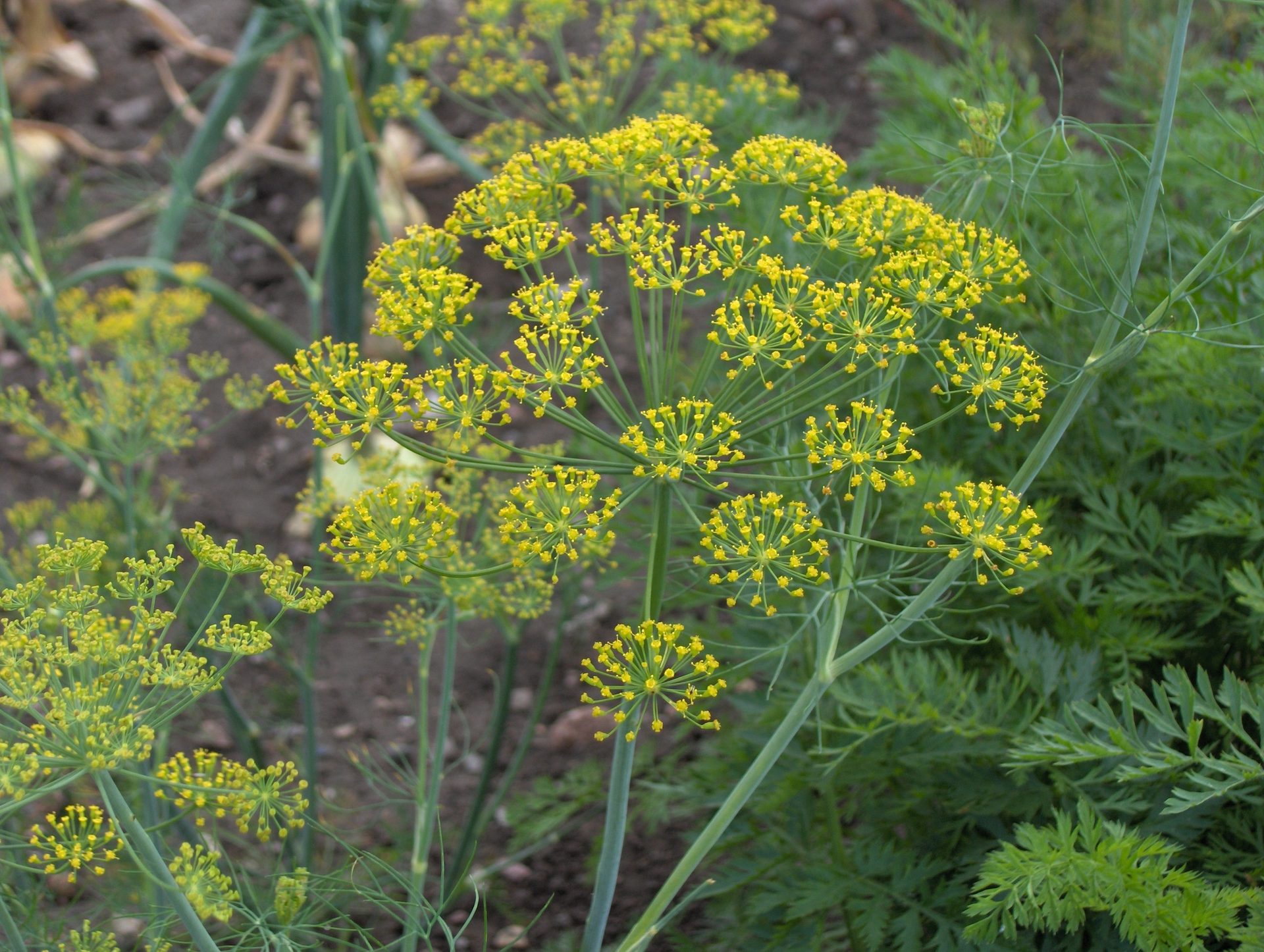
Fresh dill is one of those herbs that disappears faster than you can use it. One day you buy a bunch for a potato salad or a salmon fillet, and three days later the rest of it is yellowing in your fridge drawer. If that sounds familiar, freezing is the answer you’ve been looking for.
Yes, you can absolutely freeze dill — and it works better than drying. Frozen dill holds its flavor much better than dried dill, which loses its flavor within a month. Whether you grew a big patch in the backyard or picked up an extra bunch at the farmers market, this guide walks you through every step: how to freeze it, how long it keeps, how to thaw it, and how to get the most out of it in the kitchen. You can also explore the full nutritional and culinary benefits of dill to see why it’s worth preserving in the first place.
Can You Freeze Dill?
Yes, you can freeze fresh dill. Freezing helps lock in the flavor and aroma of fresh dill, preserving its delicate taste. It’s one of the most effective preservation methods available for this herb, and it’s far simpler than most people expect.
Dill is an annual plant from the celery family that grows in spring and early summer, then quickly flowers and forms seeds. This means dill is not easily available throughout the year, so freezing some when you have a lot of it is a smart move. Home gardeners and anyone who cooks with dill regularly will find a well-stocked freezer stash pays off all winter long.
Fresh dill (Anethum graveolens) is known for its feathery fronds and bright, slightly tangy flavor. Fresh dill’s vibrant aroma comes from delicate compounds — primarily limonene, carvone, and α-phellandrene — which evaporate rapidly when exposed to air, light, or fluctuating temperatures. Freezing slows that process dramatically, which is why it outperforms drying every time. Dill pairs especially well in dishes like soups, fish, and dips — all foods that also feature in seafood-based cooking traditions across the US.
Pro Tip: Always freeze dill at peak freshness — before the flower heads form and while the fronds are still bright green and tender. The better the dill going in, the better it tastes coming out.
Does Freezing Change the Texture or Taste of Dill?
Honest answer: yes, freezing changes the texture — but no, it does not ruin the flavor. Frozen dill is not a perfect substitute for fresh. Freezing ruptures the cell walls of the plant, so the texture will change. Once thawed, the dill will be limp and wilted, not crisp.
When herbs are frozen, the ice crystals that form can cause cell damage, leading to changes in texture and flavor. That’s why you won’t want to use thawed dill as a fresh garnish on a cold plate. However, the flavor story is much more encouraging.
The flavor is remarkably well-preserved. It retains that characteristic bright, slightly tangy, anise-like taste far better than dried dill does. For any cooked application — soups, sauces, baked fish, potato dishes — the flavor is fantastic and the textural change is completely unnoticeable.
Frozen herbs can be used in the same proportion as fresh herbs. Keep in mind that freezing will cause the water in the cell walls to expand, and the herbs will be limp when thawed. As a result, you may prefer to use frozen herbs in cooked dishes, as they will generally not be attractive as garnishes. With that one caveat in mind, frozen dill is an excellent pantry staple.
How to Freeze Dill the Right Way
Good results come down to preparation. What you do before your dill even sees the inside of a freezer bag makes a huge difference. A few minutes of prep work will ensure your dill tastes amazing months from now. Follow these steps for whichever method you choose.
Step 1: Sort and Wash
Look through the bunch of dill and remove any yellowish and older-looking stems. You want to preserve only the good ones. Gently swish the dill sprigs in a large bowl of cool water. Don’t just blast them under a running faucet, as that can bruise the delicate leaves. Let the dill sit for a minute to allow any grit to settle to the bottom of the bowl.
Step 2: Dry Thoroughly
Drying is the most crucial step. Excess water creates ice crystals, which leads to freezer burn and a mushy texture. Lay the washed dill on a clean kitchen towel or paper towels and gently pat it dry. For best results, use a salad spinner. If you skip this step, you risk a clumped, icy mass in your freezer bag instead of loose, usable herb.
Method 1: Freezer Bag (Dry)
This is the simplest method and works well when you want loose dill you can scoop by the spoonful. Chop dill to your desired size, thinking about how you expect to use it in the near future. Fill the freezer bag to about two-thirds capacity, lay the bag flat, spread the dill evenly, and roll the bag with your fingers to squeeze the air out. Then close the freezer bag tightly and place it in the freezer — in 4 to 5 hours your frozen dill will be ready.
Method 2: Ice Cube Tray with Olive Oil
This method is ideal if you plan to use dill in soups, sauces, or sautéed dishes. Portion the chopped dill into ice cube trays — silicone trays work best since it’s easier to pop out the frozen cubes. Use a teaspoon to fill the trays, then pour olive oil over the dill until it’s completely covered. Put the ice cube trays in the freezer for at least 3 hours or until completely frozen. Once frozen, pop out the dill cubes and transfer them into freezer bags. Store for 3 to 6 months.
Method 3: Whole Stem Wrap
According to Penn State Extension , dill weed can be frozen as whole stems. Wrap 3 or 4 stems in plastic wrap, then over-wrap in aluminum foil and freeze. Dill weed will become limp and dark in color but will still impart flavor for pickling.
Pro Tip: Herbs give off odors that can be absorbed by other foods in the freezer. Avoid the transfer of odors by wrapping herbs in foil or placing them in glass jars with an airtight lid.
How Long Can You Freeze Dill?
Properly stored frozen dill will maintain excellent quality for about 4 to 6 months. It will remain safe to eat for up to a year, but you might notice a gradual decline in its vibrant flavor and bright green color after the 6-month mark. This is why labeling with a date is so important — always use the oldest batch first.
The table below summarizes how long frozen dill keeps by storage method:
| Storage Method | Best Quality | Safe to Eat | Best For |
|---|---|---|---|
| Freezer bag (dry, chopped) | 4–6 months | Up to 12 months | Salads, dips, general cooking |
| Ice cube tray in olive oil | 3–6 months | Up to 12 months | Soups, sauces, sautéed dishes |
| Whole stems wrapped in foil | 3–4 months | Up to 12 months | Pickling, brines |
A common cause of flavor loss is storing the dill for too long or not using a freezer-safe bag or container. Use the dill within 6 months for best flavor, and use high-quality freezer storage. Keeping your freezer at a consistent temperature also helps — maintain a consistent freezer temperature to prevent fluctuations that can affect the quality of the frozen dill.
How to Thaw Frozen Dill
The good news is that for most recipes, you don’t need to thaw frozen dill at all. You do not have to thaw dill before using it. You can use frozen dill directly from the freezer — remove the desired amount and add it directly to the dish. The frozen dill will thaw instantly and impart its flavor into your recipe.
When you do need to thaw dill — for instance, to fold it into a cold dip or cream cheese spread — you have a few options:
- Refrigerator method (best): Remove the desired amount from your freezer and place it in the refrigerator overnight so that it can gradually defrost.
- Cold water method: If the frozen dill package floats, place a heavy plate on top to weigh it down and keep it submerged. Place the cold water container in the fridge. Check on the dill after about 10 minutes by pressing on the package. If it’s still firm, continue thawing for another 10 to 20 minutes. Dill defrosts in about 10 to 30 minutes when submerged in cold water.
- Microwave method: Remove all plastic packaging and place the frozen dill in microwave-safe tupperware. Cover it with a microwaveable paper towel to avoid making a mess. Use the defrost setting and set the timer for 1 to 2 minutes for a small bundle of dill.
After thawing, use the dill right away. After dill is thawed, prepare it immediately — prepare all of the defrosted dill right away.
Can You Refreeze Dill After Thawing?
Refreezing dill is generally not recommended, and in some cases it’s unsafe depending on how it was thawed. It is generally unsafe to refreeze dill that has been thawed using the microwave or cold water methods. At the end of the process, the internal temperature will border the food’s safe eating zone.
Beyond the safety concern, there’s a quality issue too. Thawing triggers enzymatic activity and ice recrystallization, rupturing cell walls and accelerating oxidation. Always portion before freezing — and use cubes or sealed servings in single batches. This is the best reason to freeze dill in small, individual portions from the start. That way, you only pull out exactly what you need and the rest stays untouched in the freezer.
If you thawed dill slowly in the refrigerator and it has been kept cold the entire time, you could technically refreeze it — but the texture and flavor will degrade noticeably. It’s better to plan ahead and portion correctly before the first freeze.
Pro Tip: Freeze dill in recipe-sized portions — think one to two tablespoons per bag or cube — so you never have to thaw more than you need at once.
How to Use Frozen Dill (Best Uses After Freezing)
Frozen dill is a workhorse ingredient in cooked and mixed dishes. Use minced frozen herbs in cooked dishes and fresh herbs in fresh dishes as a general rule of thumb, and you’ll always get the best results. Here’s where frozen dill truly shines:
- Soups and stews: Add frozen dill sprigs or chopped dill directly to soups and stews during the last few minutes of cooking. This is one of its best applications — the heat releases the flavor instantly.
- Sauces and dips: Use frozen chopped dill in creamy sauces, yogurt-based dips, and salad dressings. Think tzatziki, sour cream dip, or a dill-lemon vinaigrette.
- Seafood dishes: Sprinkle frozen dill over grilled or baked fish, or add it to seafood sauces. Salmon, cod, and shrimp all pair naturally with dill’s bright flavor.
- Egg dishes: Incorporate frozen dill into omelets, frittatas, and scrambled eggs.
- Potato salad and vegetable salads: Add frozen dill to potato salad, cucumber salad, and other vegetable salads. Since these are mixed dishes, the softer texture blends right in.
- Pickling brines: Drop frozen whole stems directly into hot brine when making homemade pickles — the frozen state actually helps maintain crispness in cucumbers.
If you’re cooking with dill as part of a health-focused diet, it pairs well with many heart-healthy foods and dishes built around whole plant-based ingredients. It also appears in traditional cuisines around the world — from traditional Greek cooking to traditional Pakistani recipes — making it a versatile herb worth keeping stocked year-round.
One practical note on quantity: 1 teaspoon of frozen dill oil cube equals approximately 1 tablespoon of freshly chopped dill. Use this ratio when substituting frozen dill in recipes that call for fresh.
Signs That Frozen Dill Has Gone Bad
Frozen dill doesn’t spoil the way fresh produce does, but it can degrade in quality — and in some cases, it should be discarded. Here’s what to look for before using it:
- Freezer burn: Mushy dill after freezing is most likely due to not drying the dill thoroughly before freezing, or not removing enough air from the freezer bag or container. Ensure dill is completely dry and all excess air is removed. Freezer-burned dill will have dry, grayish patches and a papery texture.
- Off smell or flavor: Bitterness signals oxidation or improper drying. Residual surface moisture before sealing creates micro-ice pockets that concentrate bitter phenolic byproducts. If your frozen dill smells musty or tastes metallic, it’s past its prime.
- Color changes: Sometimes herbs slightly change color after they’ve been frozen and thawed, but that doesn’t affect their ability to be used or the flavor they provide. A slight darkening is normal. However, brown or black discoloration paired with an off smell is a sign to discard.
- Mold: If you froze dill in a jar, the key is being sure it’s dry before putting it in the jar — otherwise there’s a significant risk of mold forming, which means the dill has spoiled and needs to be thrown away.
- Faded flavor: Although freezing extends shelf life, consuming dill sooner is better for taste. Extended freezing can diminish dill’s flavor and aroma, making prompt usage advisable.
When in doubt, trust your nose. Fresh-frozen dill should smell bright and herbal when you open the bag. If it smells flat, stale, or off, it’s time to start a new batch. Dill’s nutritional value — including its antioxidant properties that may support healthy skin and liver function — is best preserved when the herb is stored correctly from the start.
Frequently Asked Questions
Can You Freeze Dried Dill?
Technically yes, but there’s no benefit. Dried dill is already shelf-stable and doesn’t need to be frozen. Drying destroys up to 70% of dill’s volatile oils — especially carvone, the compound responsible for its clean, sweet-citrus top note. Freeze fresh dill instead for far superior results.
Can You Freeze Dill Sauce?
Yes, dill sauce can be frozen. To do so, freeze it in ice cube trays so that you can defrost the desired amount at any given time. This works especially well for cream-based or yogurt-based dill sauces.
Does Frozen Dill Work for Pickling?
Yes. Dill weed frozen as stems will become limp and dark in color but will still impart flavor for pickling. Drop the frozen stems directly into your hot brine — no thawing needed.
How Do You Keep Frozen Dill from Clumping?
To prevent dill from clumping when frozen, it’s important to thoroughly dry the dill either before or after cutting. You can also spread chopped dill in a single layer on a baking sheet, freeze it solid, and then transfer it to a bag. This flash-freeze method keeps the pieces loose and easy to measure.
Can You Freeze Dill with Other Herbs?
You can, but it’s better to freeze them separately. Herbs give off odors that can be absorbed by other foods in the freezer. Avoid the transfer of odors by wrapping herbs in foil or placing them in glass jars with an airtight lid. Mixing herbs in one bag can also make portioning harder later.
Is Frozen Dill as Healthy as Fresh?
By freezing dill leaves, you preserve their nutritional value for longer periods of time. Most of the vitamins and antioxidants in dill are retained through freezing, making it a genuinely nutritious option year-round. For a deeper look at what this herb offers, see this overview of the health benefits of dill.
How Long Does Fresh Dill Last in the Fridge Before You Should Freeze It?
Fresh dill is highly perishable and can quickly lose its flavor and texture when not stored properly. Most fresh dill lasts only 1 to 2 weeks refrigerated. If you know you won’t use it within a few days, freeze it right away while it’s still at peak freshness rather than waiting until it starts to wilt.