Can You Freeze Jelly? What You Need to Know Before You Try

November 8, 2026
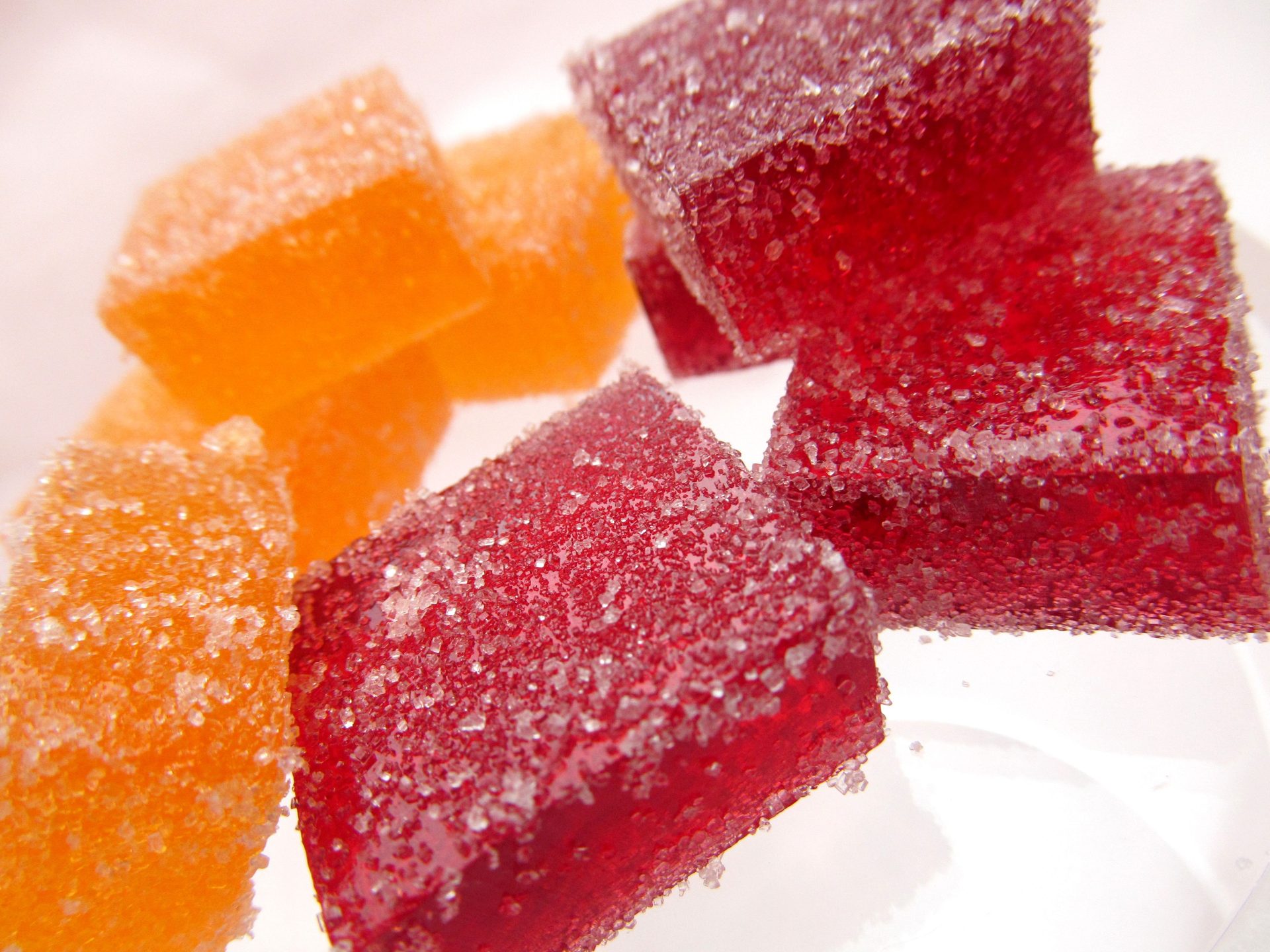
Whether you made a big batch of homemade grape jelly, stocked up on store-bought strawberry spread, or have leftover Jell-O from a party, the question is the same: can you freeze jelly? The short answer is yes — but how well it survives the freezer depends on the type of jelly, how you pack it, and what you plan to do with it afterward.
This guide walks you through everything you need to know, from choosing the right container to spotting signs of spoilage. If you want your jelly to come out of the freezer tasting as good as it went in, read on.
Can You Freeze Jelly?
You can freeze both store-bought and homemade jelly. That applies whether you’re talking about fruit spread jelly (the kind you put on toast) or gelatin-based jelly desserts like Jell-O. However, the experience after thawing can differ quite a bit between the two, so it’s worth understanding what you’re working with before you toss that jar in the freezer.
Freezing jelly is practical because of its high sugar content and gelled structure. Jelly usually contains a high amount of sugar, which naturally preserves it by inhibiting the growth of bacteria and mold. Sugar also lowers the freezing point of jelly, which means it freezes well without forming large ice crystals that can ruin its texture.
Like with every food product, jellies need to be stored in the refrigerator or freezer to achieve optimal longevity. Your freezer is the best storage option if you want to effectively maintain the jelly’s natural flavor and color. Leaving opened jelly at room temperature is not a good idea — jelly can go bad quickly, and in a short time you may encounter fermentation and even mold.
Pro Tip: If you made a large batch of homemade jelly, set aside the portion you want to freeze before serving the rest. This way you avoid contaminating the batch with utensils and can seal it fresh for the freezer.
Does Freezing Change the Texture or Taste of Jelly?
This is where the type of jelly matters most. Fruit spread jelly (pectin-based) and gelatin-based jelly desserts behave very differently in the freezer.
For fruit spread jelly, freezing does change it slightly, but usually not enough to ruin it. Because of the gel structure formed by pectin, jelly retains most of its consistency after freezing. However, some jellies might become a little less firm or more watery after thawing, especially if the jelly had a higher water content to start with. This is especially common with homemade jellies with lower pectin levels or store-bought jellies with additives.
The sweet, fruity flavor of jelly typically survives freezing and thawing very well. Although minor flavor changes can occur if freezing is prolonged or jelly is exposed to air causing freezer burn, most of the flavor remains intact. That’s because the sugar and acid in jelly act as natural stabilizers for flavor compounds.
For gelatin-based jelly desserts like Jell-O, the story is a bit different. Freezing can damage the polymers and colloids that bind the gelatin together. The Jell-O will then separate when you thaw it. The texture changes to a less-wiggly, soft, and chewy version of itself with tiny bits of ice sprinkled throughout. It doesn’t revert back to jiggly gelatin; unfortunately, defrosted Jell-O melts into a runny mess.
You might notice some slight separation or cloudiness when freezing jelly, but this usually disappears once the jelly thaws and you stir it gently. If your jelly was clear before freezing, it might turn a little cloudy, but this doesn’t affect taste or safety.
How to Freeze Jelly the Right Way
Freezing jelly correctly makes a noticeable difference in quality. Follow these steps and your jelly will come out of the freezer in much better shape.
- Let it set first. If you are freezing homemade jelly, make sure that it is properly set before placing it in the freezer. Freezing the jelly before it sets will be counterintuitive to your efforts because of the chemical reactions it will cause — premature freezing will ultimately prevent the jelly from setting altogether. If you are not careful, you will probably end up with something similar to frozen juice rather than jelly.
- Choose the right container. Choose freezer-safe containers like plastic jars, silicone molds, or rigid plastic containers with tight lids. Avoid glass jars unless they’re designed for freezing, as regular glass can crack due to expansion. Small containers or even ice cube trays work well if you want to freeze jelly in portions.
- Leave headspace. When putting the jelly into your chosen container, be sure to leave a bit of space from the top of the container — about half an inch should do it. This is because you need to take into account air expansion during the freezing process. Overfilling your container may cause it to burst.
- Seal it tight. Air exposure leads to freezer burn, which can affect the jelly’s flavor and texture. Seal the containers tightly, and for an extra layer of protection, wrap the containers in plastic wrap or place them inside zip-top freezer bags.
- Label and date. Always label your frozen jelly with the date you froze it. Add a use-by date as well so you know exactly when to pull it out.
- Freeze flat and fast. Make sure that you keep your container as flat as you possibly can. It’s worth the time to sort out your freezer before you add the jelly in and designate a lower shelf or compartment (usually the coldest one) to freeze your jelly. Quick freezing helps maintain the jelly’s texture by minimizing the size of ice crystals.
Pro Tip: Freeze jelly in single-serving portions using a silicone mold or ice cube tray. Once solid, transfer the cubes to a zip-top freezer bag. This way you only thaw exactly what you need, every time.
How Long Can You Freeze Jelly?
Frozen jelly has a shelf life of around six months to one year, so be sure to use it within that time period. That said, the quality window is narrower than the safety window.
| Jelly Type | Best Quality Window | Maximum Freeze Time |
|---|---|---|
| Homemade fruit spread jelly | 1–3 months | Up to 6 months |
| Store-bought fruit spread jelly | 3–6 months | Up to 12 months |
| Gelatin-based jelly (Jell-O) | Eat frozen; thawed quality drops | Up to 3 months |
Jelly can be in the freezer up to 3–6 months. Ideally, you should use up the jelly within 1–3 months, but if your freezer is in good order (meaning it doesn’t fluctuate in temperature, which can adversely affect the food inside) you can keep the jelly in the freezer for up to 6 months. The jelly won’t go off as such, but it might start to deteriorate in flavor, color, and structure.
For store-bought jelly in an unopened jar, freezing is often unnecessary. Store-bought jelly is safe to keep in the pantry on a shelf for at least 18 months. Freezing makes the most sense once a jar has been opened or when you’ve made a large homemade batch.
How to Thaw Frozen Jelly
Thawing jelly the right way protects both its texture and safety. Don’t rush this step — patience here pays off.
For the best texture, thaw your jelly in the fridge overnight or for about 12 hours. Slow thawing keeps the gel structure stable and prevents the jelly from becoming too watery. Leaving jelly out for hours can encourage bacterial growth and spoil the jelly. It also increases the chance of texture breakdown.
If you’re in a rush, it’s possible to put your container in the sink and thaw it with cool water. However, this can impact the appearance and setting of your jelly, so it’s best to go for the fridge option, particularly if you have enough time.
Once thawed, give your jelly a good stir to recombine any separated liquid and solids. This will restore a uniform texture. After thawing, jelly is best consumed within a week and should be kept refrigerated.
Important Note: Never microwave jelly to thaw it. The uneven heat will destroy the gel structure and leave you with a watery, separated mess. Always thaw slowly in the refrigerator.
Can You Refreeze Jelly After Thawing?
The short answer is no. Refreezing jelly is not recommended because repeated freezing-thawing cycles break down its gel structure and degrade quality. Technically it’s possible to refreeze previously frozen jelly, but it’s not recommended. You run the risk that something will go wrong with the jelly — it might get too soggy and bacteria might develop since it’s already been defrosted before.
Refreezing jelly will diminish its taste and affect its texture, so you should try using it all at once. If you’re concerned about portion size, freeze your jelly in small servings so you only have to thaw what you need at any given time.
This is exactly why the portioning step matters so much. Freeze in small, single-use amounts and you’ll never be in a situation where you’re tempted to refreeze. If you enjoy making spreads and preserves at home, you might also enjoy learning about whole plant-based foods that pair beautifully with homemade jelly.
How to Use Frozen Jelly (Best Uses After Freezing)
Even if your thawed jelly isn’t quite as firm as it once was, it’s still perfectly usable — you just need to put it in the right application. If your jelly’s texture isn’t perfect for spreading after freezing, use it in recipes instead. Frozen and thawed jelly works great in sauces, glazes, marinades, or desserts where texture is less critical.
Here are some of the best ways to use thawed jelly in American kitchens:
- PB&J sandwiches and toast — A slightly looser texture is barely noticeable once spread on bread. Grape and strawberry jelly work especially well here.
- Glazes for meat — Stir thawed jelly into a pan sauce or brush it over pork chops, chicken thighs, or ribs before roasting. Pepper jelly and apple jelly are popular choices for this.
- Salad dressings and vinaigrettes — Whisk a spoonful of thawed jelly into olive oil, vinegar, and mustard for a quick fruit-forward dressing.
- Baked goods — Use thawed jelly as a filling for thumbprint cookies, hand pies, or layer cakes. The texture change won’t matter at all once it’s baked.
- Yogurt and oatmeal topping — Swirl thawed jelly into plain Greek yogurt or stir it into a bowl of oatmeal for a quick, fruity breakfast.
- Cocktail mixers — Thawed jelly dissolves easily into warm water and can be used as a simple syrup substitute in cocktails and mocktails.
For gelatin-based jelly like Jell-O, the trick to enjoying frozen Jell-O is to eat it while it’s still frozen. Freeze Jell-O in ice cube trays and throw them in your ice shaver machine to make a summertime favorite, or turn them into an adults-only version and add some alcohol of choice. You can also learn about other unique foods that work well as frozen treats and dessert ingredients.
Signs That Frozen Jelly Has Gone Bad
Jelly stored properly in the freezer is generally safe for months, but it can still go bad — especially if it was stored too long, exposed to air, or thawed improperly. Here’s what to watch for before you use it.
| Sign | What It Means | What to Do |
|---|---|---|
| Visible mold (fuzzy spots) | Bacterial or fungal growth | Discard the entire container |
| Off or fermented smell | Spoilage has begun | Do not taste — throw it out |
| Severe freezer burn (dry, grayish patches) | Prolonged air exposure | Discard or cut away affected portions |
| Watery, fully separated texture | Extended freeze time or repeated thawing | Safe but poor quality; use in cooked applications only |
| Unusual color change | Oxidation or spoilage | Smell and taste-test cautiously; discard if in doubt |
Keeping jelly in the freezer for over a year will ultimately lead to less intense flavors. It will also probably lose some of its character and consistency. That kind of degradation is a quality issue, not necessarily a safety one — but if the jelly smells off or shows mold after thawing, discard it without tasting.
Maintaining good food storage habits matters beyond just jelly. If you’re interested in how diet connects to overall wellness, explore articles on superfoods for a healthy heart and foods for healthy skin for more practical food guidance.
Frequently Asked Questions
Can You Freeze Jelly in the Original Jar?
While you can technically freeze jelly in its original jar, it’s not recommended. The glass could crack or break during freezing, and the jar might not be freezer-safe. Transfer jelly to a rigid plastic container or a freezer-safe glass jar with at least a half-inch of headspace before freezing.
Can You Freeze Store-Bought Jelly?
Yes, you can freeze store-bought jelly. Plain fruit jelly is the best one for freezing and will last as long in the freezer as homemade jelly. Keep in mind that most unopened commercial jelly is shelf-stable for well over a year, so freezing is most useful once the jar has been opened.
Can You Freeze Jelly With Seeds?
It’s not recommended to freeze jelly with seeds, as they can become mushy and affect the texture. If you have a seeded variety, plan to use it fresh within the refrigerator’s recommended window instead.
How Long Does Jelly Last in the Fridge Before Freezing?
Homemade jelly has a shelf life of 1 to 3 days in the fridge as a minimum. If made plainly with just fruit juice or water and sugar, it can last up to 5–7 days. It’s essential to store the jelly in an airtight container or cover it with cling film to prevent it from drying out.
Can You Freeze Jelly That Contains Alcohol?
If you add a lot of alcohol to your jelly, the alcohol will prevent it from freezing and the jelly will stay slightly soft. Because of that, you might like to use this kind of jelly a bit sooner than regular jelly — say within one month.
Does Freezing Jelly Affect the Flavor?
Freezing Jell-O does not affect the flavor — the flavor of frozen Jell-O is unaltered. The same holds for fruit spread jelly: the sweet, fruity flavor of jelly typically survives freezing and thawing very well. Although minor flavor changes can occur if freezing is prolonged or jelly is exposed to air causing freezer burn, most of the flavor remains intact.
Can You Speed Up Jelly Setting in the Freezer?
Yes, you can speed up jelly setting in the freezer. However, monitor it closely to prevent total freezing. It’s best to start setting in the fridge first. You can also use the freezer to speed up the setting of your homemade jelly, because normally it can take 2–3 hours to set jelly in the fridge or even longer at room temperature.