Can You Freeze Buttermilk Biscuits? Everything You Need to Know

November 12, 2026
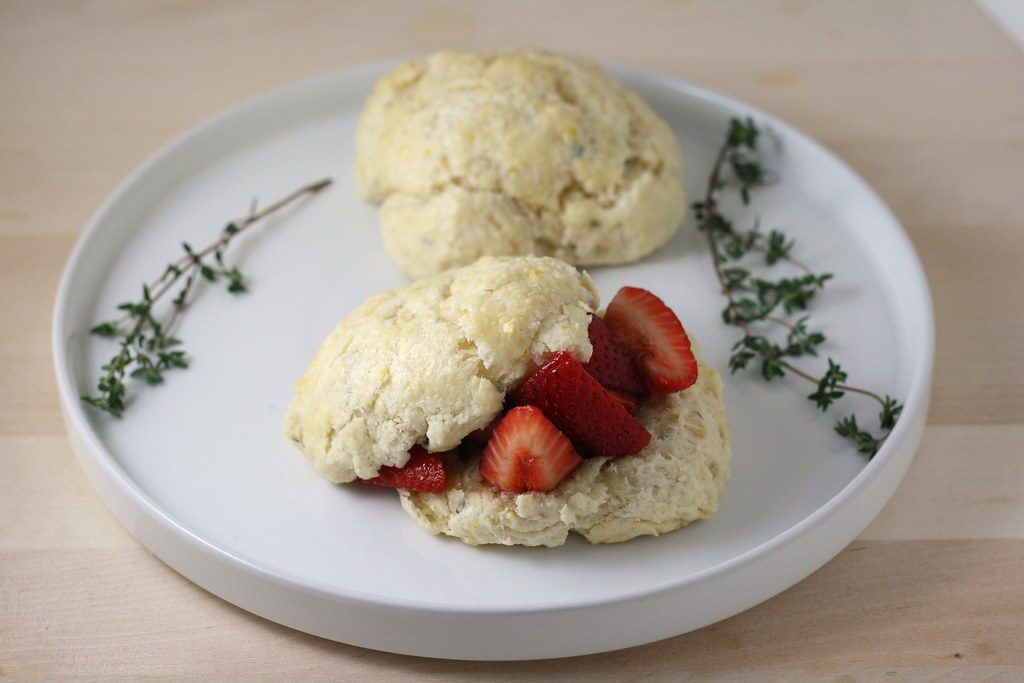
Buttermilk biscuits are one of those foods that practically beg to be made in big batches. Whether you bake them for a weekend brunch or a weeknight dinner, you often end up with more than you can eat in one sitting. The good news is that freezing them is not only possible — it works remarkably well.
Whether you want to freeze them before baking or after, this guide walks you through every step: how to prep them, how long they last, how to thaw and reheat them, and exactly what to watch for if something goes wrong.
Can You Freeze Buttermilk Biscuits?
You can absolutely freeze buttermilk-based foods like buttermilk biscuits. In fact, the freezer is one of the smartest tools you have for making biscuits work with your schedule rather than against it. A hot, fresh-from-the-oven buttermilk biscuit on a weekday morning is possible with a little advance planning.
You can either freeze buttermilk biscuits before baking or after baking. Both methods produce solid results, though each has its advantages. Freezing unbaked dough gives you the freshest possible biscuit straight from the oven. Freezing baked biscuits is faster to pull off and ideal when you have leftovers you want to save before they go stale.
Freezing works especially well because biscuits contain fat — like butter or shortening — which helps preserve moisture and texture during storage. That fat content is what sets biscuits apart from other baked goods and makes them one of the more freezer-friendly breads you can make at home.
Pro Tip: If you are going through the effort of making biscuit dough, double or triple the recipe. Freeze the extra portions in one session and you will have homemade biscuits ready to go for weeks.
Does Freezing Change the Texture or Taste of Buttermilk Biscuits?
Freezing does affect biscuits slightly, but not enough to ruin them. The bigger factor is how well you wrap and store them. Because biscuits contain butter or shortening, they hold their texture well during freezing and reheating. If stored in airtight packaging, frozen biscuits stay soft and flavorful for months.
The main risk is not the freezing itself — it is air exposure. Exposure to air can cause freezer burn, which may make biscuits taste dry or slightly stale over time. This is why proper wrapping matters so much.
When it comes to rise, some home bakers do notice a difference. Biscuits are good but are not quite as fluffy after they are frozen as they are when you just make them and bake them. Freezing unbaked dough tends to preserve rise better than freezing already-baked biscuits, because the leavening agents are still intact and activate during baking.
Allowing the butter or shortening to melt before going in the oven prevents the dough from rising as it bakes and changes the biscuit’s texture, making it dense and gummy. This is why baking frozen biscuit dough directly from frozen — without thawing — is the preferred method for unbaked dough.
How to Freeze Buttermilk Biscuits the Right Way
The method you use depends on whether your biscuits are baked or still raw dough. Both approaches require a flash-freeze step to prevent the biscuits from sticking together in the bag.
Freezing Unbaked Biscuit Dough
Freezing biscuit dough works especially well with classic buttermilk biscuits because they bake up soft and fluffy straight from frozen. Follow these steps for the best results:
- Prepare your biscuit dough as usual, cutting it into rounds or squares.
- Line a large baking sheet with parchment paper. Follow the recipe to the part where you cut out the biscuits. Set the biscuit rounds onto the lined baking sheet, leaving a little space between each biscuit. Cover the baking sheet in plastic wrap and set the whole baking sheet in the freezer. Leave the biscuits in the freezer for 20 to 30 minutes.
- Transfer the biscuits to a parchment paper-lined baking sheet and freeze until solid, at least 4 hours. Transfer the frozen biscuits to a gallon-sized zip-top bag for long-term freezer storage.
- Label the zip-top bag with the date, type of biscuits, and the oven temperature, which should be about 25 degrees lower than the temperature written in the recipe. For example, if fresh biscuits are baked at 450°F, write 425°F on the freezer bag.
Pro Tip: Push all the air out of the bag before sealing it. When using the freezer for food storage, the goal is to prevent freezer burn. Freezer burn is when food is damaged from dehydration and oxygen reaching the food. Less air means better biscuits later.
Freezing Already-Baked Biscuits
If you have leftover baked biscuits you want to save, let them cool completely before freezing. If you are working with non-cooled bread, the containers and wrappings will all become very condensation-heavy, leading to a disappointing final product.
- Allow biscuits to cool fully to room temperature.
- Wrap each biscuit individually in foil to ensure that their tender texture will not be damaged as they are jostled about in the freezer.
- Place each wrapped biscuit into a large freezer bag, pressing out all the excess air and sealing tightly.
- Label with the date and store flat in the freezer.
How Long Can You Freeze Buttermilk Biscuits?
Both baked biscuits and biscuit dough can last up to 3 months in the freezer. Some sources suggest a slightly shorter window of 2 months for best quality, particularly for baked biscuits. The safest approach is to aim to use them within 2 to 3 months and always label your bags with the date so you know exactly what you are working with.
| Biscuit Type | Freezer Life | Best Storage Method |
|---|---|---|
| Unbaked dough (homemade) | Up to 3 months | Flash freeze on tray, then zip-top freezer bag |
| Baked biscuits (homemade) | 2 to 3 months | Individual foil wrap + freezer bag |
| Canned/store-bought dough | Up to 2 months | Flash freeze on tray, then freezer bag |
After 3 months, biscuits are still safe to eat, but texture may change. You may notice more dryness or a slightly stale flavor the longer they sit. For the best eating experience, try to use them within the recommended window.
How to Thaw Frozen Buttermilk Biscuits
The right thawing method depends on whether your biscuits are baked or unbaked. For unbaked dough, the answer is simple: do not thaw at all.
Thawing Unbaked Biscuit Dough
When ready to bake frozen biscuits, do not worry about thawing. Take the frozen biscuits straight from the freezer to the baking tray and bake. Keep in mind that they will take three to five minutes longer to bake depending on how many you bake off at a time.
This approach keeps the fat cold right up until baking, which is exactly what you want. Thawing a biscuit before baking goes against the basic tenet of biscuit baking: everything must stay cold. Cold fat creates steam in the oven, which is what produces those flaky, layered layers.
Thawing Baked Biscuits
For already-baked biscuits, you have a couple of options. You can thaw them overnight in the refrigerator, then reheat in the oven. Wrap your biscuits in aluminum foil and reheat in a 350°F oven for 10 minutes, or until warmed through, or heat in the microwave for 15 seconds.
You can also reheat baked biscuits directly from frozen by placing them in a 350°F oven for 15 to 20 minutes. Because butter is a solid at room temperature, biscuits will feel and taste dry if eaten cold, so always warm them before serving regardless of which method you choose.
Pro Tip: Avoid microwaving baked biscuits for more than 15 to 20 seconds. Longer microwave times make the crumb rubbery and tough rather than soft and tender.
Can You Refreeze Buttermilk Biscuits After Thawing?
Refreezing baked biscuits after thawing is generally not recommended. Each freeze-thaw cycle pulls more moisture out of the crumb, leaving you with a noticeably drier, tougher biscuit. The texture loss compounds with each cycle.
For unbaked dough, the concern is even more significant. It is essential to keep biscuit dough chilled before baking. Allowing the butter or shortening to melt before going in the oven prevents the dough from rising as it bakes and changes the biscuit’s texture, making it dense and gummy. Thawing and refreezing dough risks partial fat melt, which undermines the rise you are counting on.
The best way to avoid the refreezing dilemma entirely is to flash-freeze individual biscuits before bagging them. Flash freezing prevents biscuits from sticking together so you can grab just what you need later. Pull out only what you plan to use in one sitting, and leave the rest undisturbed in the freezer.
How to Use Frozen Buttermilk Biscuits (Best Uses After Freezing)
Frozen buttermilk biscuits are more versatile than most people realize. Beyond serving them as a simple side, they work well in a wide range of American comfort food dishes — especially when reheated properly.
- Biscuits and Gravy: Frozen biscuits work well for sausage gravy and biscuits or whenever you are in the mood for biscuits with jam or honey. Reheat the biscuits in the oven while you prepare the gravy on the stovetop.
- Breakfast Sandwiches: Split a reheated biscuit and fill it with scrambled eggs, a slice of cheese, and breakfast sausage or bacon for a fast grab-and-go meal.
- Pot Pie Topping: Place frozen unbaked biscuit rounds directly on top of a bubbling pot pie filling and bake according to the biscuit instructions. The result is a hearty, home-style topper that bakes up golden brown.
- Chicken and Biscuits: Use thawed baked biscuits as the base for creamy chicken stew, a Southern staple that turns leftover rotisserie chicken into a full dinner.
- Shortcake Base: Slightly sweetened buttermilk biscuits make an excellent base for strawberry shortcake. Reheat, split, and top with macerated strawberries and whipped cream.
- Dumplings in Soup: Cut unbaked frozen dough into smaller pieces and drop them directly into a simmering soup or stew. They cook through in about 15 minutes and add a satisfying, hearty texture.
If you enjoy exploring different ways to use pantry staples, you might also find ideas in this overview of whole plant-based foods that pair well with biscuit-based meals, or browse traditional South African food for international inspiration on bread-based comfort dishes.
Signs That Frozen Buttermilk Biscuits Have Gone Bad
Even in the freezer, biscuits can deteriorate past the point of being worth eating. Knowing what to look for saves you from a disappointing meal — or worse, a food safety issue.
Freezer Burn: Freezer burn is when food is damaged from dehydration and oxygen reaching the food. If you have ever found an old bag of frozen vegetables in the freezer, you know that the dehydration causes the food to shrivel up. On biscuits, freezer burn shows up as dry, grayish-white patches on the surface. The biscuit is still technically safe to eat, but the affected areas will taste dry and papery.
Mold: Any appearance of mold, whether white, green, or black, indicates spoilage and the biscuits should be discarded immediately. Mold on frozen biscuits is uncommon but can occur if moisture got into the bag before sealing.
Off Odor: If a biscuit smells stale, musty, sour, or otherwise off, it is best to discard it. Trust your nose — it is often the best indicator of spoilage.
Texture Problems: Stale biscuits may become dry, hard, or crumbly, while spoiled biscuits may develop an off smell, slimy texture, or mold growth. A slimy texture after thawing is a clear sign to throw the biscuits out.
Off Taste: A stale or unusual taste is a sure sign that the biscuits are no longer fresh. If something tastes bitter, rancid, or just wrong, do not continue eating them.
Important Note: When in doubt, throw it out. The cost of a batch of biscuits is far less than the discomfort of foodborne illness. Always label your frozen biscuits with the date so you can track how long they have been stored.
Frequently Asked Questions
Can You Freeze Store-Bought Canned Biscuit Dough?
Yes. The freezer is the best spot for impressively long food storage, including canned biscuits. Canned biscuits can easily last up to three months beyond the expiration date when stored in the freezer. Flash-freeze individual rounds on a baking sheet first, then transfer to a freezer bag so you can pull out only what you need.
Do Frozen Biscuits Rise as Much as Fresh Ones?
They can, but results vary. Unbaked frozen dough generally rises well because the leavening agents activate during baking. Baking from frozen without thawing first — rather than letting the dough warm up on the counter — helps preserve the rise. Oven temperature can also be a factor; raising the temperature slightly and moving the pan to the top shelf can improve browning and rise on frozen biscuit dough.
How Long Do Biscuits Last in the Refrigerator?
Biscuits will generally last in the refrigerator for 5 to 7 days, depending on the ingredients and storage. If you know you will not eat them within that window, move them to the freezer instead.
Can You Freeze Biscuit Dough That Has Already Been Rolled?
Yes. Once you have cut your biscuits into rounds or squares, you can freeze them on a parchment-lined baking sheet until solid, then transfer to a freezer bag. This is actually the recommended method because it prevents the biscuits from sticking together and lets you bake exactly as many as you need at one time.
What Is the Best Way to Reheat a Frozen Baked Biscuit?
The oven gives you the best texture. Wrap the biscuit in foil and heat at 350°F for about 10 minutes. The foil traps steam, which helps restore moisture. If you are short on time, a 15-second burst in the microwave works, but avoid going longer or the crumb will toughen. For more tips on healthy eating and food storage, check out this guide to superfoods for a healthy heart or explore foods for healthy skin to round out your meal planning.
Can You Freeze Biscuits Made with Buttermilk Substitute?
Yes. Whether you use real cultured buttermilk or a homemade substitute — such as milk with a tablespoon of lemon juice or white vinegar stirred in — the biscuits freeze just as well. The fat content from the butter or shortening is what drives freezer performance, not the buttermilk itself.