Can You Freeze Kefir? What to Expect and How to Do It Right

October 29, 2026
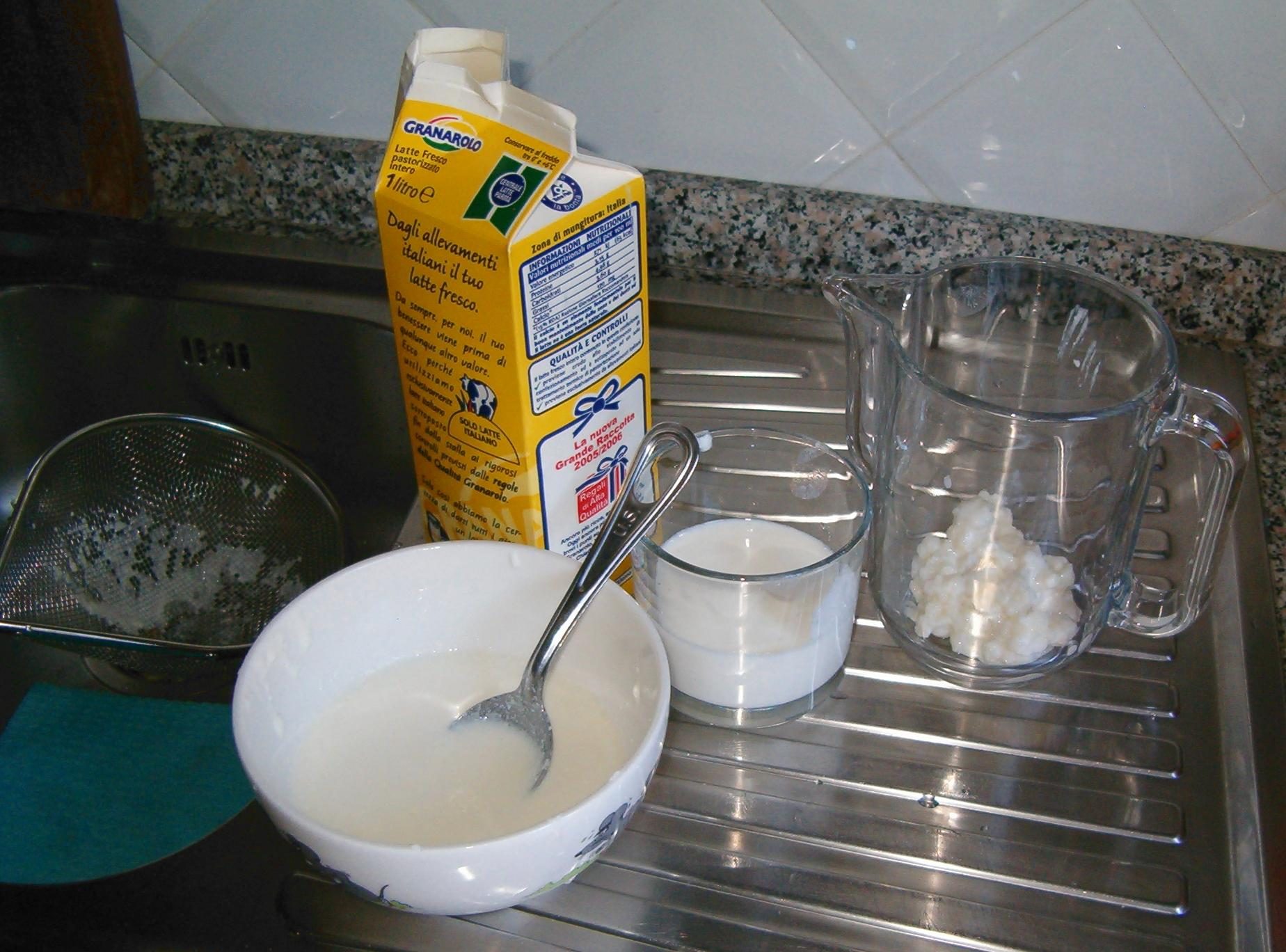
Kefir is one of those foods you tend to buy with good intentions — and then find yourself with a half-full bottle and a fast-approaching expiration date. Freezing sounds like the obvious fix, but kefir is a live, fermented dairy product, which means the rules are a little different than freezing milk or yogurt.
The short answer: yes, you can freeze kefir. You can freeze kefir for up to three months without losing its probiotic potency, though the texture will shift from creamy to grainy due to protein separation. That trade-off matters depending on how you plan to use it. This guide covers everything you need to know — from how to freeze it properly to the best ways to put thawed kefir to work in your kitchen.
Can You Freeze Kefir?
Yes — freezing kefir is possible and safe, and it’s a practical way to reduce waste when you have more than you can drink before it goes bad. Freezing drinkable kefir can be tricky, but it can be done. Lifeway, one of the most widely sold kefir brands in the United States, does not recommend putting kefir in the freezer while still in the bottle, as this will cause the liquids and solids to separate, and the kefir may lose its creamy consistency once thawed.
That said, freezing is far from a perfect solution. The freezing process puts the live cultures into a state of dormancy, and ice crystal formation physically alters the liquid’s structure. The result after thawing is a grainier, separated product that works much better as a cooking or baking ingredient than as a straight drink.
Pro Tip: If you drink kefir primarily for its probiotic benefits, try to use it fresh first. Freeze only what you genuinely cannot finish before the expiration date.
You can also freeze kefir grains separately, which is useful if you make your own kefir at home and need to pause production. Kefir grains can be frozen for long-term storage. Freezing slows microbial activity and allows the grains to remain inactive until they are thawed and used again. The process for freezing grains differs from freezing finished kefir, and both are covered below. If you enjoy making your own batches at home, our guide on coconut kefir is a great place to explore non-dairy alternatives.
Does Freezing Change the Texture or Taste of Kefir?
Expect noticeable changes — particularly in texture. Research on cow’s milk and goat’s milk kefir found that freezing increases whey separation and decreases viscosity. By day 15 of frozen storage, the changes were already significant. The protein structure destabilizes, causing the thicker portion to settle to the bottom while watery serum collects on top.
Panelists in one study described a noticeable grainy texture and a heterogeneous, separated appearance. For cow’s milk kefir, shaking the thawed product before drinking made it acceptable to taste testers. Goat’s milk kefir fared worse and was rated unacceptable even after mixing. If you plan to freeze kefir, cow’s milk versions will hold up better.
On the flavor side, the changes are usually milder. Some people report a slight souring or tanginess after freezing, while others notice no significant change. The intensity of the flavor change can vary depending on the duration of freezing. Freezing also dissipates some of kefir’s natural carbonation, so kefir’s natural carbonation may dissipate during freezing, resulting in a smoother, less effervescent beverage.
As for probiotics: freezing kefir slows down bacterial activity but does not kill all probiotics. Many beneficial bacteria survive freezing, although their numbers may be reduced. Frozen kefir can still contain live cultures after thawing, but the total number of probiotic bacteria is usually lower than in the fresh product. The longer the storage time, the greater the reduction is likely to be.
Key Insight: Texture is the bigger concern, not nutrition. Most vitamins, minerals, and a good portion of the live cultures survive freezing — the main casualty is the smooth, drinkable consistency.
How to Freeze Kefir the Right Way
Getting the process right makes a real difference in how usable your kefir is after thawing. The biggest mistake is freezing kefir directly in its original bottle or glass jar. It is not recommended to freeze kefir in glass jars, as they may break due to expansion during freezing. Use freezer-safe plastic containers or silicone trays instead.
Here is the step-by-step process for freezing finished liquid kefir:
- Choose fresh kefir. Only freeze kefir that is still within its use-by date and smells normal. Freezing does not rescue kefir that is already turning.
- Portion it out. Pour the kefir into an ice cube tray. This lets you thaw only what you need and avoids repeated freeze-thaw cycles. Alternatively, use small freezer-safe containers sized for individual recipes.
- Leave headspace. Pour the kefir into individual molds, leaving at least a quarter-inch at the top for expansion. Liquid expands as it freezes, and skipping this step can crack your container.
- Freeze the cubes, then bag them. Once the cubes are frozen solid, transfer them to a heavy-duty freezer bag. This secondary layer of protection prevents freezer burn and keeps the sensitive probiotics shielded from light and air.
- Label with the date. Always label your frozen kefir with the date of freezing to keep track of its shelf life.
- Set your freezer temperature. Ensure your freezer is set to 0°F (-18°C) or lower to keep the kefir frozen solid.
If you are freezing kefir grains rather than finished kefir, the process is slightly different. Rinse the kefir grains gently with fresh milk, pat the grains dry using a clean paper towel, place the grains in a small freezer-safe container or bag, and seal the container before placing it in the freezer. Some fermenters lightly coat the grains with milk powder before freezing to help protect the cultures.
How Long Can You Freeze Kefir?
The answer depends on whether you are freezing finished liquid kefir or the grains themselves.
| Type | Freezer Life | Best Used Within |
|---|---|---|
| Finished liquid kefir | Up to 3 months | 1–2 months for best probiotic content |
| Kefir grains | Up to 6 months | 6 months |
While you can freeze kefir for several months, it is best to consume it within one to two months for optimal probiotic content. The longer it sits in the freezer, the more the texture and bacterial count degrade.
For kefir grains, dusting a little bit of powdered milk over the top of the grains before sealing the jar helps them stay fresh for up to 6 months in the freezer. Beyond that window, the cultures may be too weakened to produce a good batch of kefir even after reactivation.
Kefir is also a nutrient-dense food worth preserving. It contains calcium, B vitamins, and protein — nutrients that support everything from heart health to hormonal balance. Keeping a frozen supply means you always have it on hand for cooking, even when you run out of fresh.
How to Thaw Frozen Kefir
Thawing kefir slowly is the most important step for preserving whatever probiotic activity remains. To thaw frozen kefir, move it from the freezer to the refrigerator and allow it to defrost gradually. This process can take several hours or overnight, depending on the quantity of kefir you are thawing. Avoid thawing kefir at room temperature or using a microwave, as rapid temperature changes can degrade the probiotics and alter the texture.
Once thawed, separation is normal and expected. Once the kefir is fully thawed, it may separate slightly. Simply give it a gentle stir to recombine the ingredients before consumption or use. If the texture is still too grainy for drinking, a high-speed blender offers the most consistent results for large batches by pulverizing frozen protein clumps.
For a quick thaw when you need just a small amount, submerging the container in a bowl of lukewarm water can speed things up without the heat damage caused by a microwave. This works especially well with individual ice cube portions.
Important Note: Never refreeze kefir that has been thawed at room temperature. Always thaw in the refrigerator and use within 24–48 hours of thawing for best results.
Can You Refreeze Kefir After Thawing?
Refreezing kefir is not recommended. Repeatedly freezing and thawing kefir can degrade its quality. Freeze in small batches to avoid this. Each freeze-thaw cycle causes additional protein breakdown, more whey separation, and further reduction in live culture counts.
This is precisely why portioning kefir into ice cube trays or small single-serving containers before the initial freeze is so valuable. Freezing kefir requires a tactical approach to avoid a grainy, separated mess. You must implement portion control to manage your supply and prevent the degradation caused by repeated thawing and refreezing cycles. This strategy ensures you only defrost the exact amount needed for a single smoothie or culinary application.
For kefir grains specifically, freezing kefir grains multiple times can reduce their viability. It is recommended to freeze them only once for optimal results.
How to Use Frozen Kefir (Best Uses After Freezing)
Thawed kefir works best in recipes where its changed texture is a non-issue. There is a large group of recipes that do not rely on the original consistency: cooked dishes. In cooked dishes, you mix kefir with other ingredients and warm it up in one way or another, and its texture does not have anything to do with the texture of the final dish.
Here are the best ways to use frozen kefir after thawing:
- Smoothies: Pour the kefir into an ice cube tray and blend before consuming. Frozen kefir cubes blend directly into smoothies without needing to thaw first — a convenient shortcut.
- Baking: Thawed kefir works as a buttermilk substitute in pancakes, muffins, quick breads, and biscuits. The acidity helps activate baking soda and tenderizes the crumb.
- Salad dressings and dips: Use kefir as an ingredient for unique dips for veggies, chips, or crackers. Add your favorite herbs and spices. A kefir-based ranch dressing is a popular American application that works well with thawed kefir.
- Marinades: The lactic acid in kefir tenderizes chicken and pork effectively. Thawed kefir is ideal for this since texture is irrelevant once the meat hits the grill or oven.
- Soups and sauces: Stir thawed kefir into cold soups like cucumber gazpacho, or use it as a tangy base for cream sauces. Avoid boiling it directly, as high heat will break the proteins further.
Kefir is a versatile ingredient beyond the glass. Its probiotic properties and tangy profile also make it a good addition to skin-supporting diets and recipes focused on liver function. For anyone building a nutrient-rich eating pattern, keeping frozen kefir on hand adds flexibility without food waste.
Signs That Frozen Kefir Has Gone Bad
Not all changes in frozen or thawed kefir signal spoilage — some are simply the normal effects of freezing. Knowing the difference protects you from both food waste and foodborne illness.
Normal after freezing (not spoilage):
- Separation of whey and solids — stir or blend to recombine
- Grainy or slightly lumpy texture — normal protein breakdown from ice crystals
- Slightly more pronounced tang — expected from altered microbial activity
- Loss of carbonation — normal; kefir’s natural effervescence dissipates in the freezer
Actual spoilage signs — discard immediately:
- Signs of spoilage in kefir include an off sour smell, the presence of mold, or an unpleasant sour taste.
- The growth of mold on the surface is the most obvious sign. It might be noticeable, or appear as just a few orange and pink spots.
- If it feels chunky and you are having difficulty pouring it, it has likely reached its limit.
- A slimy surface or unusual discoloration — mold, an off odor, or a slimy surface are the clearest signs it has spoiled and should be discarded.
At best, drinking spoiled kefir means consuming an ill-tasting beverage. At worst, you end up with a bout of food poisoning accompanied by stomach pain, vomiting, and other unpleasant symptoms. When in doubt, throw it out.
Kefir is just one of many fermented and probiotic-rich foods worth incorporating into a balanced diet. If you are interested in other foods with functional health benefits, explore our articles on cancer-fighting nutrients and whole plant-based foods for a broader picture of how food supports long-term health.
Frequently Asked Questions
Does Freezing Kefir Kill the Probiotics?
Freezing kefir slows down bacterial activity but does not kill all probiotics. Many beneficial bacteria survive freezing, although their numbers may be reduced. The probiotic count decreases over time in the freezer, so using frozen kefir within one to two months gives you the best return on its health benefits.
Can You Freeze Store-Bought Kefir?
Yes. The same rules apply to store-bought and homemade kefir. Store-bought kefir can often last for up to a week after opening, which means you do not need to freeze the leftovers right away and have at least a couple of days to use them. If you are nearing the end of that window, freezing in portioned containers is a smart move.
Can You Freeze Flavored Kefir?
Yes, you can freeze flavored kefir, but the flavor may intensify slightly after freezing. Strawberry, blueberry, and vanilla varieties all freeze well for use in smoothies and baked goods. The added sugars in flavored kefir do not affect the freezing process.
How Long Does Kefir Last in the Refrigerator?
When properly stored in the refrigerator, opened kefir has a shelf life of up to two weeks, according to the USDA. Homemade kefir can last anywhere from one to three days in the refrigerator without added preservatives, so home fermenters have more reason to freeze excess batches.
Can You Freeze Kefir Grains?
Freezing is generally used for longer storage periods when fermentation will be paused for several weeks or months. Kefir grains can be stored in the freezer for up to six months. After thawing, frozen kefir grains may take several fermentation cycles before they regain full activity. In many cases, the first batch after thawing may appear thinner or ferment more slowly.
What Is the Best Way to Use Thawed Kefir?
Using thawed kefir only really works well in cooked dishes. Drinking it as-is is doable, but fresh kefir is much better. Smoothies, baked goods, marinades, and dressings are the top practical uses for thawed kefir in American home kitchens. You can also explore nutrient-rich food combinations and other functional food choices to round out a health-focused diet that includes fermented foods like kefir.