
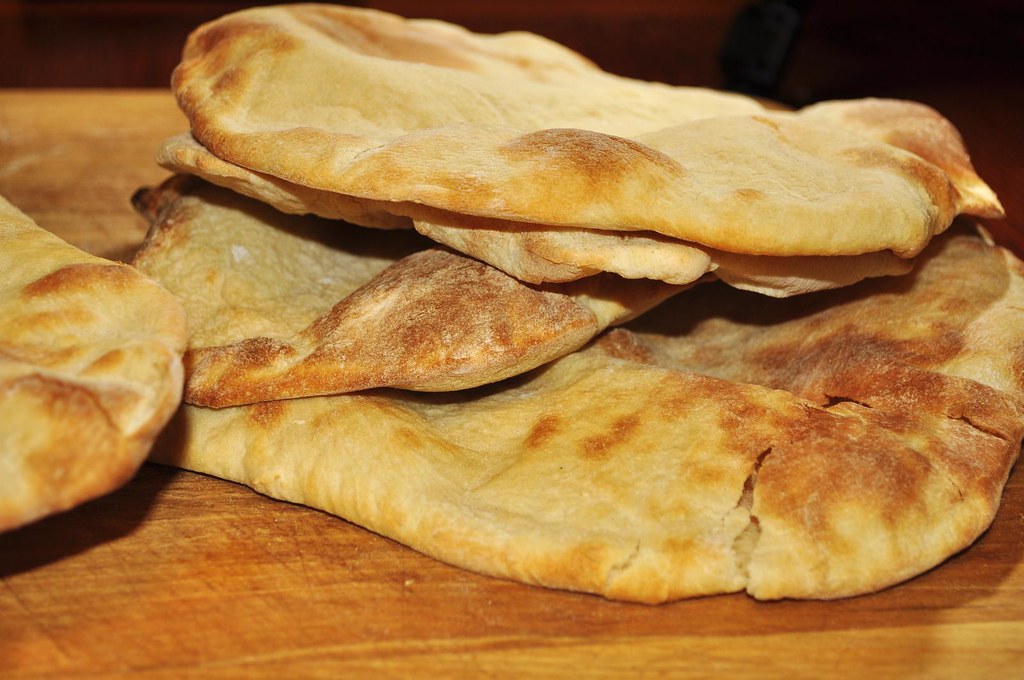
Pita bread is one of those pantry staples that disappears fast when you need it and goes stale even faster when you don’t. Freshly baked pita contains moisture, and if you leave it at room temperature, it may become stale or dry within a few days. Freezing solves that problem completely, whether you bought a pack on sale, baked a batch from scratch, or just have a few rounds left over from dinner.
The good news is that pita bread is one of the friendlier breads to freeze. You can freeze pita bread, and pitas freeze really well. The whole process takes only a couple of minutes and doesn’t require anything besides some freezer bags and perhaps aluminum foil or plastic wrap. This guide walks through everything you need to know — from wrapping technique to thawing methods to spotting spoilage.
Can You Freeze Pita Bread?
Freezing pita bread is an excellent way to extend its shelf life while maintaining its soft, flexible texture. Freezing locks in that freshness, allowing you to enjoy the bread later without compromising taste. This applies to both store-bought and homemade varieties.
Grocers commonly freeze pita bread as an economical way to stock it without high demand, so there is no reason you can’t freeze it at home as well. Freezing does not significantly alter the nutritional value of pita bread — the vitamins, minerals, and fiber content remain relatively the same.
Pro Tip: Freeze pita bread as soon as possible after buying or baking it. The quality will not improve in the freezer, and if the bread is already stale, freezing will only preserve its current state.
Pita bread comes in varieties made from refined and whole wheat flour. Refined pita bread is better for freezer storage, but whole-grain options provide more significant nutritional benefits. If you regularly enjoy whole plant-based foods, whole wheat pita is a solid choice — just know it may thaw with a slightly denser texture than white pita.
Does Freezing Change the Texture or Taste of Pita Bread?
Freezing does affect the texture of pita bread, but the impact can be minimized with proper handling. When thawed, frozen pita may lose some of its softness and become slightly chewier or denser. The degree of change depends almost entirely on how well you wrapped it before freezing.
One of the key benefits of freezing pita bread is its ability to maintain flavor and prevent staleness. Unlike refrigeration, which slows down but doesn’t stop the staling process, freezing virtually halts it. That makes the freezer a better long-term option than the fridge for pita bread.
When pita bread is frozen, the water molecules inside the bread form ice crystals. This process can cause the bread to become dry or develop off-flavors. Good wrapping reduces ice crystal formation significantly, which is why airtight packaging matters so much.
To restore its original texture, reheat the pita bread in a toaster, oven, or on a stovetop over medium heat for a few seconds. Avoid microwaving, as it can make the bread soggy. Freezing also preserves the pocket structure of pita bread, making it suitable for stuffing or dipping once reheated.
How to Freeze Pita Bread the Right Way
The steps below work for store-bought and homemade pita alike. The key variables are temperature at the time of freezing, how well you remove air, and whether you separate individual rounds before they go in the freezer.
- Cool completely first. Allow pita to cool to room temperature if it’s freshly baked or warmed. Freezing warm bread can lead to condensation, which may cause sogginess or ice crystals to form.
- Separate the rounds. If you’re freezing multiple pieces, place a square of parchment paper between each pita to prevent sticking. This makes it easier to remove individual pieces without thawing the entire batch.
- Wrap each pita. Wrap each pita in plastic wrap or aluminum foil. This extra layer helps preserve moisture and protects against freezer odors.
- Bag and remove air. Transfer the wrapped pitas to a heavy-duty freezer bag. Press out as much air as possible before sealing to reduce the risk of freezer burn.
- Label with the date. Add a label with the freezing date. While pita bread can last up to three months frozen, using it within the first month ensures optimal freshness.
- Store flat. Organize your freezer to ensure the pita bread is stored in a flat, stable position. This helps maintain its shape and makes it easier to retrieve when needed. Avoid stacking heavy items on top, as this could cause it to become misshapen.
Pro Tip: If you plan on consuming all your frozen pita breads within a month or so, they don’t really need any extra wrapping besides the freezer bag that keeps them together — they still retain quality quite well. But if your pitas might sit in the freezer for longer, individual wrapping is worth considering.
For the longest-lasting protection, place stacked pitas in a heavy-duty freezer bag, squeeze out air, or vacuum-seal. Double-wrap with plastic plus foil for longest life. Also make sure your freezer is set correctly: ensure your freezer is set to 0°F (-18°C) or below for optimal preservation.
How Long Can You Freeze Pita Bread?
USDA advice on bread storage suggests that bread products keep their quality in the freezer for around three months. Flat breads such as pita fit this pattern. Many food storage charts list flat bread and pita at up to four months for best eating quality, which lines up with real kitchen experience.
Going beyond that window doesn’t make the bread unsafe, but it does affect quality. Pita breads frozen for 4 or even 6 months will still be just fine — probably a bit drier than those frozen for a much shorter period, but with some delicious stuffing, they will taste quite good.
| Storage Method | Estimated Shelf Life | Quality Notes |
|---|---|---|
| Room temperature (airtight) | 1–4 days | Best for immediate use |
| Refrigerator | Up to 1 week | Slows mold but accelerates staling |
| Freezer (basic bag) | Up to 3 months | Good quality with proper sealing |
| Freezer (individually wrapped + bag) | 3–6 months | Best quality; minimal texture loss |
While refrigerating pita bread can extend its shelf life, it can also cause the bread to dry out more quickly. The freezer is the better choice for anything you won’t eat within a couple of days. If you enjoy exploring traditional Greek foods or traditional Egyptian food that pair naturally with pita, keeping a frozen stash on hand means you’re always ready to put a meal together.
How to Thaw Frozen Pita Bread
You have three solid options for thawing, and the right one depends on how much time you have. Each method produces slightly different results, so it’s worth knowing what to expect from each.
Room temperature (recommended): The easiest method is to thaw the pita at room temperature. Simply remove the desired number of pitas from the freezer and let them sit on the counter for about 15–30 minutes. This allows them to thaw gradually without becoming soggy.
Refrigerator (overnight): For a slower thaw, you can place the frozen pita bread in the refrigerator overnight. This is a good option if you plan to use the pita the next day. Keep it wrapped during the fridge thaw to prevent the surface from drying out.
Microwave (quick option): Start by setting the microwave on defrost setting (or 50% to 60% power), and microwave in 30-second increments until defrosted. Then set the device on full power and heat in short 15- to 20-second increments until warm enough. For best results, microwave one to three at a time, instead of a stack of seven.
After thawing, a quick reheat makes a big difference. For the best results, reheat frozen pita bread in a dry skillet or on a griddle over medium heat. Preheat the skillet for a minute or two before placing the pita on it. This method helps revive the bread’s texture, giving it a warm, slightly toasted exterior while keeping the interior soft.
Pro Tip: If your pitas tend to dry out in the microwave, try placing a dampened paper towel on top of each pita (or between pitas, if they’re stacked). That should help mitigate the issue.
Can You Refreeze Pita Bread After Thawing?
This is one of the more common questions, and the short answer is: it’s technically possible, but not a great idea. Refreezing pita bread is generally not recommended, as it can negatively affect its texture and taste. The repeated freezing and thawing cycles can cause ice crystals to form, making the pita bread soggy or tough.
Since pita is a low-risk bread product, refreezing once is usually safe, but quality slips faster with each round. The texture gets drier and more crumbly. A better plan is to freeze pita in small bundles so you only pull what you need for that meal.
Refreezing pita bread is not recommended. The thawing and refreezing process can alter the texture and increase the risk of bacterial growth. It’s best to freeze pita in smaller portions to avoid thawing more than you need. Portioning before you freeze is the simplest way to avoid the problem entirely.
Once thawed, for the best taste and texture, consume thawed pita within 5–7 days. Store it at room temperature in an airtight bag or container during that window.
How to Use Frozen Pita Bread (Best Uses After Freezing)
Frozen and thawed pita bread is just as useful as fresh — sometimes more so, because a slightly firmer texture holds up better in certain preparations. Here are the best ways to put it to work in your kitchen.
- Wraps and sandwiches: Warm thawed pita in the microwave or skillet, slice in half, and gently open the pocket. Fill with cooked chicken, beans, roasted vegetables, or spreads.
- Pita pizzas: Top thawed or lightly baked pita with tomato sauce, cheese, and any toppings you have on hand. Bake on a hot oven rack until the edges crisp and the cheese melts.
- Dips: Serve with creamy hummus, tzatziki, or baba ghanoush for a simple appetizer or snack.
- Pita chips: Turn older frozen pita into chips. Thaw the rounds enough to cut, slice into wedges, toss with a little oil and seasoning, and bake until crisp. These chips pair well with hummus, yogurt dips, and cheese spreads, and they rescue pita that has lost some softness but is still safe to eat.
- Soups and stews: On nights when you heat a pot of lentil soup or a chickpea stew, warm a few pita rounds in a skillet. The bread soaks up broth and gives a satisfying chew without much extra work.
- Salad topping: Toast and crumble the pita bread to add crunch to salads.
Pita pairs especially well with Mediterranean and Middle Eastern dishes. If you want ideas for building out a full spread, check out this guide to traditional Pakistani food or browse traditional South African food for more globally inspired meal ideas that work well with flatbread.
If you’re thinking about the nutritional side of your meals, pita is a reasonable base — it is generally lower in calories than sandwich bread and is an excellent source of protein and digestible carbohydrates with impressive amounts of vitamin B, selenium, and manganese. Pairing it with nutrient-dense fillings makes it even better. For more on building a balanced plate, see this overview of superfoods for a healthy heart or explore foods for healthy skin.
Signs That Frozen Pita Bread Has Gone Bad
Frozen pita bread rarely poses a food safety risk when stored correctly, but quality can still decline. Knowing what to look for helps you decide whether to reheat or toss.
Freezer burn: Freezer burn can affect your pita bread’s quality. It happens when food gets exposed to air, leading to dehydration and oxidation. Watch for dry spots — little patches that look dry and off-color — ice crystals forming on the bread or inside the packaging, and texture changes where the bread feels hard or crumbly.
Off odor: You’ll notice the bread is spoiled after unwrapping if you detect a sour odor once you open it. Any funky or ammonia-like smell is a clear sign to discard the bread.
Mold: The bread might also have some mold on top of it or become soggy inside, which means it’s no longer safe to eat. Even small visible spots of mold mean the whole piece should go in the trash.
Discoloration: If you notice any signs of freezer burn, such as grayish spots or a dry, leathery texture, it’s best to discard it.
| Sign | What It Looks Like | What to Do |
|---|---|---|
| Freezer burn (minor) | Small dry patches, slight discoloration | Cut away affected area; toast the rest |
| Freezer burn (major) | Large grayish areas, leathery texture | Discard |
| Off smell | Sour, stale, or ammonia-like odor | Discard |
| Visible mold | Green, black, or white fuzzy spots | Discard immediately |
| Sogginess | Wet or mushy texture after thawing | Discard |
While you can technically freeze stale pita bread, it won’t improve its quality. Freezing is best used as a preventative measure for fresh pita. If your pita is already stale, consider repurposing it into croutons or pita chips.
Frequently Asked Questions
Can you freeze homemade pita bread?
Yes, you can freeze homemade pita bread just as you would store-bought pita bread. The same principles of cooling, wrapping, and storing apply. Freeze it as soon as it cools to room temperature for the best results.
Can you freeze stuffed pita bread?
Freezing filled pita pockets is generally not recommended, especially if they contain ingredients like lettuce or tomatoes, which can become soggy. You can freeze stuffed pita bread, but it’s best to freeze it before it’s cooked, as this will help prevent the filling from becoming soggy.
Can you freeze pita chips?
Freezing pita chips is a great way to preserve them and enjoy them later. Simply place the pita chips in a freezer-safe bag and freeze for up to 3 months. When ready to eat, you can thaw them at room temperature or reheat them in the oven or microwave.
Does freezing pita bread affect its nutrition?
Freezing does not significantly alter the nutritional value of pita bread. The vitamins, minerals, and fiber content remain relatively the same.
Should you refrigerate pita bread instead of freezing it?
Refrigeration slows mold but accelerates staling, as the crumb becomes firmer. For anything you won’t eat within a day or two, the freezer is a much better option than the fridge. Refrigeration accelerates starch retrogradation — the manner in which bread stales and becomes firm — because temperatures around 35–50°F are actually the worst temperature range for starch structure.
How do you keep frozen pita from drying out?
Air-tight packaging will help prevent the bread from going stale, as your freezer can suck the moisture out of your food. Double-wrapping in plastic wrap and foil before placing in a freezer bag gives the best protection against moisture loss.